Medical Housing Accommodation: Expert Tips & Advice for Apartment Residents
Living with a chronic illness, disability, or medical condition can present unique challenges, especially when it comes to finding suitable housing. A medical housing accommodation is a modification or adjustment to your apartment or lease terms that enables you to safely and comfortably live in your home while managing your health condition. Whether you need accessible parking, ground-floor living, allergen-free modifications, or lease flexibility due to medical treatment, understanding your rights and options is essential.
The Fair Housing Act protects individuals with disabilities by requiring landlords and housing providers to make reasonable accommodations in rules, policies, practices, and physical spaces. This federal law ensures that people with medical conditions are not discriminated against and have equal access to housing. If you’re navigating the apartment rental process or already living in a unit that doesn’t meet your medical needs, this comprehensive guide will help you understand the accommodation process, gather necessary documentation, and advocate effectively for your rights.
Medical housing accommodations are not special privileges—they are legal protections designed to level the playing field for people with disabilities and chronic conditions. By learning how to request accommodations properly and understanding what documentation you’ll need, you can create a living environment that supports your health and wellbeing.
Understanding Medical Housing Accommodations
A medical housing accommodation is any change to housing rules, policies, or the physical apartment itself that allows a person with a disability or medical condition to enjoy housing on an equal basis with others. Unlike modifications that are purely cosmetic or for convenience, reasonable accommodations address functional limitations caused by a medical condition and are directly related to the person’s ability to live independently and safely.
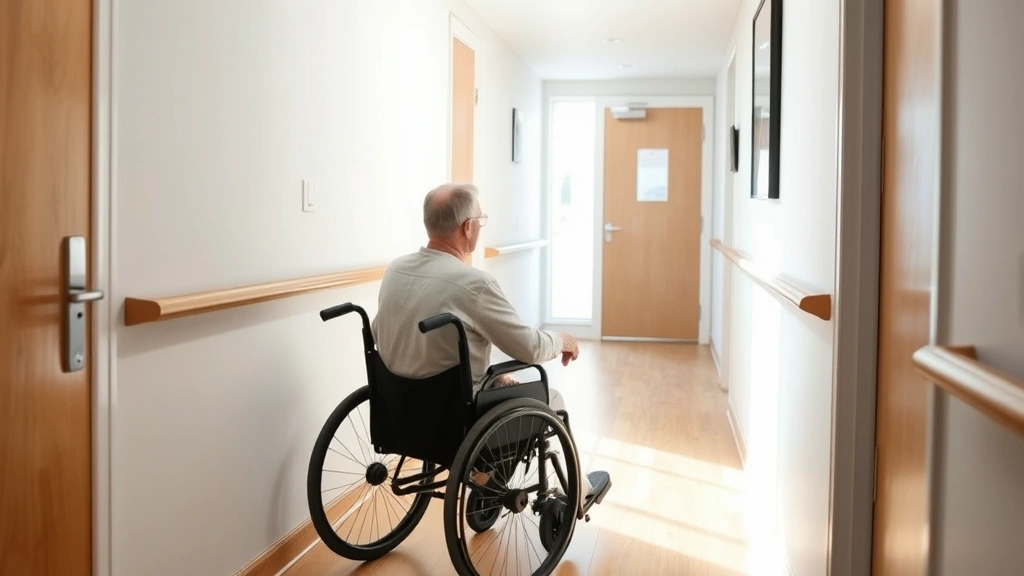
Medical housing accommodations fall into several categories. Policy accommodations modify lease terms or building rules—for example, allowing a service animal in a no-pets building or permitting additional parking spaces for mobility equipment. Physical modifications change the apartment itself, such as installing grab bars in bathrooms, widening doorways for wheelchair access, or creating accessible parking spaces. Administrative accommodations adjust how services are provided, such as allowing earlier move-in dates for medical treatment or flexibility with rent payment schedules during medical leave.
The key distinction is that accommodations must be directly connected to your medical condition and functional limitations. A landlord cannot deny an accommodation simply because it costs money or requires effort—they must engage in what’s called an “interactive process” with you to find reasonable solutions. Understanding this foundation helps you approach your request confidently and legally.
Types of Common Apartment Accommodations
Different medical conditions require different housing solutions. Here are the most frequently requested medical housing accommodations for apartment dwellers:
- Ground-floor or first-floor transfers: Essential for individuals with mobility limitations, chronic pain conditions, or heart disease who cannot safely navigate stairs. This accommodation is one of the most common requests and is typically considered reasonable.
- Accessible parking: Reserved spaces close to building entrances for people with mobility impairments, arthritis, or conditions affecting walking distance tolerance. This may include covered parking for individuals sensitive to weather.
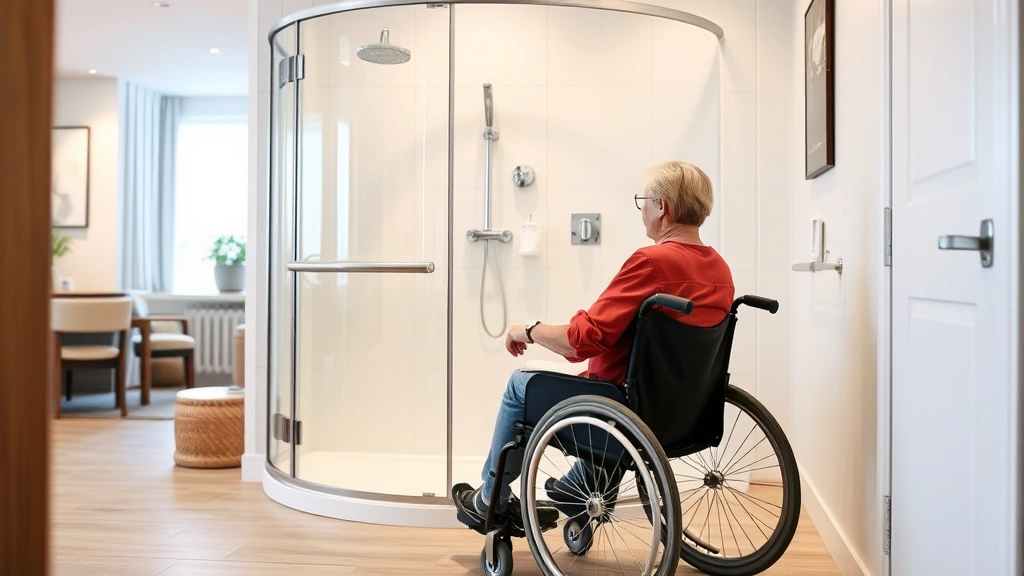
- Unit modifications: Installing grab bars in bathrooms, widening doorways, improving lighting for vision-impaired residents, or creating accessible kitchens. Landlords typically must allow these modifications if they’re necessary for accessibility.
- Allergen-free or chemically sensitive housing: Units where no smoking is allowed, fragrances are restricted, or specific cleaning protocols are followed. Common for people with asthma, chemical sensitivities, or respiratory conditions.
- Quiet hours or noise accommodations: Extended quiet periods or relocation away from noise sources for individuals with migraine disorders, sensory processing disorders, or anxiety conditions.
- Lease modification: Adjusting lease terms to accommodate medical treatment schedules, allowing shorter lease periods, or providing flexibility for medical leave without penalty.
- Early termination or lease break: Permission to end a lease early if your medical condition worsens or treatment requires relocation, without financial penalty.
- Service animal or emotional support animal housing: Exemption from pet restrictions or pet fees for animals that mitigate your disability.
- Temperature control: Individual thermostat access for people with conditions like fibromyalgia, multiple sclerosis, or dysautonomia that affect temperature regulation.
- Visitor or caregiver access: Permission for in-home health aides, nurses, or personal care attendants to access the unit outside standard visiting hours.
Each accommodation should be tailored to your specific medical needs. A one-size-fits-all approach won’t work, which is why clear medical documentation is so important.

” alt=”Medical housing accommodation request”>
Legal Framework and Your Rights
Your right to medical housing accommodations is protected by federal law. The Fair Housing Act (FHA) prohibits discrimination based on disability and requires housing providers to make reasonable accommodations in rules, policies, practices, and physical spaces. This applies to all types of housing—apartments, condominiums, single-family homes, and mobile homes—whether publicly or privately owned.
The Americans with Disabilities Act (ADA) also provides protections, particularly for public accommodations and common areas in multi-unit housing. Additionally, many states and municipalities have their own fair housing laws that may provide even greater protections than federal law.
A “reasonable” accommodation is one that:
- Is necessary to give a person with a disability equal opportunity to use and enjoy a dwelling
- Does not impose an undue financial or administrative burden on the housing provider
- Does not fundamentally alter the nature of the housing provider’s operations
- Is directly related to your disability and functional limitations
Landlords cannot charge you extra rent, deposits, or fees for a reasonable accommodation. They also cannot retaliate against you for requesting one. If a landlord denies your request, they must provide a legitimate, non-discriminatory reason. You have the right to file a complaint with HUD’s Fair Housing Enforcement Office if you believe your rights have been violated.
Documentation Requirements
Strong medical documentation is the foundation of a successful accommodation request. Your landlord has the right to request reliable evidence that you have a disability and that your requested accommodation is necessary. This documentation doesn’t need to be extensive, but it must be credible and directly connected to your accommodation need.
Acceptable documentation typically includes:
- Medical records from your healthcare provider: Letters from your doctor, psychiatrist, physical therapist, or other licensed medical professional confirming your diagnosis, functional limitations, and how your condition affects your ability to use and enjoy housing.
- Disability verification letters: A medical documentation of disability letter that clearly states your condition and functional limitations related to housing.
- Prescription documentation: For service animals or emotional support animals, documentation showing the animal is prescribed as part of your treatment plan.
- Functional limitation assessment: Information about how your condition affects specific activities—walking stairs, tolerating noise, managing allergens, etc.—and why the accommodation directly addresses these limitations.
A reasonable accommodation housing letter from your healthcare provider is often the most effective documentation. This letter should specifically describe your disability, explain why you need the accommodation, and clarify how the accommodation enables you to enjoy your housing. Avoid overly detailed medical information; focus on functional limitations and the connection between your condition and the accommodation.
How to Request an Accommodation
Requesting a medical housing accommodation requires clear communication, proper documentation, and persistence. Follow these steps to maximize your chances of success:
- Review your lease and building policies: Understand current rules and identify which ones conflict with your medical needs. This helps you articulate exactly what you’re requesting.
- Gather medical documentation: Work with your healthcare provider to obtain a letter supporting your accommodation request. Be specific about what you need and why.
- Document your disability: If you don’t already have formal disability verification, consider obtaining a disability verification letter that can be adapted for housing purposes.
- Make a written request: Submit your accommodation request in writing to your landlord or property manager. Include your name, unit number, the specific accommodation you’re requesting, and a brief explanation of why you need it. Attach your medical documentation.
- Be specific and reasonable: Clearly state what you need (e.g., “transfer to a ground-floor unit” rather than “better housing”). Avoid vague language that makes it difficult for the landlord to understand your need.
- Keep copies of everything: Maintain copies of your written request, medical documentation, and all communications with your landlord. This creates a paper trail if you need to file a complaint.
- Follow up in writing: If you don’t receive a response within a reasonable timeframe (typically 5-10 business days), send a follow-up letter referencing your original request.
- Engage in the interactive process: Be prepared to discuss your accommodation with your landlord. They may ask clarifying questions or suggest alternative solutions. Work collaboratively to find a mutually acceptable accommodation.
- Request a decision in writing: Once you’ve discussed your request, ask for the landlord’s decision in writing. If denied, ask for the specific reason for denial.
Remember that requesting an accommodation is not adversarial—it’s a legal process designed to ensure fair housing. Most landlords will work with you, especially if you provide clear documentation and maintain professional communication.
Emotional Support Animals and Housing
Emotional support animals (ESAs) are one of the most commonly requested housing accommodations for people with mental health conditions, anxiety disorders, PTSD, and depression. Unlike service animals, ESAs don’t need special training, but they do require proper documentation to be protected under fair housing law.
To request housing accommodation for an ESA, you’ll need an emotional support animal letter from a licensed mental health professional (therapist, psychiatrist, counselor, or social worker). This letter should confirm that you have a disability-related condition, that the animal provides comfort or therapeutic benefit related to your disability, and that there is a relationship between you and the animal.
Key points about ESAs and housing:
- Landlords cannot charge pet fees or pet deposits for ESAs
- ESAs are not limited by breed or size restrictions
- The animal does not need to be trained or certified—it simply needs to mitigate your disability
- You have the right to keep your ESA even in no-pet buildings
- Landlords can request documentation but cannot require specific certifications or registries
If your landlord denies your ESA accommodation request, you can file a fair housing complaint with HUD. Having proper documentation from a licensed mental health professional significantly strengthens your case.
Common Challenges and Solutions
Even with legal protections, requesting medical housing accommodations can involve challenges. Here are common obstacles and how to address them:
Challenge: Landlord claims the accommodation is too expensive or burdensome
Solution: The “undue burden” standard is high. Most reasonable accommodations—ground-floor transfers, parking spaces, policy changes—don’t create significant financial burden. If your landlord claims burden, request specific documentation of costs. You can also offer to pay for modifications yourself, which often resolves the issue.
Challenge: Landlord questions the validity of your disability
Solution: Provide medical documentation from a licensed healthcare provider. Landlords cannot demand diagnosis details or extensive medical records, but they can request reliable evidence that you have a disability and that your accommodation is necessary. A professional medical documentation letter addresses this concern directly.
Challenge: Landlord denies your request without explanation
Solution: Request a written explanation for the denial. If the reason seems discriminatory or unrelated to legitimate safety concerns, document it and consider filing a fair housing complaint with HUD.
Challenge: You’re unsure what accommodation to request
Solution: Work with your healthcare provider to identify specific functional limitations and how they affect your housing. Your doctor can help you articulate what would enable you to live safely and independently in your apartment.
Challenge: You’re in the process of finding a new apartment
Solution: Before signing a lease, disclose your need for accommodations and get the landlord’s commitment in writing. This prevents disputes later and gives you documentation of their agreement.
” alt=”Apartment accessible housing features”>
FAQ
What is the difference between a reasonable accommodation and a modification?
A reasonable accommodation is a change to rules, policies, or practices. A modification is a physical change to the apartment. Both are protected under fair housing law, though landlords may have more flexibility in negotiating modifications.
Can my landlord charge me for a reasonable accommodation?
No. Landlords cannot charge extra rent, deposits, or fees for reasonable accommodations. If they suggest this, it may be illegal discrimination.
Do I need to disclose my specific diagnosis to my landlord?
No. You only need to disclose enough information to establish that you have a disability and that your requested accommodation is necessary. You don’t need to provide detailed medical records or diagnosis information.
What if my landlord retaliated against me for requesting an accommodation?
Retaliation is illegal under the Fair Housing Act. If your landlord increases rent, threatens eviction, or otherwise retaliates after you request an accommodation, document it and file a complaint with HUD.
How long does the accommodation request process take?
This varies, but landlords should respond within a reasonable timeframe—typically 5-10 business days. If they need more information, they should request it promptly. The interactive process should move forward without unnecessary delays.
Can I request an accommodation after I’ve already signed a lease?
Yes. You can request accommodations at any time during your tenancy. Landlords must engage in the interactive process even if you didn’t request accommodations when you first moved in.
What should I do if my landlord denies my accommodation request?
First, request a written explanation for the denial. If you believe the denial is discriminatory or unjustified, you can file a complaint with HUD’s Fair Housing Enforcement Office or contact a fair housing organization in your state.
Do emotional support animals need to be certified or registered?
No. ESAs don’t require special certification or registration. They only need documentation from a licensed mental health professional confirming that you have a disability-related condition and that the animal provides therapeutic benefit.
Can a landlord ask me to move units instead of making my requested accommodation?
Sometimes. If your building has accessible units available, a landlord might offer a unit transfer instead of modifying your current apartment. However, the alternative accommodation must be equally effective at meeting your disability-related needs.
What if I need multiple accommodations?
You can request multiple accommodations if they’re all necessary for you to enjoy your housing. For example, you might request both a ground-floor unit and parking accommodation. Each request should be connected to your disability and functional limitations.