Quick Medical Housing Approval: Expert Tips Inside
Securing medical housing accommodations can feel overwhelming, especially when you’re navigating complex landlord requirements, documentation standards, and tight timelines. Whether you need ground floor accessibility, allergen-free housing, or unit modifications due to a medical condition, understanding the approval process is essential to expedite your request and ensure your needs are met promptly. This guide provides actionable strategies to accelerate medical housing accommodation approval while maintaining legal compliance and protecting your rights.
Medical housing accommodations fall under fair housing law protections, including the Fair Housing Act and state disability accommodation statutes. Landlords and property managers must provide reasonable accommodations for tenants with disabilities or medical conditions, but the speed of approval depends heavily on how you present your case, the quality of your medical documentation, and your communication strategy. By following expert-backed steps, you can significantly reduce approval timelines from weeks to days.
Understanding Medical Housing Accommodations
Medical housing accommodations are modifications, policy exceptions, or environmental adjustments that enable people with disabilities or medical conditions to use and enjoy their homes equally. Common examples include:
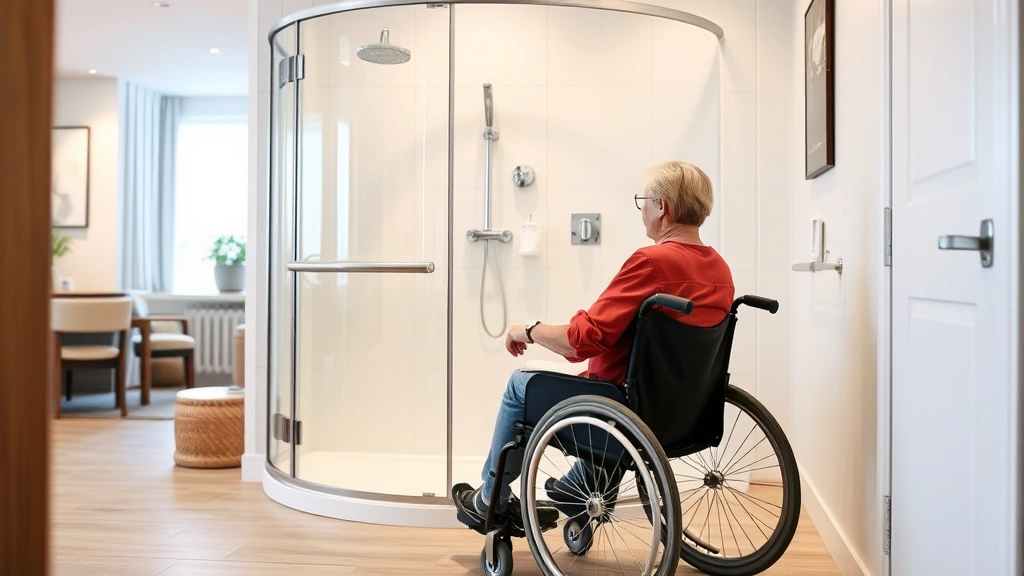
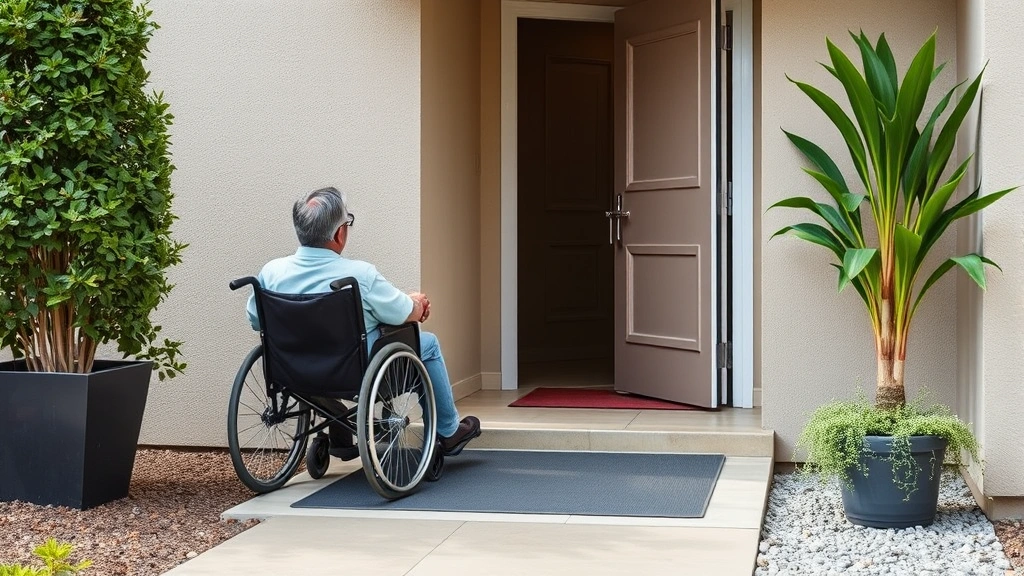
- Physical modifications: Wheelchair ramps, grab bars, accessible bathrooms, lowered cabinets, widened doorways
- Unit transfers: Ground floor placement to avoid stairs, proximity to parking, quieter units for sensory sensitivities
- Policy exceptions: Emotional support animals (ESAs) in no-pet buildings, flexible lease terms for medical treatment, early lease termination due to health decline
- Environmental adjustments: Allergen-free units, fragrance-free common areas, accessible parking spaces
- Lease modifications: Temporary rent reductions during medical leave, payment plan adjustments, accessibility-related cost sharing
Under the Fair Housing Act and the Americans with Disabilities Act (ADA), landlords cannot deny reasonable accommodations based on disability. However, landlords can request reliable medical documentation to verify the connection between your condition and the requested accommodation. This is where speed matters—providing comprehensive, credible documentation upfront eliminates back-and-forth delays.
Essential Documentation for Fast Approval
The single greatest factor in rapid approval is submitting complete, professionally formatted medical documentation on the first request. Incomplete or vague letters trigger landlord follow-ups, additional requests, and extended review periods. Here’s what accelerates approval:
1. Professional Medical Letter Format
Your accommodation request must include a letter from a licensed healthcare provider (physician, psychiatrist, nurse practitioner, or licensed clinical social worker, depending on your condition). The letter should include:
- Provider’s full name, license number, and contact information
- Your diagnosis or functional limitations (without unnecessary detail)
- How the condition substantially limits a major life activity
- Specific nexus: why this particular accommodation alleviates your condition
- Provider’s professional signature and letterhead
- Date of letter (ideally within the last 30 days)
A well-structured ADA disability verification letter or general accommodation request from your provider demonstrates credibility and reduces landlord skepticism. Poorly formatted letters, vague language, or missing information invite requests for clarification.
2. Functional Limitation Documentation
Rather than focusing solely on diagnosis, emphasize functional impact. For example:
- Instead of: “Patient has arthritis”
- Say: “Patient has severe osteoarthritis limiting stair climbing; ground floor placement is medically necessary to maintain independence and prevent fall risk”
This specificity connects your condition directly to your requested accommodation, making the necessity undeniable.
3. Supporting Medical Records (When Appropriate)
In some cases, landlords may request supplementary documentation such as:
- Recent lab results or diagnostic imaging reports
- Treatment plans or medication lists
- Specialist evaluations
- Mobility assessments or occupational therapy reports
Having these prepared in advance—without volunteering unnecessary information—positions you to respond instantly if requested, preventing weeks of delay.
4. Consistency Across All Documentation
Ensure all submitted documents align: diagnosis, functional limitations, and requested accommodations should tell a cohesive story. Conflicting information triggers landlord suspicion and prolongs review.

” alt=”Healthcare provider reviewing medical documentation at desk with patient file”>
Crafting Your Accommodation Request
How you frame your request significantly impacts approval speed. A clear, professional, legally grounded request demonstrates seriousness and reduces landlord defensiveness.
Structure Your Request Strategically
Your written accommodation request should include:
- Opening statement: “I am requesting a reasonable accommodation under the Fair Housing Act due to a disability-related medical condition.”
- Specific accommodation: “I request [exact accommodation needed].”
- Medical necessity: “This accommodation is medically necessary because [functional limitation].”
- Attached documentation: “Please find attached a letter from my healthcare provider supporting this request.”
- Timeline: “I request a response within 10 business days per Fair Housing Act standards.”
- Contact information: Your phone and email for rapid communication
Tone and Professionalism Matter
Avoid emotional language or lengthy explanations. Landlords respond faster to formal, businesslike requests. Use email with read receipts and keep copies of everything. A professional tone signals you understand your rights and expect compliance, which often accelerates decisions.
Avoid Common Request Mistakes
- Don’t request multiple unrelated accommodations simultaneously (prioritize top 2-3)
- Don’t provide excessive personal health details
- Don’t make demands; frame as a legal requirement
- Don’t submit requests verbally—always use written documentation
- Don’t wait for problems to worsen before requesting (proactive requests are processed faster)
Working with Your Healthcare Provider
Your healthcare provider is your fastest approval accelerator. Coordinate closely to ensure rapid, professional documentation.
Prepare Your Provider in Advance
Before your appointment, provide your provider with:
- A summary of your specific accommodation request
- A template or example of the required letter format
- Your landlord’s contact information and deadline
- Any existing medical records relevant to the request
This preparation enables your provider to draft the letter during or immediately after your visit, rather than requiring follow-up requests weeks later.
Request Expedited Documentation
When scheduling, clearly state: “I need a medical accommodation letter within [specific timeframe].” Most providers can deliver within 3-5 business days if given clear expectations. Some practices offer same-day or next-day letters for urgent cases.
Leverage Telehealth for Speed
If you don’t have an established provider or need documentation quickly, telehealth providers and accommodation specialists can often provide documentation faster than traditional in-person appointments. Many specialize in accommodation letters and understand the urgency.
Ensure Provider-Landlord Alignment
Some landlords request direct communication with providers. Authorize this in writing and provide your provider’s contact information to eliminate intermediary delays. Direct communication often resolves landlord concerns faster than letter exchanges.
Communication Strategies with Landlords
Your interaction style significantly impacts approval timelines. Strategic communication can cut weeks from the process.
Lead with Legal Authority
In your opening communication, cite relevant law: “Under the Fair Housing Act, I am requesting a reasonable accommodation for my disability.” This immediately signals you understand your rights and expect compliance, often prompting faster landlord responses.
Establish Clear Deadlines
Fair Housing law requires landlords to respond to accommodation requests “in a timely manner”—typically 5-10 business days. State this explicitly: “I expect a response by [date].” Many landlords default to compliance when deadlines are clear.
Offer Flexibility Where Possible
If your accommodation has alternatives, offer options: “I request a ground floor unit, or alternatively, I request installation of a stair lift at my expense.” Flexibility often accelerates approval by reducing landlord resistance.
Maintain Professional Documentation Trail
Use email exclusively (never phone calls alone). Keep all correspondence, send read receipts, and reference previous emails: “As discussed in my email of [date],…” This creates an undeniable record beneficial if disputes arise.
Request Status Updates
If you don’t receive acknowledgment within 2 business days, send a polite follow-up: “I submitted my accommodation request on [date] and have not received confirmation of receipt. Please confirm you received my documentation and provide an expected response timeline.” This prompts faster processing.
Common Approval Delays and Solutions
Understanding typical bottlenecks helps you prevent them.
Delay 1: Incomplete Medical Documentation
Problem: Landlord requests clarification on diagnosis, functional limitations, or accommodation necessity.
Solution: Submit a comprehensive general disability confirmation letter from your provider that preemptively addresses common questions. Include specific language about functional limitations and accommodation nexus.
Delay 2: Landlord Unfamiliarity with Fair Housing Law
Problem:
Small landlords or property managers may not understand accommodation requirements and delay unnecessarily.
Solution: Provide an informational resource. Include a link to HUD’s Fair Housing Act overview or a simple summary of landlord obligations. Frame it as helpful, not accusatory.
Delay 3: Multiple Approval Levels
Problem: Your request must pass through property manager, regional office, and corporate legal review.
Solution: Identify the decision-maker early. Ask: “Who is authorized to approve accommodation requests?” Send your documentation directly to that person, copying lower-level staff. This bypasses unnecessary routing delays.
Delay 4: Requests for Unnecessary Information
Problem: Landlords request extensive medical records, tax returns, or other unrelated information.
Solution: Politely decline and cite law: “Under Fair Housing Act guidelines, landlords may only request information directly relevant to the accommodation necessity. My provider’s letter contains all necessary medical information. I’m unable to provide [requested item] as it exceeds Fair Housing requirements.”
Delay 5: Dispute Over Accommodation Reasonableness
Problem: Landlord claims the accommodation is unreasonable or creates undue hardship.
Solution: Request a meeting to discuss alternatives. Offer to share the cost or find solutions that reduce landlord burden. Most disputes resolve when both parties collaborate on feasible solutions. If landlord remains obstinate, contact a HUD-approved fair housing agency for mediation.
Additionally, consulting resources like the Job Accommodation Network (JAN), while workplace-focused, offers excellent guidance on documenting medical necessity that applies to housing contexts.
FAQ
How long does medical housing approval typically take?
With complete documentation, 5-10 business days. Incomplete requests can stretch to 4-6 weeks. Proactive communication and comprehensive medical letters reduce timelines significantly.
Can my landlord deny my accommodation request?
Only if: (1) the accommodation is unreasonable or creates undue financial/operational hardship, (2) your documentation is insufficient to establish disability-accommodation nexus, or (3) you’re not legally a tenant. Landlords cannot deny based on preference, cost, or inconvenience alone.
What if my healthcare provider refuses to write a letter?
Seek a second opinion from another provider. If your current provider is uncooperative, this signals you need a new provider anyway. Telehealth and accommodation specialists can provide documentation if your regular provider won’t.
Should I disclose my specific diagnosis to my landlord?
No. Fair Housing law requires only enough information to establish that you have a disability and the accommodation is medically necessary. Avoid disclosing specific diagnoses unless directly relevant to the accommodation.
What if my landlord requests direct communication with my doctor?
You can authorize this in writing, but your provider has no obligation to discuss your case beyond confirming the letter’s authenticity. Set boundaries: “My provider can confirm the letter’s legitimacy but cannot discuss additional medical details.”
Can I request a medical accommodation letter for quick approval if I’m in crisis?
Yes. Urgent accommodation requests can be expedited through telehealth providers specializing in accommodation letters. Many offer same-day or next-day documentation for genuine emergencies. Be prepared to provide detailed information quickly.
What’s the difference between an ESA letter and a housing accommodation letter?
An ESA letter specifically verifies an animal’s role in managing disability. A general accommodation letter addresses physical, environmental, or policy modifications. You may need both if requesting an ESA in housing that otherwise prohibits pets.
If my request is denied, what are my options?
Request a written explanation citing specific reasons for denial. If denial appears unlawful, file a complaint with HUD’s Office of Fair Housing and Equal Opportunity or your state’s fair housing agency. Consult a disability rights attorney if necessary.