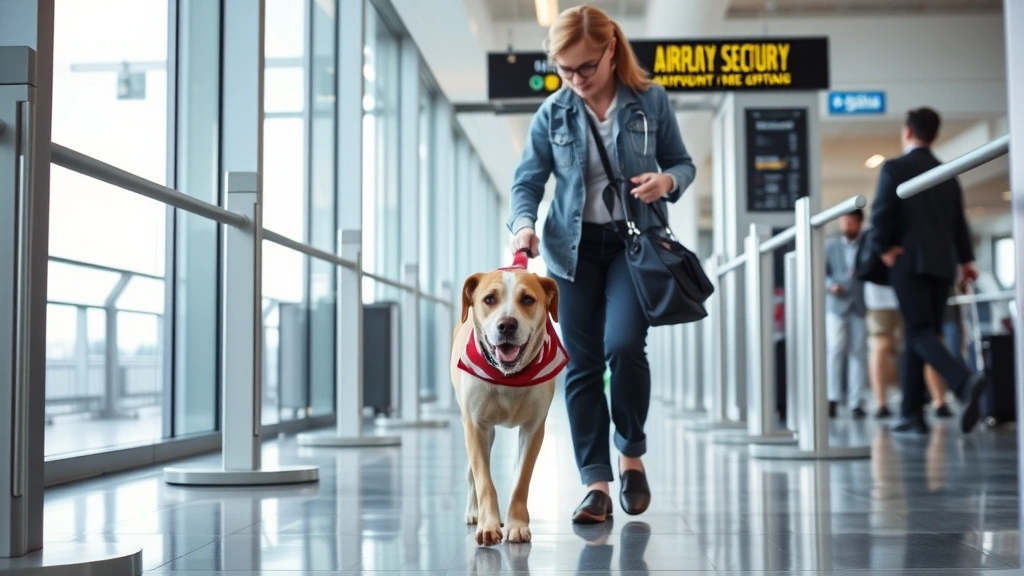
Service Animal Travel Docs: Legal Expert Insights
Traveling with a service animal requires more than just your pet and a plane ticket. Whether you’re heading to court, a medical appointment, or across state lines, proper documentation is essential to ensure your service animal is recognized, protected, and accommodated throughout your journey. Understanding the legal framework and preparing the right paperwork can mean the difference between smooth travel and unexpected complications at airports, hotels, and courthouses.
Service animals perform critical tasks for people with disabilities—from guiding those with vision loss to alerting individuals with diabetes to dangerous blood sugar levels. The Americans with Disabilities Act (ADA) and Department of Transportation (DOT) regulations provide specific protections for these working animals, but only when proper identification and documentation are in place. This guide explores the essential documents you need, the legal requirements that govern service animal travel, and expert strategies for navigating common obstacles.
Understanding Service Animal vs. Emotional Support Animal
The distinction between a service animal and an emotional support animal (ESA) is crucial for travel purposes, particularly when appearing in court. Under the ADA, a service animal is defined as a dog (or in specific cases, a miniature horse) that has been individually trained to perform specific tasks or do work for a person with a disability. These tasks must be directly related to the person’s disability and cannot be based solely on the animal’s presence providing comfort.
An emotional support animal, by contrast, provides comfort through companionship rather than performing trained tasks. While ESAs receive housing protections under the Fair Housing Act, they do not have the same travel rights as service animals. When traveling to court or other legal proceedings, you’ll need to establish that your animal is a true service animal with documented task training, not simply an ESA.
This distinction matters significantly in courtroom settings. Judges and court officers need to verify that your animal meets the ADA definition before allowing it into the courthouse. Having a legal service animal letter that clearly documents your animal’s training and tasks is your first line of defense against challenges to your animal’s presence.
The ADA permits only two questions to be asked about service animals: (1) Is the dog a service animal required because of a disability? and (2) What work or task has the dog been trained to perform? Handlers are not required to provide documentation, but having it readily available prevents disputes and expedites the verification process, especially in formal settings like courtrooms.
Essential Travel Documentation for Service Animals
While the ADA does not require service animal certification, licensing, or special tags, having comprehensive documentation significantly eases travel, particularly for court appearances. The following documents form the foundation of your service animal travel package:
- Service Animal Letter from a Licensed Healthcare Provider: This document should state that you have a disability, that your service animal is necessary for your disability, and what specific tasks the animal performs. This is your primary proof of legitimacy and should be written on professional letterhead from a licensed physician, psychiatrist, psychologist, or other qualified mental health professional.
- Proof of Task Training: Documentation from the trainer or organization that trained your service animal should detail the specific tasks performed. This might include alerts for medical conditions, mobility assistance, psychiatric support tasks, or other disability-related functions.
- Vaccination and Health Records: Current rabies vaccination certificates and health clearances are required for air travel and often requested by hotels, courthouses, and other facilities. Keep these in a separate, easily accessible folder.
- Microchip Documentation: Proof of microchip registration with your contact information helps if your animal becomes separated during travel.
- Disability verification documentation that supports the legitimacy of your service animal’s presence and your need for disability accommodation.
- Travel Authorization Letters: Some airlines and facilities may require specific letters confirming your service animal’s status for upcoming trips. Request these 30 days in advance when possible.
For court appearances specifically, contact the courthouse in advance to learn about their service animal policies. Some jurisdictions require pre-approval or specific documentation formats. Having all documents organized chronologically and clearly labeled demonstrates professionalism and reduces delays.
Court-Specific Service Animal Requirements
Appearing in court with a service animal requires additional considerations beyond standard travel. Courthouses are security-conscious environments where service animals must be clearly identified and their necessity documented. Here’s what you need to know:
Pre-Court Notification: Contact the courthouse at least two weeks before your appearance and inform them of your service animal. Speak with the judge’s chambers or the court clerk to understand specific requirements. Some courts require written notice; others accept phone communication. Document this conversation with names, dates, and what was discussed.
Documentation Requirements: Have your service animal documentation prepared and accessible. The court may request verification that your animal meets the ADA definition. Your healthcare provider’s letter and task training documentation should be ready to present if asked.
Security Screening: Your service animal will go through security screening, similar to you. Inform security personnel that your animal is a service animal performing specific tasks. They may ask questions about the animal’s training and your disability but cannot deny access based on breed, size, or appearance.
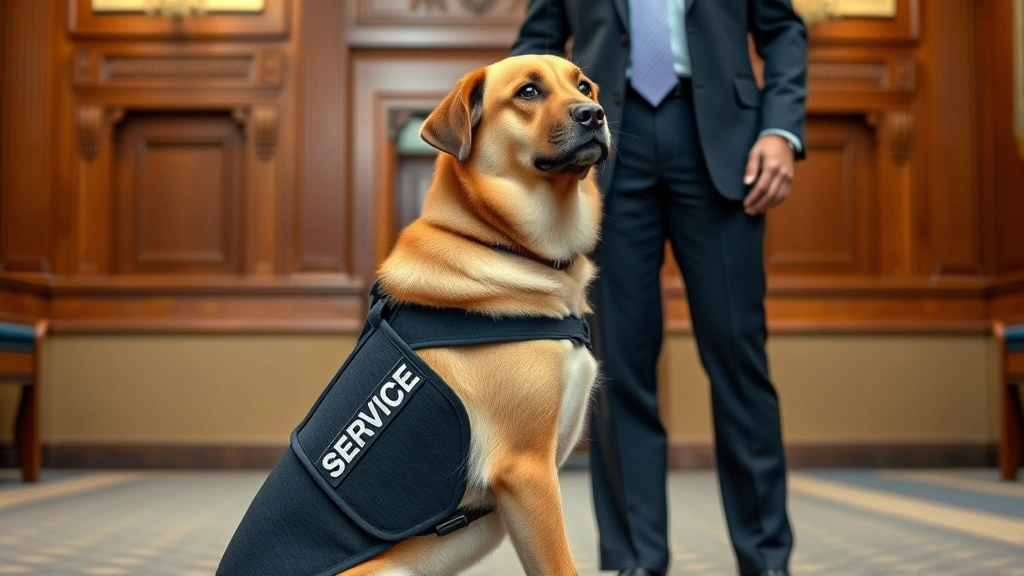
Courtroom Conduct: Your service animal must remain under control at all times. The animal should be positioned near you, typically on a leash or harness, and must not disrupt proceedings. If your animal becomes disruptive despite your best efforts, the court may require the animal to wait outside the courtroom with an assistant or family member.
Accommodations for Extended Proceedings: If your court date involves extended sessions, request accommodations for your service animal in advance. This might include breaks, access to water, or a designated area where the animal can rest between sessions.
Air Travel Documentation and TSA Guidelines
Flying with a service animal involves specific TSA and airline protocols. The Department of Transportation’s Service Animal In-Cabin rule (effective January 2021) requires documentation before travel.
Required Forms and Deadlines: Airlines require a completed DOT Service Animal In-Cabin Declaration form submitted 48 hours before departure. This form asks about your animal’s training, behavior, and health. You must also provide an affordable and legally valid service animal letter from a healthcare provider dated within one year of travel.
TSA Screening Process: At airport security, inform TSA officers that you have a service animal. Your animal will be screened separately—you can request that the screening occur in a private area if you prefer. The animal may be subject to explosive detection screening or other security measures. Do not remove your animal’s service vest or harness unless asked by security personnel.
In-Flight Expectations: Your service animal must remain under your control throughout the flight and cannot occupy a seat. The animal should stay on the floor or in your lap, not on seats or overhead areas. Airlines cannot require your animal to be crated or sedated, but they can remove the animal if it becomes disruptive or poses a safety risk.
Advance Airline Notification: Contact your airline 48 hours before departure to confirm they have received your DOT form and documentation. Confirm seating arrangements—you may request extra legroom to accommodate your animal, though airlines are not required to provide it.
State and International Travel Considerations
Service animal protections vary by state and international jurisdiction. Understanding these differences prevents legal complications when traveling beyond your home state.
State-to-State Travel: The ADA applies uniformly across all U.S. states, so your service animal rights remain consistent. However, state-specific laws may provide additional protections or requirements. Some states mandate service animal registries (though the ADA does not require registration). Research your destination state’s specific regulations regarding service animals in public accommodations, housing, and transportation.
International Travel: International travel with a service animal is significantly more complex. Each country has different regulations regarding service animal importation, quarantine requirements, and public access. Some countries require extensive advance notice, health certificates from specific veterinarians, and microchip documentation. The ADA website provides guidance for international travel planning.
Rental Car and Hotel Accommodations: When renting vehicles or booking hotels, inform providers that you have a service animal. While they cannot deny accommodations, they may request documentation of the animal’s status. HUD regulations protect service animals in housing, and similar principles apply to temporary accommodations.
Documentation in Multiple Formats: When traveling across state lines or internationally, carry your documentation in multiple formats: original letters, certified copies, and digital versions on your phone. This redundancy ensures you have proof of your service animal’s status regardless of circumstances.
Documentation Best Practices and Organization
Proper organization of your service animal documentation prevents stress and delays during travel. Implement these best practices:
Create a Service Animal Travel Portfolio: Maintain a dedicated folder (physical and digital) containing all relevant documentation. Include your healthcare provider’s letter, task training documentation, vaccination records, microchip information, airline authorization letters, and court-specific documentation. Organize documents chronologically and label them clearly.
Digital Backup System: Scan all important documents and store them in a secure cloud service. This ensures you have access to documentation even if physical copies are lost or damaged during travel. Create a separate folder for each trip, including flight confirmations, hotel reservations, and court information.
Renewal Timeline: Healthcare provider letters typically expire after one year. Create calendar reminders to renew documentation before expiration. Airlines require letters dated within one year, so having current documentation prevents last-minute scrambling.
Communication Log: When contacting courts, airlines, or other facilities about your service animal, document the conversation. Note the date, person’s name, what was discussed, and what agreements were reached. This creates a record if disputes arise.
Know Your Rights: Familiarize yourself with the EEOC’s guidance on disability rights and the Job Accommodation Network (JAN) resources. While JAN focuses on workplace accommodations, their materials on service animals provide valuable context.
Having comprehensive, well-organized documentation demonstrates professionalism and knowledge of your rights. This preparation significantly reduces friction when traveling with your service animal, particularly in formal settings like courtrooms where documentation scrutiny is highest.
Working with Documentation Providers: If you need to obtain or update your service animal documentation, work with licensed healthcare providers who understand service animal requirements. Ensure your provider can articulate how your service animal’s specific tasks address your disability. Generic letters that simply state you have a service animal are less effective than detailed documentation describing task training and functional necessity.

FAQ
Do I need official certification for my service animal?
No. The ADA does not require official certification, licensing, or registration for service animals. However, documentation from a licensed healthcare provider describing your disability and your animal’s trained tasks is highly valuable for travel and legal proceedings. Avoid paying for “official certifications” from third-party registries, as these are not legally required and may waste money.
Can a court deny my service animal entry?
Courts cannot deny access to legitimate service animals, but they can require verification that your animal meets the ADA definition. Provide documentation proving your animal performs trained tasks related to your disability. If your animal becomes disruptive, the court may require it to wait outside, but this is based on behavior, not status.
What if an airline questions my service animal documentation?
Ensure your DOT Service Animal In-Cabin Declaration form is completed accurately and submitted 48 hours before departure. Your healthcare provider’s letter must be dated within one year. If an airline still questions your documentation, contact the DOT’s Aviation Consumer Protection Division. Document all communications with the airline for potential complaints.
How do I update my service animal documentation?
Contact your healthcare provider to request an updated letter describing your disability and your service animal’s trained tasks. This should be done annually to ensure documentation remains current. If your service animal’s tasks change, request updated documentation reflecting these changes.
Are there differences between service animal requirements for different disabilities?
No. The ADA definition of service animal applies equally regardless of disability type. However, the specific tasks your animal performs will vary based on your disability. Documentation should clearly describe how your animal’s tasks address your particular disability.
What should I do if my service animal is denied access somewhere?
Politely but firmly explain that your animal is a service animal trained to perform disability-related tasks and that denying access violates the ADA. Ask to speak with a manager. If access is still denied, document the incident with names, dates, and what occurred. Contact your state’s disability rights organization or file a complaint with the Department of Justice Civil Rights Division.