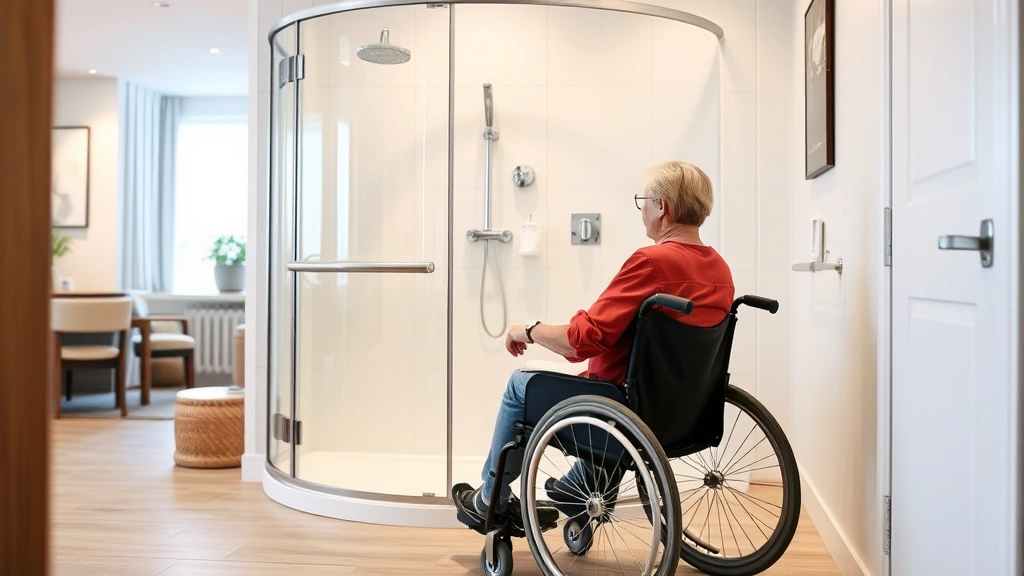

A doctor-signed ground floor apartment transfer letter is a powerful accommodation tool for individuals with mobility challenges, chronic pain, neurological conditions, or other disabilities that make stair climbing unsafe or medically contraindicated. When a healthcare provider documents that a tenant requires ground floor living due to a disability-related functional limitation, landlords are legally obligated under the Fair Housing Act to consider this request seriously and engage in the interactive process toward reasonable accommodation.
Whether you’re managing arthritis, COPD, vertigo, pregnancy-related complications, or post-surgical recovery, obtaining medical documentation for a ground floor transfer can be the difference between safe housing and daily pain or health risk. This guide explores the legal framework, what makes a letter effective, and how to navigate the accommodation process with confidence.

Legal Basis for Ground Floor Transfers Under Fair Housing
The Fair Housing Act (FHA) and the Americans with Disabilities Act (ADA) require landlords and housing providers to make reasonable accommodations for individuals with disabilities. A ground floor transfer is considered a reasonable accommodation when it directly addresses a disability-related functional limitation and does not impose an undue financial or administrative burden on the housing provider.
Under ADA.gov guidance, a reasonable accommodation is any modification to rules, policies, practices, or procedures that enable a person with a disability to have equal access to housing. This explicitly includes unit transfers. The burden is on the landlord to demonstrate that granting the accommodation would be an undue hardship—a high legal threshold that requires concrete evidence of significant difficulty or expense.
A doctor-signed letter serves as critical medical evidence that triggers the landlord’s legal duty to engage in the interactive process. Without proper medical documentation, landlords may dismiss requests as preferences rather than necessities. With it, they face potential Fair Housing violations if they refuse without legitimate justification.
Key legal protections include:
- Prohibition on discrimination: Landlords cannot deny accommodation based on disability status alone
- Interactive process requirement: Both parties must communicate in good faith to find workable solutions
- No retaliation: Requesting accommodation is protected; landlords cannot increase rent, reduce services, or evict in retaliation
- Privacy rights: Landlords can request medical documentation but cannot demand detailed diagnoses or prognoses

What Constitutes a Valid Doctor-Signed Transfer Letter
Not all doctor letters carry equal weight in housing accommodation disputes. A legitimate ground floor transfer letter should include specific components that demonstrate medical necessity while respecting privacy boundaries.
Essential Elements:
- Provider credentials: Letterhead with the doctor’s name, license number, medical specialty, practice address, and phone number. This allows landlords to verify the provider is legitimate and currently licensed.
- Direct relationship: Clear statement that the provider has an established clinical relationship with the tenant and has personally evaluated them regarding the functional limitation in question.
- Specific functional limitation: Description of how the disability affects mobility, balance, pain, or other factors relevant to stair climbing. Examples: “Patient experiences severe pain with prolonged standing,” or “Patient has documented balance disorder that increases fall risk on stairs.”
- Nexus to ground floor: Explicit connection between the functional limitation and why ground floor housing is medically necessary. “Ground floor housing is medically necessary because…” is clearer than vague statements.
- Objective basis: Reference to clinical findings, test results, or standardized assessments when possible. This strengthens credibility and distinguishes the letter from opinion-only documentation.
- Duration statement: Indication of whether the need is temporary (e.g., post-surgical recovery) or ongoing (chronic condition).
- Professional signature: Original or electronically signed by the licensed provider, not stamped or unsigned.
What a valid letter should not include: detailed diagnosis codes, prognosis, medication lists, psychiatric history, or information beyond what’s necessary to establish the accommodation need. Landlords have no legal right to this information, and ethical healthcare providers will decline to provide it.
Conditions That Commonly Qualify for Ground Floor Accommodation
A wide range of medical conditions create legitimate ground floor accommodation needs. Here are common examples with functional explanations:
Mobility and Joint Conditions:
- Osteoarthritis, rheumatoid arthritis: Chronic joint pain and stiffness make repetitive stair climbing painful and potentially damaging to joints
- Knee or hip replacement (post-surgical): Weight-bearing restrictions and balance concerns during recovery period
- Cerebral palsy, muscular dystrophy: Progressive or chronic muscle weakness and spasticity affecting balance and endurance
Cardiovascular and Respiratory Conditions:
- COPD, asthma, congestive heart failure: Stair climbing triggers shortness of breath, chest pain, or dangerous oxygen desaturation
- Severe hypertension: Exertion from stair climbing can elevate blood pressure to unsafe levels
Neurological Conditions:
- Multiple sclerosis, Parkinson’s disease: Balance problems, tremor, and fatigue make stairs a fall hazard
- Vertigo, vestibular disorder: Stairs trigger dizziness and loss of balance
- Seizure disorders: Risk of seizure while on stairs poses serious injury danger
Other Common Scenarios:
- Severe obesity: Joint stress and cardiovascular strain from stair climbing
- Pregnancy-related complications: Preeclampsia, gestational diabetes, or placental issues requiring activity restriction
- Cancer treatment side effects: Chemotherapy-induced peripheral neuropathy, severe fatigue, or bone metastases
- Chronic pain syndromes: Fibromyalgia, complex regional pain syndrome where exertion triggers pain flares
The key is demonstrating a direct, medically supported link between the condition’s functional impact and the necessity of ground floor living. This is why working with your treating physician is essential.
The Interactive Process: How to Request Accommodation
Obtaining a doctor-signed ground floor transfer letter is the first step, but how you present it matters significantly for success. Follow this structured approach:
Step 1: Document Your Request in Writing
Submit a formal written request (email or certified letter) to your landlord or property management, stating: “I am requesting a reasonable accommodation for a disability-related functional limitation. My healthcare provider has determined that ground floor housing is medically necessary. I will provide medical documentation to support this request.”
Step 2: Obtain the Medical Letter
Schedule an appointment with your treating physician and discuss the specific accommodation need. Bring a blank copy of your ground floor accommodation request letter template or ask your doctor to draft one from scratch using the elements outlined above. If your doctor is unfamiliar with accommodation letters, provide them with ground floor apartment transfer letter guidance to ensure completeness.
Step 3: Submit Documentation to Landlord
Provide the original signed letter to your landlord. You may redact specific diagnosis details if you prefer—the law allows this. The landlord only needs to know the functional limitation and why ground floor is necessary, not your medical history.
Step 4: Respond to Landlord Inquiries
Landlords may ask clarifying questions about your medical documentation. Respond promptly and honestly, but do not volunteer additional medical information. If they request detailed medical records or diagnosis, politely decline: “My doctor’s letter provides the functional limitation information relevant to this accommodation request. Additional medical records are not necessary for you to evaluate the request.”
Step 5: Negotiate Terms
If the landlord indicates ground floor units are unavailable, discuss alternatives: priority on future vacancies, temporary relocation to an accessible unit, or other solutions. Document all communications in writing.
Common Landlord Responses and How to Counter Them
Even with a doctor-signed accommodation letter, some landlords resist. Here’s how to handle common objections:
“We don’t have ground floor units available.”
Counter: Request priority status for the next available ground floor unit. Offer to provide temporary alternative accommodations in the interim. Document the conversation. If the landlord refuses all alternatives, this may constitute a Fair Housing violation.
“Moving would be too expensive/inconvenient for us.”
Counter: Inconvenience and cost to the landlord are not valid reasons to deny accommodation under Fair Housing law. Only undue financial or administrative hardship qualifies, and the landlord bears the burden of proof. Moving an existing tenant to facilitate a ground floor transfer is a standard operational cost, not undue hardship.
“Your doctor’s letter isn’t detailed enough.”
Counter: Offer to have your doctor provide additional clarification on the functional limitation, but do not provide diagnosis codes, medication lists, or prognosis. If the landlord demands information beyond what’s legally permitted, cite Fair Housing guidelines and offer to provide written documentation of their request for your records.
“We require a disability evaluation from our own doctor.”
Counter: Under Fair Housing law, landlords cannot require applicants or tenants to undergo a medical examination. They can request reliable medical documentation from your treating provider, but cannot conduct independent medical evaluations. Politely decline and reiterate that your doctor’s assessment is sufficient.
Documentation Standards and Privacy Protections
One of the most misunderstood aspects of accommodation requests is what landlords can and cannot ask. Understanding your privacy rights strengthens your position.
What Landlords CAN Request:
- Reliable documentation from a healthcare provider about functional limitations
- Clarification about how the disability relates to the accommodation need
- Verification that the provider-tenant relationship is genuine and recent
- General statements about duration (temporary vs. permanent)
What Landlords CANNOT Request:
- Specific diagnosis or ICD-10 codes
- Detailed medical history or prognosis
- Medication lists or psychiatric information
- Complete medical records
- Independent medical evaluation (in most circumstances)
- Genetic information or family medical history
When your landlord oversteps, you can reference HUD.gov guidance on reasonable accommodations, which explicitly states that providers should limit medical information to what is necessary to establish the disability-accommodation nexus. If a landlord persists in demanding inappropriate information, document the request and consider filing a Fair Housing complaint with HUD.
Strengthening Your Accommodation Request
Beyond obtaining a doctor-signed letter, several strategies improve your likelihood of approval:
Get Multiple Supporting Documents
If appropriate, obtain letters from multiple treating providers (physical therapist, rheumatologist, cardiologist) who can each speak to how your condition affects stair climbing. This creates a stronger evidentiary foundation.
Provide Objective Medical Records
With your doctor’s permission, include relevant test results or clinical notes that demonstrate the severity of your condition—imaging showing joint damage, pulmonary function tests, balance assessment scores, or surgical records. These objective findings carry more weight than subjective statements alone.
Research Your Landlord’s Obligations
Before submitting your request, familiarize yourself with your state and local Fair Housing laws. Some jurisdictions have stronger protections than federal law. Knowing your rights allows you to reference specific legal standards when communicating with your landlord.
Document Everything in Writing
Send all requests via email or certified mail, never just verbally. Keep copies of every communication. This creates a clear paper trail if you need to escalate the matter to a Fair Housing agency.
Consider Professional Advocacy
If your landlord denies your request, contact your local Job Accommodation Network (JAN) or disability rights organization for guidance. Many provide free consultation on accommodation disputes. If necessary, consult a housing attorney who specializes in Fair Housing law.
Understand Your Remedies
If a landlord illegally denies your accommodation request, you may file a Fair Housing complaint with HUD within one year of the violation. Remedies can include forced compliance with the accommodation, damages, attorney fees, and penalties against the landlord. Knowing this strengthens your negotiating position.
FAQ
Do I need a specific form for a ground floor transfer letter, or can my doctor write one from scratch?
Your doctor can write the letter from scratch using standard medical letterhead, or you can provide a template. Many healthcare providers prefer writing from scratch to ensure accuracy and authenticity. If using a template, ensure it includes all essential elements discussed above and doesn’t include inappropriate demands for medical information.
How long does a ground floor transfer letter remain valid?
There’s no fixed expiration date, but landlords may reasonably request updated documentation if the letter is several years old or if your condition has materially changed. For chronic conditions, a letter dated within the past 1–2 years is typically considered current. For temporary conditions like post-surgical recovery, the letter should specify the expected duration.
What if my doctor refuses to write a ground floor transfer letter?
Your doctor may refuse if they believe the accommodation request is not medically justified. However, if you have a legitimate disability-related functional limitation, an ethical provider should document it. If your current doctor refuses, consider consulting a specialist in your condition who can provide an objective assessment. Alternatively, ask your doctor to explain in writing why they believe ground floor housing is not medically necessary—this documentation can itself support your accommodation claim if the reasoning is weak.
Can I be evicted or face retaliation for requesting a ground floor transfer?
No. Fair Housing law explicitly prohibits retaliation against tenants for requesting accommodations. If a landlord increases your rent, reduces services, initiates eviction proceedings, or otherwise retaliates after you request accommodation, this is illegal. Document any retaliatory actions and file a complaint with HUD or your state Fair Housing agency.
What if there are truly no ground floor units available?
The landlord must still engage in the interactive process to find an alternative solution. Options include: priority placement on the next available ground floor unit, temporary relocation to an accessible unit at no additional cost, or other reasonable accommodations that address your functional limitation. A complete lack of ground floor units does not eliminate the landlord’s obligation to accommodate.
Is a doctor-signed letter the same as an ESA letter?
No. An ESA (Emotional Support Animal) letter certifies that a specific animal provides therapeutic benefit for a mental health condition and qualifies for housing accommodation under Fair Housing law. A ground floor transfer letter certifies that a specific housing modification is medically necessary. They serve different purposes, though both are accommodation tools. If you need both, your provider can issue separate letters tailored to each request.
Can I request a ground floor transfer for a family member’s disability if I’m not the tenant?
Typically, the tenant (or applicant) must be the one with the disability. However, if you live with a family member with a disability and you’re jointly responsible for the lease, you may have standing to request accommodation. Consult your lease and local law. In some cases, a family member can request accommodation on behalf of a tenant with cognitive or communication disabilities, provided they have proper authority.