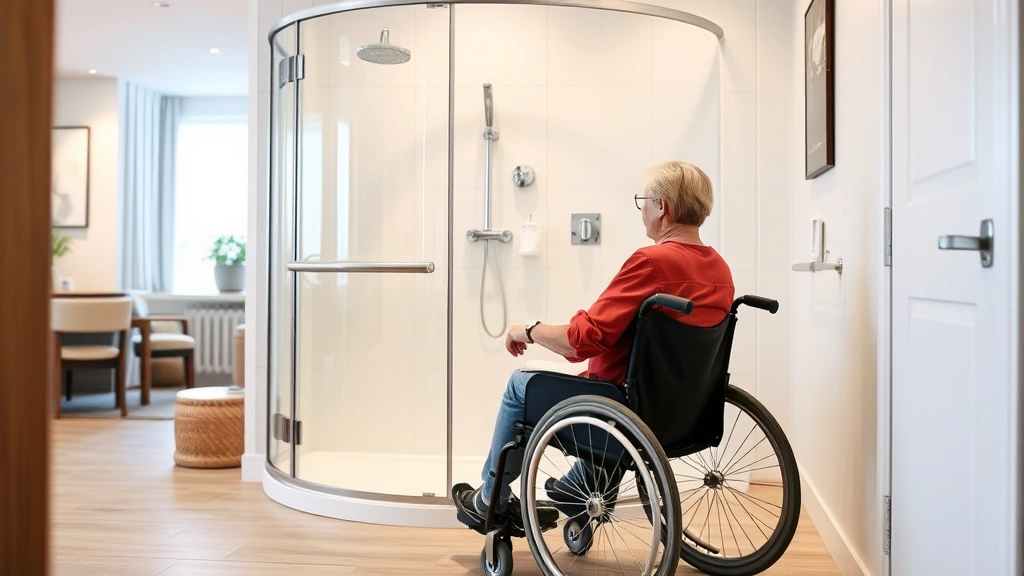

Affordable Medical Letter for Apartment Needs: Tips
Finding affordable housing while managing a medical condition can feel overwhelming, especially when you need documentation to support reasonable accommodations. A medical letter for apartment needs is a legitimate, legally recognized document that helps landlords and property managers understand your health requirements and make necessary adjustments to your living situation. Whether you need an accessible unit, allergen-free housing, or modifications for mobility issues, the right medical letter can be the key to securing the apartment that works for your health.
The good news? Obtaining an affordable medical letter doesn’t require expensive in-person doctor visits or lengthy legal consultations. With the right information and resources, you can get a professional, doctor-signed letter that meets housing standards while staying within your budget. This guide walks you through the process, costs, and strategies to make apartment accommodations accessible and affordable.
What Is a Medical Letter for Apartment Accommodation?
A medical letter for apartment accommodation is a professional document written by a licensed healthcare provider that explains your medical condition and describes the reasonable accommodations you need in your housing. This letter serves as evidence that your accommodation requests are medically necessary, not optional preferences. It’s a critical tool for securing housing adjustments under the Fair Housing Act and other disability rights laws.
Medical letters for apartments typically address conditions such as:
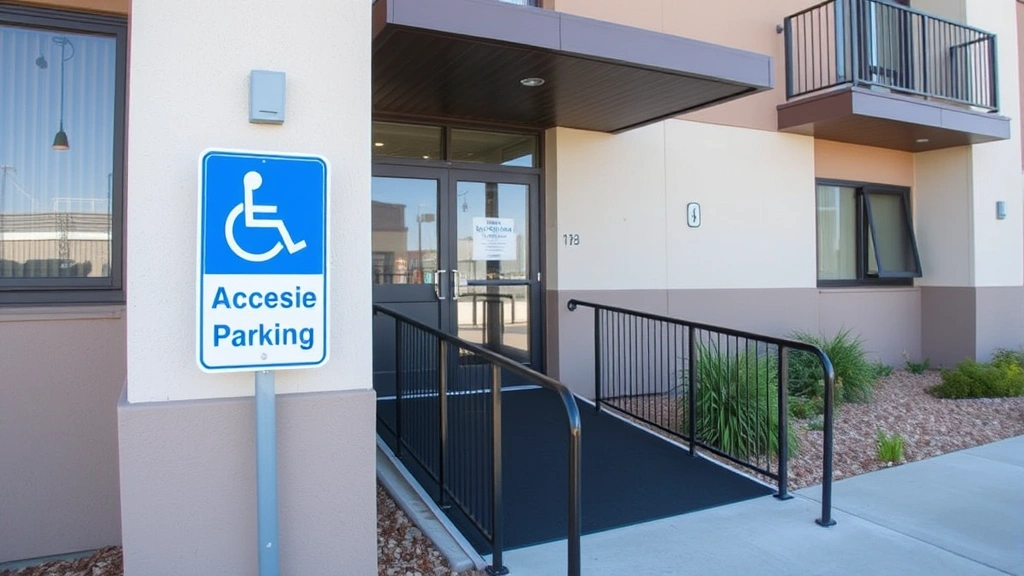
- Mobility limitations requiring ground floor units or accessible parking
- Respiratory issues needing allergen-free or smoke-free environments
- Mental health conditions benefiting from quiet spaces or specific building features
- Sensory disabilities requiring accessible design modifications
- Chronic pain or fatigue requiring proximity to amenities
- Service animal or emotional support animal documentation
Unlike casual recommendation letters, a medical letter for housing must be from a qualified healthcare provider and contain specific medical information that justifies your requests. This formality is what makes it legally binding and difficult for landlords to refuse.
Legal Requirements and Fair Housing Laws
Understanding the legal framework behind medical letters ensures your documentation will be taken seriously by landlords and property managers. The Fair Housing Act requires housing providers to make reasonable accommodations in rules, policies, practices, and services for people with disabilities. A medical letter is your primary tool for proving that your accommodation request is reasonable and disability-related.
Key legal points:
- Reasonable Accommodation Requirement: Landlords must provide accommodations unless doing so causes undue financial or administrative burden. Your medical letter demonstrates necessity.
- Provider Qualification: The letter must come from a licensed healthcare provider with knowledge of your condition. This includes MDs, DOs, nurse practitioners, physician assistants, psychologists, and therapists depending on your condition.
- Privacy Protection: Landlords can request the letter but cannot demand extensive medical records. The letter should provide enough detail to justify the accommodation without oversharing sensitive information.
- Timeliness: Submit your medical letter before or shortly after your accommodation request. Delays may weaken your case.
The Americans with Disabilities Act (ADA) and Section 504 of the Rehabilitation Act provide additional protections. If your landlord refuses a reasonable accommodation request supported by a medical letter, they may be in violation of federal law. Knowing your rights empowers you to advocate confidently.
Affordable Options for Getting a Medical Letter
The cost of obtaining a medical letter varies significantly depending on your approach. Here are budget-friendly strategies:
Option 1: Your Current Healthcare Provider
If you have an established relationship with a doctor, nurse practitioner, or therapist, request a letter directly. Many providers offer this service at no additional cost or for a modest documentation fee (typically $25–$75). This is the most affordable option if you’re already receiving care.
Pros: Fast, inexpensive, provider knows your medical history
Cons: May take time if your provider is busy; some providers are unfamiliar with housing accommodation letters
Option 2: Telehealth Medical Services
Online platforms connect you with licensed doctors who can evaluate your condition via video consultation and provide a medical letter. Services like Arvix Health specialize in disability verification letters for housing at competitive rates. Telehealth eliminates travel time and often costs less than in-person visits.
Pros: Affordable ($100–$250), fast turnaround, specialized in accommodation letters, no travel required
Cons: May be new provider relationship; requires honest health disclosure
Option 3: Community Health Centers
Federally Qualified Health Centers (FQHCs) and community clinics offer sliding-scale fees based on income. You can request a medical letter as part of your visit, often at reduced cost.
Pros: Income-based pricing, comprehensive care, legitimate medical documentation
Cons: May have long wait times; may need to establish care first
Option 4: University or Teaching Hospitals
Medical schools and teaching hospitals often have clinics staffed by students under supervision, offering services at lower costs. Quality is high, and pricing is affordable.
Pros: Affordable, quality care, thorough evaluation
Cons: Longer appointments; may take time to schedule
Option 5: Disability Rights Organizations
Some nonprofits and disability advocacy groups offer free or low-cost documentation assistance. Organizations like the Job Accommodation Network (JAN) and local disability rights centers may provide guidance or referrals to affordable providers.
Pros: Free or minimal cost, knowledgeable about housing law, advocacy support
Cons: Services vary by location; may not provide letters directly

” alt=”Professional healthcare provider in white coat having a virtual consultation with patient on computer screen, modern medical office background, warm lighting”/>
What to Include in Your Medical Letter
A strong medical letter for apartment accommodation includes specific elements that satisfy legal requirements and persuade landlords:
Essential Components
- Provider Information: Full name, credentials, license number, contact information, and signature. This establishes the provider’s qualifications.
- Your Identifying Information: Full name, date of birth, and dates of treatment. This confirms the letter applies to you specifically.
- Diagnosis or Condition Description: A clear statement of your medical condition (e.g., “chronic mobility impairment” or “severe anxiety disorder”). Avoid overly detailed medical history unless relevant.
- Functional Limitations: Explain how your condition affects daily living. Example: “Due to severe arthritis, my client requires a ground floor unit to safely navigate stairs.”
- Specific Accommodation Requests: List the exact accommodations needed. Be specific: “accessible parking space near unit entrance” rather than “accessible parking.”
- Medical Necessity Statement: The provider should clearly state that the accommodations are medically necessary and related to your disability.
- Effective Date: When does this letter apply? Typically from the date of signing forward for a specified period (often 1–3 years).
- Provider Signature and Date: Original signature (or digital equivalent) and date make the letter official.
What NOT to Include
- Extensive medical records or test results (unless specifically relevant)
- Sensitive psychiatric diagnoses or medication lists (unless directly related to accommodation)
- Personal details unrelated to the accommodation request
- Speculation or opinions not grounded in medical assessment
- Aggressive or accusatory language toward landlords
A well-crafted letter balances thoroughness with brevity. Landlords need enough information to understand your needs, but not so much that it raises privacy concerns.
Cost Breakdown and Budget-Friendly Strategies
Understanding typical costs helps you budget and find the most affordable option:
Typical Cost Range
- Current Healthcare Provider: $0–$75 (often included in visit cost)
- Telehealth Specialized Services: $100–$250 (Arvix Health and similar platforms)
- Community Health Centers: $50–$150 (sliding scale)
- Urgent Care or Walk-in Clinics: $75–$150 plus office visit
- Private Doctor’s Office: $150–$400 (documentation fees)
- Disability Rights Organizations: Free–$50 (varies)
1. Leverage Existing Care Start with your current doctor or therapist. If you’re already in treatment, requesting a letter costs little or nothing. This is the fastest, most affordable path.
2. Compare Telehealth Platforms Not all telehealth services charge the same. Research doctor-signed letters from reputable platforms and compare pricing. Some offer package deals or discounts for multiple letters.
3. Use Community Resources Contact local disability advocacy groups, legal aid societies, or housing nonprofits. Many offer free consultations and can refer you to affordable providers or even provide letters themselves.
4. Plan Ahead Don’t wait until you’re facing eviction or a lease rejection to get your letter. Advance planning gives you time to explore affordable options without rushing into expensive solutions.
5. Bundle Services If you need multiple letters (e.g., for housing and work), ask if providers offer discounts. Some telehealth platforms reduce per-letter costs when ordering multiple documents.
6. Document Your Health Proactively If you’re not currently in treatment but have a diagnosed condition, starting care now builds the provider relationship needed for a credible letter. Initial visits at community health centers are often affordable.
7. Explore Insurance Coverage Some insurance plans cover documentation letters as part of medical care. Check your policy or call your insurance company to ask if letter-writing services are covered.
Sample Budget Scenarios
Scenario 1: Existing Patient You see a therapist monthly. Requesting a letter costs $0–$50. Total: $50 maximum.
Scenario 2: No Current Provider You use a telehealth platform like Arvix Health for a specialized accommodation letter. Cost: $150–$200. Total: $150–$200.
Scenario 3: Low-Income Pathway You visit a community health center on a sliding scale ($40 visit), and they provide the letter at no extra cost. Total: $40.
Scenario 4: Multi-Letter Need You need both a housing and work accommodation letter. One provider offers both for $250 instead of $300 separately. Total: $250 (savings of $50).
” alt=”Smiling diverse couple reviewing apartment documents together at a table with a laptop, natural daylight, positive atmosphere”/>
FAQ
How long does it take to get a medical letter for apartment accommodation?
Timeline varies by provider. Your current doctor might provide a letter within days. Telehealth platforms typically deliver within 1–5 business days. Community health centers may take 1–2 weeks if you need an initial appointment. Plan for at least 1–2 weeks to be safe, especially if establishing new care.
Can I request a medical letter if I’m not officially diagnosed?
You’ll need at least an informal evaluation or medical opinion from a provider. If you suspect a condition but haven’t been formally diagnosed, schedule an initial appointment for evaluation. The provider can then document their clinical assessment and provide a letter if they determine your condition warrants accommodation.
What if my landlord refuses to accept my medical letter?
Document the refusal in writing. Contact your local housing authority, disability rights organization, or legal aid society. Landlords who refuse reasonable accommodations supported by medical documentation may violate fair housing laws. You may have grounds for a complaint or legal action.
Can I use an online ESA letter service for apartment accommodations?
ESA (Emotional Support Animal) letters are specifically for animal accommodations. If you need an ESA for housing, specialized ESA letters from licensed providers are appropriate. For other accommodation types (accessible units, modifications), a general medical letter works better. Don’t confuse the two.
Is a telehealth letter as valid as one from an in-person doctor?
Yes, if the provider is licensed and conducts a legitimate evaluation. Telehealth providers are held to the same professional standards as in-person doctors. What matters is the provider’s credentials and the quality of their assessment, not the delivery method. Landlords cannot legally reject a letter solely because it came from a telehealth provider.
Can I write my own medical letter?
No. A medical letter must come from a licensed healthcare provider. Self-written letters carry no legal weight and may harm your credibility. Always obtain a letter from a qualified professional.
How often do I need to renew my medical letter?
Most medical letters are valid for 1–3 years. Check what your provider specifies. Some conditions are stable and may not require renewal; others change and may need updated documentation. When your lease renewal approaches, consider getting an updated letter to strengthen your case.
What if I can’t afford any of these options?
Contact disability rights organizations, legal aid societies, or housing nonprofits in your area. Many offer free consultations and may provide letters or connect you with pro bono providers. You can also inquire whether your landlord has resources or knows of affordable providers. Some progressive landlords are willing to facilitate the process to ensure compliance with fair housing laws.
Can my letter help me avoid an eviction?
A medical letter supporting a reasonable accommodation request can strengthen your position if you’re facing eviction for disability-related issues. However, it won’t help with evictions for non-payment or lease violations unrelated to your disability. Consult a legal aid attorney for guidance on your specific situation.
Should I disclose my entire medical history in the letter?
No. Share only what’s necessary to justify your specific accommodation request. For example, if you need a ground floor unit due to mobility issues, explain the mobility limitation—not your entire medical history. This protects your privacy while providing sufficient justification.