Allergen-Free Housing Letter: Doctor’s Insight
Living with severe allergies or respiratory conditions can make your home environment a critical factor in your health and quality of life. When allergies or smoke sensitivity significantly impact your wellbeing, a doctor-signed allergen-free or smoke-free housing letter becomes an essential accommodation tool. This medical documentation allows you to request necessary environmental modifications from your landlord, ensuring your living space supports your health needs rather than undermining them.
An allergen-free housing letter is a formal medical document that confirms your healthcare provider has diagnosed a condition requiring a smoke-free and allergen-controlled living environment. Unlike casual recommendations, a doctor-signed letter carries legal weight under the Fair Housing Act and provides landlords with the clinical justification they need to approve reasonable accommodations. This guide explains how these letters work, what they include, and how to obtain one.
Whether you’re managing asthma triggered by secondhand smoke, chemical sensitivities, mold allergies, or pet dander reactions, understanding your accommodation rights is crucial. A properly documented medical letter protects both your health and your housing security.

What Is an Allergen-Free Housing Letter?
An allergen-free housing letter is a medical certification from your licensed healthcare provider documenting that you have a disability or medical condition requiring a smoke-free and allergen-controlled living environment as a reasonable accommodation. This letter serves as formal evidence that your housing needs are not preferences but medical necessities rooted in a documented health condition.
The letter functions as your accommodation request documentation under the Fair Housing Act, which prohibits housing discrimination based on disability. When you provide this letter to your landlord or property management, they are legally required to engage in an interactive process to discuss and implement reasonable accommodations, which may include:
- Prohibiting smoking in your unit and adjacent units
- Restricting pet policies to prevent allergen exposure
- Implementing enhanced cleaning protocols
- Allowing unit transfers to allergen-controlled areas
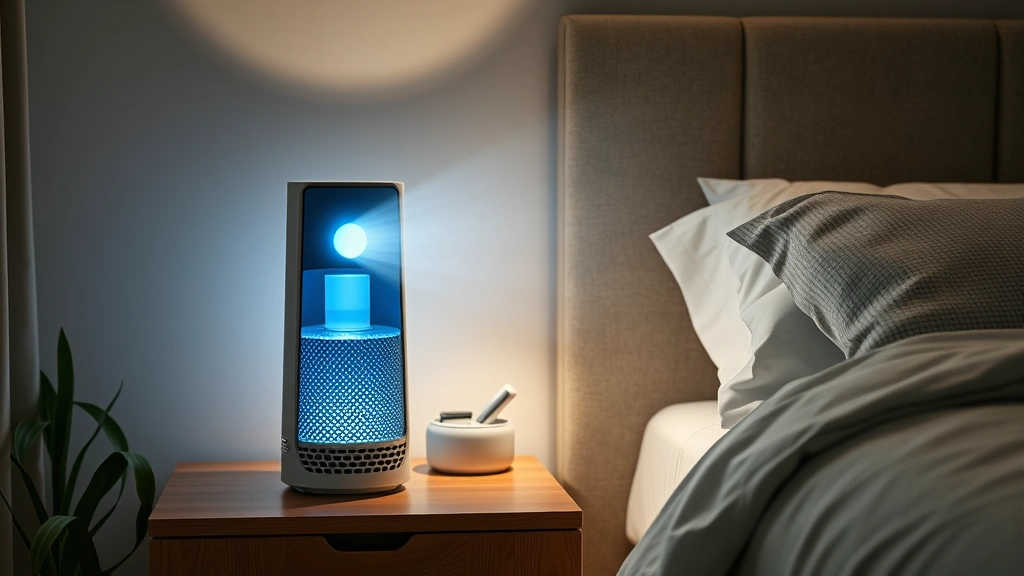
- Permitting air filtration system installation
- Modifying lease terms related to environmental controls
This documentation is distinct from a casual note from your doctor. A proper allergen-free housing letter includes specific clinical language, your diagnosed condition, functional limitations, and the nexus between your condition and the need for environmental controls. It demonstrates that your request is medically justified and reasonable.
Medical Conditions That Qualify
Multiple health conditions warrant allergen-free housing accommodations. Your doctor can sign an allergen-free housing letter if you have been diagnosed with any condition where environmental allergens or smoke exposure significantly exacerbates symptoms or creates health risks. Common qualifying conditions include:
- Asthma: Tobacco smoke and airborne allergens are documented asthma triggers that can cause acute attacks, reduced lung function, and emergency hospitalizations
- Chronic Obstructive Pulmonary Disease (COPD): Smoke and allergen exposure accelerate disease progression and increase respiratory distress
- Allergic Rhinitis: Severe seasonal or year-round allergies requiring environmental control to prevent debilitating symptoms
- Chemical Sensitivity: Multiple Chemical Sensitivity (MCS) or environmental sensitivity disorders triggered by smoke, fragrances, and cleaning products
- Immunocompromised Conditions: HIV, cancer treatment, organ transplant recipients, or autoimmune diseases where allergen exposure increases infection risk
- Cystic Fibrosis: Smoke inhalation and respiratory infections pose serious health risks
- Mold Allergies: Severe reactions to mold requiring moisture control and remediation
- Severe Pet Allergies: Documented anaphylaxis or severe respiratory reactions to pet dander
- Sinusitis or Nasal Polyps: Environmental triggers causing chronic inflammation and infection
Your condition must be documented in your medical record with clear functional limitations. The letter should explain how allergens or smoke specifically impact your disability and why environmental controls are medically necessary, not merely convenient.
Key Components of a Doctor-Signed Letter
A legally effective allergen-free housing letter contains several essential elements. Your healthcare provider should include:
- Letterhead and Provider Credentials: Official medical practice letterhead with provider name, license number, specialty, and contact information
- Your Identification: Your full name and current address to establish the letter’s subject
- Diagnosis Statement: Clear statement of your diagnosed condition (e.g., “The patient has been diagnosed with moderate persistent asthma”)
- Functional Limitations: Specific description of how your condition limits major life activities, such as breathing, sleeping, or working
- Allergen/Smoke Connection: Clear explanation of how environmental allergens or secondhand smoke exacerbates your condition and creates health risks
- Accommodation Necessity: Statement that a smoke-free and allergen-controlled living environment is medically necessary to manage your condition and prevent exacerbation
- Specific Environmental Requirements: Details about what allergen controls are needed (smoke-free building, no pets, humidity control, etc.)
- Treatment History: Reference to your ongoing treatment, medications, or healthcare management related to the condition
- Provider Signature and Date: Original signature from your licensed healthcare provider
- License Information: License number, state of licensure, and medical specialty
The letter should be written in professional medical language while remaining clear and accessible. Avoid vague statements like “the patient would benefit from” and instead use definitive language: “The patient requires a smoke-free and allergen-controlled living environment due to documented medical necessity.” This distinction strengthens your accommodation request and reduces landlord pushback.
How to Request This Accommodation
Obtaining an allergen-free housing letter requires coordination with your healthcare provider. Begin by scheduling an appointment with your primary care physician, pulmonologist, allergist, or other relevant specialist—ideally someone familiar with your condition and medical history.
Preparing for Your Appointment: Before meeting with your doctor, gather documentation of your condition: medication lists, recent test results, emergency room visits related to allergen exposure, and notes about how your symptoms worsen in certain environments. This evidence supports your doctor’s assessment and makes the letter more compelling.
Explain to your doctor that you need accommodation documentation for housing purposes. You can say: “I need a letter documenting that my condition requires a smoke-free and allergen-controlled living environment. This letter will help me request reasonable accommodations from my landlord under fair housing law.” Most healthcare providers understand this request and can draft the letter during or after your visit.
If your doctor is hesitant, provide them with HUD’s guidance on reasonable accommodations or explain that the Fair Housing Act requires landlords to engage with medical documentation. You can also reference how allergen-free housing letters support documented medical conditions.
Some patients find it helpful to use services that connect them with licensed healthcare providers who specialize in accommodation documentation. These telehealth platforms can provide letters quickly when your regular doctor is unavailable or unwilling to write one. Ensure any provider you work with is licensed, takes a detailed health history, and provides clinically sound documentation.
Once you have your letter, keep the original for your landlord and retain copies for your records. Submit the letter to your property management company along with a formal accommodation request. You can say: “I am requesting reasonable accommodations under the Fair Housing Act. Enclosed is medical documentation from my healthcare provider indicating that I require a smoke-free and allergen-controlled living environment due to my diagnosed medical condition.”
Fair Housing Rights and Protections
The Fair Housing Act, enforced by HUD (Department of Housing and Urban Development), prohibits housing discrimination based on disability. This law applies to rental properties, condominiums, and most housing transactions. Under the Fair Housing Act, landlords must provide reasonable accommodations to tenants with disabilities unless doing so creates undue financial or administrative burden.
An allergen-free housing environment qualifies as a reasonable accommodation when you provide medical documentation. Your landlord cannot deny your request simply because they prefer not to enforce smoking bans or because other tenants smoke. The law explicitly requires landlords to modify rules, policies, and practices to accommodate disabilities.
If your landlord denies your accommodation request after receiving your doctor’s letter, you have legal recourse. You can file a complaint with HUD’s Fair Housing Office or contact your state’s disability rights organization. Many states also have fair housing agencies that investigate discrimination complaints.
Your landlord cannot retaliate against you for requesting accommodations. Retaliation—such as raising your rent, threatening eviction, or reducing services—is illegal under fair housing law. If your landlord retaliates, document everything and report it immediately to HUD or a fair housing attorney.
Keep in mind that your doctor’s letter must document a genuine disability or medical condition. Fraudulent letters undermine the credibility of legitimate accommodation requests and expose both you and your healthcare provider to legal liability. Always work with a licensed provider who takes a thorough health history and provides honest clinical assessment.
If you’re also considering housing modifications beyond allergen control, you may want to explore unit modification medical letters or ground floor apartment transfer letters, which address other reasonable accommodations.
For tenants with service animals, understanding the difference between service animal verification and emotional support animal documentation is important, especially since some allergen-free requests relate to pet restrictions.
FAQ
Can my landlord refuse my allergen-free housing request if I provide a doctor’s letter?
No. Under the Fair Housing Act, landlords must provide reasonable accommodations for disabilities. Once you provide medical documentation, your landlord must engage in an interactive process to discuss how your accommodation can be implemented. They cannot simply refuse without considering whether the request is reasonable. If they deny it, they must provide a legitimate reason unrelated to your disability.
What’s the difference between allergen-free housing and no-smoking policies?
A general no-smoking policy applies to all tenants equally. An allergen-free housing accommodation is individualized medical documentation showing that you specifically need smoke-free and allergen-controlled housing due to a diagnosed condition. This accommodation may require your landlord to enforce stricter standards in your unit or building than they apply elsewhere, or to allow you to transfer to a different unit.
How long does it take to get an allergen-free housing letter?
If you have an established relationship with a healthcare provider familiar with your condition, you can often obtain a letter within 1-2 weeks. If you need to see a new provider, the process may take 2-4 weeks depending on appointment availability. Telehealth services specializing in accommodation letters can often provide documentation within days.
Can I request allergen-free housing if I’m currently healthy?
Your condition doesn’t need to be active or severe at the moment you request accommodation. If you have a documented diagnosis that historically causes significant symptoms when exposed to allergens or smoke, you qualify for preventive accommodation. The goal is to prevent exacerbation, not just to treat existing symptoms.
What if my landlord says they’ll allow my accommodation but then allows neighbors to smoke?
This may constitute a failure to provide reasonable accommodation. Document all instances of smoke exposure, take photos, and keep records of complaints you file with management. If your landlord is not enforcing the accommodation, contact the EEOC or HUD and consider consulting a fair housing attorney.
Is an allergen-free housing letter the same as an ESA letter?
No. An emotional support animal letter documents that you need an animal for emotional or psychological support. An allergen-free housing letter documents that you need an allergen-controlled environment due to a physical or respiratory condition. They serve different purposes, though some people may need both.
Can my doctor charge me for writing an allergen-free housing letter?
Yes. Some healthcare providers charge a fee (typically $50-$200) for writing accommodation letters because it requires time and clinical documentation. This is legal and common. Some providers include it as part of your visit; others charge separately. Ask about fees when you schedule your appointment.
What if I have multiple conditions requiring allergen control?
Your doctor can address multiple conditions in a single letter. For example, if you have both asthma and severe allergies, the letter can document both diagnoses and explain how each is affected by environmental allergens and smoke. This strengthens your accommodation request.