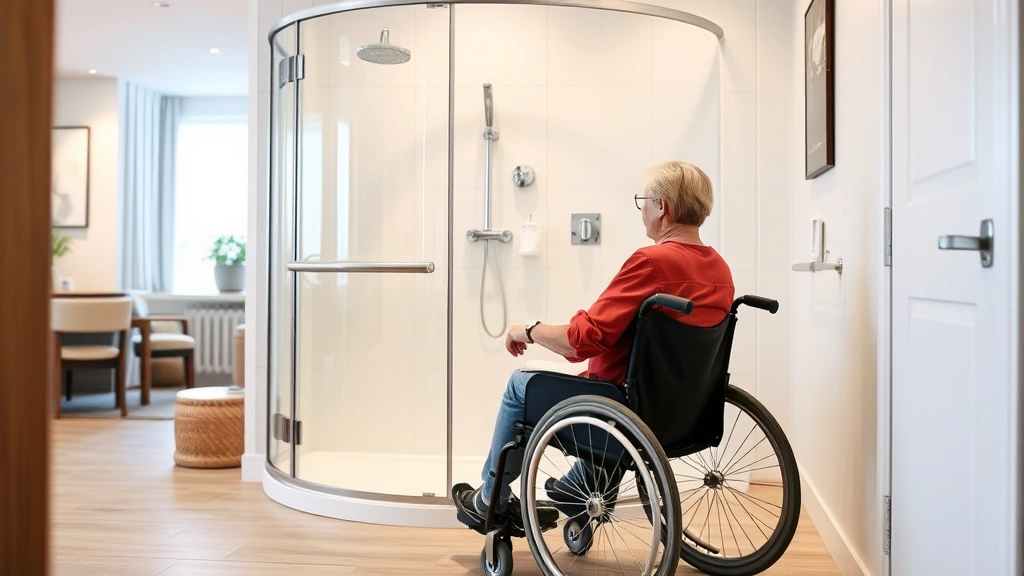
How to Get a Housing Accommodation Letter: Expert Tips
A housing accommodation letter is a critical legal document that formally requests modifications or allowances related to your living situation due to a disability or medical condition. Whether you need accessible parking, unit modifications, pet accommodations, or lease flexibility, an official housing accommodation letter provides the legal foundation for your landlord or property management to approve reasonable accommodations under fair housing laws.
Unlike generic medical documentation, a housing accommodation letter must meet specific legal standards and clearly articulate the functional limitations that necessitate the accommodation. This guide walks you through the entire process of obtaining an official housing accommodation letter, understanding what makes it legally valid, and ensuring your request receives proper consideration.
The right documentation can be the difference between a denied request and swift approval. Let’s explore how to navigate this process successfully.
What Is a Housing Accommodation Letter?
A housing accommodation letter is an official document written by a licensed healthcare provider that verifies your disability and explains why you need specific accommodations in your housing situation. This letter serves as evidence that your accommodation request is medically necessary and reasonable under the Fair Housing Act and Americans with Disabilities Act (ADA).
The letter differs from general medical documentation because it specifically addresses functional limitations related to housing. For example, rather than simply stating you have mobility issues, it explains how those mobility issues make stairs or inaccessible parking particularly problematic in your current living arrangement.
An official housing accommodation letter typically includes:
- Your diagnosis or medical condition (if appropriate to disclose)
- How the condition affects your ability to enjoy your home
- The specific accommodation you’re requesting
- Why that accommodation is necessary and reasonable
- The provider’s professional recommendation
- The provider’s credentials and contact information
This documentation creates a legal record that protects both you and your landlord, ensuring the accommodation process follows proper legal channels. When properly drafted, it significantly increases the likelihood of approval.

Legal Requirements and Standards
Housing accommodation letters must comply with specific legal standards to be considered valid by landlords and property managers. Understanding these requirements ensures your letter will hold up to scrutiny and cannot be easily dismissed.
Under the Fair Housing Act, landlords must provide reasonable accommodations to individuals with disabilities. The key word is “reasonable”—meaning the accommodation must be necessary to provide equal access to housing and not create undue financial or administrative burden.
Your letter must be written by a qualified healthcare provider licensed in your state. This includes physicians, psychiatrists, psychologists, nurse practitioners, physician assistants, and other licensed professionals with direct knowledge of your condition. The provider should not have a financial incentive beyond standard medical fees to approve your request.
The letter should be on official letterhead, dated, and signed by the provider. It must contain:
- Clear statement that you have a disability
- Explanation of functional limitations related to housing
- Nexus between your condition and the requested accommodation
- Professional recommendation for the accommodation
- Provider’s license number and contact information
The EEOC provides guidance on what constitutes adequate disability documentation. Your letter should meet these standards to avoid landlord pushback or requests for additional information.
Qualifying Medical Conditions
Nearly any condition that substantially limits a major life activity can qualify for housing accommodations. The definition of disability is broad under the ADA, and landlords cannot deny accommodations based on the severity or visibility of your condition.
Common conditions that support housing accommodation requests include:
- Mobility impairments: Arthritis, cerebral palsy, spinal cord injuries, amputation, multiple sclerosis
- Sensory disabilities: Blindness, deafness, low vision, hearing loss
- Chronic pain conditions: Fibromyalgia, complex regional pain syndrome, chronic fatigue syndrome
- Mental health conditions: PTSD, anxiety disorders, depression, bipolar disorder, schizophrenia
- Neurological conditions: Epilepsy, Parkinson’s disease, traumatic brain injury, cognitive disabilities
- Respiratory conditions: Asthma, COPD, cystic fibrosis, sleep apnea
- Autoimmune conditions: Lupus, rheumatoid arthritis, celiac disease
You don’t need a specific diagnosis to qualify—functional limitations matter more than the label. If your condition substantially limits your ability to perform major life activities like walking, sleeping, concentrating, or interacting with others, you likely qualify for accommodations.
Even conditions that are episodic or in remission qualify. If you have periods where your condition significantly impacts your housing needs, that’s sufficient for accommodation eligibility.
Step-by-Step Process to Obtain Your Letter
Step 1: Identify Your Healthcare Provider
Start by determining which licensed healthcare provider will write your letter. This should be someone with direct knowledge of your condition—ideally someone you’ve been seeing for at least a few months. If you don’t have an established relationship with a provider, consider scheduling an initial appointment before requesting the letter.
Step 2: Gather Your Medical Documentation
Before meeting with your provider, compile relevant medical records: diagnosis confirmation, treatment history, medication lists, test results, and notes about how your condition affects daily functioning. This gives your provider the information needed to write a comprehensive letter.
Step 3: Request the Letter Clearly
Schedule an appointment or contact your provider’s office and explicitly request a housing accommodation letter. Explain that you need documentation supporting your need for a specific accommodation in your rental housing. Provide details about what accommodation you’re requesting.
Step 4: Provide Specific Details
Give your provider information about your requested accommodation. For example: “I need ground floor housing due to my mobility limitations” or “I need an accessible parking space near my unit entrance.” The more specific you are, the more targeted your provider can make the letter.
Step 5: Allow Adequate Time
Don’t rush this process. Healthcare providers typically need 1-2 weeks to prepare a comprehensive letter. Some offices charge a fee ($50-300 depending on complexity), so ask about costs upfront.
Step 6: Review the Draft
If possible, ask to review the letter before final submission. Ensure it clearly connects your functional limitations to your accommodation need and includes all required information. You can request revisions if important details are missing.
Step 7: Request Official Copies
Ask for multiple copies on official letterhead with original signatures. Request that your provider keep a copy in your medical file for future reference.
Choosing the Right Healthcare Provider
The credibility of your letter depends significantly on who writes it. Landlords are more likely to accept letters from established providers with clear credentials and direct patient relationships.
Best Options:
- Your primary care physician who has treated you long-term
- A specialist treating your specific condition (cardiologist for heart disease, psychiatrist for mental health, etc.)
- Nurse practitioners or physician assistants with prescribing authority in your state
- Psychologists with doctoral degrees (PhD or PsyD) for mental health conditions
Less Ideal Options:
- Online telemedicine providers you’ve never met in person
- Providers you’ve only seen once or twice
- Non-licensed practitioners or counselors
- Providers from online letter mills with obvious financial incentives
While the law doesn’t prohibit any of these options, landlords may scrutinize letters from providers with no established relationship with you. Building a genuine provider relationship strengthens your documentation.
If you don’t have an established healthcare provider, consider seeing someone for a comprehensive evaluation before requesting the accommodation letter. This establishes medical necessity and gives the provider adequate basis for their recommendation.
Common Types of Housing Accommodations
Understanding common accommodation requests helps you articulate your own needs clearly. Your letter should specify exactly what you’re requesting.
Accessibility Modifications:
- Ground floor unit assignment (for mobility limitations)
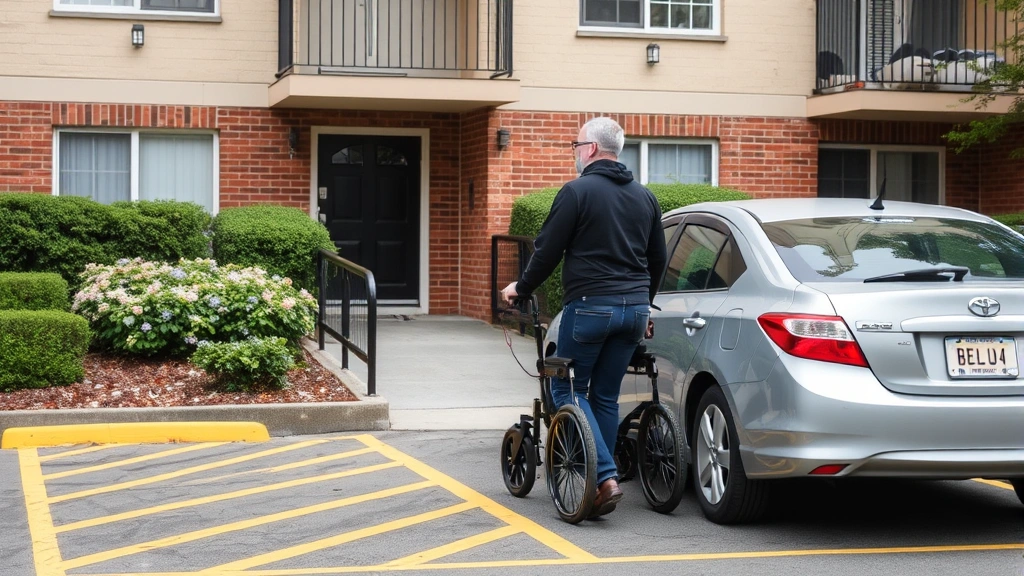
- Accessible parking space near unit entrance
- Ramp installation or threshold modification
- Grab bars or handrails in bathroom
- Widened doorways or hallways
- Accessible kitchen modifications
Pet-Related Accommodations:
- Service animal documentation (covered under separate legal framework)
- Emotional support animal (ESA) housing exemptions from no-pet policies
- Breed or size restriction waivers
Environmental Modifications:
- Allergen-free units or flooring changes
- Chemical-free housing environments
- Fragrance-free common areas
- Quiet housing away from noise sources
Policy Flexibility:
- Extended lease termination notice (for medical reasons)
- Early lease termination without penalty
- Flexible move-in dates for medical treatment
- Temporary occupancy modifications
Your disability verification letter for housing should clearly specify which accommodation you need and why.
What to Include in Your Request
When you formally request accommodations from your landlord, include your official letter along with a clear written request. Here’s what to include:
Your Written Request Should Contain:
- Date of request
- Your name and unit number
- Specific accommodation being requested
- Brief explanation of why it’s needed (without oversharing medical details)
- Proposed timeline for implementation
- Your contact information
- Signature
Attach:
- Original housing accommodation letter from your healthcare provider
- Copy of your lease (if relevant)
- Any supporting documentation (medical records, additional letters)
Delivery Method:
Send your request via email (with read receipt) or certified mail with return receipt. This creates a documented record of your request and the date received. Avoid verbal requests, which are difficult to prove later if disputes arise.
Your doctor-signed functional limitation verification letter carries significant legal weight when properly presented.
After You Receive Your Letter
What to Do Next
Once you have your official housing accommodation letter, take these steps:
- Make copies: Keep multiple copies for your records and future reference
- Store securely: Maintain digital and physical copies in a safe location
- Submit formally: Provide to your landlord with a written accommodation request
- Document everything: Keep records of all communications about your request
- Follow up: If you don’t receive a response within 5-10 business days, send a follow-up
If Your Request Is Denied
Landlords must provide written reasons for denying reasonable accommodations. If your request is denied, you have several options:
- Request clarification on why the accommodation is deemed unreasonable
- Provide additional documentation or modified requests
- File a complaint with your state or local fair housing agency
- Contact the HUD Fair Housing Hotline for guidance
- Consult with a disability rights attorney about legal action
Many denials can be overturned with proper documentation and persistence. Don’t accept an initial denial without exploring these options.
Renewing or Updating Your Letter
Your housing accommodation letter doesn’t expire, but you may want to update it if:
- Your condition changes significantly
- You move to a new property
- Your accommodation needs evolve
- Your healthcare provider changes
Keep your letter current by checking in with your provider annually. An updated letter strengthens your documentation if future disputes arise.
Understanding how to obtain an ADA disability verification letter helps you navigate the broader accommodation landscape.
FAQ
Can I get a housing accommodation letter online?
You can consult with healthcare providers online via telemedicine, but they should have established your medical history and current condition. Avoid letter mills that generate documents without genuine medical evaluation. The letter must be from a licensed provider with legitimate clinical basis for their recommendation.
How much does a housing accommodation letter cost?
Costs vary from $0 (if your regular provider writes it as part of normal care) to $300+ for comprehensive letters from specialists. Ask your provider about fees before requesting the letter. Many insurance plans cover the office visit cost even if there’s a separate documentation fee.
How long does it take to get a housing accommodation letter?
Typically 1-2 weeks for standard requests. Complex situations may require 2-4 weeks. Don’t wait until the last minute before you need the letter—start the process as soon as you identify the need.
Do I have to disclose my diagnosis to my landlord?
No. Your healthcare provider’s letter can describe functional limitations without disclosing your specific diagnosis. For example: “Patient has a mobility impairment that substantially limits walking and climbing stairs” rather than naming your condition. You control what personal health information you share.
What if my landlord says my letter isn’t valid?
Ask for specific reasons for the rejection. If your letter comes from a licensed provider and meets legal standards, it should be accepted. If your landlord continues to deny it, contact your local fair housing agency or HUD for assistance. You may have legal recourse if they’re discriminating based on disability.
Can I request accommodations without a letter?
You can make an informal request, but a formal letter from a healthcare provider significantly strengthens your position. Without documentation, landlords are more likely to deny requests or demand additional information. The letter protects your rights and creates a legal record.
What’s the difference between a housing accommodation letter and an ESA letter?
A housing accommodation letter documents general disability-related housing needs (accessibility, modifications, policy flexibility). An ESA letter specifically verifies that a pet provides emotional support and qualifies for housing exemptions. ESA letters have different legal standards and requirements than general accommodation letters.
Can my employer’s doctor write my housing accommodation letter?
Preferably not. Your housing accommodation letter should come from a provider in your personal healthcare relationship, not your employer’s occupational health provider. This avoids conflicts of interest and ensures the letter focuses on your housing needs rather than employment fitness.
How do I know if I actually qualify for accommodations?
If you have a condition that substantially limits major life activities (mobility, cognition, sensory function, self-care, etc.), you likely qualify. Consult with a healthcare provider who can evaluate your specific situation and determine whether your functional limitations warrant accommodations.
What if my landlord asks for more information after receiving my letter?
They can ask reasonable clarifying questions, but they cannot demand your medical records or diagnosis details beyond what’s in the letter. If requests become invasive, contact your local fair housing agency. You have the right to privacy while still proving accommodation necessity.