Court-Ready Housing Letter: Expert Guidance for Reasonable Accommodations
When disability or medical conditions impact your ability to live safely in standard housing, a court-ready reasonable accommodation letter becomes essential documentation. Whether you’re facing eviction, need to modify your lease, or require specific housing modifications due to a disability, a well-crafted letter from a qualified healthcare provider can significantly strengthen your legal position. Courts increasingly recognize housing accommodations as a protected right under the Fair Housing Act, and proper medical documentation is the foundation of a successful accommodation request.
This comprehensive guide explains how to obtain a court-ready housing letter, what elements make it legally defensible, and how to present it effectively in court proceedings. Understanding the intersection of medical documentation and housing law empowers you to advocate for the accommodations you need while maintaining your housing stability.
What Is a Court-Ready Housing Letter?
A court-ready housing letter is formal medical documentation that establishes the nexus between a disability or medical condition and the need for reasonable housing accommodations. Unlike general medical notes, these letters are specifically crafted to meet legal evidentiary standards and clearly articulate why standard housing would create hardship or pose safety risks.
The letter serves multiple purposes in court proceedings. It provides objective medical evidence supporting your accommodation request, demonstrates that your need is documented by a qualified professional, and establishes the functional limitations that necessitate specific modifications or lease changes. Courts rely on these letters to determine whether a landlord’s refusal to accommodate constitutes discrimination under federal fair housing law.
Key characteristics include professional letterhead, specific medical diagnoses (when appropriate), functional limitation descriptions, explicit accommodation recommendations, and the provider’s professional credentials. The tone remains clinical and factual rather than advocacy-focused, allowing the medical evidence to speak for itself in legal proceedings.
Legal Framework and Fair Housing Act Requirements
The Fair Housing Act (FHA), enforced by the Department of Housing and Urban Development (HUD), prohibits discrimination based on disability in housing. This includes refusing to make reasonable accommodations in rules, policies, practices, or services when necessary to afford a person with a disability equal opportunity to use and enjoy a dwelling.
A reasonable accommodation is any change to a rule, policy, practice, or service that enables a person with a disability to enjoy equal access to housing. The FHA requires landlords to engage in an interactive process with tenants requesting accommodations. Your disability verification letter for apartment documentation becomes critical evidence that you have a disability and require the specific accommodation.
Courts examine whether: (1) the person has a disability as defined by law, (2) the landlord knew or should have known about the disability, (3) the disability creates a need for the specific accommodation requested, and (4) the accommodation is reasonable and necessary. A well-documented housing letter addresses all four elements.
The Americans with Disabilities Act (ADA) and Section 504 of the Rehabilitation Act provide additional protections in certain housing contexts. Understanding which law applies to your situation helps ensure your letter includes appropriate legal references and documentation standards.
Essential Components of a Strong Letter
A court-ready housing letter must contain specific elements to withstand legal scrutiny. The following components distinguish a strong letter from insufficient documentation:
- Professional Letterhead: The letter must be printed on official healthcare provider letterhead, including name, title, license number, contact information, and medical credentials. This establishes the writer’s authority and qualifications.
- Specific Dates and Duration: Include the date the letter is written, when you began treatment with the provider, and the duration of the professional relationship. Courts need to verify the provider has adequate basis for their opinion.
- Clear Diagnosis or Functional Limitation: While privacy laws limit what must be disclosed, the letter should identify the disability or medical condition and explain its functional impact. Vague references to “medical conditions” weaken court arguments.
- Functional Limitations Description: Explain specifically how the disability affects your ability to use standard housing. Does it limit mobility, require accessibility modifications, necessitate proximity to treatment facilities, or require environmental controls?
- Nexus Statement: Explicitly connect the disability to the specific accommodation requested. This nexus—the causal relationship—is what courts examine most carefully. “Due to [diagnosis], the patient requires [specific accommodation].”
- Specific Accommodation Recommendation: Name the exact accommodation needed. Rather than “accessible housing,” specify “ground floor unit due to mobility limitations” or “unit with controlled humidity due to respiratory condition.”
- Professional Opinion Language: Use clear language stating “it is my medical opinion” or “in my professional judgment” to establish this is expert testimony, not casual observation.
- Signature and Credentials: The letter must be signed by a qualified healthcare provider. Include their license type, license number, and state of licensure.
These components work together to create a document that satisfies both medical documentation standards and legal evidentiary requirements. A housing letter lacking any of these elements may be challenged in court.

Medical Documentation Standards
Courts and housing authorities apply specific standards when evaluating medical documentation. Understanding these standards helps you work with your healthcare provider to create documentation that will be persuasive in legal proceedings.
Provider Qualification: The letter must be written by someone with legitimate authority to make medical judgments. Qualified providers include licensed physicians, licensed mental health professionals (psychologists, psychiatrists, clinical social workers, counselors), nurse practitioners, physician assistants, and in some contexts, occupational or physical therapists. The provider must be acting within their scope of practice.
Basis for Opinion: The provider should document their basis for the opinion. This might include medical history review, clinical examination, psychological testing, or other assessment methods. “Based on my evaluation and treatment of the patient” carries more weight than “based on patient report alone.”
Medical Evidence: While the letter itself is opinion, it should be grounded in objective medical findings when possible. References to test results, clinical observations, or established diagnostic criteria strengthen the letter’s credibility.
Consistency with Medical Records: Courts often obtain medical records to verify that the letter’s claims align with documented treatment history. Inconsistencies between the letter and medical records can undermine your case entirely.
Avoiding Speculation: Strong letters stick to what the provider can reasonably conclude from their professional expertise. Speculation about future conditions or outcomes weakens the letter’s persuasiveness.
When requesting a doctor note for workplace accommodation, similar standards apply. The documentation must be specific, grounded in clinical judgment, and clearly connected to functional limitations.
Common Housing Accommodations Supported by Letters
Housing letters support requests for diverse accommodations depending on individual disability-related needs. Understanding common accommodation categories helps you articulate your specific needs to your healthcare provider:
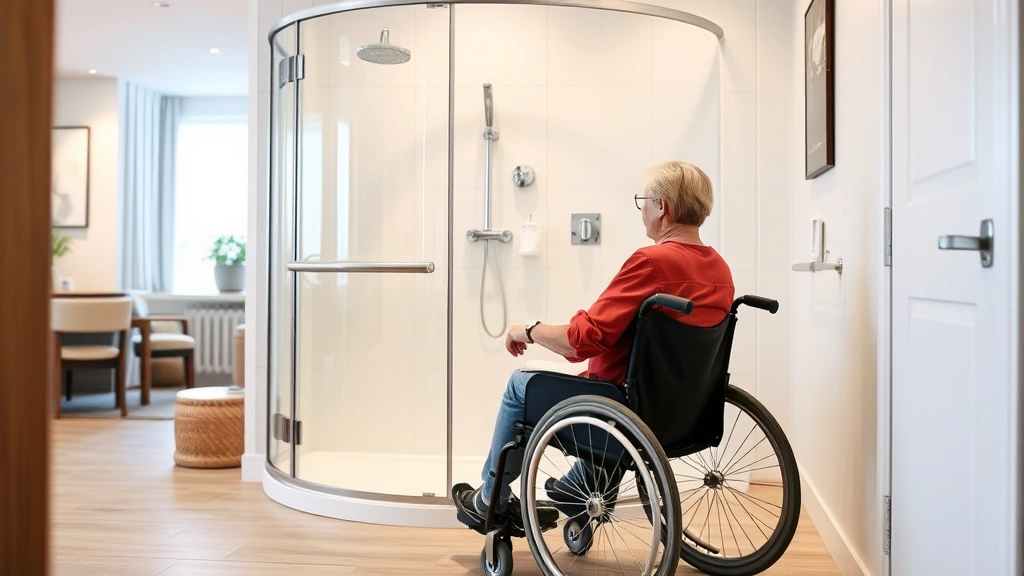
- Accessibility Modifications: Ramps, grab bars, widened doorways, accessible bathrooms, and other structural changes enabling wheelchair or mobility device access.
- Unit Location Changes: Ground floor units for mobility impairments, units away from noise sources for sensory processing disorders, proximity to elevators for cardiac or respiratory conditions.
- Environmental Controls: Humidity control for respiratory conditions, temperature regulation for autoimmune disorders, reduced lighting for migraine or vision impairments, air filtration for severe allergies.
- Service and Support Animals: Documentation supporting the need for an emotional support animal or service animal, distinguishing legitimate disability-related animals from pets.
- Lease Modifications: Changes to standard lease terms, such as permission for medical equipment, exceptions to pet policies for service animals, or modified notice requirements for medical emergencies.
- Lease Termination: Early lease termination due to medical hardship, as discussed in our guide to doctor letter to terminate apartment lease situations.
- Accessible Parking: Reserved or accessible parking spaces for mobility impairments, though these may also require disability verification letter for apartment documentation.
The strongest letters connect the specific disability to the specific accommodation, explaining why standard housing would create barriers or hardship.
How to Request One from Your Provider
Requesting a court-ready housing letter requires clear communication with your healthcare provider. Most providers are willing to write accommodation letters, but they need to understand what you’re requesting and why.
Timing: Request the letter well in advance of any court deadline or housing decision. Providers need time to write thoughtful letters, and rushing can result in incomplete documentation.
What to Provide: Give your provider context about your housing situation. Explain what accommodation you’re requesting and why it’s necessary. Provide any relevant documentation—lease terms, eviction notices, or housing authority correspondence—so your provider understands the stakes.
Specific Requests: Rather than asking for “a housing accommodation letter,” specify what you need. “I need a letter documenting my mobility limitations and explaining why I require a ground floor unit” gives your provider clear direction.
Discuss Functional Limitations: Have an honest conversation about how your condition affects daily activities and housing use. Providers write stronger letters when they fully understand your functional limitations.
Clarify the Purpose: Let your provider know if this letter may be used in court proceedings. This helps them understand the need for careful documentation and appropriate language.
Follow-Up: If your provider seems uncertain about what you need, offer to provide examples or templates. Many providers appreciate guidance about what documentation courts find persuasive.
If your regular provider cannot write the letter, consider whether a specialist treating your condition might be appropriate. For mental health accommodations, a therapist or psychiatrist is typically more persuasive than a primary care physician.
Presenting Your Letter in Court
Having a strong housing letter is only part of the battle. How you present it in court significantly impacts its persuasiveness. Strategic presentation maximizes the letter’s legal effect.
Legal Framework: Work with your attorney (if you have one) to frame the letter within relevant law. Reference the Fair Housing Act, explain how the letter satisfies legal elements, and connect the medical evidence to your housing rights.
Document Authenticity: Ensure the letter is original or certified. Courts may question photocopies or electronic versions. Have your provider confirm authenticity if challenged.
Provider Availability: In some cases, having your provider available to testify strengthens your position. Courts can question the provider directly about their findings, their basis for conclusions, and their professional expertise.
Supporting Documentation: Pair the letter with medical records, treatment history, and other evidence establishing the disability’s reality and severity. A letter standing alone is weaker than a letter supported by corroborating documentation.
Responsive to Landlord Arguments: Anticipate what your landlord might argue and ensure your letter addresses those points. If the landlord claims the accommodation is unreasonable, your letter should explain why it’s necessary and not unduly burdensome.
For complex legal situations, consulting with a fair housing attorney helps you understand how to present your letter most effectively. The Job Accommodation Network (JAN), while focused on employment, provides excellent resources about presenting accommodation documentation.

FAQ
Can my primary care doctor write a housing accommodation letter?
Yes, if your primary care doctor has adequate knowledge of your condition and its functional impact. However, specialists treating your specific condition often write more persuasive letters because they have deeper expertise. For mental health accommodations, mental health professionals are typically more credible than primary care physicians.
How specific should the letter be about my diagnosis?
The letter should be specific enough that a court can understand the connection between your condition and the accommodation requested. However, you retain privacy rights. Work with your provider to balance specificity with privacy. “Mobility impairment” may be sufficient if the letter explains functional limitations clearly.
What if my landlord argues the accommodation is unreasonable?
Your letter should address reasonableness by explaining why the accommodation is necessary and not unduly expensive or burdensome. Courts apply a reasonableness standard, but disability-related accommodations receive strong legal protection. If your landlord refuses without good reason, they may be violating fair housing law.
How long is a housing letter valid?
There’s no set expiration date, but older letters may be challenged if your condition has changed significantly. Courts prefer recent documentation—ideally within the past year. If substantial time passes, consider requesting an updated letter.
Do I need a lawyer to present a housing letter in court?
You can represent yourself, but having legal representation significantly improves your chances. Fair housing laws are complex, and an attorney knows how to present medical evidence persuasively. Many legal aid organizations provide free or low-cost representation in housing discrimination cases.
What’s the difference between a housing letter and a disability verification letter?
A disability verification letter confirms you have a disability, while a housing accommodation letter goes further by explaining the specific accommodation your disability requires and why it’s necessary. Housing letters are more detailed and directly connected to your accommodation request.
Can emotional support animals be documented in a housing letter?
Yes. A housing letter can document the need for an emotional support animal (ESA) by explaining the disability, the functional impairment the animal mitigates, and why the animal is necessary. This differs from service animal documentation, which involves different legal standards.
What if I’m facing eviction and need a letter urgently?
Contact your healthcare provider immediately and explain the urgency. Many providers can write letters quickly for eviction situations. If your regular provider cannot respond quickly, a specialist or urgent care provider familiar with your condition may be able to help. Document all communication attempts in case you need to explain delays to the court.
How does a housing letter differ from a medical hardship letter for court?
A housing accommodation letter documents disability-related needs for housing modifications. A medical hardship court letter addresses broader hardship circumstances. They serve different purposes, though both may be relevant in some eviction or housing cases.
Can I use a generic housing letter template?
Templates can provide helpful structure, but your letter must be personalized to your specific situation. Courts scrutinize boilerplate language. Work with your provider to create a letter addressing your unique condition, functional limitations, and accommodation needs.