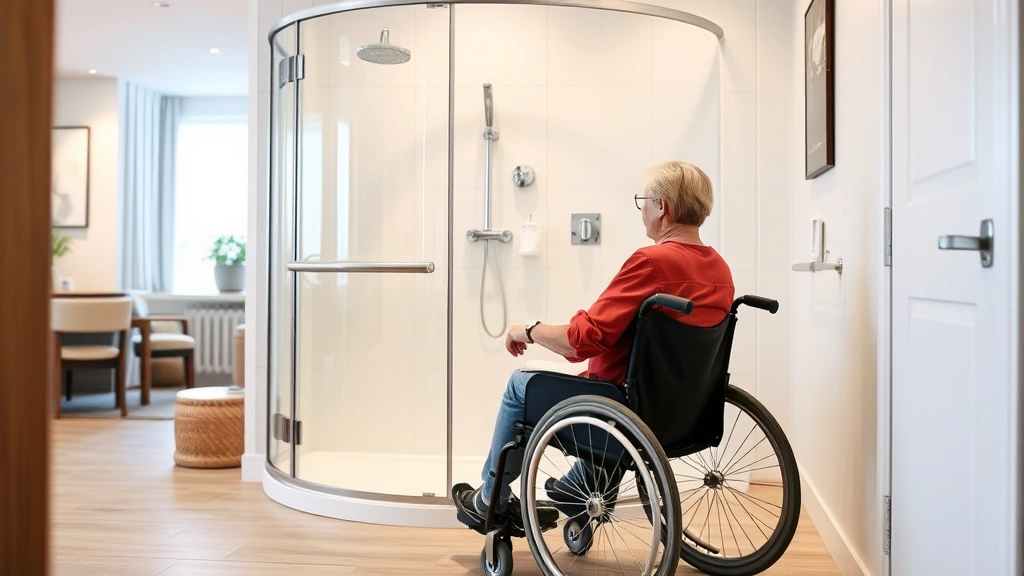

Doctor Letter for Housing: 2026 Essential Guide
A doctor letter for housing accommodation is a critical medical document that substantiates your need for specific living conditions or lease modifications due to diagnosed health conditions. Whether you require ground floor accessibility, allergen-free housing, early lease termination, or other environmental adjustments, a properly written physician letter carries significant legal weight under federal fair housing laws and the Americans with Disabilities Act (ADA).
In 2026, housing providers, landlords, and property managers are increasingly scrutinizing accommodation requests. A comprehensive doctor letter serves as your foundation for securing necessary housing modifications, negotiating lease terms, or establishing grounds for lease termination. This guide walks you through everything you need to know about obtaining, structuring, and leveraging a doctor letter for your housing needs.
What Is a Doctor Letter for Housing?
A doctor letter for housing is a formal medical document written by a licensed healthcare provider—typically your primary care physician, specialist, or mental health professional—that confirms you have a diagnosed medical condition and explains how that condition necessitates specific housing accommodations or modifications. Unlike casual medical notes, these letters are structured legal documents that address the functional limitations caused by your condition and connect those limitations directly to your housing needs.
The letter serves multiple purposes: it establishes medical credibility, documents your disability or health condition, explains the nexus between your condition and your requested accommodation, and provides landlords or housing authorities with the clinical justification they need to approve your request without violating fair housing laws. A well-crafted letter demonstrates that your accommodation request is medically necessary, not arbitrary or discriminatory.
In the current housing landscape, landlords are more cautious about accommodation requests than ever. A detailed, professionally written doctor letter significantly increases the likelihood of approval and reduces the risk of disputes or denials that could require legal intervention.
Legal Framework and Your Rights
Your right to housing accommodations is protected by several federal laws. The Fair Housing Act (FHA) explicitly prohibits discrimination based on disability and requires landlords to make reasonable accommodations in rules, policies, practices, or services when necessary to afford a person with a disability equal opportunity to use and enjoy a dwelling. The Americans with Disabilities Act (ADA) provides additional protections, and many state and local laws offer even broader safeguards.
A “reasonable accommodation” is any change or adjustment to a rule, policy, practice, or the physical environment that enables a person with a disability to enjoy equal access to housing. Examples include allowing service animals in no-pet buildings, modifying lease terms for medical reasons, permitting accessible parking spaces, or allowing early lease termination due to medical hardship. The key legal standard is that the accommodation must be necessary because of a disability-related need.
Your doctor letter is the primary evidence supporting your request. It demonstrates that you have a documented condition and that your requested accommodation is medically justified. Without this documentation, landlords have legal grounds to deny your request. The letter essentially shifts the burden: it shows that your request is based on medical necessity, not preference, and that denying it would violate fair housing protections.
When You Need a Doctor Letter for Housing
You should obtain a doctor letter for housing in several scenarios:
- Accessibility modifications: If you need ground floor housing, wider doorways, accessible bathrooms, or other physical modifications to accommodate mobility limitations, arthritis, chronic pain, or neurological conditions.
- Allergen-free or environmental accommodations: If you have documented allergies, asthma, environmental sensitivities, or immunocompromised conditions requiring allergen-free units, smoke-free buildings, or specific ventilation.
- Service animal or ESA requests: If you have a service animal or emotional support animal and need to override no-pet policies, you’ll need documentation of your disability and the animal’s necessity.
- Lease termination or modification: If you need to break your lease early due to medical hardship, relocate for medical treatment, or modify lease terms due to health conditions, a doctor letter provides legal justification.
- Reduced noise or private outdoor space: If you have PTSD, anxiety disorders, sensory processing issues, or conditions exacerbated by noise, you may need a quieter unit or private outdoor access.
- Accessible parking: If you have mobility limitations, chronic pain, or conditions affecting your ability to walk long distances, you may need designated accessible parking near your unit.
Essentially, whenever your housing request is rooted in a medical or disability-related need, a doctor letter strengthens your position and provides legal documentation that landlords cannot easily dismiss.

” alt=”Doctor reviewing medical accommodation request at desk with patient”/>
Essential Components of an Effective Letter
An effective doctor letter for housing must include specific elements to carry maximum legal weight:
- Letterhead: The letter should be written on the physician’s official letterhead, including the doctor’s name, credentials, license number, office address, phone number, and email.
- Date and patient identification: Include the date the letter is written and clearly identify you as the patient (using your full name as it appears on your lease or housing application).
- Diagnosis or condition: The letter should state your diagnosis or documented health condition in clear terms. Vague references like “chronic illness” are less effective than “Major Depressive Disorder with Anxiety” or “Rheumatoid Arthritis.”
- Functional limitations: Describe how your condition functionally limits you. For example: “The patient experiences severe pain with prolonged standing and walking, limiting mobility to approximately 100 feet before requiring rest.”
- Nexus to accommodation: Explicitly connect your functional limitations to your requested accommodation. Example: “Due to these mobility limitations, the patient requires ground floor housing to safely access the unit without using stairs, which exacerbate joint pain and fall risk.”
- Medical necessity statement: Include a clear statement that the accommodation is medically necessary, not optional or preferential. Phrases like “medically necessary,” “essential,” or “required for equal access” are important.
- Duration: Specify how long the accommodation is needed (ongoing, temporary, expected duration).
- Objective evidence: Reference clinical findings, test results, or observable symptoms that support your condition. This strengthens credibility.
- Physician signature and credentials: The letter must be personally signed by the healthcare provider, not merely typed with a signature line. Include the physician’s credentials (MD, DO, PhD, LCSW, etc.).
The letter should be professional, concise, and focused on medical facts rather than emotional appeals. While empathy matters, landlords respond to clinical documentation and clear legal justification.
How to Request a Letter From Your Physician
Requesting a doctor letter requires preparation and clear communication:
- Schedule a dedicated appointment: Don’t ask for the letter as an afterthought at the end of a regular visit. Request a specific appointment to discuss your housing accommodation needs and the documentation required.
- Provide written context: Bring a written summary of your housing situation, your specific accommodation request, and why it’s medically necessary. This helps your doctor understand the connection between your condition and your need.
- Be specific about your accommodation: Don’t ask for a generic “disability letter.” Specify exactly what accommodation you need: ground floor housing, allergen-free unit, early lease termination, accessible parking, etc.
- Explain the stakes: Help your doctor understand that without proper documentation, your landlord may deny your request. This motivates them to write a comprehensive, legally sound letter.
- Ask about the timeline: Request a realistic timeline for the letter. Most offices can produce letters within 3-5 business days, but some take longer.
- Clarify the format: Ask if they prefer to send the letter directly to your landlord (more formal) or to you in a sealed envelope (gives you control over presentation).
- Offer to cover costs: Some practices charge a fee for letters ($50-150). Offering to pay upfront removes barriers to timely completion.
If your primary care doctor is hesitant or unfamiliar with housing accommodations, consider consulting a specialist more directly involved in your care. A mental health professional, rheumatologist, or other specialist may be more comfortable writing detailed accommodation letters.
Common Housing Accommodations Supported by Doctor Letters
Doctor letters support a wide range of housing accommodations in 2026:
- Ground floor or elevator-accessible housing: Documented mobility issues, arthritis, spinal cord injury, chronic pain, or conditions affecting balance and fall risk.
- Allergen-free or environmentally controlled units: Severe allergies, asthma, COPD, immunocompromised status, or chemical sensitivities.
- Service animals and emotional support animals: Disabilities where an animal provides specific assistance or therapeutic benefit. See our guide on housing accommodation letters online for ESA documentation.
- Accessible parking: Mobility limitations, chronic pain, cardiovascular conditions, or neurological disorders affecting walking distance tolerance.
- Modified lease terms: Early termination, rent reduction, temporary leave of absence, or other lease modifications due to medical hardship.
- Quiet or private unit: PTSD, anxiety disorders, autism spectrum disorder, sensory processing disorder, or conditions exacerbated by noise.
- Pet ownership (non-service animals): Mental health conditions where pet companionship is therapeutically beneficial, though this requires careful documentation distinguishing ESAs from service animals.
- Accessible bathroom or kitchen: Mobility limitations, chronic conditions, or disabilities requiring modified fixtures or grab bars.
- Smoke-free building or unit: Respiratory conditions, asthma, COPD, or immunocompromised status requiring smoke-free environment.
For more detailed guidance on legally breaking a lease for health reasons, consult additional resources specific to your situation.
Presenting Your Letter to Your Landlord
How you present your doctor letter significantly impacts its effectiveness:
- Timing: Submit the letter promptly when making your accommodation request. Don’t wait months—the sooner your landlord receives documentation, the sooner they can process your request.
- Formal request: Accompany the letter with a formal written accommodation request (email or certified letter) that clearly states what you’re requesting and why. Reference the attached medical documentation.
- Professional presentation: Ensure the letter is clean, legible, and properly formatted. If it arrives via email, send it as a PDF to prevent accidental alterations.
- Keep copies: Retain copies for your records. You may need to provide it to multiple parties (landlord, property manager, housing authority) or reference it in future disputes.
- Don’t over-share: Provide only the information necessary to support your accommodation request. You’re not obligated to disclose your entire medical history, medications, or diagnosis details beyond what’s necessary to justify the accommodation.
- Follow up in writing: After submitting your letter, follow up in writing (email or certified mail) within 3-5 business days to confirm receipt and request a timeline for a decision.
Under the FHA, landlords must respond to reasonable accommodation requests in a timely manner. While no specific deadline is mandated, most jurisdictions expect responses within 10-30 days. If your landlord ignores your request or denies it without justification, you have grounds for complaint.
What If Your Landlord Denies Your Request?
If your landlord denies your accommodation request despite your doctor letter, you have several options:
- Request written explanation: Ask your landlord to provide written reasons for the denial. Under FHA guidelines, denials must be justified—”no pets” or “no exceptions” aren’t valid reasons if you have medical documentation.
- Escalate within the property: If a property manager denied your request, appeal to the owner or management company. Sometimes decision-makers at different levels will reconsider.
- Strengthen your documentation: If your doctor letter lacked specific details, request a supplemental letter addressing the landlord’s concerns or providing additional clinical evidence.
- Consult a fair housing attorney: If informal attempts fail, an attorney specializing in fair housing can send a demand letter or file a complaint on your behalf. Many offer free consultations.
- File a fair housing complaint: You can file a complaint with the U.S. Department of Housing and Urban Development (HUD) or your state’s fair housing agency. Complaints must be filed within one year of the alleged violation.
- File a judicial complaint: For serious violations, you may file a lawsuit in federal court. If you win, you can recover damages, attorney’s fees, and injunctive relief (court order to provide the accommodation).
For legal guidance specific to lease termination disputes, see our resource on doctor letters to break lease for court. Additionally, the Job Accommodation Network (JAN), while primarily focused on workplace accommodations, provides excellent general information on disability rights and reasonable accommodations.
Most landlords approve reasonable accommodation requests when presented with credible medical documentation. Denials are often based on misunderstanding of fair housing law or overly cautious legal interpretation. Persistence, clear communication, and professional documentation typically resolve disputes without litigation.
FAQ
Can my therapist write a housing accommodation letter?
Yes. Licensed mental health professionals—including therapists, psychologists, psychiatrists, and clinical social workers—can write housing accommodation letters, particularly for conditions like anxiety, depression, PTSD, or other mental health diagnoses. Their credentials and clinical expertise carry equal weight to physicians’ letters.
How long is a doctor letter for housing valid?
Most landlords accept letters written within the past 6-12 months. For ongoing conditions, one letter typically suffices indefinitely unless your landlord specifically requests updated documentation. If your condition changes significantly, obtain a new letter reflecting your current status.
Do I have to disclose my diagnosis to my landlord?
No. You only need to disclose enough information to justify your accommodation request. A letter stating “The patient has a documented disability requiring ground floor housing” is sufficient if you prefer privacy. However, more specific clinical information strengthens your case.
Can my landlord require a specific doctor to evaluate me?
Generally, no. Under fair housing law, you have the right to use your own healthcare provider. Landlords cannot require you to see their chosen doctor unless they have legitimate reasons to question the medical credibility of your letter (which is rare).
What if I don’t have an established relationship with a doctor?
Obtain one quickly. See your primary care doctor, visit an urgent care clinic, or consult a telehealth provider to establish documented medical care. A letter from a provider who has recently evaluated you carries more weight than one from someone unfamiliar with your current health status.
How much does a doctor letter for housing cost?
Costs vary widely: $0-50 if your doctor provides it as part of your care, $50-150 if they charge a separate documentation fee. Some practices include letters at no charge for established patients. Ask upfront and budget accordingly.
Can I use the same letter for multiple purposes?
Possibly, but ideally, tailor each letter to its specific purpose. A letter for housing accommodations should focus on housing-related functional limitations. If you also need documentation for disability benefits, workplace accommodations, or court proceedings, request letters specifically addressing those contexts.
What if my landlord asks for medical records instead of just a letter?
You’re not obligated to provide full medical records. A doctor letter is sufficient documentation of disability and accommodation necessity. If your landlord insists on records, consult a fair housing attorney—this may constitute an overly intrusive request that violates privacy laws.
Is a telehealth doctor’s letter valid for housing accommodations?
Yes, as long as the provider is properly licensed and has evaluated you clinically (not just reviewed existing records). Telehealth doctors are licensed healthcare providers and their letters carry equal legal weight. Document the provider’s credentials and license state clearly in the letter.
Can I request my medical hardship letter to landlord be confidential?
You can request confidentiality, but once you submit a letter to your landlord, they control its confidentiality. Your landlord may share it with property managers, attorneys, or others involved in processing your request. Don’t include information you’re unwilling to have disclosed.