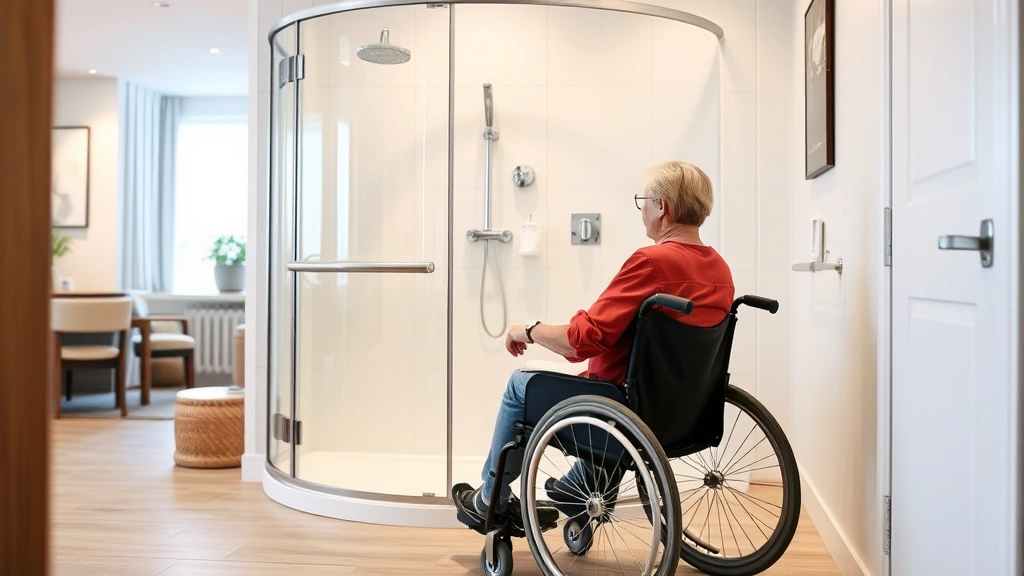
Remote Work Housing Letter: Expert Guidance
If you have a medical condition that makes remote work medically necessary, you may need to provide documentation to your landlord or housing provider explaining why you require housing that supports a remote work arrangement. A remote work accommodation letter for housing serves as official medical documentation that bridges your workplace needs with your residential requirements—ensuring your living situation aligns with your health and functional limitations.
Many individuals with chronic illnesses, mobility impairments, immunocompromised conditions, or mental health disorders benefit significantly from remote work arrangements. However, landlords and housing providers may question why these workplace accommodations affect housing decisions, such as lease modifications, unit transfers, or early lease termination. A properly drafted letter from a licensed healthcare provider clarifies the medical necessity and creates a legally defensible record.
This comprehensive guide explains how to obtain a remote work housing letter, what it should contain, and how to use it effectively when communicating with your landlord or housing provider.
Understanding Remote Work Housing Letters
A remote work housing letter is medical documentation that explains why your health condition requires you to live in a specific type of housing that supports remote work. Unlike a standard workplace accommodation letter, which focuses on job performance and employer obligations, a housing letter connects your medical needs to residential requirements.
This distinction matters legally. Under the Fair Housing Act, landlords must provide reasonable accommodations to tenants with disabilities. A remote work housing letter provides the medical foundation necessary to request accommodations such as:
- Lease modifications allowing flexible terms or early termination
- Unit transfers to ground-floor apartments (if mobility is affected)
- Permission to modify the unit (installing ramps, grab bars, or enhanced internet infrastructure)
- Allowance for service animals or emotional support animals
- Reduced noise disturbances or quiet hours for concentration-related disabilities
- Accessible parking spaces near the unit entrance
The letter essentially translates your medical condition into housing-specific language, demonstrating that remote work is not optional but medically necessary for your health and safety. This creates a clear, documented reason for housing accommodations that landlords cannot legally deny without substantial justification.
Medical Conditions That Qualify
A wide range of medical conditions can warrant a remote work housing letter. The key criterion is that the condition creates functional limitations that make remote work medically necessary. Here are common qualifying conditions:
- Immunocompromised Conditions: HIV/AIDS, cancer treatment, organ transplant recipients, severe autoimmune disorders—these individuals require home-based work to avoid exposure to pathogens in commuting and office environments.
- Mobility Impairments: Severe arthritis, spinal cord injuries, cerebral palsy, muscular dystrophy—conditions that make commuting physically exhausting or impossible may require housing near reliable internet and ergonomic home office setups.
- Chronic Pain Disorders: Fibromyalgia, complex regional pain syndrome, severe migraines—conditions triggered by commuting stress, fluorescent lighting, or office noise benefit from controlled home environments.
- Respiratory Conditions: Severe asthma, COPD, cystic fibrosis—individuals with respiratory sensitivities need to avoid air quality issues in public transit and shared office spaces.
- Neurological Disorders: Multiple sclerosis, Parkinson’s disease, traumatic brain injury—conditions affecting energy levels, cognitive function, or motor control often improve with remote work flexibility.
- Mental Health Conditions: Severe anxiety, PTSD, agoraphobia, panic disorder—individuals may require home-based work to manage symptoms and access mental health support without workplace triggers.
- Chronic Fatigue Syndrome: ME/CFS creates extreme energy limitations; remote work eliminates commuting fatigue, allowing energy conservation for work tasks.
- Sensory Disabilities: Blind or deaf individuals may require specially configured home offices; remote work eliminates accessibility barriers in commuting and traditional office spaces.
Your specific condition does not need to be on this list. What matters is that your healthcare provider can document how your condition creates functional limitations that make remote work medically necessary and how your housing situation supports this medical requirement.
Key Components of an Effective Letter
A strong remote work housing letter includes specific elements that satisfy both medical and legal standards. Here’s what should be included:
- Provider Credentials: The letter must be written on official letterhead from a licensed healthcare provider (MD, DO, NP, PA, psychologist, or psychiatrist) who has personally evaluated you. Include the provider’s license number, contact information, and credentials.
- Patient Identification: Your full name, date of birth, and the dates of your medical relationship with the provider establish that this is a legitimate therapeutic relationship, not a casual assessment.
- Medical Diagnosis: The letter should state your diagnosis(es) clearly. This does not require disclosing all details of your condition, but the diagnosis must be specific enough to establish credibility (e.g., “Major Depressive Disorder with Agoraphobic Features” rather than vague statements like “mental health condition”).
- Functional Limitations: Describe how your condition affects your ability to work in traditional office environments or commute to a workplace. For example: “Due to severe immunosuppression from cancer treatment, Mr. Smith faces significant risk of opportunistic infections through public transit and shared office spaces.” Or: “Ms. Johnson’s severe agoraphobia and panic disorder are triggered by commuting and create functional limitations that prevent reliable office attendance.”
- Medical Necessity Statement: Explicitly state that remote work is medically necessary, not a preference. Example: “Remote work is medically necessary for Mr. Chen’s health and safety, as it eliminates commuting-related triggers that exacerbate his complex regional pain syndrome.”
- Housing Connection: Explain how housing relates to the medical necessity of remote work. For instance: “Because remote work is medically necessary for Ms. Patel’s condition, stable housing that supports a functional home office—including reliable internet access, a dedicated workspace, and a quiet environment—is integral to her treatment plan and functional capacity.”
- Timeline: Indicate how long the remote work accommodation is expected to be necessary (e.g., “ongoing,” “at least 12 months,” or “until medical reassessment in [date]”).
- Professional Signature: The provider must sign and date the letter personally. Electronic signatures are typically acceptable; stamped or printed signatures are not.

How to Obtain Your Letter
Obtaining a remote work housing letter requires working with a licensed healthcare provider who understands both your medical condition and the documentation requirements. Here are your options:
Option 1: Request From Your Current Provider
If you already have an established relationship with a doctor, psychiatrist, psychologist, or nurse practitioner, start here. Contact their office and request a letter documenting that remote work is medically necessary and explaining how housing supports this accommodation. Many providers will write this letter at no cost or for a modest fee ($50–$150). Provide your provider with:
- A brief explanation of why you need the letter (e.g., landlord accommodation request)
- Specific housing-related concerns you’re addressing
- The key components of an effective accommodation letter
Your provider already knows your medical history, which makes this the fastest and most cost-effective path.
Option 2: Telehealth Medical Services
If you don’t have an established provider or your current provider refuses to write the letter, telehealth platforms specializing in accommodation letters can connect you with licensed healthcare providers. Services like Arvix Health offer:
- Virtual consultations with licensed physicians, nurse practitioners, or psychologists
- Providers who understand accommodation documentation requirements
- Same-day or next-day letter delivery in many cases
- Professional letters on official medical letterhead
When using telehealth services, ensure the provider is genuinely licensed (verify through your state’s medical board) and that the service operates within legal and ethical guidelines. Avoid services that guarantee letters without proper evaluation or that charge exorbitant fees.
Option 3: New Provider Evaluation
If you’re seeking a new healthcare provider anyway, schedule an evaluation specifically mentioning your need for accommodation documentation. Many providers will incorporate this into your initial assessment at no additional cost.
Using the Letter With Your Landlord
Once you have your remote work housing letter, present it strategically to your landlord. Here’s how to maximize its effectiveness:
Timing and Format
Provide the letter in writing—email or certified mail—rather than verbally. Written communication creates a documented record of your request and the landlord’s response. Format your request professionally:
- Address the landlord or property manager by name
- Clearly state the accommodation you’re requesting (e.g., “lease modification,” “unit transfer,” “early lease termination for medical hardship”)
- Attach the medical letter as supporting documentation
- Include a brief explanation of how the accommodation addresses your medical needs
- Propose a timeline and next steps
Privacy Considerations
You are not required to disclose your diagnosis to your landlord. Many landlords will accept a letter that states “medical condition” without specific diagnosis details. However, more specific information (e.g., immunocompromised, mobility impairment) sometimes strengthens your request. Discuss with your healthcare provider what level of detail is appropriate for your situation.
Common Landlord Responses
Landlords may request additional information, deny the request, or propose alternative accommodations. If your landlord denies a reasonable accommodation request supported by medical documentation, you may have legal recourse under the Fair Housing Act. Contact your local HUD office or a fair housing organization for guidance.
If your landlord requests to verify your provider’s credentials or contact them directly, you can provide the provider’s contact information, though the provider is not obligated to discuss your case without your explicit consent.

Legal Protections and Fair Housing
Your right to request housing accommodations based on medical necessity is protected by federal law. Understanding these protections ensures you can advocate effectively for yourself.
Fair Housing Act Protections
The Fair Housing Act prohibits landlords from discriminating against tenants with disabilities. A disability includes any condition that substantially limits major life activities—which includes working. If your medical condition creates functional limitations, you are protected. Your landlord must provide reasonable accommodations unless doing so creates undue financial or administrative burden.
What Constitutes Reasonable Accommodation?
Reasonable accommodations in the housing context include:
- Modifying lease terms to allow remote work setup (e.g., installing a home office workspace)
- Allowing lease termination due to medical hardship (when relocation is necessary for health reasons)
- Transferring to a more accessible unit
- Permitting modifications to the unit (high-speed internet installation, ergonomic furniture, noise reduction measures)
- Providing accessible parking
Accommodations are considered unreasonable only if they impose substantial costs or fundamentally alter the landlord’s business operations. For most remote work requests, this threshold is rarely met.
Documentation Requirements
Landlords can request reliable documentation of disability and the need for accommodation. A letter from a licensed healthcare provider satisfies this requirement. Landlords cannot request your medical records, detailed diagnoses, or treatment history—only confirmation that a disability exists and that the accommodation is medically necessary.
Learn more about medical disability documentation from licensed doctors to ensure your letter meets legal standards.
If Your Request Is Denied
If your landlord denies a reasonable accommodation request without legitimate justification, you have options:
- Document Everything: Keep copies of your request, the medical letter, and the landlord’s response.
- Send a Formal Demand Letter: Have an attorney send a formal request for reconsideration, referencing Fair Housing Act protections.
- File a Complaint: Contact HUD’s Fair Housing Hotline (1-800-669-9777) to file a discrimination complaint.
- Seek Legal Counsel: A fair housing attorney can advise you on your specific situation and pursue remedies if necessary.
Many landlords respond positively to well-documented accommodation requests. When they don’t, legal protections exist to protect your rights.
FAQ
Can I use a remote work accommodation letter to break my lease?
Yes, if your medical condition creates a genuine need to relocate and remote work is medically necessary for your current living situation. This is considered a medical hardship. Learn more about breaking your lease for medical reasons. Your landlord is not legally required to terminate the lease, but they must consider your request reasonably. If they refuse without justification, you may have fair housing protections.
Does my landlord have to accept a telehealth-provided letter?
Yes, as long as the letter is from a genuinely licensed healthcare provider and follows proper medical documentation standards. The source of the letter (established provider vs. telehealth) does not matter legally. What matters is that the provider is licensed and the letter is professional and credible.
What if my landlord asks for my diagnosis?
Your landlord can ask for confirmation that you have a disability and that the accommodation is medically necessary. You are not required to disclose your specific diagnosis. A letter stating “medical condition” or “disability” is sufficient, though more specific information (e.g., “mobility impairment,” “immunocompromised condition”) sometimes strengthens your request.
How long is a remote work accommodation letter valid?
There is no legal expiration date, but landlords may request updated documentation if circumstances change significantly or if the letter is several years old. Many providers recommend updating the letter every 2–3 years to ensure it reflects your current medical status.
Can I get a remote work housing letter if I’m self-employed?
Yes. Self-employment status does not affect your right to housing accommodations. The letter should document that remote work is medically necessary for your health, regardless of your employment structure.
What if I’m currently working in an office but want to transition to remote work for health reasons?
A remote work housing letter documents the medical necessity of remote work and how housing supports this accommodation. You would typically obtain this letter while discussing with your employer the need for workplace accommodation. The housing letter then supports your request for accommodations that enable the remote work arrangement (e.g., housing that supports a functional home office).
Is a remote work accommodation letter the same as an ESA letter?
No. A remote work accommodation letter documents medical necessity for remote work arrangements and housing support. An ESA letter (emotional support animal letter) documents the medical necessity of an emotional support animal for housing purposes. They serve different functions, though both are fair housing protections. You may need both if your condition requires both remote work and an ESA.