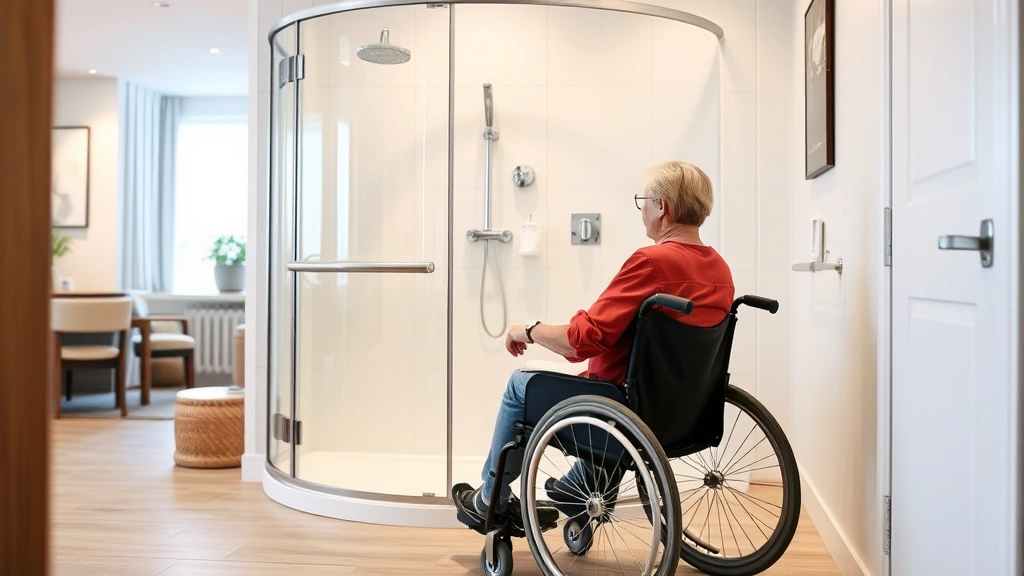

Apartment Accommodation: Legal Medical Letter Guide
Finding suitable housing can be challenging when you have a medical condition that requires specific accommodations. Whether you need a ground-floor unit due to mobility limitations, an allergen-free environment for respiratory conditions, or modifications to support your health needs, a legally sound medical letter is your most powerful tool. This comprehensive guide explains how to obtain and use a medical letter for apartment accommodation, ensuring your request is taken seriously by landlords and property managers.
A medical letter for apartment accommodation serves as official documentation that your condition necessitates specific housing modifications or unit features. Unlike casual requests, a doctor-signed letter carries legal weight under the Fair Housing Act and Americans with Disabilities Act, making it difficult for landlords to deny reasonable requests without facing potential discrimination claims. Understanding how to request, structure, and present this documentation will significantly improve your chances of securing the housing accommodations you need.
What Is a Medical Letter for Apartment Accommodation?
A medical letter for apartment accommodation is official documentation from a licensed healthcare provider that verifies your medical condition and explains why you need specific housing modifications or unit features. This letter differs from a casual doctor’s note—it’s a formal, detailed document that serves as legal evidence of your functional limitations and accommodation needs.
The letter essentially tells your landlord: “This person has a documented medical condition that requires these specific accommodations to ensure equal access to housing.” It transforms your request from a preference into a legal necessity, which landlords cannot ignore without exposing themselves to fair housing violations.
Medical letters for apartment accommodation typically include your diagnosis (or functional limitations, if diagnosis is not disclosed), how your condition affects your ability to live in standard housing, and what specific accommodations would allow you to enjoy your apartment safely and comfortably. A strong medical letter is specific, professional, and grounded in medical evidence.
Legal Framework and Fair Housing Protections
Your right to request apartment accommodations is protected by federal law. The Fair Housing Act prohibits discrimination based on disability and requires landlords to make reasonable accommodations in rules, policies, practices, or services when necessary to afford a person with a disability equal opportunity to use and enjoy a dwelling. This includes physical modifications to units.
The Americans with Disabilities Act (ADA) similarly protects your right to request accommodations. Additionally, many state and local laws provide even stronger protections. Understanding these legal foundations empowers you to advocate effectively for your needs.
A medical letter strengthens your legal position because it provides objective, professional evidence of your disability and accommodation needs. When you have documentation from a licensed provider, landlords know that denying your request without legitimate, non-discriminatory reasons exposes them to potential legal liability. This is why obtaining a proper functional limitation verification letter can be so valuable.
When You Need a Medical Letter for Housing
You should obtain a medical letter for apartment accommodation if you need:
- Physical unit modifications: Grab bars, ramps, widened doorways, accessible bathrooms, or kitchen modifications
- Unit location changes: Ground floor access due to mobility limitations or inability to use stairs
- Environmental accommodations: Allergen-free units, smoke-free buildings, pet-friendly policies for service animals or emotional support animals
- Accessibility features: Accessible parking spaces, elevator access, or proximity to entrances
- Lease modifications: Extended move-in periods, flexible lease terms, or early termination options for medical reasons
- Policy exceptions: Exemptions from pet restrictions for service animals or emotional support animals
Even if you’re unsure whether your need qualifies as a “reasonable accommodation,” it’s better to request a medical letter. The legal determination of reasonableness is ultimately made through the interactive process between you and your landlord, and having professional documentation strengthens your position.
How to Request a Medical Letter From Your Doctor
The process of requesting a medical letter begins with clear communication with your healthcare provider. Here’s how to approach this conversation effectively:
Schedule a dedicated appointment. Don’t try to squeeze this request into a routine visit. Schedule a specific appointment to discuss your housing needs and explain why you need documentation. This gives your doctor time to thoughtfully prepare the letter.
Come prepared with details. Write down the specific accommodations you need and why. For example: “I need a ground-floor apartment because I have severe arthritis and cannot climb stairs safely.” The more specific you are, the easier it is for your doctor to write a compelling letter.
Explain the legal context. Let your doctor know this letter is for a fair housing accommodation request. Many doctors appreciate understanding the purpose of documentation, and explaining the legal framework helps them understand why the letter needs to be detailed and formal.
Ask about medical letter services. If your doctor’s office doesn’t regularly write accommodation letters, ask if they can refer you to a telemedicine platform that specializes in this documentation. Services like Arvix Health connect you with licensed providers who understand how to write legally defensible accommodation letters. This is similar to obtaining a medical workplace accommodation letter, but adapted for housing.
Provide a template or example. If your doctor seems uncertain about what to include, offer to provide a template or example of what housing accommodation letters typically contain. This isn’t pushy—it’s helpful guidance that makes the doctor’s job easier.
Ask about turnaround time. Confirm when the letter will be ready and whether there are any associated fees. Some doctors provide letters free of charge as part of patient care; others may charge a small fee.
Essential Components of a Valid Medical Letter
A legally defensible medical letter for apartment accommodation must include specific elements. While there’s no single required format, courts and fair housing agencies expect these components:
Provider credentials and contact information. The letter must be on official letterhead from a licensed healthcare provider (MD, DO, NP, PA, psychologist, or other qualified professional). Include the provider’s name, license number, clinic/office name, phone number, and address. This allows landlords to verify the letter’s authenticity if needed.
Patient identification and relationship confirmation. The letter should confirm that you are an established patient and state how long the provider has been treating you. A letter from a provider who saw you once carries less weight than one from someone who has treated you for years. However, even new patient letters can be valid if the provider has conducted a thorough evaluation.
Diagnosis or functional limitations. The letter should describe your medical condition or functional limitations. You have the right to privacy, so the letter doesn’t need to disclose your specific diagnosis if you prefer—it can simply describe functional limitations. For example: “The patient has a chronic condition that significantly limits their mobility and ability to navigate stairs or uneven surfaces.”
Nexus between condition and accommodation need. This is critical. The letter must explain the medical connection between your condition and why you need the specific accommodation. For example: “Due to severe arthritis affecting the patient’s knees and hips, climbing stairs causes pain and increases fall risk. A ground-floor unit is medically necessary to ensure safe access to the apartment.”
Specific accommodation request. List the exact accommodations you need. Be specific rather than vague. Instead of “accessible unit,” write “ground-floor apartment with accessible bathroom and grab bars.”
Medical necessity statement. Include a clear statement that the accommodations are “medically necessary” or “necessary to provide the patient equal access to housing.” This language is important for legal purposes.
Signature and date. The letter must be signed and dated by the healthcare provider. An unsigned letter carries no legal weight.
Professional tone and language. The letter should be written in professional medical language, not casual or overly emotional. This doesn’t mean it needs to be cold—it should be compassionate but clinical.
If you’re having trouble getting your doctor to write a comprehensive letter, consider using a professional documentation service that specializes in medical accommodation letters. These services can help ensure your letter includes all necessary legal components.
Common Apartment Accommodations Documented
Medical letters support requests for a wide variety of housing accommodations. Understanding common examples can help you articulate your own needs:
Ground floor or accessible unit access. People with mobility limitations, chronic pain, heart conditions, or respiratory conditions often need units that don’t require climbing stairs. A medical letter explaining functional limitations justifies this request.
Pet accommodations for emotional support animals and service animals. While service animals have separate legal protections, an ESA letter documents that an emotional support animal is medically necessary for your mental health condition. This overrides pet restrictions in most cases. Learn more about requesting accommodations that support your health needs.
Allergen-free or smoke-free units. People with severe asthma, chemical sensitivities, or autoimmune conditions may need units away from other smokers or in buildings with strict allergen controls. A medical letter documents the medical necessity.
Accessible parking or reserved parking near entrance. For people with mobility limitations, accessible parking significantly impacts their ability to access their apartment safely. A medical letter supports this request.
Unit modifications. Grab bars, accessible showers, lowered shelving, widened doorways, ramps, or other physical modifications can be requested with medical documentation.
Lease flexibility. Some people need flexibility in move-in dates, lease length, or early termination options due to medical reasons. A medical letter can support these requests.
Accessible parking lot surface or proximity to entrance. For people with mobility aids or chronic pain, the surface of parking areas matters. A medical letter can justify a request for designated parking on smooth surfaces near building entrances.
Presenting Your Medical Letter to Landlords
How you present your medical letter significantly impacts how landlords respond. Here are best practices:
Timing matters. Present your accommodation request and medical letter as early as possible—ideally before signing a lease, or immediately after moving in if a new need arises. Don’t wait until a conflict develops.
Use formal communication. Submit your letter via email (with read receipt) or certified mail. Keep copies for your records. Formal documentation creates a paper trail that protects you legally.
Include a cover letter. Write a brief, professional cover letter explaining your request. Example: “I am requesting the following accommodation due to a documented medical condition: [specific accommodation]. My healthcare provider’s letter, attached, documents the medical necessity of this accommodation.” This shows you’re organized and serious.
Be specific about your needs. Don’t vague requests like “I need an accessible unit.” Instead, write: “I request a ground-floor apartment with an accessible bathroom and grab bars, as documented in the attached medical letter from Dr. [Name].”
Respect landlord privacy concerns. Landlords don’t need to know your diagnosis. Your medical letter should document functional limitations and accommodation needs without oversharing personal medical details. This protects your privacy while still providing necessary documentation.
Expect an interactive process. Fair housing law requires landlords to engage in an “interactive process” with you. They may ask clarifying questions, suggest alternative accommodations, or need time to assess feasibility. This is normal and doesn’t mean they’re denying your request.
Document all communications. Keep copies of every email, letter, and conversation. If a dispute arises, this documentation protects you legally. If you need to file a fair housing complaint, you’ll need evidence of your request and the landlord’s response.

Privacy and Legal Protections
You have important privacy rights when submitting medical documentation to landlords. Understanding these protections helps you feel confident disclosing necessary information:
Landlords cannot demand excessive medical information. Landlords are only entitled to information necessary to verify that an accommodation is medically necessary. They cannot demand your full medical records, detailed diagnosis, or extensive medical history. Your medical letter should provide sufficient information without oversharing.
You don’t have to disclose your diagnosis. Your letter can focus on functional limitations instead. For example, instead of disclosing “bipolar disorder,” you could write “a mental health condition that significantly impairs sleep and requires a quiet environment.” Both approaches are legally valid; choose what feels comfortable for you.
Medical information is confidential. Once landlords receive your medical letter, they must keep it confidential. They cannot share it with other tenants, post office staff, or anyone else without your permission. If you believe a landlord has violated this confidentiality, consult with a fair housing attorney.
Discrimination based on disability is illegal. If a landlord denies your accommodation request or treats you differently after learning about your disability, that’s potential discrimination. Fair housing laws protect you. If this happens, you can file a complaint with HUD’s Office of Fair Housing and Equal Opportunity or consult with a disability rights attorney.
You have the right to reasonable accommodations. “Reasonable” generally means the accommodation doesn’t pose an undue financial or administrative burden and doesn’t fundamentally alter the nature of the housing service. Most apartment accommodations are considered reasonable, especially when documented by medical professionals.
If you’re concerned about privacy or discrimination, organizations like the Disability Rights Legal Center and the Job Accommodation Network (JAN) offer resources and guidance.
FAQ
Can I get a medical letter for apartment accommodation online?
Yes. Telemedicine platforms like Arvix Health connect you with licensed healthcare providers who specialize in writing accommodation letters. You complete a health questionnaire, have a video consultation with a provider, and receive a signed medical letter—all without leaving home. This is especially helpful if your regular doctor is hesitant to write the letter or if you don’t have an established relationship with a provider.
How much does a medical letter cost?
Costs vary. Some doctors provide letters free as part of patient care. Others charge $50–$300 depending on the complexity and time required. Telemedicine services specializing in accommodation letters typically charge $150–$300. Some health insurance plans cover documentation fees; check with your insurer.
How long does it take to get a medical letter?
If you use your established doctor, turnaround is typically 1–2 weeks. Telemedicine services often provide letters within 3–5 business days. In urgent situations, express options may be available. Plan ahead whenever possible rather than waiting until you’re in crisis.
Can a landlord deny my accommodation request even with a medical letter?
Legally, landlords can only deny reasonable accommodations if they prove undue financial or administrative burden or pose a fundamental alteration to housing services. A medical letter makes denial much harder. If a landlord denies your request without legitimate legal grounds, you can file a fair housing complaint with HUD.
What if my doctor refuses to write a medical letter?
Try explaining the legal purpose and providing a template. If your doctor still refuses, consider switching providers or using a telemedicine service. You have the right to medical documentation supporting your health needs. A provider who refuses to document legitimate medical needs may not be the right fit for you.
Do I need to tell my landlord my diagnosis?
No. Your letter can describe functional limitations without revealing your specific diagnosis. For example: “The patient has a chronic condition affecting mobility” is sufficient. You maintain privacy while still providing necessary documentation.
Can I use an old medical letter, or do I need a new one?
A recent letter (within the last 6–12 months) is stronger and shows your condition is currently documented. If your condition has changed or your needs have evolved, a new letter is advisable. Some landlords may question very old letters, so refresh documentation periodically.
What if the landlord asks for additional medical information?
Landlords can ask clarifying questions about the accommodation’s medical necessity, but they cannot demand full medical records or excessive personal information. If requests feel invasive, consult with a fair housing attorney or contact HUD for guidance on appropriate boundaries.