
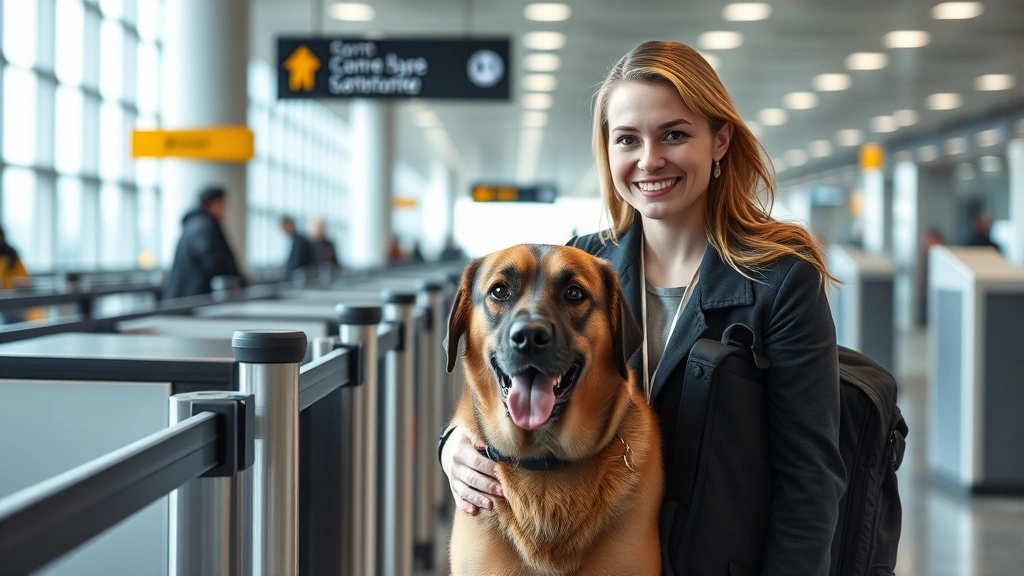
Traveling with a Service Animal? Doctor’s Advice
Service animals provide essential support for individuals with disabilities, enabling independence and mobility in daily life. When travel is necessary, ensuring your service animal is properly documented and prepared becomes critical. This comprehensive guide, informed by medical and legal expertise, walks you through the documentation requirements, airline policies, and practical steps to make your journey smooth and stress-free.
Whether you’re planning a domestic flight, international trip, or road adventure, understanding the distinction between service animals and emotional support animals, gathering proper medical documentation, and knowing your rights under the Americans with Disabilities Act (ADA) will help you travel confidently. Your licensed healthcare provider plays a vital role in this process, and having the right documentation can prevent delays, denials, and unnecessary complications at airports, hotels, and other travel destinations.

Understanding Service Animal Definition
The Americans with Disabilities Act (ADA) provides a specific legal definition of service animals that differs significantly from emotional support animals (ESAs). A service animal is a dog (or miniature horse in rare cases) that has been individually trained to perform specific tasks or work for a person with a disability. These tasks directly relate to the person’s disability and may include guiding people with blindness, alerting to seizures, reminding someone to take medication, calming individuals with PTSD, or detecting blood sugar changes for those with diabetes.
The critical distinction is that service animals are working animals, not pets. They are trained to perform specific, task-oriented functions that mitigate the effects of a disability. The ADA explicitly states that only dogs and miniature horses qualify as service animals under federal law. This definition is important for travel purposes because airlines, hotels, and other entities have different legal obligations toward service animals compared to pets or ESAs.
Understanding this distinction is your first step toward proper documentation and travel preparation. When you can clearly articulate that your animal is a trained service animal with specific disability-related tasks, you’re positioned to access the legal protections and accommodations you deserve. Many travelers make the mistake of conflating service animals with ESAs, which can lead to documentation problems and potential denial of accommodations.
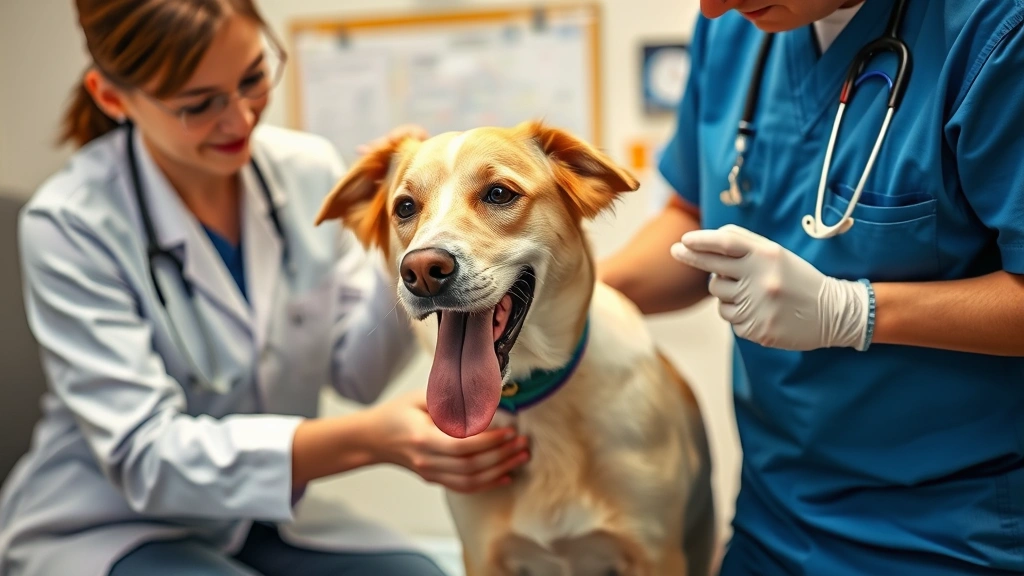
Essential Documentation Requirements
While the ADA does not require service animals to wear special vests, carry ID cards, or possess official certification documents, having comprehensive medical and behavioral documentation strengthens your position when traveling. Airlines and international authorities often request verification that your animal is indeed a trained service animal, and a letter from a licensed doctor providing disability verification can serve as powerful supporting evidence.
Key documentation should include:
- Medical certification letter: A letter from your licensed healthcare provider confirming your disability, the specific tasks your service animal performs, and the necessity of the animal for your safety and independence. This letter should be on official letterhead and include the doctor’s credentials, contact information, and signature.
- Service animal training records: Documentation from the organization or trainer that trained your service animal, including the date of training completion, specific tasks trained, and behavioral standards met.
- Vaccination and health records: Current proof of vaccinations, especially rabies, along with a health certificate from your veterinarian dated within 10 days of travel (required by many airlines and international destinations).
- Airline-specific forms: Many carriers provide their own service animal documentation forms. Contact your airline in advance to obtain and complete these forms.
- Disability verification documentation: A functional limitation verification letter that outlines how your disability impacts your ability to travel safely without your service animal.
Your licensed doctor’s letter is particularly valuable because it provides medical credibility and establishes the legitimate connection between your disability and your service animal’s essential role. This documentation is not legally required by the ADA for domestic travel, but it is practically essential for navigating real-world travel scenarios.
Navigating Airline Policies
Each airline maintains its own service animal policies, and these policies can vary significantly. Before booking your flight, contact your airline directly to understand their specific requirements and procedures. Most major carriers allow service animals to travel in the cabin with their handlers at no additional charge, but they may require advance notice and documentation.
Common airline requirements include:
- Advance notification (typically 24-48 hours before departure)
- Completion of airline-specific service animal forms
- Proof of training and vaccination records
- Behavioral assessment or behavioral certificate from the training organization
- Veterinary health certificate (usually dated within 10 days of travel)
- Your licensed doctor’s documentation of your disability and the animal’s necessity
Some airlines may request that you complete their official service animal documentation form, which your doctor can help you complete. If your airline denies boarding for your service animal, knowing your ADA rights and having proper documentation allows you to advocate effectively. Document the denial in writing and follow up with the airline’s customer service department.
Budget extra time at the airport when traveling with a service animal. Security screening may take longer, and airline staff may need to verify your documentation. Arriving early—typically 2-3 hours before domestic flights—ensures you have adequate time without rushing your service animal or the verification process.
Getting a Doctor’s Letter for Travel
A comprehensive letter from your licensed healthcare provider is one of the most valuable documents you can obtain for service animal travel. This letter should clearly establish the medical necessity of your service animal and provide enough detail to satisfy airline staff, hotel managers, and other travel-related entities.
Your doctor’s letter should include:
- Your full name and date of birth
- A clear statement of your diagnosis or disability (without necessarily disclosing all medical details)
- A description of how your disability substantially limits major life activities
- The specific tasks your service animal is trained to perform
- An explanation of how these tasks are directly related to mitigating your disability
- A statement that you have a disability-related need for the animal to accompany you during travel
- The doctor’s professional credentials, license number, and contact information
- The date the letter was written and the doctor’s signature
Many travelers benefit from obtaining a disability verification letter from a licensed doctor specifically formatted for travel purposes. This ensures the letter meets the expectations of airlines and travel-related entities while protecting your privacy by not disclosing unnecessary medical information.
Keep multiple copies of this letter—one for your airline, one for your hotel or accommodation provider, one for car rental agencies if applicable, and several backup copies. Having extras prevents the need to request duplicate letters from your doctor if multiple entities request verification.
International Travel Considerations
Traveling internationally with a service animal requires additional planning and documentation. Different countries have varying regulations regarding service animals, quarantine requirements, and import restrictions. Some nations have strict rules about bringing animals into their borders, and requirements change periodically.
Before booking international travel, research your destination country’s regulations regarding:
- Service animal import requirements and restrictions
- Required vaccinations (rabies is nearly universal)
- Health certificates and their validity periods
- Quarantine requirements
- Local recognition of service animals and legal protections
- Airlines operating on that route and their international service animal policies
The CDC provides information about bringing animals into the United States, and similar agencies in other countries maintain comparable resources. Many countries require a health certificate from a veterinarian dated within 10 days of travel, and some require an International Health Certificate or similar official document.
Your licensed doctor’s documentation becomes especially important for international travel, as it provides credibility in contexts where your service animal may not be immediately recognized as a working animal. Having this medical verification helps overcome language barriers and cultural differences in understanding service animals.
Airport Security and TSA Guidelines
The Transportation Security Administration (TSA) recognizes service animals and allows them to proceed through security screening with their handlers. However, security screening procedures for service animals differ from standard passenger screening.
When you reach the security checkpoint:
- Inform the TSA officer that you have a service animal
- Keep your service animal on leash or harness under your control
- Be prepared for the officer to visually inspect your animal
- The animal may be wiped down for explosive detection
- You may be asked to remove your service animal from the checkpoint during screening while you pass through the metal detector or advanced imaging technology
- Your service animal will not go through the metal detector or imaging machine
TSA guidelines for service animals are clear that these animals are permitted through security checkpoints, and TSA officers receive training on service animal identification. However, TSA does not require any specific documentation, vest, or certification. Having your doctor’s letter and training records can help if questions arise.
If you experience difficulty at security screening, remain calm and ask to speak with a supervisor. Document the interaction, including officer names and badge numbers. You can file a complaint with TSA if you believe you were treated inappropriately.
Ensuring Accommodations at Destinations
Once you arrive at your destination, your service animal should be welcomed at hotels, restaurants, stores, and other public accommodations under the ADA. However, many business owners and employees are unfamiliar with service animal laws, which can lead to denial of access or uncomfortable situations.
To prevent issues:
- When booking hotels, inform them in advance that you’ll be traveling with a service animal
- Keep your doctor’s documentation and training records easily accessible
- Be prepared to answer two ADA-permitted questions: “Is this a service animal required because of a disability?” and “What specific tasks does the animal perform?”
- Understand that businesses cannot require proof of training, certification, or licensing—only these two questions are permitted
- Know that emotional support animals do not have the same access rights as service animals
If you encounter denial of access, remain professional and request to speak with a manager. Explain that your animal is a service animal and provide your doctor’s documentation. Most issues can be resolved through calm communication. If a business continues to deny access, you can file a complaint with the EEOC or your state’s disability rights organization.
For accommodations requiring specific modifications or services related to your service animal, having a housing accommodation letter can be helpful, especially for extended stays or situations where you need written verification of your needs.
FAQ
Do I need certification or a vest for my service animal to fly?
No. The ADA does not require service animals to wear vests, carry ID cards, or possess official certification. However, having documentation from your doctor and training organization strengthens your ability to navigate travel scenarios. Airlines may request their own forms or documentation, but these are separate from government-mandated certification.
What’s the difference between a service animal and an emotional support animal for travel?
Service animals are individually trained to perform specific disability-related tasks and have access rights under the ADA, including in airplane cabins. Emotional support animals provide comfort through companionship but are not trained to perform specific tasks. ESAs do not have the same legal access rights as service animals and typically cannot travel in airplane cabins unless additional requirements are met. An ESA letter from a doctor differs significantly from service animal documentation.
Can my airline deny boarding for my service animal?
Airlines can deny boarding only if your service animal poses a direct threat to health or safety, is disruptive, or is not under control. Behavioral problems, aggression, or lack of housetraining can justify denial. However, denial based solely on breed, size, or appearance is not legally permitted. If denied, document the reason and follow up with the airline in writing.
How far in advance should I notify the airline?
Contact your airline at least 48 hours before your flight, though earlier notification is better. This allows time for the airline to process your documentation and address any questions. Some airlines require 24-hour notice at minimum, but providing more notice prevents last-minute complications.
What if my service animal becomes ill during travel?
Before traveling, research veterinary clinics at your destination. Keep your service animal’s medical records and vaccination documents accessible. Your veterinarian can provide a letter documenting your animal’s health status before travel. If illness occurs during travel, seek veterinary care immediately. Your travel insurance or pet health insurance may cover emergency veterinary expenses.
Can I leave my service animal in the hotel room alone?
Service animals are working animals and should not be left unattended for extended periods. Many handlers keep their service animals with them at all times. If you must leave your animal in the room, ensure it has access to water, appropriate temperature control, and comfort items. Some service animals may experience anxiety when separated from their handlers, which can be documented by your doctor as part of their disability-related necessity.
Do international airlines have different service animal policies?
Yes. International airlines often have stricter requirements than U.S. carriers. Contact the airline directly to understand their specific policies, documentation requirements, and any country-specific restrictions. Your doctor’s letter becomes especially valuable in international contexts where service animals may be less familiar to staff.