Get Your Housing Accommodation Letter Fast: A Complete Guide
A housing accommodation letter is a critical document that formally requests modifications or adjustments to your living situation based on a medical condition or disability. Whether you need a ground floor unit, accessible parking, allergen-free housing, or lease flexibility, a timely and properly drafted letter can make the difference between securing the accommodations you need and facing unnecessary hardship. At Arvix Health, we understand that navigating housing accessibility can be stressful, which is why we’ve streamlined the process to deliver your letter quickly without compromising quality or legal validity.
The Fair Housing Act protects your right to request reasonable accommodations, and landlords and property managers are legally obligated to engage in an interactive process with you. However, many individuals struggle with how to formally request these accommodations or feel uncertain about whether their request will be taken seriously. This guide walks you through everything you need to know about obtaining a housing accommodation letter fast, what makes a letter legitimate and effective, and how to use it to advocate for your needs.

What Is a Housing Accommodation Letter?
A housing accommodation letter is a formal, medical professional-authored document that states you have a disability or medical condition and explains why you require specific modifications or adjustments to your housing situation. The letter serves as official verification of your need for accommodations under federal fair housing law. Unlike a general doctor’s note, a housing accommodation letter specifically addresses your functional limitations as they relate to your living environment and requests particular accommodations from your landlord or property manager.
The letter typically includes your healthcare provider’s credentials, a description of your condition (without necessarily disclosing the diagnosis), an explanation of how the condition limits your major life activities, and a clear statement of which accommodations would enable you to fully enjoy and use your housing. This documentation is legally recognized under the Fair Housing Act and the Americans with Disabilities Act (ADA), making it a powerful tool in your advocacy efforts.
The strength of a housing accommodation letter lies in its specificity and medical credibility. A vague letter carries less weight than one that clearly connects your functional limitations to your requested accommodations. This is why working with qualified healthcare providers who understand fair housing law is essential to getting results.

Why You Need One and Who Qualifies
You may need a housing accommodation letter if you have a physical disability, mental health condition, chronic illness, sensory impairment, or other medical condition that substantially limits one or more major life activities. Major life activities include walking, seeing, hearing, breathing, learning, working, and self-care. If your condition affects any of these areas and impacts your ability to live safely and comfortably in standard housing, you likely qualify for accommodations.
Common situations requiring housing accommodation letters include:
- Mobility limitations: Requesting ground floor units, accessible parking, or ramp installation
- Respiratory conditions: Needing allergen-free units or units away from smoking areas
- Mental health conditions: Requesting emotional support animal documentation or service animal housing exceptions
- Chronic pain or fatigue: Needing closer parking or modified lease terms
- Sensory disabilities: Requiring visual or auditory alert systems
- Cognitive conditions: Needing accessible unit layouts or proximity to services
You do not need to have a specific diagnosis documented in your letter; instead, the focus should be on your functional limitations and how they relate to housing. This protects your medical privacy while still establishing your legal right to accommodations. However, your healthcare provider should have sufficient knowledge of your condition to credibly state that your functional limitations are real and require the accommodations you’re requesting.
How Fast Can You Get a Letter?
One of the most common questions we receive is: “How quickly can I get a housing accommodation letter?” The answer depends on several factors, but with Arvix Health’s streamlined process, you can often receive your letter within 24 to 72 hours.
Factors Affecting Timeline:
- Existing patient relationship: If you already have a healthcare provider on file, the process is faster because your medical history is documented
- Completeness of your request: Providing clear information about your condition and specific accommodations needed speeds up the process
- Complexity of your case: Straightforward cases move faster than those requiring additional medical documentation or specialist consultation
- Verification needs: Some requests may require verification of your condition before the letter is issued
Our platform prioritizes urgent requests, and we understand that housing insecurity is a time-sensitive issue. When you submit your request through Arvix Health, you’ll receive clear communication about expected turnaround time, and we work to exceed those expectations whenever possible. If you need your letter for an upcoming lease signing, housing application deadline, or accommodation dispute, let us know—we have expedited options available.
It’s important to note that while speed is valuable, legitimacy cannot be rushed. A letter issued too quickly without proper medical assessment is not only less effective but may actually harm your credibility. We balance rapid service with thorough evaluation to ensure your letter is both timely and legally sound.
What Makes a Letter Legitimate and Effective
Not all housing accommodation letters are created equal. Landlords and property managers encounter numerous letters, and they can often spot ones that lack medical credibility or legal grounding. A legitimate and effective housing accommodation letter has several key characteristics:
Professional Credentials: The letter must be written by a licensed healthcare provider (physician, nurse practitioner, physician assistant, psychologist, psychiatrist, or other qualified professional) who is authorized to diagnose and treat medical conditions. The letter should include the provider’s license number, contact information, and practice details. This establishes that the letter comes from a qualified source, not an online mill or unverified service.
Clear Nexus Between Condition and Accommodation: The letter must explicitly explain why you need the specific accommodation you’re requesting. For example, rather than simply stating “Patient has anxiety and needs an emotional support animal,” a strong letter explains: “Due to diagnosed anxiety disorder, the patient experiences significant functional limitations in daily activities. A trained emotional support animal has been determined to mitigate these limitations by providing grounding techniques during anxiety episodes, enabling the patient to safely navigate housing and maintain employment.” This clarity prevents landlords from dismissing your request as unsupported.
Specificity About Accommodations: Vague requests weaken your position. Instead of “needs accommodations,” specify exactly what you need: “ground floor unit to eliminate stair climbing due to severe arthritis,” “accessible parking space within 50 feet of unit entrance,” or “smoke-free building to protect respiratory function.” The more specific your request, the easier it is for the landlord to comply and the harder it is for them to deny without legal risk.
Functional Limitations Language: Effective letters focus on functional limitations rather than diagnoses. Describing how your condition affects your ability to perform major life activities (walking, seeing, hearing, breathing, learning, working) is more compelling than listing a diagnosis code. This approach also protects your medical privacy while establishing legal protection under the Fair Housing Act.
Professional Tone and Format: The letter should be printed on official letterhead, dated, and signed by the healthcare provider. It should be professional in tone, free of casual language or excessive detail, and organized logically. A well-formatted letter signals that this is a serious medical document, not a casual note.
Verification of Patient Relationship: The letter should clearly indicate the duration and nature of the healthcare provider’s relationship with you. Landlords are more likely to accept letters from providers who have treated you for an extended period than from providers you’ve just met. If you’re seeking a letter from a new provider, be prepared to provide additional documentation of your condition.
A legitimate accommodation letter combines all these elements into a document that landlords and property managers must take seriously. At Arvix Health, every letter we issue meets these standards, ensuring your request carries maximum legal weight.
Step-by-Step Process to Request Your Letter
Getting a housing accommodation letter from Arvix Health is straightforward and designed to minimize your stress during an already challenging process.
Step 1: Assess Your Needs
Before reaching out, clarify what accommodations you’re requesting and why. Write down your medical condition (you don’t need to share the diagnosis with your landlord, but you should be clear about it internally), how it affects your daily functioning, and which specific housing modifications would help. For example: “I have chronic pain from rheumatoid arthritis that makes stair climbing impossible; I need a ground floor unit with accessible parking.” This clarity will speed up the entire process.
Step 2: Submit Your Request Through Arvix Health
Visit our platform and complete the housing accommodation letter request form. You’ll provide basic information about yourself, your medical history, your current condition, and the specific accommodations you need. Be as detailed as possible—the more information you provide, the stronger your letter will be. You’ll also indicate your timeline urgency.
Step 3: Connect With a Healthcare Provider
If you’re an existing Arvix Health patient with established medical records, your request is routed to your provider. If you’re new, we’ll connect you with a qualified healthcare provider who can evaluate your situation. This may involve a telemedicine consultation where the provider asks about your condition, functional limitations, and accommodation needs. The provider may also review any existing medical documentation you provide.
Step 4: Provider Assessment and Letter Drafting
Your healthcare provider reviews your request and medical information, then drafts a letter tailored to your specific situation. The letter will address the functional limitations caused by your condition and explain why your requested accommodations are necessary. The provider ensures the letter meets all legal and medical standards before issuing it.
Step 5: Receive and Use Your Letter
Once completed, your letter is delivered to you—typically within 24 to 72 hours. You’ll receive it digitally and can print copies as needed. We also provide guidance on how to submit your letter to your landlord or property manager, including tips on delivery method and follow-up communication.
Step 6: Follow Up With Your Landlord
Submit your letter to your landlord in writing (email with read receipt or certified mail). Include a brief, professional cover letter explaining that you’re submitting medical documentation supporting your request for reasonable housing accommodations under the Fair Housing Act. Give the landlord a reasonable timeframe (typically 10 business days) to respond. Many landlords approve accommodations immediately; if yours doesn’t, you have documented evidence of your request and can escalate if necessary.
Common Housing Accommodations and How Letters Support Them
Housing accommodation letters support requests for various modifications and adjustments. Understanding what’s commonly approved helps you frame your request effectively.
Physical Accessibility Modifications
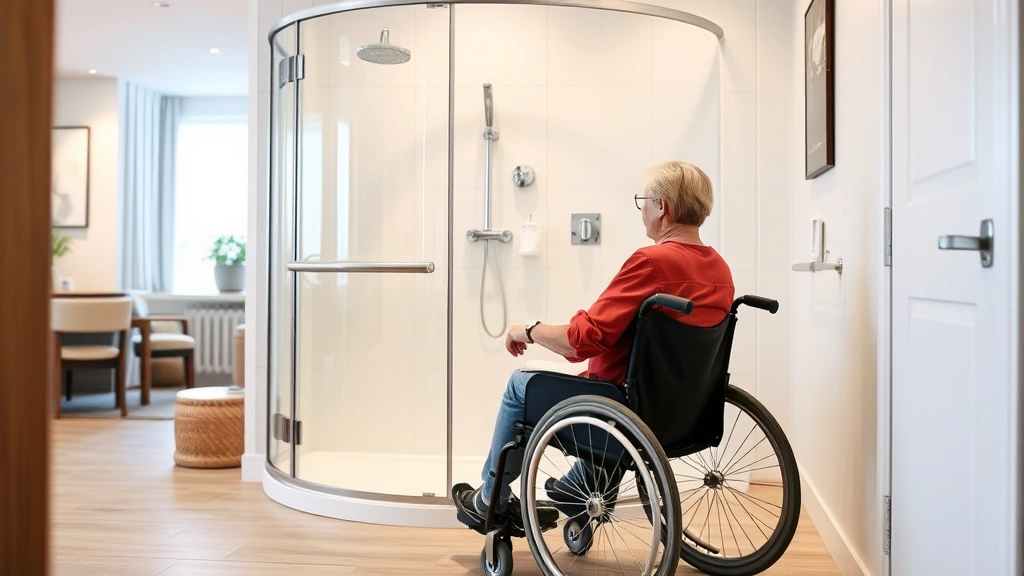
Ground floor units, ramp installation, widened doorways, accessible parking, and bathroom modifications are among the most commonly approved physical accommodations. Letters supporting these typically describe mobility limitations caused by arthritis, spinal cord injury, cerebral palsy, or other conditions affecting walking and balance. The letter should specify exactly what modification is needed and why—for instance, “Patient requires ground floor unit due to severe knee osteoarthritis that makes stair climbing medically unsafe and functionally impossible.”
Allergen and Environmental Control
Requests for allergen-free units, smoke-free buildings, or units away from specific environmental triggers are often approved. These letters describe respiratory conditions, severe allergies, or chemical sensitivities and explain how environmental factors exacerbate symptoms. A letter might state: “Patient has documented severe asthma triggered by secondhand smoke exposure; placement in a smoke-free building is medically necessary to prevent acute respiratory episodes.”
Service and Emotional Support Animals
Letters documenting the need for a service animal or emotional support animal are among the most frequently requested. These letters must clearly explain how the animal mitigates your disability. Service animal letters typically describe specific tasks the animal performs (alerting to seizures, guiding the blind, interrupting panic attacks). Emotional support animal letters explain how the animal’s presence alleviates symptoms of mental health conditions. Both types require clear nexus between the animal and functional limitation mitigation.
Lease Flexibility and Modified Terms
Some tenants request modified lease terms—such as month-to-month flexibility, early termination options, or extended lease periods—to accommodate medical needs. Letters supporting these requests might address chronic conditions requiring frequent medical treatment, mental health needs for housing stability, or fatigue-related limitations on moving frequency. The letter should explain why standard lease terms create undue hardship.
Proximity and Accessibility Needs
Requests for units near building entrances, close to medical facilities, or in specific locations within a complex are also commonly approved. Letters supporting these describe functional limitations related to walking distance, transportation access, or proximity to necessary medical care. A letter might state: “Patient requires unit within 100 feet of building entrance due to severe fatigue from chronic illness, making longer walking distances functionally impossible.”
Each of these accommodation types is legally protected under the Fair Housing Act when properly documented. Your letter is the key to establishing that protection and compelling your landlord to engage in the interactive process required by law.
Legal Protections and Your Rights
Understanding your legal rights strengthens your position when requesting housing accommodations. The Fair Housing Act, the ADA, and related laws provide robust protections that landlords and property managers must follow.
Fair Housing Act Protections
The Fair Housing Act prohibits discrimination based on disability and requires landlords to make reasonable accommodations in rules, policies, practices, or services when necessary to afford a person with a disability equal opportunity to use and enjoy housing. This is a broad protection that covers most reasonable requests. Your landlord cannot deny your request simply because it’s inconvenient or costly—they must engage in an interactive process and approve accommodations unless doing so would create undue financial or operational burden.
ADA Protections
The Americans with Disabilities Act extends protections to housing in certain contexts, particularly multi-family housing and housing receiving federal funding. The ADA requires accessible design and modifications to accommodate people with disabilities. These protections work alongside Fair Housing Act protections to give you multiple avenues for advocacy.
Right to Interactive Process
Landlords are legally required to engage in an interactive process with you when you request accommodations. This means they cannot simply deny your request without discussion. They must listen to your needs, ask clarifying questions if necessary, and work with you toward a solution. If your initial request is denied, you have the right to appeal and provide additional documentation—including your housing accommodation letter.
Protection Against Retaliation
Landlords cannot retaliate against you for requesting accommodations. Retaliation might include raising rent, threatening eviction, reducing services, or harassing you. If you experience retaliation after submitting your letter, document it and contact your local HUD Office of Fair Housing and Equal Opportunity or a disability rights attorney.
Medical Privacy Protections
While your landlord is entitled to verify that you have a disability and that your requested accommodation is related to that disability, they are not entitled to your full medical records or diagnosis. A properly drafted letter protects your privacy by describing functional limitations without disclosing unnecessary medical details. You can refuse requests for extensive medical records if they go beyond what’s necessary to verify your accommodation need.
Right to Legal Assistance
If your landlord denies your reasonable accommodation request or retaliates against you, you have the right to file a complaint with HUD or pursue legal action. Many disability rights organizations offer free or low-cost legal assistance. Organizations like the ADA National Network and local disability rights advocates can help you understand your options if you face resistance.
Your housing accommodation letter is more than a convenience—it’s a legally protected tool for asserting your rights. When you submit a legitimate letter from a qualified healthcare provider, you’re putting your landlord on notice that you’re aware of your legal protections and expect them to comply with fair housing law.
FAQ
How long does it take to get a housing accommodation letter?
With Arvix Health, most letters are completed within 24 to 72 hours. Expedited requests can sometimes be processed even faster. The timeline depends on whether you’re an existing patient, the complexity of your case, and how quickly you provide necessary information. We prioritize housing-related requests because we understand the urgency of housing security.
Do I need a specific diagnosis to get a housing accommodation letter?
No. Your letter should focus on functional limitations rather than a specific diagnosis. You and your healthcare provider will discuss your condition, but the letter itself emphasizes how your condition affects your ability to perform major life activities and why specific accommodations are necessary. This approach protects your privacy while establishing your legal right to accommodations.
Can I use a housing accommodation letter for other purposes?
A housing-specific letter is tailored to housing needs and may not be ideal for other purposes like workplace accommodations or school. However, some elements may overlap. If you need a doctor note for workplace accommodation or documentation for another purpose, speak with your healthcare provider about whether your housing letter can serve dual purposes or whether you need a separate document.
What if my landlord asks for more medical information after receiving my letter?
Your landlord can ask for verification that you have a disability and that your accommodation request is related to that disability, but they cannot demand your full medical records or detailed diagnosis. If they ask for information beyond reasonable verification, you can decline and refer them to the HUD Fair Housing guidelines. We can advise you on what requests are reasonable and which exceed fair housing law.
What happens if my landlord denies my accommodation request?
If your landlord denies your request without engaging in an interactive process, this may violate fair housing law. First, submit a written appeal with your accommodation letter and any additional supporting documentation. If they continue to refuse, you can file a complaint with your local HUD office or consult with a disability rights attorney. Many organizations offer free legal assistance for fair housing violations.
Can emotional support animals be requested through a housing accommodation letter?
Yes. If you have a mental health condition and an emotional support animal helps mitigate symptoms, a housing accommodation letter can document this need. The letter should explain how the animal provides specific support—such as grounding during anxiety episodes or comfort during depressive episodes—and why the animal’s presence is necessary for you to safely enjoy your housing. This is different from a service animal letter but equally valid under fair housing law.
Is a housing accommodation letter the same as an ESA letter?
A housing accommodation letter and an ESA letter serve different purposes. An ESA letter specifically documents the need for an emotional support animal in housing. A housing accommodation letter is broader and can address any reasonable accommodation—physical modifications, environmental adjustments, animal needs, or lease flexibility. If you specifically need an emotional support animal, an ESA letter is more appropriate, though a comprehensive housing accommodation letter can include ESA documentation. Learn more about ESA documentation if you have questions about emotional support animals in other settings.
How much does a housing accommodation letter cost?
Pricing varies based on your situation and whether you’re an existing Arvix Health patient. Many insurance plans cover accommodation letter services as part of medical care. We offer transparent pricing upfront and can discuss payment options and insurance coverage during your initial consultation. Don’t let cost concerns prevent you from pursuing the accommodations you need—we work with you to find affordable solutions.