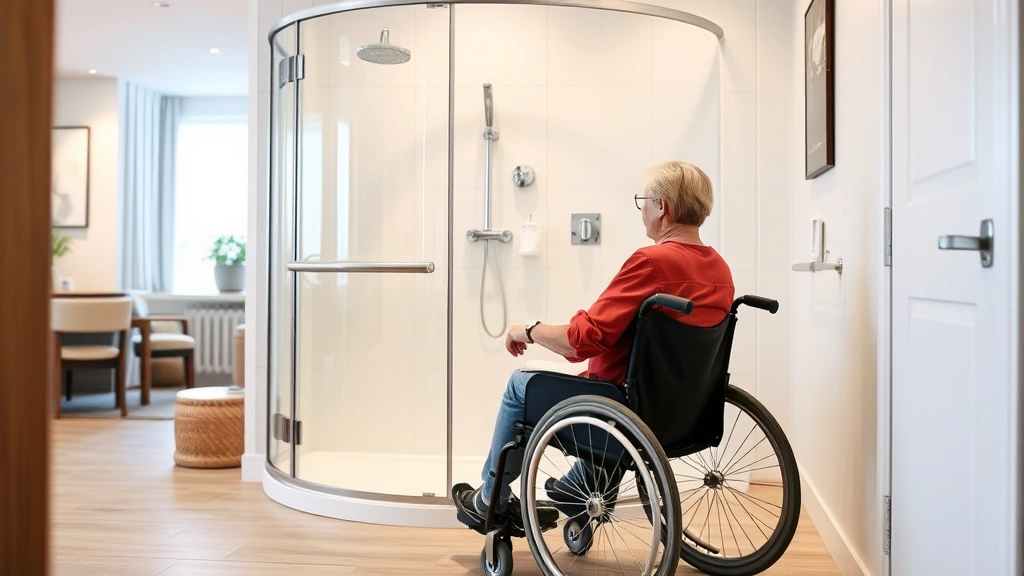
Doctor Letter for Housing: Disability Requirements Guide
A doctor’s disability confirmation letter for housing is a critical legal document that establishes your medical need for specific housing accommodations. Whether you require ground floor access due to mobility limitations, an allergen-free unit, accessible parking, or lease modifications, a properly written letter from a licensed healthcare provider can be the difference between living independently and facing housing discrimination.
Housing providers, landlords, and property managers are required by the Fair Housing Act to consider reasonable accommodations for tenants with disabilities. However, they need medical documentation to verify your condition and the necessity of your requested accommodation. This guide walks you through what a disability confirmation letter should contain, how to obtain one, and how to use it effectively in your housing situation.
Understanding the requirements and standards for these letters empowers you to advocate for your needs while ensuring your documentation meets legal standards and protects your rights.
What Is a Doctor Disability Confirmation Letter for Housing?
A doctor disability confirmation letter for housing is a formal medical document written by a licensed healthcare provider that verifies you have a disability and explains why you need specific housing accommodations. Unlike casual medical notes or disability parking permits, these letters serve as legal evidence that your accommodation request is medically necessary and reasonable under fair housing law.
The letter establishes a direct connection between your diagnosed condition and your functional limitations, then explains how a specific housing accommodation would mitigate those limitations. For example, a letter might confirm that you have severe arthritis that makes climbing stairs painful and dangerous, therefore requiring ground floor housing. This creates a clear nexus between diagnosis, limitation, and accommodation.
These letters differ from ESA letters for apartments in that they focus on physical or mental health disabilities rather than emotional support animals, though the legal framework protecting both is similar under the Fair Housing Act.
Legal Requirements and Fair Housing Standards
The Fair Housing Act (FHA), enforced by the U.S. Department of Housing and Urban Development (HUD), prohibits discrimination based on disability and requires housing providers to make reasonable accommodations in rules, policies, practices, and services. Your doctor’s letter serves as the medical foundation supporting your accommodation request.
Key legal standards your letter must meet:
- Written by a licensed, qualified healthcare provider (MD, DO, licensed therapist, psychiatrist, nurse practitioner, or physician assistant)
- Verifies the existence of a disability under Fair Housing Act definition
- Explains the relationship between your disability and the requested accommodation
- Confirms the accommodation is necessary to provide you equal access to housing
- Uses objective, professional language rather than vague or emotional statements
- Includes provider credentials, license number, and contact information
- Dated within a reasonable timeframe (typically within 12 months)
According to HUD guidelines, housing providers can request reliable documentation when the disability or need for accommodation is not obvious. Your doctor’s letter becomes that reliable documentation.
The letter must also comply with the Americans with Disabilities Act (ADA), which defines disability as a physical or mental impairment that substantially limits one or more major life activities. Your letter should address how your condition meets this definition.
Essential Components of an Effective Letter
A strong disability confirmation letter includes specific, well-organized elements that leave no doubt about your medical need for housing accommodation.
Professional Header and Credentials
The letter should be written on official letterhead that includes the healthcare provider’s name, license type, license number, address, phone number, and fax. This establishes legitimacy and allows the housing provider to verify credentials if needed. Avoid generic letterhead or letters without clear provider identification.
Clear Identification of the Patient
Include your full name, date of birth, and current address. This ensures the housing provider can match the letter to your accommodation request and prevents confusion if multiple tenants submit letters.
Diagnosis and Medical History
The letter should state your diagnosis or diagnoses in clinical terms. Rather than vague language like “health problems,” use specific diagnoses: “The patient has been diagnosed with severe osteoarthritis affecting both knees and lower spine” or “The patient has a documented anxiety disorder and agoraphobia.” Include the date the condition was diagnosed and how long you’ve been under the provider’s care.
Functional Limitations
Describe how your disability affects your ability to perform major life activities. For housing-related accommodations, focus on mobility, accessibility, and independent living: “Due to severe pain and limited mobility, the patient cannot climb stairs or access units above the first floor” or “The patient’s severe asthma and multiple chemical sensitivities require an allergen-free, fragrance-free living environment.”
Connection to Accommodation Request
Explicitly link your functional limitations to your specific accommodation need. Instead of a general statement, write: “Due to the patient’s limited mobility and pain with stair climbing, ground floor housing is medically necessary to enable the patient to safely access their residence and perform essential daily activities.”
Medical Necessity Statement
Include a clear statement that the accommodation is medically necessary, not merely convenient or preferable. This language strengthens your position: “In my professional medical opinion, ground floor housing is medically necessary for this patient to have equal access to and enjoyment of the residential property.”
Objective Evidence
Reference objective findings when possible: test results, imaging studies, medication use, or documented treatment history. This adds credibility: “The patient’s mobility limitations are documented by X-ray findings of advanced osteoarthritis and confirmed by physical examination.”
Provider Signature and Date
The letter must be signed and dated by the healthcare provider. Electronic signatures are generally acceptable. Ensure the signature matches the printed name and credentials.
Types of Housing Accommodations Supported by Doctor Letters
Doctor disability letters support a wide range of housing accommodations. Understanding which accommodations your letter should address helps you and your provider focus on the most relevant medical information.
Mobility and Accessibility Accommodations
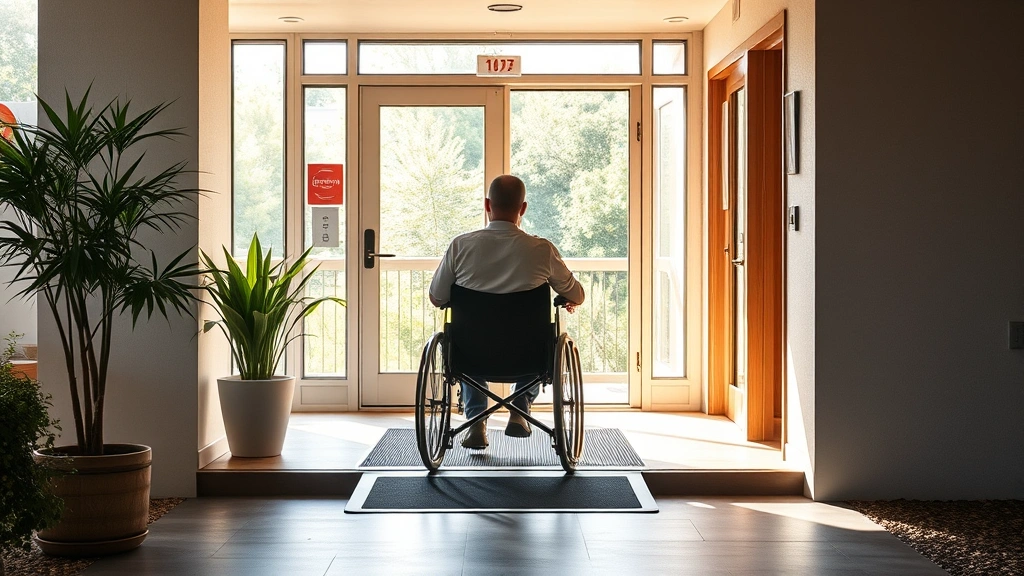
Ground floor units, accessible parking spaces, accessible bathrooms, and elevator access are commonly requested by individuals with mobility disabilities. Your letter should explain how mobility limitations make upper-floor units inaccessible and why ground floor housing enables independent living.
Environmental and Health-Related Accommodations
Allergen-free units, fragrance-free policies, units away from high-traffic areas, or housing in quiet locations support individuals with asthma, severe allergies, chemical sensitivities, or conditions aggravated by environmental triggers. Your letter should document the medical necessity of these environmental modifications.
Lease and Policy Modifications
Your letter can support requests to modify pet policies for service animals, modify noise restrictions during medical treatment, allow flexible lease terms due to medical leave, or accommodate medical equipment installation. A medical hardship letter may accompany these requests for lease termination or modification.
Accessible Parking and Mobility Equipment
If you need disability parking certification, your housing-related doctor letter can confirm the same mobility limitations that support accessible parking near your residence.
Service Animal and Emotional Support Animal Accommodations
While distinct from ESA and service animal letters, your disability confirmation letter can establish the underlying disability that necessitates animal accommodation.
How to Obtain Your Doctor Disability Letter
Step 1: Identify the Right Healthcare Provider
Contact a licensed healthcare provider who has treated you and is familiar with your condition. This can be your primary care physician, specialist, psychiatrist, licensed therapist, nurse practitioner, or physician assistant. The provider must have direct knowledge of your medical condition and be willing to document it in writing.
Step 2: Prepare Your Request
Before meeting with your provider, prepare a clear written request that includes:
- Your specific housing accommodation need
- How your disability affects your ability to access standard housing
- Why the accommodation is medically necessary
- Any relevant functional limitations
Provide this information in writing so your provider understands exactly what the letter needs to accomplish.
Step 3: Discuss Your Medical History
During your appointment, discuss your condition in detail. Ensure your provider understands the severity of your limitations and how they affect your housing situation. Bring any relevant medical records, test results, or imaging studies that support your accommodation need.
Step 4: Request the Written Letter
Formally request that your provider write a disability confirmation letter for housing accommodation. Many providers have templates or standard formats they use. Ask about timing—most letters can be prepared within 1-2 weeks.
Step 5: Review and Verify
When you receive the letter, review it carefully to ensure it includes all essential components. Verify that credentials are accurate, the letter is dated, and the provider’s signature is present. If anything is missing or unclear, contact the provider to request revisions.
Important Considerations
Some providers may charge a fee for writing letters, typically $50-$200 depending on complexity and your location. Ask about costs upfront. If your provider is unwilling to write a letter despite treating your documented disability, you may need to seek a second opinion from another qualified provider.
How to Present Your Letter to Your Landlord
Timing Your Request
Submit your accommodation request and supporting doctor’s letter as soon as possible. You can request accommodations before signing a lease, after moving in, or when your condition changes. Earlier requests give you and your landlord more time to work out solutions.
Formal Submission Process
Submit your letter in writing, either in person or by certified mail. Include a formal accommodation request letter that explains:
- The specific accommodation you need
- Why you need it (reference your doctor’s letter)
- How the accommodation will enable you to enjoy the housing equally
- Your request for the landlord’s response within a reasonable timeframe
Documentation and Records
Keep copies of everything you submit. Document the date you sent the letter, how you sent it (certified mail, email with read receipt, hand delivery with signature), and any responses you receive. This creates a paper trail if you need to file a complaint or pursue legal action.
Privacy Considerations
You only need to disclose information necessary to establish the disability and the accommodation need. You don’t need to share your complete medical history, all diagnoses, or detailed treatment information. Your doctor’s letter should provide sufficient information without unnecessary disclosure.
What to Do If Your Request Is Denied
If your landlord denies your accommodation request, respond in writing explaining why the denial violates fair housing law. Reference the doctor’s letter and Fair Housing Act requirements. If the landlord continues to refuse, you can file a complaint with HUD at HUD’s Office of Fair Housing and Equal Opportunity or contact a fair housing organization or disability rights attorney.

FAQ
Does my doctor’s letter need to be notarized?
No, notarization is not required by law. However, some landlords may request it for additional verification. Ask your provider if they can provide a notarized version if your landlord requires it. This typically costs an additional $10-$20.
How long is a doctor’s disability letter valid for housing?
Most letters are considered valid for 12 months from the date written. After one year, your landlord may request an updated letter, especially if your condition has changed or if you’re applying for a new lease or accommodation. Keep your letter current to avoid complications.
Can a therapist or psychiatrist write a disability letter for housing?
Yes, licensed mental health professionals including psychiatrists, psychologists, clinical social workers, and licensed counselors can write disability confirmation letters for housing. They must have directly treated you and be licensed in your state.
What if I don’t have a regular doctor?
If you don’t currently have an ongoing relationship with a healthcare provider, schedule an appointment with your primary care physician, urgent care provider, or a specialist treating your condition. Explain that you need a disability confirmation letter for housing accommodation. Some providers may require an initial appointment before writing letters.
Can I use a letter from a telehealth provider?
Yes, letters from licensed telehealth providers are generally acceptable as long as the provider is properly licensed, has treated you, and includes their credentials and contact information. Ensure the letterhead clearly identifies the provider and their license information.
Is my landlord allowed to ask for my doctor’s contact information?
Yes, landlords can ask for your doctor’s contact information to verify the letter’s authenticity. This is a reasonable verification step. Your doctor can confirm they wrote the letter without disclosing your medical details. Make sure your provider is willing to respond to verification requests.
What’s the difference between a disability letter and a workplace accommodation letter?
Housing accommodation letters focus on residential access and modifications, while workplace accommodation letters address work-related needs like remote work or schedule flexibility. The structure is similar, but the accommodation needs and functional limitations described differ based on the environment.
Can I request a specific type of accommodation my doctor might not initially mention?
Yes, discuss all potential accommodations with your doctor. Your provider may identify accommodations you hadn’t considered that would address your functional limitations. Work together to determine which accommodations are medically necessary and reasonable.
What if my condition worsens and I need additional accommodations?
You can request additional accommodations at any time by submitting an updated doctor’s letter explaining your changed circumstances. Housing providers must consider new accommodation requests under fair housing law. Document when your condition changed and how it affects your housing needs.