Need an Accommodation Letter? Expert Tips Inside
A housing accommodation letter is a critical document that bridges the gap between your medical needs and your landlord’s legal obligations. Whether you require accessible modifications, policy exceptions, or reasonable adjustments to your lease, a well-crafted accommodation letter can make the difference between denied requests and approved housing solutions. This guide walks you through everything you need to know about obtaining, writing, and leveraging a housing accommodation letter for your apartment.
Housing accommodations protect tenants with disabilities under the Fair Housing Act, a federal law that requires landlords to make reasonable modifications and policy exceptions. An accommodation letter from a qualified healthcare provider serves as medical evidence supporting your request, making it harder for landlords to dismiss your needs as optional or frivolous. Understanding how to obtain and present this letter effectively is essential for securing the housing adjustments you deserve.
What Is a Housing Accommodation Letter?
A housing accommodation letter is a formal document written by a qualified healthcare provider that verifies your disability-related need for a specific housing modification, policy exception, or lease adjustment. This letter serves as medical evidence that supports your request for reasonable accommodations under fair housing laws. Unlike a general medical documentation of disability, a housing accommodation letter is specifically tailored to your apartment situation and explains the functional connection between your condition and your requested accommodation.
The letter essentially tells your landlord: “This tenant has a disability-related need, and accommodating this request is legally required.” It removes ambiguity and shifts the conversation from “can we do this?” to “how do we do this?” A strong accommodation letter dramatically increases approval rates and reduces landlord pushback, making it one of the most valuable tools in securing fair housing treatment.
Housing accommodation letters differ from emotional support animal letters for apartments in scope and purpose, though both serve similar legal functions. ESA letters specifically address animal accommodations, while general housing letters cover physical modifications, policy exceptions, and other accessibility needs.
Legal Requirements Under the Fair Housing Act
The Fair Housing Act (FHA) is the federal law that protects tenants with disabilities from housing discrimination. Under the FHA, landlords must provide reasonable accommodations in rules, policies, practices, or services when necessary to afford a person with a disability equal opportunity to use and enjoy a dwelling. This legal framework is your strongest protection when requesting accommodations.
Key FHA protections include:
- Reasonable modifications: Physical changes to your unit or common areas (grab bars, ramp installation, accessible parking)
- Policy exceptions: Waiving standard rules (allowing service animals in no-pet buildings, permitting additional occupants for caregivers)
- Accessible lease terms: Modifications to lease language or early termination for medical hardship
- Auxiliary aids: Providing accessible communication formats or visual/hearing accommodations
The U.S. Department of Housing and Urban Development (HUD) enforces the FHA and provides guidance on reasonable accommodations. A well-documented housing accommodation letter demonstrates that your request aligns with legal requirements, making it difficult for landlords to deny without exposing themselves to liability.
Who Can Write Your Accommodation Letter
Your accommodation letter must be written by a qualified healthcare provider—someone with professional credentials and direct knowledge of your condition. The FHA doesn’t specify exact credentials, but providers typically include:
- Licensed physicians (MDs, DOs)
- Licensed mental health professionals (psychologists, psychiatrists, clinical social workers, licensed counselors)
- Nurse practitioners and physician assistants
- Occupational therapists and physical therapists
- Other licensed healthcare providers with relevant expertise
The provider should have an established professional relationship with you—ideally someone who has treated or evaluated you for your condition. They must understand your functional limitations and how they specifically relate to your housing needs. A provider you’ve never met or consulted with briefly is unlikely to write a credible letter.
If you don’t have an existing healthcare provider, you’ll need to establish one. This might involve scheduling an initial appointment with your primary care doctor, a specialist, or a mental health professional. Be prepared to discuss your condition, functional limitations, and specific housing accommodation needs during that appointment.
Essential Components of an Effective Letter
A strong housing accommodation letter includes specific elements that satisfy legal requirements and leave no room for landlord misinterpretation. Here’s what every accommodation letter should contain:
1. Provider credentials and letterhead
The letter must be on official letterhead with the provider’s name, title, license number, and contact information. This establishes credibility and allows landlords to verify the provider’s legitimacy.
2. Your identification
Include your full name, current address, and dates of treatment or evaluation. This confirms the provider has a professional relationship with you.
3. Clear disability statement
The letter should explicitly state that you have a disability as defined by the FHA. It need not disclose the specific diagnosis but should confirm the existence of a disabling condition. Example: “I can confirm that [Your Name] has a disability as defined by the Fair Housing Act.”
4. Functional limitations
Describe how your disability affects daily activities and mobility. This creates the logical connection between your condition and your accommodation need. Example: “Due to her mobility limitations, [Your Name] requires ground-floor housing to safely access her apartment without navigating stairs.”
5. Specific accommodation request
Clearly state the exact accommodation you’re requesting. Vague requests weaken your case. Instead of “accessible housing,” specify: “a ground-floor unit with accessible parking within 50 feet of the entrance.”
6. Nexus statement
Explain the direct relationship between your disability and the accommodation. This is critical—it shows the accommodation isn’t arbitrary but medically necessary. Example: “The ground-floor unit directly addresses her mobility limitations by eliminating stair navigation, which causes her significant pain and functional impairment.”
7. Professional opinion
Include a statement that the accommodation is reasonable and necessary for equal housing access. Example: “In my professional opinion, this accommodation is reasonable and necessary to enable [Your Name] to fully enjoy and use the housing.”
8. Provider signature and date
The letter must be signed and dated by the provider. Digital signatures are acceptable in most jurisdictions.
Common Housing Accommodations Explained
Understanding common accommodation types helps you articulate your needs clearly to your provider and landlord. Here are frequently approved housing accommodations:
Physical Modifications
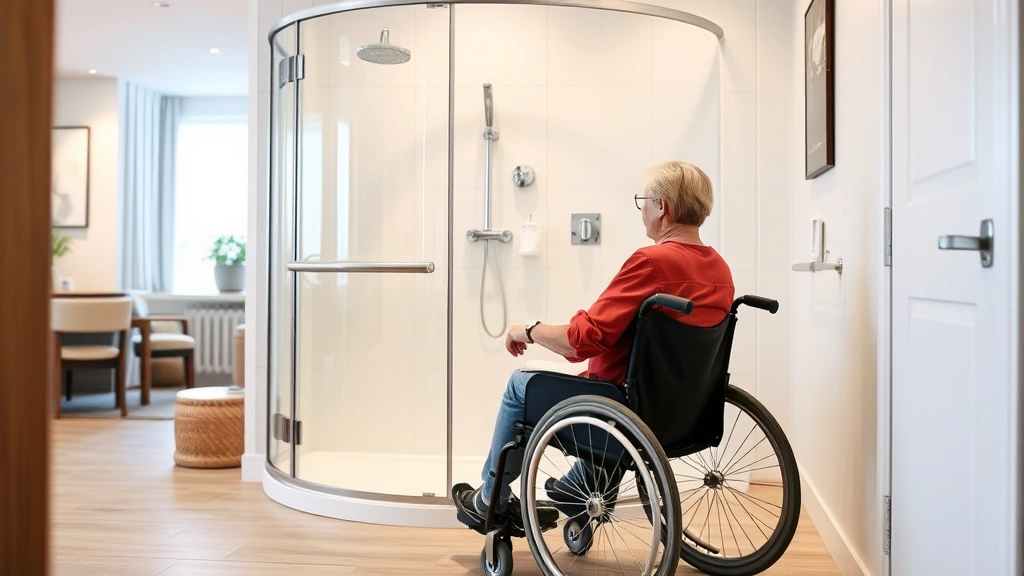
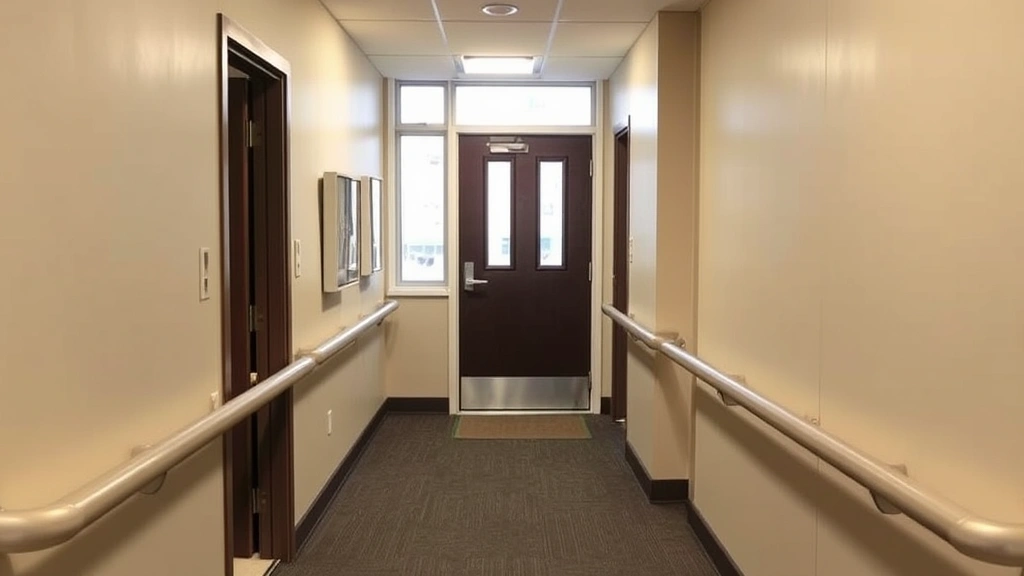
These are structural or design changes to your unit or building. Examples include installing grab bars in bathrooms, ramps at entrances, accessible parking spaces, widened doorways, and lowered light switches or thermostats. Landlords must allow these modifications, though they can require that modifications be done professionally and that you restore the unit upon move-out (with exceptions for permanent disabilities).
Ground Floor or Accessible Unit Transfer
Tenants with mobility impairments or chronic pain often request ground-floor units to avoid stair navigation. This is one of the most commonly approved accommodations and requires no physical modification—just unit reassignment. Document your condition’s impact on stair use, and most landlords will accommodate this request.
Accessible Parking
If your disability affects walking or standing, you may request designated accessible parking near your unit entrance. This accommodation is especially critical for those with mobility aids, chronic pain, or cardiovascular conditions.
Policy Exceptions for Service Animals and ESAs
Landlords cannot enforce no-pet policies against legitimate service animals or emotional support animals. If you have a disability-related need for an animal, your accommodation letter supports this request. Learn more about emotional support animal letters for apartments.
Lease Modifications and Early Termination
Some tenants request lease changes due to medical hardship—such as early termination if their condition worsens or relocation becomes medically necessary. A housing accommodation letter can support these requests by documenting medical necessity.
Additional Occupants (Caregivers)
If your disability requires a live-in caregiver, you can request an exception to occupancy limits. Your accommodation letter should explain why the caregiver is necessary for your daily functioning.
Allergen-Free or Smoke-Free Housing
Tenants with severe allergies, asthma, or respiratory conditions may request allergen-free units or enforcement of no-smoking policies. This accommodation requires documentation of your condition’s severity and the accommodation’s necessity.
How to Obtain Your Letter
Obtaining a housing accommodation letter involves several steps. Follow this process to ensure success:
Step 1: Identify Your Healthcare Provider
If you have an existing provider who knows your condition well, reach out to them first. If not, schedule an appointment with a new provider—your primary care doctor is a good starting point, or you can seek a specialist related to your condition.
Step 2: Schedule an Appointment
During your appointment, discuss your housing situation, specific accommodation needs, and how your disability affects your ability to live in standard housing. Be specific about what you’re requesting and why it matters to your health and safety.
Step 3: Request the Letter in Writing
After your appointment, send a written request to your provider. Include a template or outline of what you need the letter to contain (see Essential Components section above). Many providers appreciate guidance on what landlords expect.
Step 4: Provide Supporting Information
Share your accommodation request, lease terms, and any landlord communications. This helps your provider understand the context and write a more compelling letter.
Step 5: Follow Up
Providers are often busy. Follow up within a week if you haven’t received your letter. Be polite but persistent—you have a legal right to this documentation.
Step 6: Review the Letter
Once you receive it, carefully review the letter against the Essential Components checklist above. If anything is missing or unclear, ask your provider to revise it. A strong letter is worth the effort.
For those seeking comprehensive medical documentation of disability, professional services can help ensure your letter meets all legal standards.
Presenting Your Letter to Your Landlord
How you present your accommodation letter matters as much as the letter itself. Follow these best practices:
Put Your Request in Writing
Submit your accommodation request and supporting letter in writing—via email with read receipt, certified mail, or hand delivery with a signed acknowledgment. This creates a paper trail and prevents “he said, she said” disputes.
Use Professional Language
Frame your request as a legal accommodation under the Fair Housing Act, not a favor. Example: “I am requesting a reasonable accommodation under the Fair Housing Act due to my disability. Please see the enclosed documentation from my healthcare provider.”
Keep It Concise
Include your letter, a brief cover letter explaining your request, and any relevant lease sections. Don’t overwhelm your landlord with unnecessary documents.
Allow Reasonable Response Time
Landlords typically have 10 business days to respond to accommodation requests. Don’t expect immediate approval, but do follow up if you haven’t heard back within two weeks.
Document Everything
Keep copies of all correspondence, the accommodation letter, and any responses from your landlord. This documentation protects you if a dispute arises.
Know Your Rights
Landlords cannot deny reasonable accommodations, charge extra fees for them, or retaliate against you for requesting them. If your landlord refuses without legitimate reason, you may file a complaint with HUD’s Fair Housing Office or pursue legal action.
For additional guidance on presenting accommodations in different contexts, see our guide on medical housing accommodation for apartments.
What If Your Request Is Denied?
If your landlord denies your request, ask for the reason in writing. Legitimate reasons are limited—they must prove the accommodation creates undue financial burden or fundamentally alters the housing program. Most requests don’t meet this high bar. If you believe the denial is discriminatory, file a complaint with HUD or contact a disability rights organization like the Disability Rights Legal Center.
FAQ
Do I have to disclose my diagnosis in my accommodation letter?
No. Your letter should confirm you have a disability but need not specify the diagnosis. Many providers include only functional limitations and the accommodation’s necessity. However, some detail about your condition strengthens the letter—your provider can balance privacy with credibility.
How long does it take to get a housing accommodation letter?
If you have an established healthcare provider, 1-2 weeks is typical. If you need to find a new provider, add time for scheduling an appointment—potentially 2-4 weeks depending on availability. Start this process as early as possible.
Can my landlord charge me for accommodations?
No. Landlords cannot charge tenants for reasonable accommodations. This is a legal requirement under the Fair Housing Act. Some modifications (like paint or carpet replacement) may be paid for by the tenant if they’re not disability-related, but this should be clearly negotiated upfront.
What if my landlord asks for my medical records?
Landlords cannot demand your full medical records. They can only ask for information directly relevant to the accommodation request. Your healthcare provider’s letter should be sufficient. If your landlord pushes for records, consult a disability rights attorney.
Can I get an accommodation letter online without seeing a provider in person?
It depends on your location and the provider. Telehealth appointments are increasingly common and valid. However, be cautious of online services that offer letters without real medical evaluation—these lack credibility and may not hold up if challenged. A legitimate provider will conduct a genuine evaluation, even if virtual.
What’s the difference between a housing accommodation letter and an ESA letter?
A housing accommodation letter addresses any disability-related housing need (modifications, unit changes, policy exceptions). An ESA letter for apartments specifically documents the need for an emotional support animal. If you need both, you may need two separate letters.
How long is my accommodation letter valid?
There’s no set expiration date, but landlords may ask for updated letters if significant time has passed (typically 2+ years). If your condition has improved or worsened substantially, an updated letter reflects your current needs more accurately.
Can my employer request a housing accommodation letter?
No. Housing accommodation letters are specifically for landlords and rental situations. If you need workplace accommodations, you’ll need a different letter tailored to your employer’s needs. See our guide on workplace accommodation letters for more details.
What if I’m in subsidized or public housing?
The Fair Housing Act applies to all housing, including public and subsidized housing. Your accommodation letter carries the same legal weight. Follow the same process—submit your request and letter to your housing authority and document all communications.