Find Local Medical Housing: Expert Tips & Advice
Finding accessible, medically suitable housing can feel overwhelming, especially when you’re managing health conditions that require specific environmental accommodations. Whether you need ground-floor accessibility, allergen-free spaces, proximity to medical facilities, or structural modifications, locating the right home is critical to your health and independence. This guide provides practical strategies, legal resources, and expert advice to help you navigate the medical housing search with confidence.
Medical housing accommodations go beyond standard residential options. They address functional limitations, mobility challenges, sensory sensitivities, and chronic health needs. Understanding your legal rights under the Fair Housing Act, knowing what documentation you’ll need, and learning how to communicate your needs to landlords and property managers will significantly improve your chances of securing appropriate housing that supports your wellbeing.
Understanding Medical Housing Accommodations
Medical housing accommodations are modifications, adjustments, or alternative housing arrangements designed to enable people with disabilities or health conditions to live safely and independently. These accommodations vary widely depending on individual needs and may include physical modifications, location-based advantages, or policy adjustments from landlords.
Common types of medical housing accommodations include:
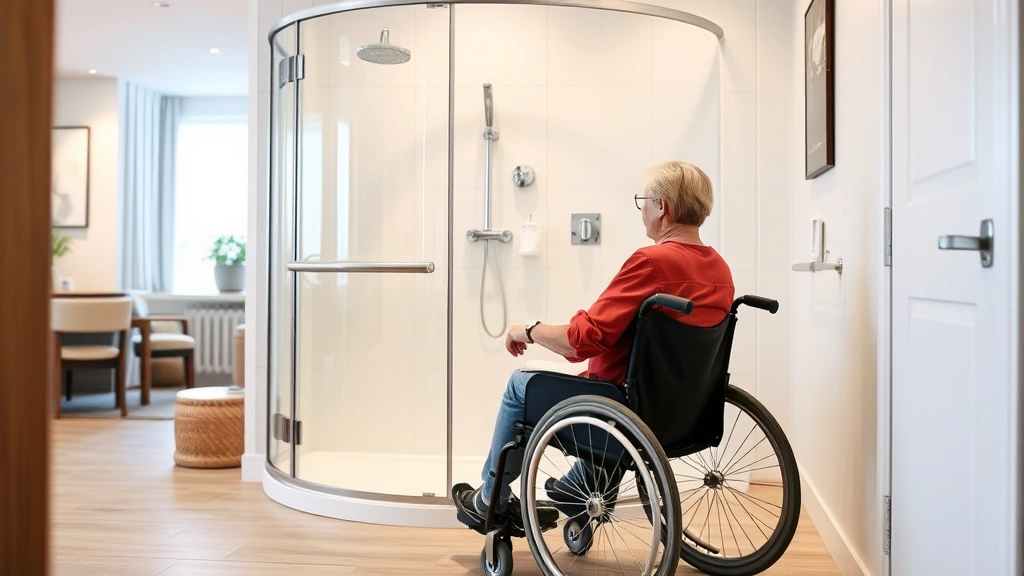
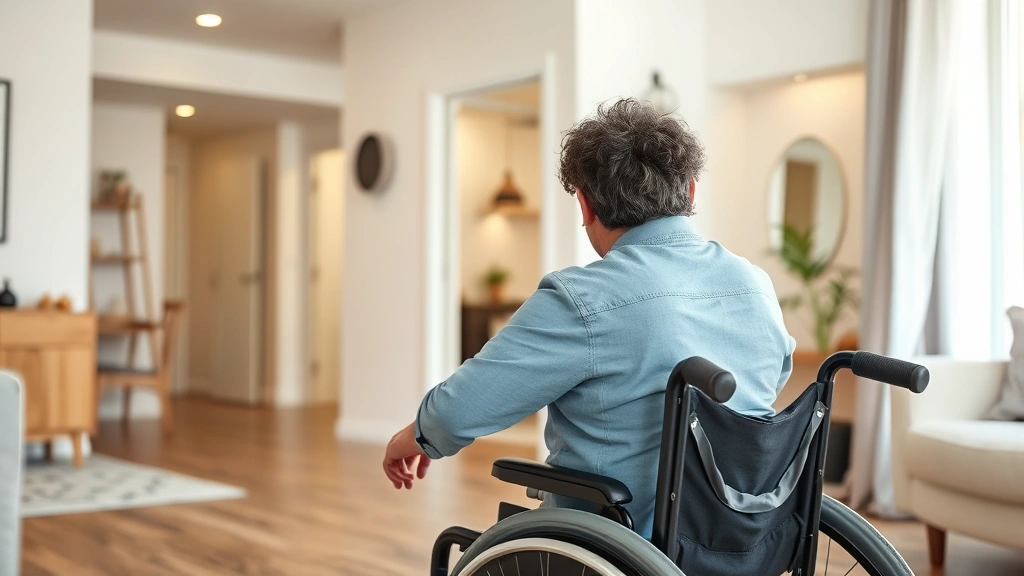
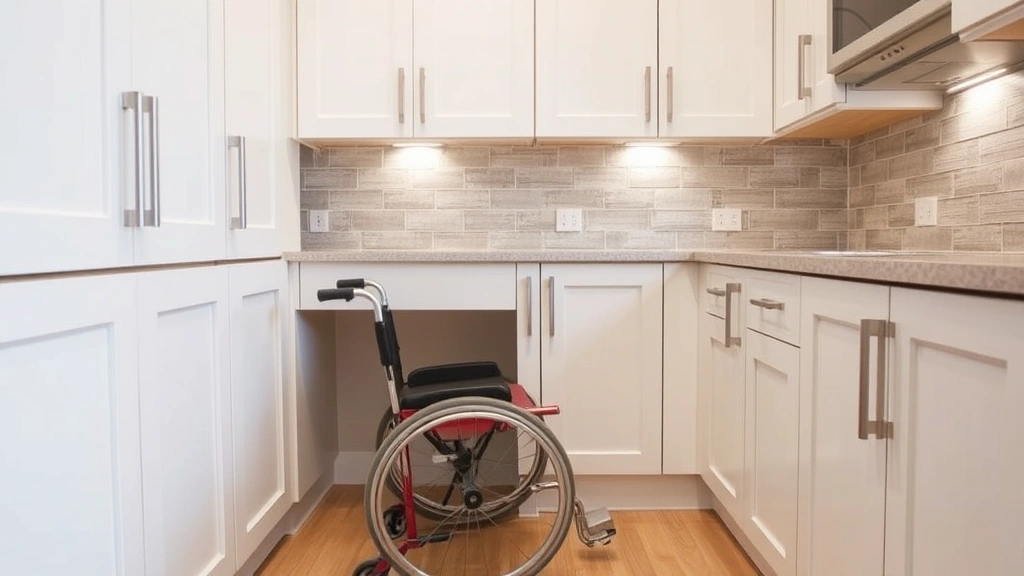
- Physical modifications: Wheelchair ramps, grab bars, accessible bathrooms, widened doorways, lowered cabinets, and specialized flooring
- Ground-floor or first-floor units: Essential for mobility limitations, chronic pain conditions, or cardiac/respiratory issues
- Proximity to medical facilities: Housing near hospitals, clinics, dialysis centers, or specialists reduces travel burden and emergency response time
- Environmental controls: Allergen-free units, mold remediation, air filtration systems, or fragrance-free common areas for chemical sensitivities
- Accessible parking: Designated spaces near entrances for people with mobility challenges or those requiring frequent medical visits
- Policy modifications: Service animal accommodations, flexible lease terms for medical leave, or guest policies allowing caregivers
- Utility accommodations: Modified heating/cooling systems, backup power for medical equipment, or laundry facilities in units
Under the Fair Housing Act, landlords must provide reasonable accommodations unless doing so creates undue financial or administrative burden. Understanding what qualifies as reasonable is crucial to advocating effectively for your needs.

Assessing Your Specific Housing Needs
Before searching for medical housing, conduct a thorough assessment of your functional limitations and environmental requirements. This clarity will streamline your search and help you communicate effectively with potential landlords.
Evaluate mobility and accessibility needs: Can you navigate stairs, or do you require ground-floor access? Do you use mobility aids like wheelchairs, walkers, or canes? Do you need grab bars, accessible bathrooms, or roll-in showers? Documenting these needs helps identify compatible properties.
Consider proximity and transportation: How often do you require medical appointments? Can you drive, or do you depend on public transit or medical transportation services? Housing near your healthcare providers, pharmacies, and support services reduces stress and improves health outcomes. Check local public transportation accessibility if you don’t drive.
Assess environmental sensitivities: Do you have allergies, asthma, or chemical sensitivities requiring allergen-free or fragrance-free environments? Do you need climate control for temperature-sensitive conditions? Are you sensitive to noise or require quiet surroundings? These factors significantly impact your health and should be non-negotiable in your search.
Evaluate caregiver and support needs: Will a caregiver, family member, or personal assistant live with you or visit frequently? Do you need flexible guest policies? Some housing accommodations include provisions for caregivers or modified lease terms supporting your care needs.
Review medical equipment requirements: Do you use oxygen, CPAP machines, dialysis equipment, or other medical devices requiring specific electrical access, ventilation, or space? Ensure potential housing can accommodate these safely.
Legal Protections and Your Rights
The Fair Housing Act (FHA), administered by the U.S. Department of Housing and Urban Development (HUD), protects your right to request reasonable accommodations. Understanding these legal protections empowers you to advocate confidently for your needs.
HUD’s Fair Housing Act overview establishes that landlords cannot discriminate based on disability and must provide reasonable accommodations in rules, policies, practices, or services when necessary to give you equal opportunity to use and enjoy housing.
Key legal protections include:
- Right to request accommodations: You can request modifications or policy changes at any time during tenancy, not just at lease signing
- Protection from discrimination: Landlords cannot refuse to rent, charge higher rent, or impose different terms based on disability
- Reasonable accommodation standard: Accommodations must be necessary to provide equal access; landlords cannot deny requests arbitrarily
- Interactive process: Landlords must engage in good-faith discussion about your needs and potential solutions
- Documentation requirements: You may be asked to provide medical documentation supporting your accommodation request, but landlords cannot require unnecessary medical details
The EEOC provides disability rights information relevant to housing-related discrimination. If a landlord denies a reasonable accommodation request, you can file a complaint with HUD or pursue legal action.
Finding Properties in Your Area
Locating medical housing requires strategic searching across multiple channels. Combine online platforms, local resources, and professional assistance for comprehensive results.
Online housing platforms: Websites like Zillow, Apartments.com, and Craigslist allow filtering by accessibility features. Use search terms like “accessible,” “ground floor,” “wheelchair friendly,” or “ADA compliant” to narrow results. Many platforms now include accessibility feature tags.
Specialized accessible housing databases: Organizations like the National Alliance of State and Territorial AIDS Directors and local disability advocacy groups maintain housing resource lists. Contact your state’s disability rights organization for local databases.
Local housing authorities: Public housing agencies often maintain accessible units and can provide information about medical housing programs. Contact your city or county housing authority directly.
Senior living and continuing care communities: Even if you’re not elderly, some communities accept younger individuals with significant medical needs. These properties typically have accessibility features and on-site medical support.
Non-profit housing organizations: Disability-focused nonprofits, medical condition-specific organizations, and community development corporations often operate affordable accessible housing. Search for organizations serving your specific condition or disability type.
Real estate agents specializing in accessibility: Some agents focus on accessible properties and understand accommodation needs. They can identify suitable options faster than general searches.
Local medical centers and hospitals: Many provide housing resource lists or have partnerships with accessible housing providers. Ask your healthcare team for recommendations.
Documentation You’ll Need
Proper documentation strengthens your accommodation requests and protects your rights. Prepare comprehensive medical evidence before beginning your housing search.
A doctor letter for housing accommodation from your healthcare provider should clearly establish the connection between your disability and your need for specific accommodations. This letter is essential when landlords request documentation.
Required documentation typically includes:
- Medical diagnosis letter: From your treating physician, establishing your diagnosis, functional limitations, and how these limitations necessitate specific accommodations
- Functional limitation documentation: Clear explanation of how your condition affects daily activities and mobility. This supports your specific accommodation requests
- Prescription or treatment plan: Medical records showing ongoing treatment and the medical necessity of accommodations
- Accessibility assessment: If you’ve worked with occupational therapists or accessibility specialists, include their professional recommendations
- Service animal documentation: If applicable, ADA compliant service animal documentation or emotional support animal letter for housing from your healthcare provider
Ensure your medical disability documentation is legitimate, current (within 1-2 years), and comes from licensed healthcare providers. Landlords may verify credentials but cannot contact providers without your permission or demand detailed medical information beyond what’s necessary to verify the accommodation need.
Requesting Accommodations from Landlords
Effective communication with landlords significantly improves accommodation request success. Approach these conversations professionally and document everything.
Submit requests in writing: Email or certified mail creates documentation of your request and the date submitted. Include your name, unit number (if applicable), and specific accommodations needed.
Be specific and clear: Instead of “I need an accessible apartment,” write “I require a ground-floor unit with accessible bathroom, grab bars in shower and toilet areas, and accessible parking within 50 feet of the entrance due to my mobility limitation.” Specificity demonstrates you’ve assessed your needs seriously.
Provide appropriate documentation: Attach your medical letter and relevant supporting documents. You don’t need to disclose your diagnosis; focus on functional limitations and accommodation necessity.
Reference legal protections: Respectfully mention Fair Housing Act protections: “Under the Fair Housing Act, I’m requesting reasonable accommodations to provide equal access to housing.” This professional approach often prompts landlords to take requests seriously.
Allow reasonable response time: Landlords typically have 10 business days to respond, though the interactive process may take longer. Follow up in writing if you don’t receive a response within this timeframe.
Be prepared to discuss alternatives: If your preferred accommodation isn’t feasible, discuss alternatives. For example, if ground-floor units aren’t available, discuss timeline for transfer or rent reduction while awaiting accommodation.
Keep detailed records: Document all communications—dates, who you spoke with, what was discussed, and any responses. This documentation protects you if disputes arise.
Evaluating Properties for Accessibility
When you’ve identified potential properties, conduct thorough accessibility evaluations before committing. Visit properties in person when possible to assess practical accessibility.
Exterior accessibility: Check parking lot surface (is it smooth and well-maintained?), walkway width (can wheelchairs navigate comfortably?), ramp grades (are they steep or manageable?), and entrance accessibility (are there stairs, automatic doors, or door width limitations?).
Common areas: Evaluate hallway width, elevator availability and functionality, stair accessibility, and common facility accessibility if you’ll use pools, fitness centers, or community rooms.
Unit-specific features: Check doorway widths (standard is 32 inches for wheelchair access), flooring transitions, bathroom layout and grab bar placement, kitchen accessibility and counter heights, bedroom size and closet access, and lighting and temperature control accessibility.
Environmental factors: Assess noise levels, air quality, natural lighting, temperature stability, and proximity to highways or industrial areas if you have sensitivities. Visit at different times to evaluate noise patterns.
Medical facility proximity: Use maps to verify distances to your doctors, hospitals, pharmacies, and essential services. Check public transit routes if applicable.
Emergency accessibility: Confirm emergency exit accessibility, fire alarm visual alerts if needed, and emergency personnel access to your unit.
Financial Resources and Assistance Programs
Medical housing often costs more due to accessibility features. Fortunately, various financial resources can help make appropriate housing affordable.
Housing choice vouchers: HUD’s Section 8 program provides rental assistance for low-income individuals and families, including those with disabilities. Contact your local public housing authority for applications and waitlist information.
Medicaid waiver programs: Many states offer Medicaid home and community-based services waivers that fund housing-related expenses for eligible individuals. Contact your state Medicaid office for details.
Disability-specific grants and loans: Organizations serving specific conditions (arthritis, spinal cord injury, visual impairment, etc.) often provide housing assistance. Search for your condition combined with “housing assistance” or “housing grants.”
Accessible housing tax credits: Some states offer tax credits for landlords who provide accessible units, which may result in more affordable rent. Ask landlords about available credits.
Modification grants: If you’re purchasing property, grants may help fund accessibility modifications. The ADA.gov website provides information on modification resources.
Non-profit housing organizations: Many operate affordable accessible housing developments. Research organizations in your area serving people with disabilities or specific health conditions.
Employer assistance programs: Some employers offer housing assistance or connections to accessible housing. Check with your HR department if you’re employed.
FAQ
What counts as a reasonable accommodation under Fair Housing Act?
Reasonable accommodations are modifications or adjustments that enable people with disabilities to use and enjoy housing equally. Examples include allowing service animals, permitting caregiver visits, providing accessible parking, or modifying policies. Accommodations must be necessary due to disability and not create undue financial burden on the landlord.
Can landlords charge extra for accommodations?
No. Under Fair Housing Act, landlords cannot charge additional rent or fees for reasonable accommodations. However, they may charge for modifications you request beyond reasonable accommodations, though this is uncommon. Always clarify costs in writing before proceeding.
How much medical information can landlords request?
Landlords can request information necessary to verify your disability and understand your accommodation need, but cannot demand detailed diagnoses, medical records, or treatment information. A letter from your healthcare provider stating your functional limitations and accommodation necessity is typically sufficient.
What if my landlord denies my accommodation request?
Request the denial in writing and ask for specific reasons. If you believe the denial is unlawful discrimination, file a complaint with HUD’s Fair Housing Office within one year of the violation. You can also consult a disability rights attorney.
Should I disclose my disability when applying for housing?
You’re not required to disclose disability upfront, but many people do to request accommodations proactively. Disclosure protects you from later claims that you misrepresented your needs. Provide only information necessary to establish accommodation necessity.
How do I find medical housing in rural areas?
Rural housing searches require more creativity. Contact your state’s disability advocacy organization, local medical centers, non-profit housing developers, and rural housing authorities. Consider whether relocating to areas with better medical access aligns with your health needs.
Can I request accommodations if I’m already renting?
Yes. Fair Housing Act protections apply throughout your tenancy. You can request accommodations at any time. Document your request in writing and provide appropriate medical documentation supporting your need.