Get Housing Accommodation Letter: Fast Approval Tips
A housing accommodation letter is a critical document that enables individuals with disabilities or medical conditions to request necessary modifications or adjustments to their living arrangements. Whether you need accessible parking, unit modifications, ground floor placement, or allergen-free housing, obtaining a strong accommodation letter significantly increases your chances of quick approval from landlords and property managers.
The process of securing a housing accommodation letter doesn’t have to be lengthy or complicated. By understanding what landlords and housing authorities require, preparing thorough medical documentation, and working with qualified healthcare providers, you can expedite approval and move forward with your accommodation request confidently. This guide walks you through proven strategies to obtain your letter quickly and effectively.
Understanding Housing Accommodation Letters
A housing accommodation letter is a formal document written by a licensed healthcare provider that verifies a person’s disability or medical condition and explains why specific housing accommodations are medically necessary. Unlike generic letters, effective accommodation letters clearly connect the individual’s condition to the requested modification, making it difficult for landlords to deny the request without legal risk.
These letters serve as the foundation for your accommodation request under the Fair Housing Act and Americans with Disabilities Act (ADA). They provide the medical and legal justification that transforms a simple request into a protected right. The stronger your letter, the faster landlords typically respond, as they understand the legal implications of non-compliance.
Housing accommodation letters differ from ESA letters for landlords in scope and purpose. While ESA letters specifically address emotional support animals, housing accommodation letters cover all types of reasonable accommodations including structural modifications, policy exceptions, and environmental adjustments.
Legal Framework and Your Rights
Understanding the legal foundation of your accommodation request empowers you to communicate confidently with landlords. The Fair Housing Act (FHA) explicitly prohibits discrimination based on disability and requires landlords to provide reasonable accommodations in rules, policies, practices, or services when necessary to afford a person with a disability equal opportunity to use and enjoy a dwelling.
The ADA also applies to housing in many situations, particularly multi-family properties and publicly-funded housing. These laws protect your right to request accommodations and mandate that landlords engage in the interactive process with you. Landlords cannot refuse reasonable accommodation requests outright; they can only request reliable documentation of your disability and the necessity of the accommodation.
State and local fair housing laws often provide additional protections beyond federal requirements. Many jurisdictions have their own disability rights agencies and enforcement mechanisms. Familiarizing yourself with your local laws strengthens your negotiating position and helps you understand your landlord’s obligations.
Key legal principles that accelerate approval:
- Landlords must provide accommodations even if they modify lease terms or building policies
- You’re not required to disclose your specific diagnosis, only that a disability exists
- Reasonable accommodations are not “special privileges” but legal rights
- Failure to engage in the interactive process exposes landlords to liability
- Documentation from licensed professionals carries significant legal weight
What Landlords Need to See
Landlords and property managers receive countless requests, and many lack training in fair housing law. They need clear, professional documentation that removes uncertainty and legal risk from their decision-making. Understanding their perspective helps you craft a letter that gets fast approval.
Effective housing accommodation letters include specific information that addresses landlord concerns: verification that you have a disability (without requiring diagnosis details), explanation of functional limitations related to your accommodation need, clear statement of why the specific accommodation is necessary, and confidence that approving the request is legally required and protects them from liability.
Your letter should be written on official letterhead from a licensed healthcare provider with relevant credentials. This includes physicians, psychiatrists, psychologists, nurse practitioners, physician assistants, and other licensed professionals qualified to assess your condition. The provider’s credentials and license number should be clearly visible, allowing landlords to verify authenticity if needed.
Essential components landlords evaluate:
- Provider’s credentials and license information
- Clear statement of disability or medical condition existence
- Specific functional limitations affecting housing needs
- Direct nexus between condition and requested accommodation
- Explanation of why accommodation is medically necessary
- Professional tone and proper formatting
- Absence of vague or overly broad language

” alt=”Healthcare provider reviewing medical documentation at desk with patient”>
Fast-Track Approval Strategies
Speed matters when you need housing accommodations. Landlords who understand the legal requirement and receive clear documentation often approve requests within days rather than weeks. Several proven strategies accelerate the approval timeline.
Strategy 1: Prepare Comprehensive Documentation First Before requesting your letter, gather all relevant medical records, test results, and treatment history. Provide this to your healthcare provider so they can write a comprehensive letter without requesting additional information. This eliminates back-and-forth delays and demonstrates your preparedness to landlords.
Strategy 2: Request Digital Delivery Ask your healthcare provider to deliver the letter digitally via email or secure portal. This allows you to submit it immediately to your landlord rather than waiting for mail delivery. Most providers now offer this option, and requesting it upfront prevents delays.
Strategy 3: Include Clear Accommodation Details Work with your provider to ensure the letter specifies exactly what accommodation you’re requesting. Vague requests like “accessible housing” create confusion. Specific requests like “ground floor unit to accommodate mobility limitations” enable faster landlord response.
Strategy 4: Submit with Your Application If you’re applying for a new unit, include your accommodation letter with your rental application. This signals upfront that you have a documented need and are prepared to discuss accommodations. Landlords appreciate transparency and advance notice.
Strategy 5: Follow Up Professionally After submitting your letter, follow up with your landlord within 3-5 business days. Professional, courteous communication demonstrates good faith and keeps your request visible. Many approvals happen simply because applicants maintain steady contact.
Working with Healthcare Providers
Your healthcare provider is your partner in obtaining quick approval. Clear communication about your needs and timeline helps them write effective letters efficiently. Most providers understand fair housing requirements, but some may need guidance on what makes a strong accommodation letter.
When approaching your provider, explain that you need a reasonable accommodation letter for housing and specify your timeline. If you need the letter within days, say so. Most providers can accommodate reasonable timeframes, especially if you’ve been their patient for some time and they have existing medical records.
Provide your provider with specific information about your accommodation request. Rather than asking them to guess what you need, explain: “I’m requesting a ground floor unit because stairs exacerbate my condition,” or “I need an allergen-free unit because my respiratory condition is triggered by common household allergens.” This specificity enables your provider to write a targeted letter that directly addresses your landlord’s concerns.
Consider asking your provider if they’ve written housing accommodation letters before. Experienced providers often write stronger letters because they understand what landlords need. If your current provider seems uncertain, you might seek a disability confirmation letter from a licensed doctor who specializes in accommodation documentation.
Discuss cost upfront. Some providers charge for accommodation letters, while others include them in regular visit costs. Understanding the fee prevents surprises and helps you plan your timeline. Telemedicine providers often offer faster turnaround than in-person offices, and many specialize in accommodation letters specifically.
Documentation Requirements
Strong documentation accelerates approval because it removes doubt and demonstrates that your request is medically legitimate. Landlords are more likely to approve requests supported by comprehensive records than those based on a single letter.
Essential documentation to gather:
- Medical records: Recent visit notes, test results, and treatment plans showing ongoing care for your condition
- Functional limitation assessment: A functional limitation verification letter that specifically describes how your condition affects daily activities
- Prescription records: Current medications demonstrating active treatment of your condition
- Specialist evaluations: Letters from specialists (pulmonologists for respiratory conditions, orthopedists for mobility issues, etc.) strengthen your documentation
- Accessibility reports: If requesting modifications, reports from occupational therapists or accessibility specialists provide professional validation
- Previous accommodation success: Documentation of successful accommodations in other settings (workplace, school) demonstrates that accommodations are necessary and effective
Organize your documentation in a clear folder or digital file. When submitting your accommodation letter, include a brief cover letter explaining what documents are attached and why each supports your accommodation need. This organization signals professionalism and makes landlord review faster.
Common Accommodation Requests
Different accommodations require different documentation approaches. Understanding what landlords typically need for your specific request helps you prepare accordingly.
Ground Floor or Accessible Unit Requests These are among the most common accommodations. Landlords need documentation showing mobility limitations, pain with stairs, or conditions exacerbated by climbing. Your letter should explain that climbing stairs causes pain, increases fall risk, or worsens your condition. Include any mobility device use or physical therapy recommendations supporting this need.
Accessible Parking Requests Documentation should address mobility limitations making distant parking difficult or impossible. Explain walking distance limitations and how accessible parking enables independent housing access. Reference any handicap placard if applicable, though it’s not required for housing accommodations.
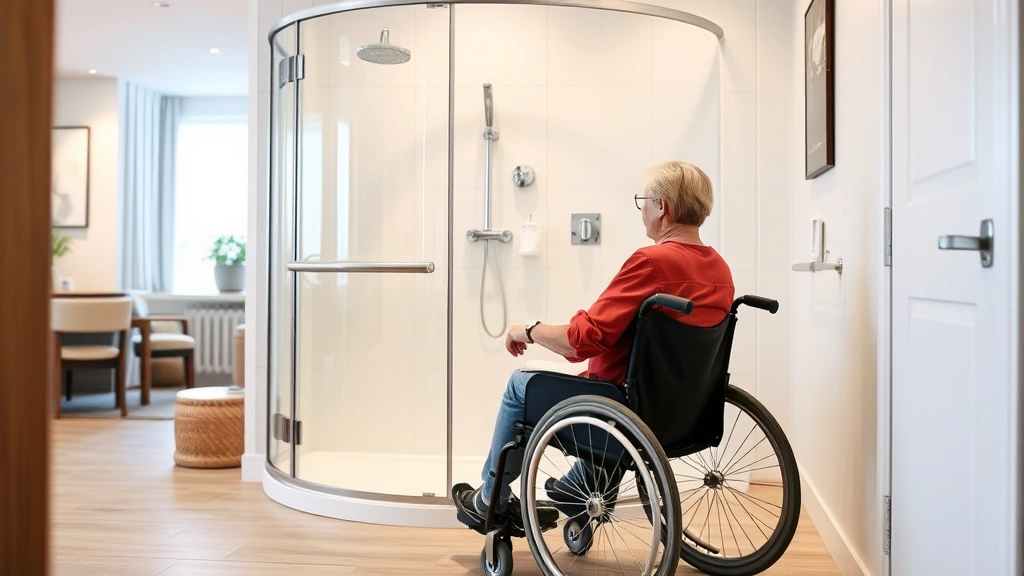
Unit Modifications (Grab Bars, Ramps, Accessible Bathrooms) These require documentation of specific functional limitations. For example, balance problems justify grab bars; mobility limitations justify ramps. Your healthcare provider should explain why the specific modification directly addresses your documented limitation.
Allergen-Free Housing or Environmental Modifications These require detailed explanation of your condition and how specific environmental factors trigger symptoms. Medical records showing treatment for allergies or asthma, combined with documentation of how the environment affects you, strengthen these requests. EEOC guidance on accommodations applies similar principles to housing contexts.
Pet or Service Animal Accommodations Even in no-pet buildings, reasonable accommodations allow service animals and, in many cases, emotional support animals. Documentation should clearly explain why the animal is necessary for your disability. Service animals require less documentation than ESAs.
Timeline and Next Steps
Understanding realistic timelines helps you plan appropriately. While “fast approval” varies by situation, knowing what to expect reduces stress and helps you stay organized.
Typical accommodation letter timeline:
- Days 1-2: Contact your healthcare provider and request the letter. Provide necessary medical history and accommodation details.
- Days 2-5: Provider writes and delivers letter. This varies based on provider workload, but most can accommodate 3-5 day requests for established patients.
- Days 5-6: You receive letter and review for completeness. Contact provider immediately if revisions are needed.
- Days 6-7: Submit letter to landlord with cover letter and supporting documentation.
- Days 7-14: Landlord reviews and responds. Fair housing law requires engagement within this timeframe.
- Days 14+: Negotiation and approval. Most reasonable requests receive approval within 2-4 weeks.
If your landlord hasn’t responded within two weeks, follow up in writing. Document all communications. If approval is denied without legitimate reason, you may need to escalate to your local fair housing authority or consult an attorney. HUD’s Fair Housing website provides resources for filing complaints.
After approval, request written confirmation of the approved accommodation. This creates a paper trail protecting you if issues arise later. Keep copies of all correspondence for your records.
For medical hardship situations requiring faster action, some landlords will approve accommodations provisionally pending complete documentation. Discuss expedited options with your landlord if your situation is urgent.
FAQ
How quickly can I get a housing accommodation letter?
If you’re an established patient with recent medical records, most providers can write a letter within 2-5 business days. Telemedicine providers specializing in accommodation letters often deliver within 24-48 hours. If you’re a new patient, timeline extends to 1-2 weeks as providers gather your medical history.
Do I have to disclose my specific diagnosis to my landlord?
No. Fair housing law only requires that you have a disability and that the accommodation is necessary. Your healthcare provider’s letter should verify the disability exists without necessarily revealing your specific diagnosis. However, some detail about functional limitations is necessary to justify the accommodation.
Can my landlord deny my accommodation request?
Landlords can only deny requests if they’re not reasonable, not necessary for your disability, or would cause undue financial or administrative burden. Most accommodation requests are deemed reasonable. If denied, you have the right to file a fair housing complaint.
What if my landlord requests more documentation?
This is normal and often indicates they’re taking your request seriously. Provide requested information promptly. If requests seem excessive or unrelated to your accommodation, you can contact your local fair housing authority for guidance.
Should I hire a lawyer for my accommodation request?
Most requests don’t require legal representation if your documentation is strong. However, if your landlord denies a reasonable request or seems to be retaliating, consulting a fair housing attorney is wise. Many offer free initial consultations.
Can I request accommodations after I’ve already signed a lease?
Yes. Fair housing law protects your right to request accommodations at any time during your tenancy. Submit your request and documentation in writing to your landlord’s management office, keeping copies for your records.
What’s the difference between an accommodation letter and an ESA letter?
An ESA letter for landlord specifically addresses emotional support animals. A housing accommodation letter covers all types of reasonable accommodations including unit modifications, policy exceptions, and environmental adjustments. You may need both if requesting both an ESA and other accommodations.
Can I get a housing accommodation letter online?
Yes. Telemedicine providers can conduct virtual evaluations and deliver digital accommodation letters. Ensure the provider is licensed in your state and has experience with housing accommodations. Online letters carry the same legal weight as in-person letters if from a qualified provider.
What happens if my landlord ignores my accommodation request?
Document all communication attempts. After two weeks without response, follow up in writing. If the landlord continues to ignore your request, file a complaint with HUD or your state’s fair housing agency. Ignoring reasonable accommodation requests violates fair housing law.