
Medical Hardship Letter: Housing Expert Insights
A medical hardship letter for housing is a formal document that communicates serious health challenges affecting your ability to maintain stable housing or comply with standard lease terms. Unlike generic hardship letters, medical hardship letters carry clinical weight—they bridge the gap between your lived experience and your landlord’s legal obligations under the Fair Housing Act and other disability protections.
Whether you’re facing eviction due to medical expenses, requesting lease modifications for accessibility needs, or seeking emergency housing relief, understanding how to craft and submit a compelling medical hardship letter can mean the difference between homelessness and stability. This guide draws on Fair Housing expertise, tenant rights frameworks, and real-world accommodation practices to help you navigate this critical process.
Medical hardship letters serve multiple purposes: they formally document your condition, establish legal standing for reasonable accommodations, create a paper trail for dispute resolution, and demonstrate good faith communication with your landlord. When written strategically with professional medical evidence, they’re powerful tools for securing housing stability.
What Is a Medical Hardship Letter for Housing?
A medical hardship letter is a formal written request submitted to your landlord, property manager, or housing authority that explains how a medical condition creates genuine hardship in your housing situation. It differs from a standard hardship letter because it explicitly connects health status to housing instability, legal accommodation rights, and urgent need for relief.
This letter can address multiple scenarios:
- Eviction prevention—requesting lease suspension or payment plan due to medical expenses
- Lease modification—seeking changes to terms (pet policy for service animals, ground floor transfer, lease termination without penalty)
- Accessibility improvements—requesting unit modifications or transfers to accessible units
- Emergency housing placement—requesting priority for subsidized or emergency housing programs
- Reasonable accommodations—formally requesting disability-related adjustments under Fair Housing law
The letter functions as both a compassionate appeal and a legal document. It creates documented evidence of your request, establishes your landlord’s notice of your condition, and demonstrates your good-faith effort to communicate before escalating to legal action or regulatory complaints.
Legal Framework and Fair Housing Protections
Your right to submit a medical hardship letter is grounded in federal and state disability housing laws. Understanding these protections strengthens your letter’s legal standing.
Fair Housing Act (FHA): This federal law prohibits housing discrimination based on disability. It requires landlords to provide reasonable accommodations in rules, policies, and practices when necessary to afford a person with a disability equal opportunity to use and enjoy housing. A medical hardship letter formally requests such accommodations.
Americans with Disabilities Act (ADA): While primarily covering public accommodations and employment, the ADA’s principles inform housing accessibility standards. The ADA.gov website provides comprehensive guidance on disability rights in housing contexts.
State and Local Tenant Protections: Many states and municipalities impose additional protections, including medical hardship eviction stays, mandatory payment plans, and expanded accommodation definitions. Research your jurisdiction’s specific statutes.
HUD Guidelines: The U.S. Department of Housing and Urban Development (HUD) enforces Fair Housing rules and provides detailed guidance on reasonable accommodations. HUD.gov offers resources on disability accommodations and tenant rights.
Your letter should implicitly invoke these protections without making it sound legalistic. Phrases like “reasonable accommodation under the Fair Housing Act” and “disability-related hardship” signal that you understand your rights and expect compliance.
Key Components of an Effective Letter
A persuasive medical hardship letter contains specific structural elements that maximize impact and legal defensibility.
1. Clear Identification and Dating
Start with your full name, current address, phone number, and email. Include the date. Address the letter to a specific person (landlord, property manager, or housing authority) by name and title. If you don’t have a name, use “To the Management of [Property Name]” and follow up with a phone call to confirm receipt.
2. Direct Statement of Request
Open with a single, unambiguous sentence stating your request. Example: “I am writing to formally request a reasonable accommodation under the Fair Housing Act due to a medical hardship that substantially limits my ability to maintain my current lease obligations.” This immediately frames your letter as a legal request, not a casual plea.
3. Medical Condition Description
Describe your condition in terms of functional limitations, not diagnosis alone. Rather than “I have fibromyalgia,” write: “I have a chronic pain condition that limits my mobility, energy, and ability to work full-time hours. This has reduced my income by 40% over the past six months.” Connect the condition directly to housing impact.
4. Specific Hardship Impact
Explain exactly how your condition affects your housing stability. Examples:
- “Medical treatments cost $800/month, reducing funds available for rent.”
- “My condition requires ground-floor housing to avoid stair climbing, but my unit is on the third floor.”
- “I require a service animal for psychiatric stability, but the lease prohibits pets.”
- “Hospitalization and recovery have prevented rent payment for two months.”
5. Specific Accommodation Request
State exactly what you need. Vague requests weaken your position. Instead of “help with my situation,” request: “a 90-day rent payment plan without late fees,” “transfer to a ground-floor unit,” or “waiver of pet restrictions for my certified service animal.”
6. Medical Professional Verification
Reference your healthcare provider’s support. Include a statement like: “My physician, Dr. [Name], has documented this condition and supports the requested accommodation as medically necessary.” This signals that your request isn’t self-serving but clinically justified.
7. Timeline and Urgency
Specify when you need a response and why urgency matters. Example: “I request your response within 14 days, as my current lease violation notice requires resolution by [date].” This prevents indefinite delays.
8. Professional Tone with Empathy
Write formally but not coldly. Avoid emotional language (“I’m desperate”) or accusations (“You’re being unfair”). Instead: “I understand this request requires consideration of property policies. I’ve been a reliable tenant and want to continue our positive relationship while addressing this medical need.”
9. Closing and Documentation Offer
End with: “I’m prepared to provide medical documentation from my healthcare provider to verify this accommodation request. Please let me know what additional information you need.” This demonstrates transparency and readiness to substantiate your claim.
Medical Documentation Requirements
Your letter’s credibility depends on supporting medical evidence. Landlords are legally entitled to request verification that your condition is real and that the requested accommodation is medically necessary.
What Documentation to Provide
Prepare a disability documentation package that includes:
- Physician’s letter: A brief statement from your doctor (1-2 paragraphs) confirming your diagnosis, functional limitations, and the medical necessity of your accommodation request. This doesn’t require extensive clinical detail.
- Functional limitation assessment: A functional limitation verification that describes how your condition affects daily activities, mobility, work capacity, or housing access.
- Treatment records summary: A brief overview of your ongoing treatment (therapy, medication, medical appointments) that demonstrates your condition is legitimate and ongoing.
- Disability verification letter: Consider obtaining a formal disability verification letter for housing specifically drafted for landlord review.
Privacy and Disclosure Strategy
You’re not required to disclose your specific diagnosis to your landlord. Fair Housing law protects medical privacy. Your documentation should verify disability and functional limitation without oversharing. A letter stating “chronic condition causing substantial mobility limitations” is sufficient; detailed symptom lists are unnecessary and may invite discrimination.
What If You Don’t Have Current Medical Care?
If you lack active healthcare provider relationships, establishing one before submitting your hardship letter strengthens your position significantly. Telehealth services can provide rapid access to clinicians who can document your condition. This investment in professional verification dramatically increases accommodation approval rates.

Strategic Writing and Presentation
Beyond content, how you present your letter matters enormously.
Format and Appearance
Use professional business letter format with standard fonts (Arial, Times New Roman, 11-12pt). Single-space, 1-inch margins. Keep length to 1-2 pages maximum. Landlords are more likely to read and act on concise, well-organized letters. Include your signature (handwritten or typed).
Tone and Language
Adopt a respectful but assertive tone. You’re not begging for mercy; you’re invoking legal rights. Avoid:
- Excessive apologies (“I’m so sorry to bother you”)
- Emotional manipulation (graphic suffering descriptions)
- Accusations (“You’re discriminating against me”)
- Threats (“I’ll sue if you don’t comply”)
Instead, use language like: “I am requesting a reasonable accommodation as provided under Fair Housing law,” which signals legal knowledge without hostility.
Customization vs. Templates
While templates provide structure, customize every letter to your specific situation and landlord. Generic letters are less persuasive. Reference your lease terms, previous conversations, specific property features, and your history as a tenant. This personalization demonstrates seriousness and respect.
Strength in Simplicity
Avoid legal jargon beyond Fair Housing Act references. Landlords understand plain language better than legalese. “My medical condition substantially limits my ability to climb stairs” is more effective than “my condition creates substantial functional impairment in ambulatory capacity.”
Submission and Follow-Up Process
How you submit your letter affects its impact and creates crucial documentation.
Delivery Method
Submit via multiple methods simultaneously to ensure receipt:
- Certified mail with return receipt: Provides legal proof of delivery and date received. This is essential for eviction defense or regulatory complaints.
- Email: Send to property management’s official email address. Request a read receipt.
- Hand delivery: Deliver in person and request a dated, signed receipt confirming receipt.
- Registered mail: Similar to certified mail, creates official documentation.
Never rely on informal submission. Always create a paper trail.
Timing Considerations
Submit your hardship letter as early as possible. If facing eviction, submit before the eviction notice is filed or immediately upon receiving notice. Proactive communication is more persuasive than reactive defense. If requesting accommodations for ongoing situations (accessibility, pet restrictions), submit before lease renewal to allow negotiation.
Follow-Up Protocol
If you don’t receive a response within 14 days, follow up with a phone call to confirm receipt and request a timeline for decision. Document this call with date, time, and the person’s name. If still unresponsive after 7 more days, send a second letter referencing your initial request and noting the lack of response.
Escalation Path
If your landlord denies your request or ignores it, you have escalation options:
- File a Fair Housing complaint with HUD
- Contact your state’s housing authority or attorney general
- Consult a disability rights organization like the Disability Rights Center (state-specific)
- Seek legal counsel from a tenant rights attorney
These escalations are stronger when you’ve documented your good-faith accommodation request in writing.
Common Housing Hardship Scenarios
Scenario 1: Eviction Due to Medical Expenses
Your hardship letter should request a payment plan, temporary rent reduction, or lease extension to allow recovery. Include your payment history (“I’ve paid on time for 3 years before this hardship”) and a realistic repayment timeline. Example: “I request a 90-day payment plan, paying $500/month of my $1,500 rent, with the balance due over the following 3 months as my medical leave ends.”
Scenario 2: Service Animal Pet Restriction Conflict
If your lease prohibits pets but you have a service animal or need an ESA letter for landlord approval, your hardship letter requests a reasonable accommodation. Reference the animal’s function: “My psychiatric service dog is essential for managing my anxiety disorder and allowing me to live independently.” Include verification of what makes an ESA letter valid documentation from your mental health provider.
Scenario 3: Accessibility Modifications Needed
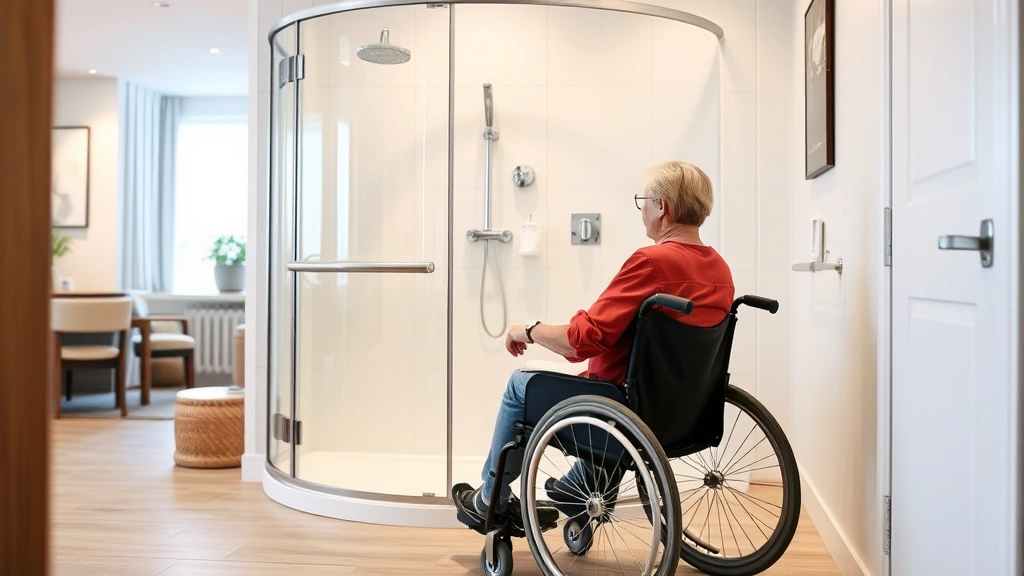
Request specific modifications: “I request installation of grab bars in the bathroom and a walk-in shower modification due to my mobility limitations, or transfer to an accessible ground-floor unit.” Propose cost-sharing if appropriate, or cite HUD resources showing landlord responsibility for accessibility.
Scenario 4: Lease Termination Due to Health Decline
If your condition has worsened and you need to relocate for treatment or family support, request early lease termination without penalty. Example: “Due to significant health decline requiring intensive outpatient treatment at [Hospital Name], I request lease termination effective [date] without early termination fees. My physician supports this move as medically necessary.”
Scenario 5: Emergency Housing Placement Priority
If homeless or facing homelessness, direct your letter to housing authorities or subsidized housing programs. Emphasize medical vulnerability and urgent need. Include documentation of your condition and its impact on housing access.

FAQ
Do I need a lawyer to write a medical hardship letter?
No. Many people write effective hardship letters independently using the guidance in this article. However, if your situation is complex (facing eviction, seeking expensive accommodations, or dealing with unresponsive landlords), consulting a tenant rights attorney strengthens your position. Many legal aid organizations provide free or low-cost consultations.
What if my landlord asks for medical details I don’t want to share?
Landlords can request verification that your condition is real and that the accommodation is medically necessary, but they cannot demand detailed diagnosis information or access to your full medical records. Provide only what’s necessary: functional limitations, medical provider confirmation, and accommodation justification. Your medical privacy is protected.
How long should I wait for a response before escalating?
Fair Housing law requires landlords to engage in an interactive process and respond to accommodation requests reasonably promptly—typically within 14-30 days. If you haven’t received a response or a clear timeline within 14 days, follow up in writing. After 30 days of silence or denial, consider filing a Fair Housing complaint.
Can a landlord charge me for reasonable accommodations?
Generally, no. Fair Housing law requires landlords to provide reasonable accommodations at no additional cost to the tenant. However, modifications that increase property value (like permanent accessibility installations) may be cost-shared depending on your jurisdiction and lease terms. Discuss this explicitly in your letter.
What if I’ve already been evicted? Can I still use a hardship letter?
Yes. You can submit a hardship letter as part of eviction defense, requesting lease reinstatement or payment plan. Include it in your court documents and provide it to the judge. While it won’t erase past violations, it may influence eviction judgment, especially if combined with legal arguments about reasonable accommodations.
Should I mention my condition to other tenants or property staff?
No. Keep your medical information private and communicate only with management or ownership. Other tenants don’t need to know, and oversharing can invite gossip or discrimination. Your hardship letter is a formal document for decision-makers only.
Can I request accommodations retroactively?
Yes, but proactive requests are more effective. If you’ve needed an accommodation for months but just formalized the request, explain the delay briefly (“I’ve recently sought medical documentation to formally request this necessary accommodation”). Moving forward, submit requests as soon as you identify the need.
What if I’m in subsidized or public housing?
Public housing authorities are bound by the same Fair Housing requirements as private landlords. Your hardship letter should reference your specific housing program’s policies and appeal to both compassion and legal obligation. Public housing often has ombudsman services or resident advocates who can assist.