Functional Limitation Letter: Housing Essentials Guide
A functional limitation letter for housing is a critical document that verifies your medical condition and how it affects your ability to live independently in standard housing. This letter, often provided by a licensed healthcare provider, bridges the gap between your medical reality and your housing needs—whether you require an emotional support animal, accessible modifications, or other reasonable accommodations. Understanding what goes into this document and how landlords use it can help you secure the housing that supports your health and wellbeing.
Housing discrimination based on disability is illegal under the Fair Housing Act, yet many tenants struggle to communicate their needs effectively to landlords and property managers. A well-crafted functional limitation letter serves as your advocate, clearly documenting the connection between your condition and your accommodation request. This guide walks you through everything you need to know about obtaining, understanding, and using a functional limitation letter in the housing context.
What Is a Functional Limitation Letter for Housing
A functional limitation letter is a professional document written by a licensed healthcare provider—such as a physician, psychologist, psychiatrist, or other medical professional—that describes how your disability or medical condition affects your ability to perform major life activities. In the housing context, this letter focuses specifically on how your condition impacts your ability to live safely, independently, and comfortably in residential settings.
Unlike a general diagnosis letter, a functional limitation letter emphasizes functional impact rather than the medical condition itself. For example, instead of simply stating “the tenant has anxiety disorder,” a functional limitation letter explains how that anxiety manifests in ways that affect housing—such as “the individual experiences panic attacks triggered by isolation, requiring an emotional support animal to manage symptoms and maintain stable housing.”
This document serves multiple purposes: it establishes the legitimacy of your accommodation request, demonstrates the nexus between your condition and your specific need, and provides landlords with the information necessary to make reasonable accommodation decisions under fair housing law. The letter essentially translates medical reality into housing-relevant language that both healthcare providers and property managers can understand.
Legal Framework and Fair Housing Protections
Your right to request housing accommodations is protected under several federal laws. The Fair Housing Act (FHA) prohibits discrimination based on disability and requires landlords to provide reasonable accommodations in rules, policies, practices, or services when necessary to afford a person with a disability equal opportunity to use and enjoy a dwelling. This protection extends to emotional support animals, accessible modifications, and policy exceptions.
The Americans with Disabilities Act (ADA) also provides protections, particularly in certain housing contexts such as subsidized housing or housing operated by entities covered by the ADA. Additionally, Section 504 of the Rehabilitation Act protects individuals with disabilities in programs receiving federal financial assistance.
Under these laws, landlords are entitled to request reliable documentation of your disability and the functional limitations it creates. A functional limitation letter provides this documentation in a format that satisfies legal requirements while protecting your medical privacy. The letter must come from a professional with personal knowledge of your condition—someone who has evaluated you and understands your specific functional limitations.
Key Components of an Effective Letter
A strong functional limitation letter for housing contains several essential elements:
- Healthcare Provider Credentials: The letter should be written on official letterhead and include the provider’s name, license number, specialty, and contact information. This establishes the provider’s authority and allows landlords to verify credentials if needed.
- Duration of Provider-Patient Relationship: The letter should state how long the provider has known the individual and the frequency of contact. This demonstrates the provider’s basis for making recommendations.
- Description of Functional Limitations: Rather than listing diagnoses, the letter describes specific functional limitations—difficulty with mobility, cognitive processing, emotional regulation, sensory perception, or other major life activities.
- Nexus Between Condition and Accommodation: The letter clearly explains why the specific accommodation (such as an ESA or accessible unit) is necessary to address the functional limitations. This is the critical link that justifies the request.
- Professional Opinion on Necessity: The provider states that, in their professional judgment, the accommodation is medically necessary and beneficial for the individual’s health and ability to function in housing.
- Specificity About the Accommodation: If requesting an emotional support animal, the letter specifies the type of animal and how it mitigates symptoms. For other accommodations, it explains exactly what is needed and why.
- Avoiding Generic Language: The letter should be individualized to the person’s specific situation, not a template or form letter that could apply to anyone.
A legitimate ESA letter for apartment approval follows these same principles, tailoring the content to the individual’s actual functional limitations and accommodation needs.

” alt=”Healthcare provider writing a functional limitation letter at desk with medical records”>
Functional Limitations vs. Diagnosis
Understanding the distinction between functional limitations and diagnosis is crucial for both obtaining an effective letter and appreciating why landlords prefer functional limitation letters. A diagnosis is a medical classification—for instance, “major depressive disorder” or “cerebral palsy.” A functional limitation describes how that condition affects your ability to perform activities of daily living and major life activities.
Fair housing law does not require you to disclose your diagnosis. In fact, landlords are not entitled to know your specific medical condition. What they are entitled to know is whether you have a disability (a condition that substantially limits a major life activity) and what accommodation you need as a result.
For example:
- Diagnosis-focused: “Patient has bipolar II disorder.”
- Functional limitation-focused: “Patient experiences episodes of severe mood dysregulation that significantly impair their ability to maintain stable housing and manage daily responsibilities. These episodes are substantially mitigated by the emotional support and routine provided by a canine emotional support animal.”
The second version protects your medical privacy while clearly establishing why you need an accommodation. When you request a disability verification letter for housing, the emphasis should always be on functional limitations rather than diagnostic labels.
How Landlords Evaluate These Letters
Understanding how landlords review functional limitation letters helps you anticipate what information will be most persuasive and credible. Savvy property managers and their legal counsel look for several indicators of a legitimate, reliable letter:
- Provider Credentials and Verifiability: Landlords often verify that the provider is licensed and in good standing. They want assurance that the letter comes from a qualified professional, not an online service of questionable legitimacy.
- Personal Knowledge: The letter should indicate that the provider has personally evaluated the individual and has an ongoing professional relationship with them. Letters from providers who have never met the person are rightfully viewed with skepticism.
- Specificity and Individualization: Generic, template-like letters raise red flags. Landlords expect functional limitation letters to address the individual’s particular situation, not use boilerplate language that could apply to anyone.
- Clear Nexus to the Accommodation: The letter must clearly explain why the specific accommodation is necessary. Vague statements like “the tenant needs an emotional support animal” without explaining how the animal mitigates functional limitations are less persuasive than detailed explanations of the connection.
- Professional Judgment, Not Guarantees: The letter should present the provider’s professional opinion and recommendation, not make absolute guarantees about outcomes or claim that the accommodation will “cure” the condition.
- Alignment with Established Standards: Letters that align with professional standards and legal requirements (such as HUD guidance on emotional support animals) are more likely to be accepted.
Common Housing Accommodations Supported by These Letters
Functional limitation letters support a wide range of housing accommodations. Understanding what accommodations may be available helps you articulate your needs effectively:
- Emotional Support Animals: Letters documenting how an animal mitigates psychiatric or emotional functional limitations are among the most common. These are distinct from service animals, which perform specific trained tasks.
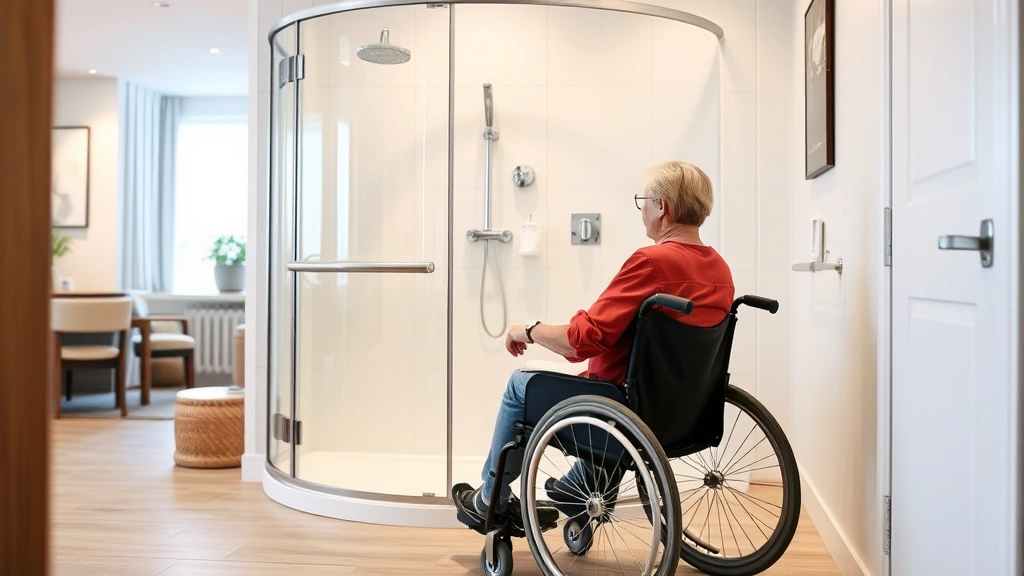
- Accessible Unit Modifications: Letters describing mobility limitations, chronic pain, or other physical functional limitations support requests for accessible parking, ground floor units, or accessible bathrooms.
- Lease Modifications: Functional limitation letters can justify exceptions to pet policies, smoking policies, or other standard lease terms when the exception is necessary to accommodate a disability.
- Flexible Lease Terms: Letters documenting functional limitations related to employment or health management may support requests for flexible lease terms or short-term leases.
- Maintenance Accommodations: Limitations affecting ability to maintain a unit or perform required upkeep can justify requests for modified maintenance expectations or assistance.
- Quiet or Low-Stimulation Housing: For individuals with sensory sensitivities, PTSD, or similar conditions, letters may support requests for units away from noise sources or high-traffic areas.
Working with Healthcare Providers
Obtaining a quality functional limitation letter requires clear communication with your healthcare provider. Here are strategies for productive conversations:
- Be Specific About Your Request: Don’t just ask for “a letter for my landlord.” Explain that you need a functional limitation letter documenting how your condition affects your ability to live in housing and why a specific accommodation is necessary.
- Provide Context: Help your provider understand the housing situation. Are you applying for an apartment? Are you requesting a specific accommodation? What barriers are you facing?
- Explain the Legal Framework: Many providers are unfamiliar with fair housing law. You can share that fair housing law requires documentation of functional limitations (not diagnosis) and the nexus between those limitations and the accommodation.
- Request Specific Elements: Ask that the letter include your provider’s credentials, the duration of your relationship, a description of your functional limitations, and an explanation of why the accommodation is necessary.
- Allow Time: Don’t request the letter at the last minute. Providers appreciate adequate time to write thoughtful, detailed letters.
- Follow Up in Writing: If discussing this verbally, follow up with an email summarizing your request. This creates a record and helps ensure nothing is forgotten.
If your primary care provider is unfamiliar with writing functional limitation letters or uncomfortable doing so, consider consulting a specialist in your condition. A mental health professional, for instance, is often well-positioned to document psychiatric functional limitations. A valid ESA letter typically comes from a mental health professional with relevant expertise.
Red Flags in Functional Limitation Letters
Both tenants and landlords should be aware of characteristics that suggest a letter may not be reliable or legitimate:
- Online Services Offering Letters Without Evaluation: Services that offer to provide letters without a real evaluation by a licensed professional are problematic. Fair housing law requires that providers have personal knowledge of the individual.
- Generic, Template Language: Letters using identical language across multiple clients, with only names changed, lack the individualization that demonstrates genuine knowledge of the person’s situation.
- Unverifiable Credentials: Letters from providers whose credentials cannot be verified or who are not licensed in the relevant state should be viewed skeptically.
- Overly Broad Statements: Claims like “this person needs an emotional support animal” without explaining functional limitations or the nexus to the animal are less credible than detailed explanations.
- Pressure or Marketing Language: Letters that seem designed to pressure landlords or include marketing language for a service are red flags for legitimacy issues.
- Lack of Professional Judgment: Letters that guarantee outcomes, claim to “cure” conditions, or present opinions as absolute facts rather than professional judgments lack the appropriate tone.
The HUD guidance on assistance animals provides excellent detail on what constitutes reliable documentation and what providers should include when writing letters.
FAQ
Do I have to disclose my diagnosis to a landlord?
No. Fair housing law does not require you to disclose your specific diagnosis. You must disclose that you have a disability (a condition substantially limiting a major life activity), but your diagnosis itself is private medical information. A functional limitation letter focuses on functional limitations rather than diagnosis, protecting your privacy while providing necessary information.
What if my landlord rejects my functional limitation letter?
If a landlord rejects a legitimate letter from a qualified provider, you may have grounds for a fair housing complaint. Document the rejection and consult with a fair housing organization. The U.S. Department of Housing and Urban Development (HUD) investigates fair housing complaints. However, landlords are entitled to request reliable documentation and may ask follow-up questions or request clarification. For more information on this scenario, see our guide on whether a landlord can reject an ESA letter.
How recent should my functional limitation letter be?
There is no universal requirement, but letters dated within the past year are generally preferred. If your condition is stable and well-documented, a slightly older letter may be acceptable. If your condition has changed or you’re applying for a new apartment, a more recent letter strengthens your application.
Can my primary care doctor write a functional limitation letter?
Yes, if your primary care doctor has personal knowledge of your condition and functional limitations. However, specialists are often better positioned to provide detailed, credible letters about specific conditions. A psychiatrist, psychologist, or other specialist in your condition typically has more expertise in documenting functional limitations related to that condition.
What is the difference between a functional limitation letter and an ESA letter?
A functional limitation letter documents how your condition affects your ability to function in housing. An ESA letter is a specific type of functional limitation letter that documents how an emotional support animal mitigates your functional limitations. All ESA letters are functional limitation letters, but not all functional limitation letters are ESA letters. For more detail, see our explanation of the difference between ESA and service animal letters.
Should I send my functional limitation letter before applying or after?
Timing depends on your situation. If you’re applying for a specific unit and already know you’ll need an accommodation, submitting the letter with your application demonstrates transparency and may expedite approval. If you’re still shopping for apartments, you might wait until you’ve found a suitable unit. Never feel pressured to disclose before you’re ready, but proactive disclosure often leads to smoother approval processes.
Can a landlord request additional information beyond what’s in the letter?
Yes. Fair housing law allows landlords to ask follow-up questions or request clarification about the functional limitations and the necessity of the accommodation. You may be asked to provide additional documentation, though landlords cannot demand your entire medical file. Reasonable requests for clarification are appropriate; invasive requests for detailed medical records are not.
Is there a specific format or template I should use?
There is no required format, but the letter should be on professional letterhead and include the elements discussed in this guide (provider credentials, duration of relationship, description of functional limitations, nexus to accommodation, and professional opinion). Your provider may have their own format, which is typically fine as long as it includes these key elements.
What if I don’t have an ongoing relationship with a healthcare provider?
Establishing a relationship with a healthcare provider is advisable for multiple reasons, including documentation of your condition. If you need a functional limitation letter, you’ll need to see a provider who can evaluate you and write the letter based on personal knowledge. Telehealth options are available if in-person visits are difficult, and many providers can establish new relationships relatively quickly.
How do I know if my provider is writing an appropriate letter?
Review the letter against the key components outlined in this guide. Does it include provider credentials? Does it describe your functional limitations? Does it explain why the specific accommodation is necessary? Does it sound individualized to your situation? If you’re uncertain, you can ask your provider if the letter meets fair housing standards or consult with a fair housing organization for feedback.