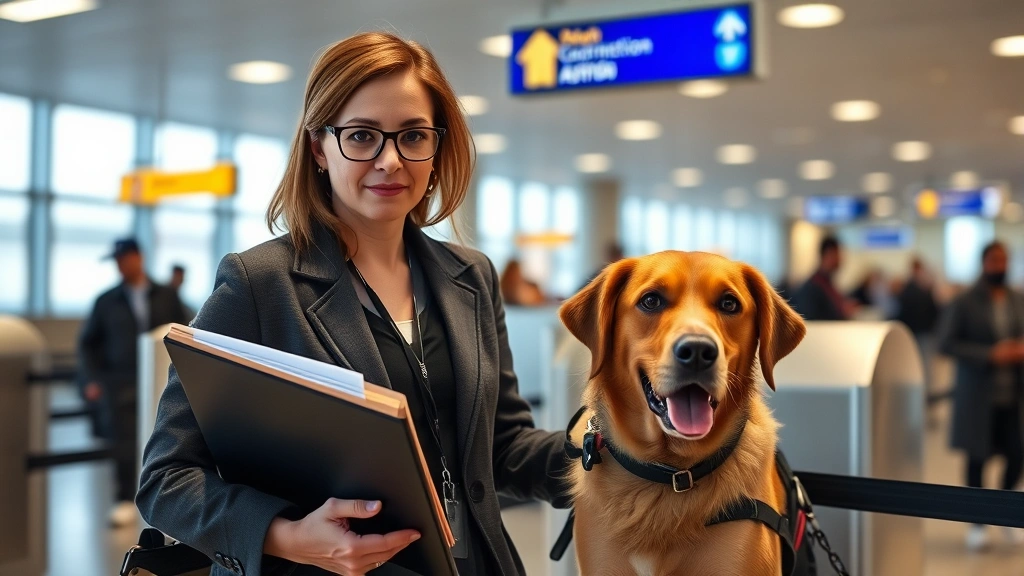
Travel with Service Animal: Doctor-Signed Letter Tips
Traveling with a service animal requires careful planning and proper documentation. A doctor-signed service animal travel letter serves as official verification that your animal is trained to perform specific tasks related to your disability and is essential for air travel, accommodations, and other transportation scenarios. Unlike emotional support animals, service animals have legal protections under the Americans with Disabilities Act (ADA), and having comprehensive medical documentation ensures smooth travel experiences across airlines, hotels, and public spaces.
This guide provides actionable strategies for obtaining and optimizing your doctor-signed service animal travel documentation. Whether you’re planning your first trip or need to renew existing letters, understanding what healthcare providers include in these documents and how to present them professionally can prevent delays, denials, and unnecessary stress at airports and accommodations.
Understanding Service Animal Travel Documentation
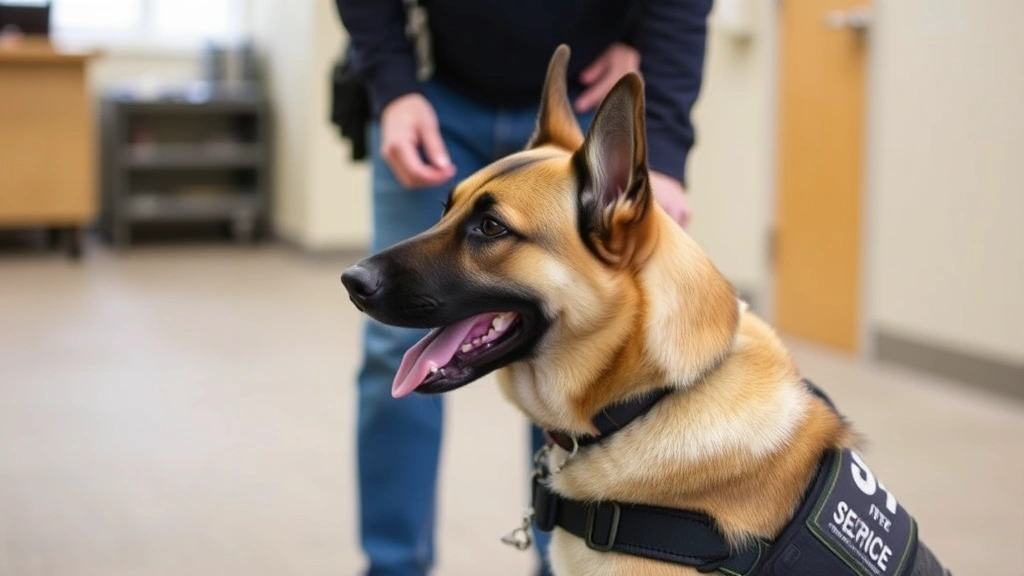
Service animals are individually trained to perform specific tasks or work for people with disabilities. The ADA defines service animals as dogs (and in some cases miniature horses) that have been trained to perform disability-related tasks. These tasks might include guiding people who are blind, alerting people who are deaf, pulling wheelchairs, alerting to seizures, reminding people to take medication, or performing other specific duties related to a person’s disability.
Travel documentation differs significantly from standard disability verification. Airlines, hotels, and transportation providers need to understand not just that you have a disability, but specifically that your animal is trained to work and is under your control. A doctor-signed letter carries medical authority and credibility that helps prevent your service animal from being denied access or separated from you during travel.
The TSA (Transportation Security Administration) and major airlines recognize service animal verification letters from licensed healthcare providers as legitimate documentation. These letters bridge the gap between your healthcare needs and travel logistics, making them invaluable for international flights, hotel stays, and ground transportation.
It’s important to distinguish between service animals and emotional support animals (ESAs). While ESAs provide comfort through companionship, service animals perform trained tasks. This distinction affects travel rights significantly. Service animals have broader protections under the ADA and are allowed in cabins on most airlines at no charge, whereas ESAs may have different policies depending on the airline.
What to Include in Your Doctor-Signed Letter
An effective service animal travel letter includes several critical components that airlines and accommodations expect to see. Your healthcare provider should include your full legal name, the date the letter was written, and their complete credentials including their medical license number and contact information. This allows travel personnel to verify the letter’s authenticity if needed.
The letter should clearly state that you have a diagnosed disability (using clinical terminology appropriate to your condition) and explain how that disability substantially limits major life activities. For example, instead of simply stating “you have anxiety,” the letter might specify “severe anxiety disorder that significantly impairs your ability to travel independently and manage environmental stressors.” This clinical specificity strengthens the documentation’s credibility.
Most importantly, the letter must detail your service animal’s specific trained tasks. Rather than vague statements like “provides emotional support,” describe concrete actions: “alerts to elevated heart rate associated with panic attacks and applies deep pressure therapy to ground the individual,” or “guides the handler safely through crowded environments and alerts to obstacles during vision loss episodes.” These specific tasks demonstrate that the animal is a working service animal, not a pet.
Your healthcare provider should also include information about how long the service animal has been working with you, confirming that the animal is under your control through voice commands or signals, and noting that the animal is housetrained and non-aggressive. Some healthcare providers include a statement that they have personally observed the animal performing its trained tasks, which adds significant weight to the documentation.
The letter should be written on official letterhead, signed by the healthcare provider in blue or black ink (digital signatures are increasingly accepted), and dated within the past 12 months. Some airlines and accommodations request updated letters annually, so consider timing your letter request strategically if you travel frequently.
Additionally, the letter might address any specific behavioral or health concerns relevant to travel. For instance, if your service animal may react to certain airport sounds or may require breaks during long flights, mentioning this preemptively can help staff provide appropriate accommodations. This demonstrates that you’re a responsible handler aware of your animal’s needs.
Preparing Your Healthcare Provider
Not all healthcare providers are equally familiar with service animal documentation. Before requesting a letter, educate your provider about the specific purpose and requirements. Schedule a dedicated appointment rather than requesting the letter during a routine visit—this shows respect for their time and allows them to give the request proper attention.
Prepare a one-page summary document for your provider that includes: the purpose of the letter (air travel, hotel accommodations, etc.), the specific tasks your service animal performs, your service animal’s name and breed, when you obtained the animal, and any relevant certification or training organization information. This document helps your provider understand what information to include without requiring them to conduct extensive research.
Bring your service animal to at least one appointment so your healthcare provider can personally observe the animal performing its trained tasks. This firsthand observation significantly strengthens the letter’s credibility and gives your provider confidence in the documentation they’re providing. If your service animal performs tasks subtly (like alerting to medical changes), consider demonstrating or explaining these tasks during the appointment.
Discuss any specific travel scenarios you’re planning. If you’re flying internationally, your provider might need to include additional information about the animal’s vaccinations or health status. If you’re traveling with a miniature horse as a service animal (which is ADA-protected), your provider should be aware and address this in the letter, as it’s less common and may require additional explanation.
Ask your provider if they’re comfortable providing updated letters periodically. Some providers charge fees for documentation letters, which is legally permissible. Clarify costs upfront and ask whether they’ll provide letters on an as-needed basis for future travel. Building this relationship now prevents complications when you need updated documentation later.
If your primary healthcare provider is unwilling or unable to provide service animal documentation, consider consulting with a mental health professional, neurologist, or other specialist who understands your disability and can observe your service animal’s work. Many healthcare systems now have providers experienced in disability accommodation documentation.
Airline-Specific Requirements and Procedures
Major airlines including United, Delta, American, and Southwest have specific procedures for traveling with service animals. Most require advance notice when you book your flight, typically 24-48 hours before departure. Some airlines request that you submit your doctor-signed letter before your flight date, while others accept it at the airport.
Check your airline’s website for their specific service animal policy. Some airlines provide downloadable forms that your healthcare provider can complete, which ensures all required information is included. These forms often ask for the provider’s credentials, your disability information, the animal’s training details, and behavioral confirmations. Using the airline’s form can streamline the process and reduce the chance of documentation being rejected.
When submitting documentation in advance, use the airline’s specified method—some prefer email to a specific department, while others use online portals. Keep detailed records of when you submitted documentation and confirmation that it was received. Screenshots or confirmation emails become valuable if any issues arise at the airport.
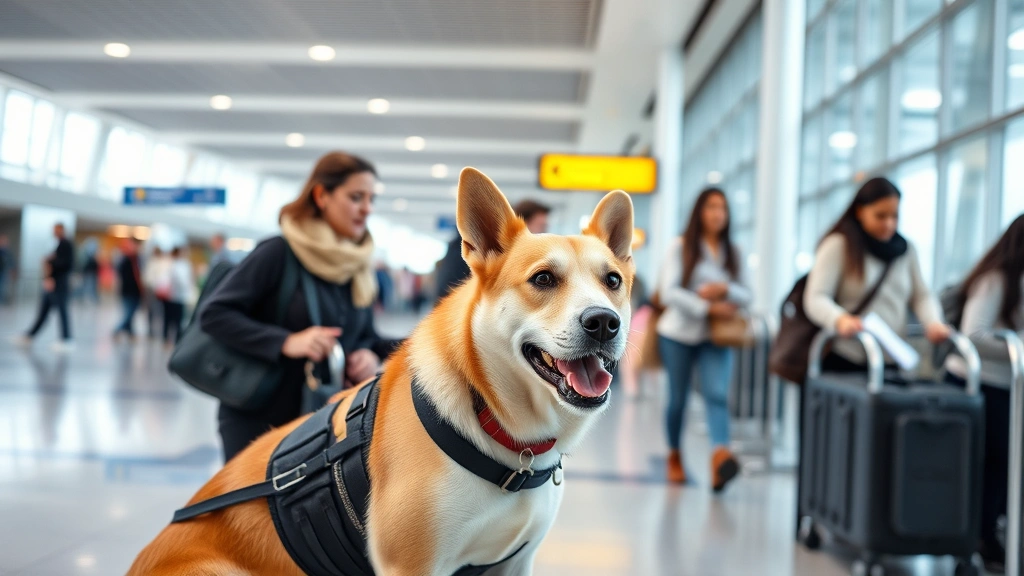
At the airport, arrive early to allow extra time for service animal verification. TSA agents and airline staff will ask questions about your animal’s training and may observe the animal’s behavior. Be prepared to answer questions calmly and clearly. Your doctor-signed letter supports your answers with professional medical authority, so have it readily accessible (not buried in luggage).
Some airports have designated relief areas for service animals. Ask TSA or airline staff about these facilities, especially for long layovers or extended waits. Your healthcare provider’s letter noting that your service animal may require breaks can help justify use of these facilities.
International travel adds complexity. Different countries have different requirements for importing animals, and some may not recognize the ADA. Research your destination’s animal import regulations well in advance. You may need health certificates, vaccination records, or country-specific documentation beyond your doctor’s letter. Consult with your airline and the destination country’s embassy or consulate about additional requirements.
International Travel Considerations
Traveling internationally with a service animal requires significantly more preparation than domestic travel. While your doctor-signed letter verifies your disability and the animal’s training status in the United States, international destinations may not recognize ADA protections or may have different legal frameworks for service animals.
Start by researching the destination country’s specific regulations regarding service animals. The United Kingdom, Canada, and Australia have well-established service animal recognition systems, while other countries may have limited or no formal recognition. Contact the destination country’s customs agency, health ministry, or embassy for specific requirements at least 3-6 months before travel.
Many countries require health certificates issued by a licensed veterinarian within a specific timeframe (often 10 days before travel) confirming the animal’s vaccinations, microchip information, and health status. Your service animal’s regular veterinarian can provide this documentation. Your doctor’s letter and the veterinary health certificate work together to establish the animal’s legitimacy and health status.
Some countries require specific vaccinations or may require quarantine periods upon arrival. Rabies vaccination is nearly universal, but other requirements vary. Ensure your service animal is current on all vaccinations and obtain written proof from your veterinarian. Some destinations may require this documentation to be certified by your country’s Department of Agriculture.
Airlines operating international routes may have more stringent requirements than domestic carriers. Some require advance notification well beyond 48 hours, and some may request additional documentation or restrict service animal cabin access on certain routes. Check with your specific airline early in the planning process.
Consider obtaining a letter from your healthcare provider that explicitly addresses your service animal’s training and your disability in language that may be easier for non-U.S. officials to understand. Some providers include translations or culturally appropriate explanations of disability and service animal work. Having your doctor explicitly state that the animal is essential for your safety and independence strengthens your case if questioned by international authorities.
Presenting Your Documentation Professionally
How you present your service animal documentation significantly impacts how it’s received. Keep your doctor-signed letter in a professional folder or clear document sleeve—not crumpled in your bag. Present it promptly when asked, along with any other requested documentation like veterinary health certificates or airline-specific forms.
Maintain composure and professionalism when presenting documentation, even if you encounter skepticism or resistance. Staff members may not be familiar with service animals, and your calm, respectful demeanor helps establish credibility. Explain your service animal’s role matter-of-factly: “My service animal is trained to alert me to dangerous blood pressure changes. Here’s my healthcare provider’s documentation confirming this.”
Keep copies of your doctor-signed letter in multiple formats: original hardcopy, scanned PDF on your phone, and email copies to yourself. If your original letter is lost or damaged, you have backups. Digital copies allow you to quickly share documentation with airline staff or accommodation providers via email.
If you encounter resistance or denial of your service animal’s access, calmly reference the specific ADA regulations or airline policies that protect service animals. Your doctor’s letter provides the factual basis for your claims. If you’re denied access, request the staff member’s name and contact information, and report the incident to the appropriate authority (airline customer service, hotel management, or the Department of Justice for ADA violations).
Consider obtaining additional mobility documentation if your disability affects your ability to navigate travel environments. This supplementary documentation strengthens your overall accommodation requests and helps staff understand your complete support needs beyond the service animal’s role.
For frequent travelers, create a travel documentation binder that includes your doctor’s letter, airline service animal policies, airline contact information, and a summary of your service animal’s trained tasks. This organized approach demonstrates preparedness and professionalism, which often leads to smoother travel experiences.
FAQ
How long is a doctor-signed service animal letter valid for travel?
Most airlines accept letters dated within the past 12 months. However, some may request more recent documentation or updated letters annually. Check your specific airline’s policy and consider obtaining fresh letters annually if you travel frequently. Your healthcare provider can typically provide updated letters relatively quickly if you maintain an ongoing relationship with them.
Can an online doctor provide a service animal travel letter?
While some telemedicine providers offer documentation services, airlines and accommodations generally prefer letters from healthcare providers who have an established treatment relationship with you and have personally observed your service animal. An in-person provider who knows you and your animal is significantly more credible than a provider you’ve never met online.
What if my healthcare provider refuses to write a service animal letter?
If your primary provider is unwilling, consult with a specialist (psychiatrist, neurologist, etc.) who treats your disability. You can also contact disability advocacy organizations for referrals to providers experienced in service animal documentation. Ultimately, your healthcare provider must be comfortable with the documentation they provide, so finding an aligned provider is important.
Do I need separate documentation for different airlines?
One doctor-signed letter can typically be used for all airlines, though some airlines prefer letters completed on their specific forms. You can submit the same letter to multiple airlines or use it at the airport. However, check each airline’s preferences—some may require their form to be completed, in which case you ask your healthcare provider to complete the airline’s form rather than providing a generic letter.
Can my service animal be denied cabin access if my letter is incomplete?
Yes. If your letter lacks critical information (such as specific trained tasks, your disability diagnosis, or your provider’s credentials), it may be rejected. This is why preparing your healthcare provider with detailed information is essential. An incomplete letter can result in your service animal being denied cabin access and required to travel in cargo, which is traumatic for both you and your animal.
What should I do if airline staff questions my letter’s authenticity?
Remain calm and offer to have them contact your healthcare provider directly using the contact information on the letter. Most airlines have procedures for verifying documentation, and your provider’s office can confirm that they issued the letter. Provide your healthcare provider’s contact information and allow the verification process to proceed. Having your provider’s direct number on the letter facilitates this verification.
Is a service animal letter the same as an ESA letter?
No. Service animal letters document that an animal is trained to perform specific disability-related tasks, while ESA letters simply confirm that an animal provides emotional support. Service animals have broader ADA protections and airline cabin access rights, while ESA protections are more limited. Airlines specifically ask whether you have a service animal or an ESA—this distinction matters significantly for travel rights.