

Service Animal Letter Laws: Essential Compliance Guide
Service animals serve as life-changing companions for individuals with disabilities, providing critical assistance that enables independence and safety. However, the legal framework governing service animal documentation is complex and often misunderstood by both handlers and organizations. Understanding the specific legal requirements for service animal letters is essential to ensure compliance with federal law, protect the rights of individuals with disabilities, and prevent fraud that undermines the entire service animal system.
This comprehensive guide explores the federal regulations, state laws, and best practices surrounding service animal letters. Whether you’re a healthcare provider issuing documentation, a business owner requesting verification, or an individual with a disability seeking proper accommodations, this resource will clarify what is legally required, what is prohibited, and how to navigate this critical area of disability law.
Federal Legal Framework for Service Animals
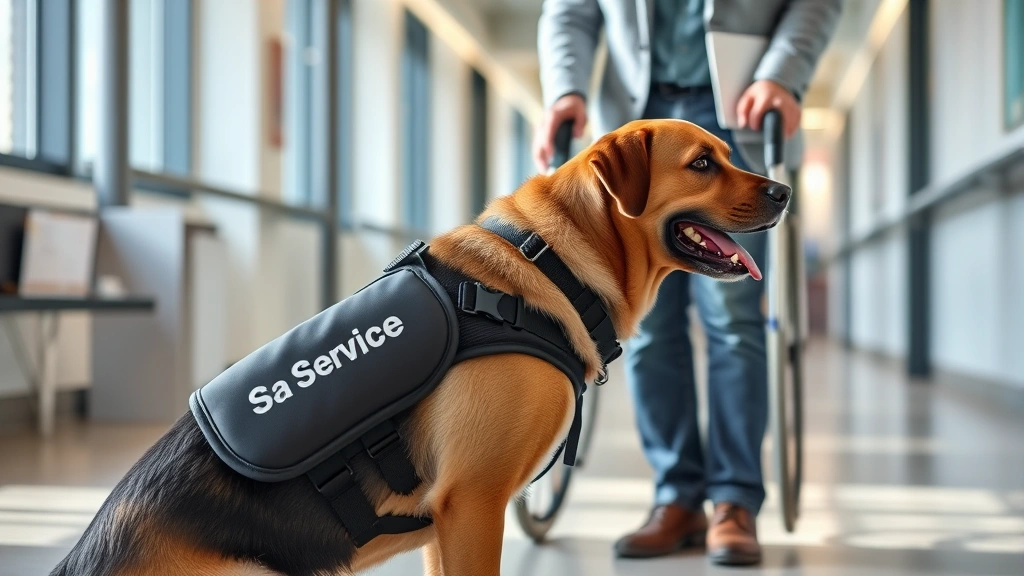
The legal requirements for service animal letters are primarily established under the Americans with Disabilities Act (ADA), specifically Title II (state and local government services) and Title III (public accommodations). The ADA does not require service animals to wear special vests, carry identification cards, or have any formal documentation. However, businesses may ask two specific questions if a dog’s service animal status is not apparent: (1) Is this a service animal required because of a disability? and (2) What work or task does the service animal perform?
Understanding these federal parameters is crucial because they establish what documentation can and cannot be legally required. The ADA Service Animals 2010 Requirements clearly state that service animals are not pets and are specifically trained to perform tasks or do work related to a person’s disability. This distinction is foundational to all service animal letter requirements.
The Fair Housing Act (FHA) provides additional protections for service animals in housing contexts, allowing reasonable accommodations for individuals with disabilities, including service animals. Unlike the ADA, the FHA does permit housing providers to request reliable, credible documentation of a service animal’s status when the disability or the disability-related need for the animal is not readily apparent.
ADA Definition and Scope
A service animal, under the ADA, is defined as a dog (or in some cases a miniature horse) that has been individually trained to perform specific tasks or do work directly related to a person’s disability. The key word is trained—the animal must have received formal instruction to perform disability-related tasks. This distinguishes service animals from emotional support animals (ESAs), which provide comfort through companionship but are not trained to perform specific tasks.
Legitimate service animal tasks include but are not limited to:
- Guiding individuals who are blind or have low vision
- Alerting individuals who are deaf or hard of hearing
- Retrieving items for individuals with mobility disabilities
- Alerting to and protecting individuals having seizures
- Reminding individuals to take medication
- Calming individuals with PTSD during anxiety episodes
- Detecting blood sugar changes in individuals with diabetes
- Performing mobility assistance for individuals with physical disabilities
It is important to note that emotional support animals, comfort animals, and therapy animals do not qualify as service animals under the ADA, even if they provide significant emotional benefits. This distinction is critical when determining what type of documentation is appropriate and legally required.
What Constitutes a Valid Service Animal Letter
A valid service animal letter must contain specific elements to be legally defensible and recognized by housing providers, employers, and public accommodations. While the ADA does not mandate a specific form, letters should include:
- Healthcare Provider Credentials: The letter must be from a licensed mental health professional or medical doctor with knowledge of the individual’s disability. For psychiatric service animals, a licensed mental health professional (psychologist, psychiatrist, social worker, or counselor) is typically required.
- Letterhead: Official letterhead with the provider’s name, credentials, license number, office address, and contact information establishes legitimacy and allows verification.
- Specific Disability Identification: The letter should confirm the individual has a disability as defined by the ADA but need not disclose the specific diagnosis. It should indicate that the disability substantially limits one or more major life activities.
- Specific Tasks or Work: The letter must describe the specific tasks or work the service animal performs related to the disability. Vague statements like “provides emotional support” are insufficient and may indicate an ESA letter rather than a legitimate service animal letter.
- Training Verification: The letter should confirm that the animal has been trained to perform the specified tasks, not simply that it provides comfort or companionship.
- Individual Identification: The letter should reference the specific individual requesting the accommodation, not be generic or applicable to multiple people.
- Professional Signature: A handwritten or digital signature from the licensed provider adds authenticity and legal weight to the documentation.
For housing accommodations, letters should clearly establish the nexus between the disability, the specific tasks the animal performs, and the individual’s need for that animal in their housing. A well-drafted letter provides housing providers with the information they legally need without requiring invasive medical details.
” alt=”Professional healthcare provider writing documentation at desk with medical records”/>
Legal Requirements for Healthcare Providers
Healthcare providers issuing service animal verification letters must adhere to strict legal and ethical standards. Providers have a professional and legal duty to issue documentation only when appropriate and evidence-based.
Licensing and Qualification: Only licensed healthcare professionals can issue legitimate service animal letters. This includes MDs, DOs, licensed psychologists, licensed clinical social workers, licensed professional counselors, and licensed marriage and family therapists. Online “letter mills” that issue documentation without a genuine professional relationship violate state licensing laws and federal regulations.
Established Professional Relationship: A valid letter requires an established therapeutic or medical relationship between the provider and the individual. The provider must have personal knowledge of the individual’s disability and functional limitations. Letters issued after a single online consultation or without in-person evaluation may violate professional standards and state laws.
Evidence-Based Assessment: Providers must conduct appropriate diagnostic assessments before confirming a disability and the need for a service animal. This may include clinical interviews, psychological testing, medical evaluation, and review of medical history. The provider must have a reasonable basis for their professional opinion.
Accurate Representation: Providers must not misrepresent the legal status of animals. Issuing a service animal letter for an emotional support animal or pet is fraudulent and violates professional ethics codes. Similarly, providers cannot issue letters for animals that have not received appropriate task training.
Recordkeeping: Providers should maintain detailed clinical records supporting their service animal letters, including assessment findings, the individual’s reported disability, the specific tasks the animal performs, and the professional’s reasoning for the accommodation. These records may be requested by licensing boards or in legal proceedings.
Prohibited Inquiries and Documentation
Understanding what cannot be legally required is as important as understanding what can be required. The ADA and FHA explicitly prohibit certain inquiries and documentation requests:
- Specific Diagnosis: Businesses and housing providers cannot require disclosure of the specific disability diagnosis. They can only ask if the animal is required because of a disability.
- Medical Records: Requesting complete medical records or psychiatric evaluations is prohibited and violates privacy rights.
- Proof of Disability: Organizations cannot demand documentation of disability status beyond what is necessary to establish the disability-related need for the animal.
- Veterinary Certification: While housing providers may ask for veterinary documentation of the animal’s health and behavior, they cannot require special “service animal certifications” or registrations, as no official registry exists.
- Public Access Tests: Organizations cannot require animals to pass specific behavioral tests or certifications before public access. The ADA requires only that the animal be under control via leash, harness, or voice command and not pose a direct threat.
- Excessive Fees: Housing providers cannot charge additional pet fees for service animals, as they are not pets. Charging fees for service animals constitutes discrimination under the FHA.
Many fraudulent websites offer “service animal registrations” or “certifications” for a fee. These registrations have no legal validity under federal law and should not be requested by legitimate organizations. The ADA does not recognize official registries, and no government agency maintains a list of legitimate service animals.
State-Specific Regulations
While federal law provides the baseline, many states have enacted additional protections or requirements regarding service animals. Some states impose criminal penalties for misrepresenting a pet as a service animal, recognizing that fraud undermines the entire system.
State Misrepresentation Laws: Several states, including California, Florida, and Texas, have enacted laws making it illegal to misrepresent a pet as a service animal. These laws may impose fines, criminal charges, or both for individuals who fraudulently claim their pet is a service animal to gain public access or housing accommodations.
State Licensing Requirements: Some states have specific requirements for who can issue service animal documentation and what information must be included. Consulting state-specific disability rights organizations can clarify local requirements.
Housing Provider Requirements: State laws vary regarding what documentation housing providers can request. Some states require that housing providers accept a letter from any licensed healthcare provider, while others specify the type of provider or information required. Understanding HUD Fair Housing guidance and state regulations is essential for compliance.
Consequences of Non-Compliance
Non-compliance with service animal letter laws carries significant consequences for all parties involved.
For Individuals: Presenting fraudulent service animal documentation can result in criminal charges, civil liability, and denial of accommodations. Individuals may face fines, legal action from housing providers or businesses, and damage to their credibility in future accommodation requests.
For Healthcare Providers: Issuing fraudulent or inappropriate service animal letters violates professional ethics codes and can result in license suspension or revocation. Providers may face complaints to state licensing boards, lawsuits, and loss of professional reputation. State medical boards and psychology boards take these violations seriously.
For Organizations: Businesses and housing providers that improperly deny service animals or request illegal documentation face civil rights complaints, lawsuits under the ADA and FHA, and significant financial liability. Conversely, organizations that accept fraudulent documentation may face liability and operational challenges.
Best Practices for Documentation
For individuals seeking emotional support animal letters or service animal documentation, working with established, reputable healthcare providers is essential. Consider these best practices:
Establish a Genuine Relationship: Work with a healthcare provider who has knowledge of your disability and medical history. Avoid “letter mill” websites that issue documentation without proper evaluation. A legitimate provider will conduct appropriate assessment and maintain clinical records.
Be Honest About Your Needs: Clearly communicate the specific tasks your animal performs or the support it provides. If your animal provides emotional support but is not trained for specific tasks, an ESA letter may be more appropriate than a service animal letter. Misrepresenting your animal’s status harms both you and legitimate service animal handlers.
Understand the Distinction: Know whether you need a service animal letter (for an animal trained to perform specific disability-related tasks) or an ESA letter (for an animal providing comfort through companionship). The distinction affects what accommodations you can legally request and what documentation is appropriate.
Request Comprehensive Documentation: When working with a healthcare provider, ensure your letter includes all elements discussed above: provider credentials, specific disability confirmation, specific tasks, training verification, and professional signature. Request a copy for your records.
For Housing Providers: When requesting service animal documentation from individuals, ask only legally permissible questions. Request reliable, credible documentation when the disability or disability-related need is not apparent, but avoid requesting specific diagnoses, medical records, or illegal certifications. The Fair Housing Act provides guidance on appropriate documentation requests.
For Employers: Employers should work with HR professionals and legal counsel when evaluating service animal accommodations. Request documentation only when necessary to establish the disability-related need, and ensure compliance with EEOC guidelines on disability accommodations.
FAQ
Can a service animal letter be issued online without an in-person evaluation?
Federal law does not prohibit online letters, but they must be issued within an established professional relationship where the provider has personal knowledge of the individual’s disability. A single online consultation without prior treatment history is typically insufficient and may violate professional standards. Many states require in-person evaluation for service animal documentation. Reputable providers should conduct thorough assessments regardless of format.
What is the difference between a service animal letter and an ESA letter?
A service animal letter confirms that an animal has been trained to perform specific tasks related to a disability. An ESA letter confirms that an animal provides therapeutic benefit through companionship for someone with a disability. Service animals have public access rights under the ADA; ESAs do not. Housing providers must reasonably accommodate ESAs under the FHA. The legal rights and requirements differ significantly.
Can I get a service animal letter for an animal that hasn’t received formal training?
No. A legitimate service animal letter must confirm that the animal has been trained to perform specific disability-related tasks. If your animal has not received formal training, a service animal letter would be fraudulent. An ESA letter may be appropriate if the animal provides emotional support through companionship.
What should I do if a healthcare provider issues me a fraudulent service animal letter?
If you suspect a healthcare provider has issued fraudulent documentation, you can file a complaint with the state licensing board for that profession. You can also report the provider to the FBI if fraud is involved. Using fraudulent documentation yourself, however, can result in legal consequences, so it’s important to work only with reputable providers.
Can a housing provider charge a pet fee for a service animal?
No. Under the Fair Housing Act, service animals are not pets and cannot be subject to pet fees or deposits. Housing providers also cannot require pet liability insurance for service animals. However, housing providers can charge for damage caused by the animal beyond normal wear and tear, just as they would for any tenant-caused damage.
Are online service animal registries legitimate?
No. There is no official government registry for service animals under federal law. Websites offering service animal registration or certification for a fee are fraudulent. These registrations have no legal validity and should not be requested by legitimate organizations. The ADA does not recognize any official registry.
What if my service animal is a miniature horse?
Under the ADA, miniature horses can qualify as service animals if they have been individually trained to perform disability-related tasks. However, miniature horses have more limited public access rights than dogs and are not covered under housing accommodations in all cases. A service animal letter for a miniature horse should clearly describe the specific tasks the animal performs and may require additional documentation regarding the animal’s training and behavior.