Tenant Rights for Medical Accommodations: Legal Insights
Living with a medical condition or disability shouldn’t mean sacrificing your right to safe, accessible housing. As a tenant, you have legal protections under federal law that require landlords to make reasonable accommodations to your rental unit or lease terms. Understanding these rights is the first step toward securing the housing modifications and support you need to thrive.
Medical accommodation letters serve as critical documentation in housing disputes, providing landlords with the professional verification they need to approve your request. Whether you require physical modifications, policy exceptions, or service animal accommodations, knowing how to properly request and support your claim can make the difference between approval and denial.
Understanding Your Legal Rights as a Tenant
Federal law, specifically the Fair Housing Act (FHA), prohibits discrimination based on disability in all housing transactions, including rental agreements. This means landlords cannot refuse to rent to you, charge higher rent, or impose different lease terms simply because you have a disability or medical condition. More importantly, landlords must provide reasonable accommodations—changes to rules, policies, or the physical space—that enable you to enjoy your rental home equally.
These rights apply regardless of whether you live in public housing, private rental apartments, single-family homes, or condominiums. The only exceptions are owner-occupied buildings with four or fewer units where the owner resides, and certain religious organizations. If you believe your landlord has violated your rights, you can file a complaint with the Department of Housing and Urban Development (HUD) within one year of the alleged discrimination.
Many tenants don’t realize they have these protections until they encounter a landlord who denies their request. This is why having proper documentation—a medical accommodation letter from a qualified healthcare provider—is essential. It shifts the conversation from “prove you need this” to “here’s the professional verification you requested.”
What Constitutes a Medical Accommodation
A medical accommodation is any change to a rule, policy, practice, or physical feature of a rental property that allows a person with a disability to have equal access and enjoyment. Accommodations are highly individualized; what works for one tenant may not apply to another.
Common housing accommodations include:
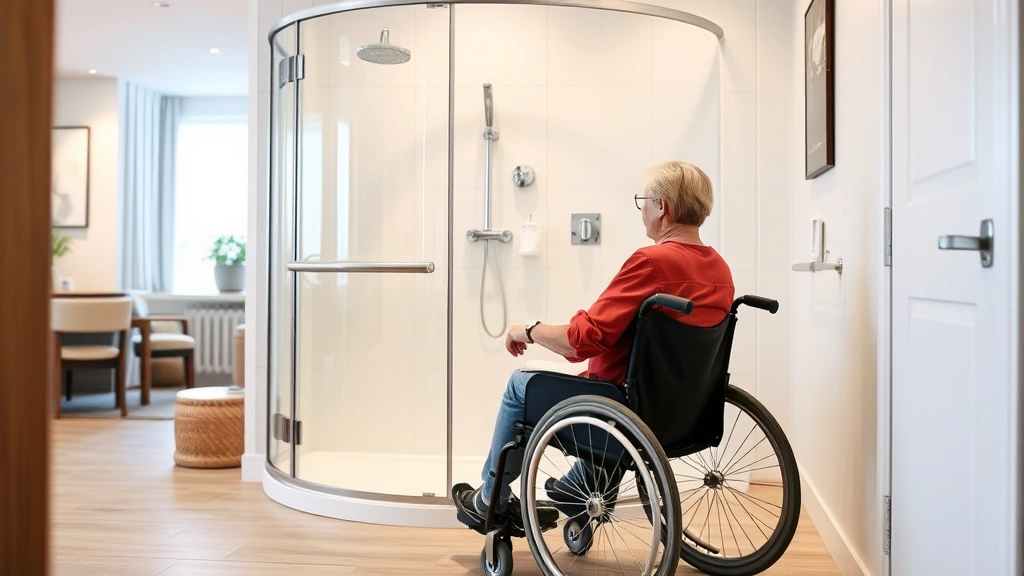
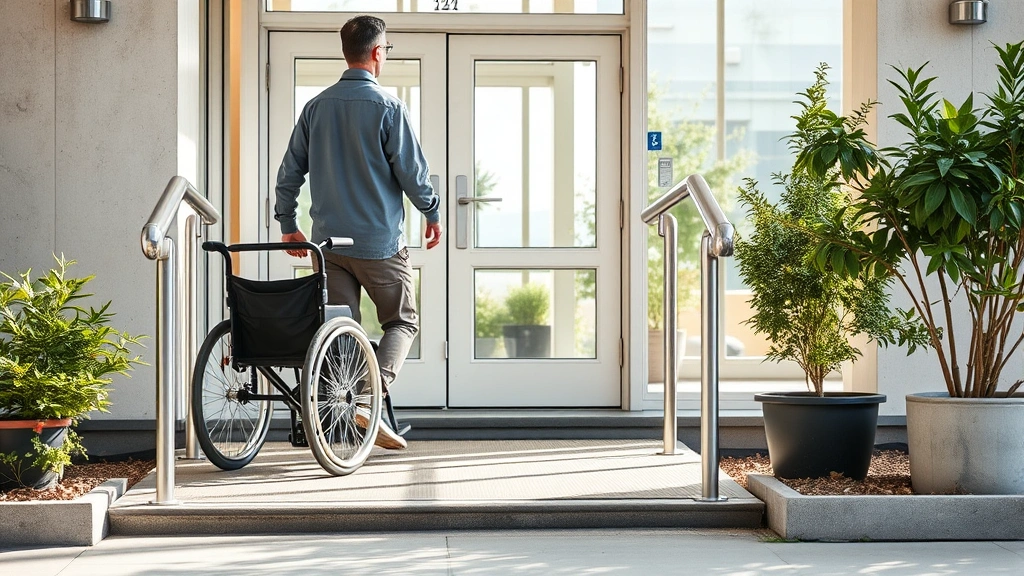
- Physical modifications: Grab bars, ramps, accessible parking spaces, widened doorways, or specialized flooring for mobility aids
- Policy exceptions: Allowing a service animal or emotional support animal despite no-pet policies, permitting additional guests for caregivers, or allowing frequent maintenance visits
- Unit transfers: Moving to a ground floor unit, a unit closer to an exit, or a location with better natural light for those with seasonal affective disorder
- Lease modifications: Extending lease terms, allowing early termination for medical reasons, or adjusting quiet hours
- Parking accommodations: Reserved accessible parking spaces or covered parking for medical equipment storage
The key principle is reasonableness. An accommodation must be effective in addressing your disability-related need without creating undue financial or administrative burden on the landlord. Most common requests—like allowing a service animal or installing grab bars—meet this standard.
The Role of Medical Accommodation Letters
A medical accommodation letter is professional documentation from a licensed healthcare provider stating that you have a disability or medical condition and explaining why you need a specific accommodation. This letter serves multiple purposes in tenant-landlord relationships.
First, it provides objective verification of your need. Landlords are not required to take your word for it; they can request reliable documentation. A letter from your physician, psychiatrist, nurse practitioner, or other qualified provider carries legal weight and demonstrates you’re not making frivolous requests.
Second, it clarifies the nexus—the connection between your condition and the accommodation. For example, if you request a ground floor unit, your letter should explain that climbing stairs exacerbates your arthritis or that you use a wheelchair. This specificity strengthens your request and leaves no room for misinterpretation.
Third, it protects you legally. Should a dispute arise, the letter demonstrates you followed proper procedures and provided the landlord with legitimate documentation. This can be crucial if the case escalates to a Fair Housing complaint or lawsuit.
When requesting a medical accommodation letter, work with your healthcare provider to ensure it addresses the specific accommodation you need. Learn more about obtaining proper disability confirmation documentation to strengthen your housing request.

Fair Housing Act Protections
The Fair Housing Act is the primary federal law protecting tenants with disabilities. Under the FHA, a disability is defined broadly as a physical or mental impairment that substantially limits a major life activity. This includes obvious conditions like mobility impairments, but also less visible disabilities like chronic pain, mental health conditions, and neurological disorders.
The FHA requires landlords to make reasonable accommodations in rules, policies, practices, or services when necessary to give a person with a disability equal opportunity to use and enjoy a dwelling. This is not optional—it’s a legal mandate. Refusing an accommodation request without legitimate justification violates federal law.
Additionally, many states and local jurisdictions have their own fair housing laws that may provide even stronger protections. For example, some states include protections based on source of income or familial status that go beyond federal requirements. Research your local Equal Employment Opportunity Commission (EEOC) office or state housing authority for jurisdiction-specific guidance.
The FHA also protects your right to keep a service animal or emotional support animal in housing that otherwise prohibits pets. This is one of the most common accommodations tenants request, and it’s explicitly protected under federal law.
Requesting Accommodations: Step-by-Step Process
Step 1: Document Your Need
Before contacting your landlord, gather documentation from your healthcare provider. This should include a medical accommodation letter that clearly states your disability and the specific accommodation you’re requesting. The letter should be on the provider’s letterhead and include their contact information, professional credentials, and signature.
Step 2: Submit Your Request in Writing
Never make an accommodation request verbally. Send a formal written request to your landlord or property manager via email (with read receipt), certified mail, or hand delivery with a signed receipt. Keep copies of everything. Your request should include:
- A clear description of the accommodation you’re requesting
- An explanation of how the accommodation relates to your disability
- Your medical documentation
- A request for a response timeline (typically 10 business days is reasonable)
Step 3: Be Prepared to Discuss
Your landlord may ask follow-up questions about your accommodation request. This is normal and doesn’t mean they’re denying your request. They may ask whether alternative accommodations could work or discuss implementation details. Approach these conversations collaboratively.
Step 4: Get the Decision in Writing
Whether your landlord approves or denies your request, ask for written confirmation. If approved, clarify who pays for the accommodation and when it will be completed. If denied, ask for the specific reason and whether they’d accept a different form of accommodation.
Step 5: Know Your Appeal Options
If your request is denied, you have options. You can request reconsideration with additional documentation, file a complaint with HUD, consult with a disability rights attorney, or pursue mediation through a local fair housing organization.
Common Accommodation Requests and Approval Rates
Certain accommodation requests have higher approval rates because they’re well-established as reasonable and necessary. Understanding these can help you frame your own request effectively.
Service and Emotional Support Animals
These are among the most commonly approved accommodations. Even landlords with strict no-pet policies must allow service animals and, with proper documentation, emotional support animals. Learn how to properly prove your service animal need to landlords. Approval rates are very high when proper documentation is provided.
Accessible Parking
Reserved accessible parking spaces are nearly always approved when medically necessary. The cost to landlords is minimal, and the benefit to tenants is significant.
Unit Modifications
Requests for grab bars, ramps, or accessible showers are usually approved, though landlords may discuss who bears the cost. Temporary modifications are more likely to be approved than permanent ones.
Unit Transfers
Ground floor transfers for mobility issues are commonly approved, especially if the unit is available. Transfers due to light sensitivity, noise sensitivity, or proximity to exits are also frequently granted.
Policy Exceptions
Requests to modify lease policies—such as allowing a caregiver to visit frequently or waiving pet restrictions—are approved at moderate rates. These depend more on the landlord’s flexibility and the strength of your documentation.
When Landlords Can Deny Your Request
While landlords must accommodate disabilities, they can deny requests in limited circumstances. Understanding these exceptions helps you prepare a stronger request.
Undue Financial or Administrative Burden
Landlords can deny an accommodation if it creates significant cost or operational difficulty. However, this bar is high. Minor expenses or inconvenience don’t qualify. For example, installing grab bars is usually not an undue burden, but major structural renovations might be.
Fundamental Alteration
An accommodation can be denied if it fundamentally alters the nature of the housing or service. This is rare in residential rental contexts.
Insufficient or Unreliable Documentation
If your medical letter doesn’t clearly establish the disability-accommodation nexus, the landlord can request more information. However, they cannot demand extensive medical records or interrogate your provider about your condition.
The Accommodation Isn’t Necessary
If the landlord can demonstrate that you don’t actually need the requested accommodation, they can deny it. However, tenants generally get the benefit of the doubt in these situations.
Safety Concerns
In rare cases, an accommodation can be denied if it poses a direct threat to health or safety. However, this requires objective evidence, not speculation or stereotypes about disabilities.
Documentation Requirements and Standards
Not all medical letters are created equal. Understanding what landlords can and cannot request helps you provide appropriate documentation without oversharing private medical information.
What Landlords Can Request:
- Confirmation that you have a disability as defined by the FHA
- Explanation of the disability-accommodation relationship
- Information about the functional limitations that necessitate the accommodation
- Verification that the provider is treating you or has personal knowledge of your condition
What Landlords Cannot Request:
- Detailed diagnosis or medical history
- Specific medications or treatment plans
- Medical records or test results
- Information about prognosis or severity
- Access to your healthcare provider’s full file
Your medical accommodation letter should be concise—typically one page—and focus on the accommodation’s necessity rather than exhaustive medical details. See examples of well-structured accommodation letters that balance thoroughness with privacy protection.
If a landlord requests excessive medical information beyond what’s necessary to evaluate your accommodation request, you can decline and file a Fair Housing complaint. The HUD Office of Fair Housing and Equal Opportunity can investigate whether the landlord is improperly interfering with your rights.

FAQ
How quickly must a landlord respond to an accommodation request?
There’s no specific federal timeline, but landlords should respond within a reasonable period—typically 5-10 business days. If they need additional information, they should request it promptly. Unreasonable delays can themselves violate fair housing laws.
Do I have to disclose my specific diagnosis to my landlord?
No. Your medical accommodation letter should establish that you have a disability without detailing your diagnosis. You only need to explain how your condition necessitates the requested accommodation.
What if my landlord says they’ve “never heard of” my condition?
Landlords aren’t medical experts, and unfamiliarity with a condition doesn’t justify denial. Your healthcare provider’s letter should explain the condition and its functional impact. If the landlord remains skeptical, you can offer to have your provider speak directly with them (with your consent).
Can my landlord charge me for the accommodation?
It depends on the accommodation. For permanent modifications that benefit future tenants, many landlords cover costs. For temporary modifications or policy exceptions, costs are typically split or waived. Discuss this during your accommodation request. If a landlord charges excessively, it may constitute discrimination.
What happens if my landlord denies my request?
Request the reason in writing. If you believe it’s discriminatory, file a complaint with HUD within one year. You can also consult a fair housing attorney. Many fair housing organizations offer free consultations.
Do I need a lawyer to request an accommodation?
Not necessarily. Many landlords approve well-documented requests without legal involvement. However, if your request is denied or your landlord is difficult, consulting a disability rights attorney or local fair housing organization can be valuable. Many offer free or low-cost services.
Can I request an accommodation after I’ve signed the lease?
Yes. Disability-related accommodation requests can be made at any time during tenancy. You don’t need to anticipate needs before signing.