Requesting Lease Changes: Expert Tips for Reasonable Accommodation Requests
When a medical condition affects your ability to live comfortably in your current rental, a reasonable accommodation lease change can provide essential relief. Whether you need to break your lease early, modify your unit, or adjust lease terms, landlords are legally required to consider requests that enable you to enjoy your home safely and independently. Understanding your rights and following the proper procedures significantly increases your chances of approval.
This comprehensive guide walks you through the lease modification process, from identifying your accommodation needs to submitting a compelling request backed by medical documentation. We’ll cover the legal framework, practical strategies, and real-world examples to help you navigate this important conversation with confidence.
Understanding Reasonable Accommodations Under Fair Housing Law
The Fair Housing Act (FHA) prohibits discrimination based on disability and requires landlords to make reasonable accommodations in rules, policies, practices, or services when necessary to afford a person with a disability equal opportunity to use and enjoy a dwelling. This legal protection applies to rental properties nationwide, regardless of whether the landlord receives federal funding.
A reasonable accommodation is any change to a rule, policy, practice, or service that enables a person with a disability to have equal access and use of housing. The key word is “reasonable”—the request must be necessary to accommodate your disability and not create an undue financial or administrative burden on the landlord. Courts have consistently upheld that lease modifications can be reasonable accommodations when properly documented.
Your landlord cannot:
- Deny your request simply because it’s inconvenient
- Charge additional fees for a reasonable accommodation
- Require you to pay for modifications related to your disability
- Retaliate against you for requesting an accommodation
- Ask for unnecessary medical details beyond what’s needed to verify the disability-accommodation nexus
Understanding these protections empowers you to advocate effectively. The HUD Fair Housing Office provides resources and can investigate complaints if your request is wrongfully denied.
Types of Lease Changes You Can Request
Lease modifications fall into several categories, each addressing different disability-related needs. Your specific situation will determine which type of change is appropriate.
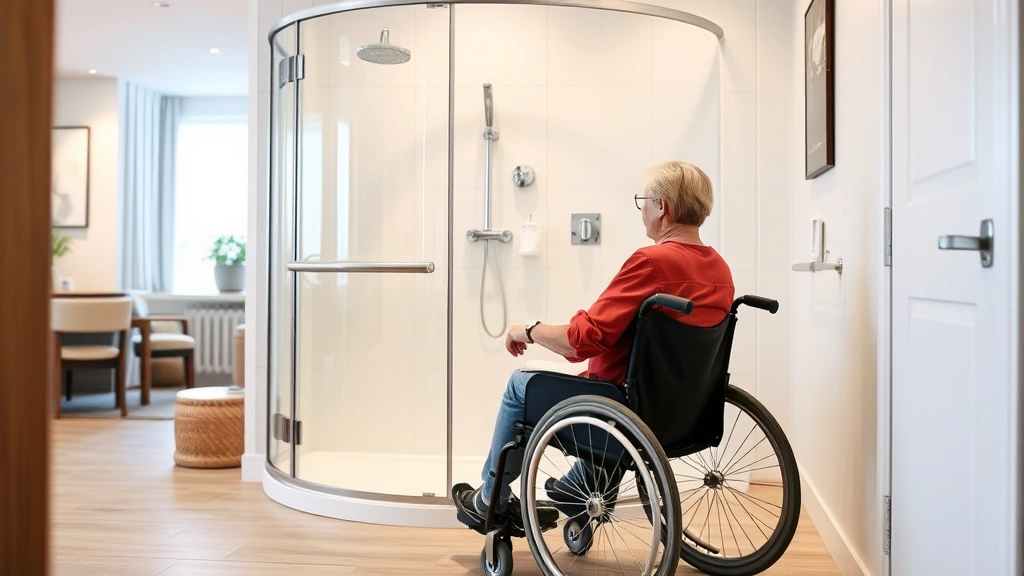
Early Lease Termination may be justified when your medical condition worsens and your current unit becomes unsuitable. For example, if you develop mobility issues and your apartment is on the third floor with no elevator, breaking the lease early to relocate to an accessible unit is often a reasonable accommodation. Medical documentation showing the functional limitation and how it relates to your current housing must support this request.
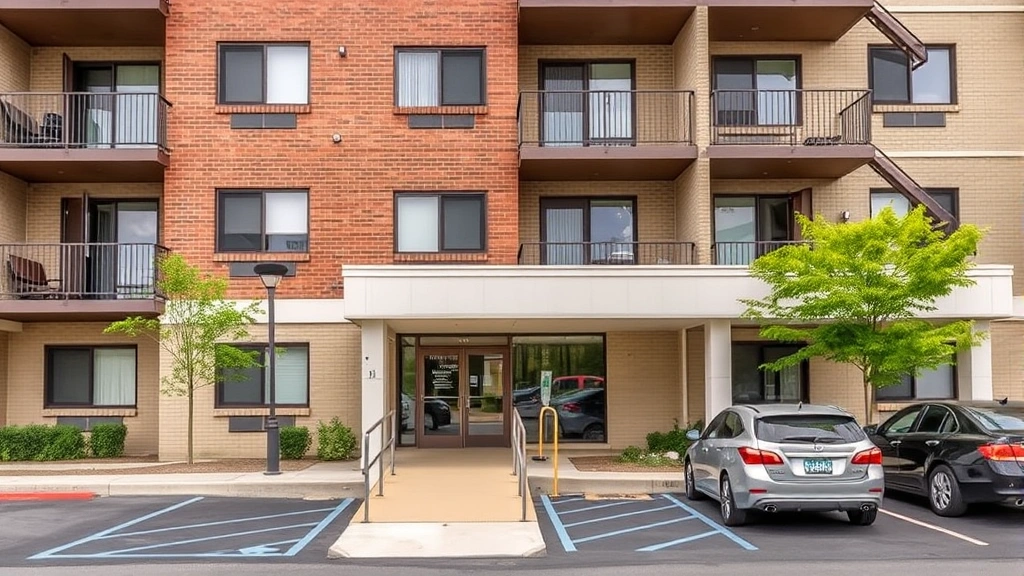
Unit Transfer or Ground Floor Assignment allows you to move within the same building or complex. This is frequently approved when accessibility, reduced stair climbing, proximity to services, or environmental factors (such as allergen exposure) necessitate a different unit. Landlords typically find this easier to accommodate than lease termination since you remain a tenant.
Lease Term Modifications might include converting a fixed-term lease to month-to-month, extending lease duration, or adjusting renewal dates to align with medical treatment schedules. Some tenants request flexibility to accommodate fluctuating health conditions or medical appointments.
Rent or Deposit Adjustments are less commonly approved but may be justified in specific circumstances, such as when you require a ground-floor unit and only higher-rent options are available. Focus your request on the accommodation itself rather than financial relief.
Policy Exceptions might include allowing service animals beyond pet restrictions, modifying quiet hours to accommodate medical equipment, or adjusting guest policies for caregivers. These requests often require less extensive medical documentation than lease termination requests.
Documenting Your Medical Need
Medical documentation is the foundation of a successful reasonable accommodation request. Without proper verification, landlords have legal grounds to deny your request. Your documentation must establish two critical elements: that you have a disability, and that the requested lease change is necessary to accommodate that disability.
What Constitutes Sufficient Documentation
The HUD Guidance on Fair Housing and Persons with Disabilities requires that documentation come from a healthcare provider with knowledge of your condition. This can be a physician, psychiatrist, nurse practitioner, physician assistant, or other licensed medical professional. The letter should include:
- Your name and the provider’s professional credentials
- A statement confirming you have a disability (without requiring diagnosis details)
- How your disability limits a major life activity
- The specific functional limitations relevant to housing
- Why the requested lease change is necessary to accommodate your disability
- The provider’s professional contact information
- The date and signature of the medical professional
You do not need to disclose your diagnosis, medication list, or detailed medical history. Landlords cannot ask for this information. The focus should remain on functional limitations and how the accommodation addresses them.
Obtaining Your Accommodation Letter
If you have an existing healthcare provider, request a letter directly from their office. Be specific about your needs and the lease change you’re requesting. Many providers are familiar with accommodation letters and can prepare one quickly. If your provider is unfamiliar with the process, share disability confirmation resources that explain what’s needed.
If you don’t have a current healthcare provider or need expedited documentation, telehealth platforms and accommodation letter services like Arvix Health can connect you with licensed professionals who specialize in disability verification. This option is particularly valuable when your existing provider is unavailable or unfamiliar with fair housing requirements.
Tailoring Documentation to Your Request
The stronger the connection between your functional limitations and the requested accommodation, the more compelling your case. For example:
- Early lease termination for accessibility: Documentation should detail mobility limitations and explain why your current unit’s layout or location is inaccessible
- Ground floor assignment: Focus on pain, fatigue, breathing difficulties, or other conditions exacerbated by stairs
- Service animal exception: Documentation should confirm the disability and describe how the animal performs disability-related tasks
- Lease flexibility for medical appointments: Explain how a fixed-term lease conflicts with ongoing treatment schedules
Preparing Your Written Request
A well-crafted written request demonstrates professionalism, clarity, and seriousness of purpose. This document becomes part of your housing record and may be reviewed by property management, legal counsel, or fair housing investigators if disputes arise.
Structure Your Request Strategically
Begin with a clear subject line: “Reasonable Accommodation Request Under Fair Housing Act.” This immediately signals that you understand your rights and expect compliance with federal law.
Open with a respectful but direct statement: “I am requesting a reasonable accommodation to my lease to enable me to continue living safely and independently in my home.” Avoid emotional language or lengthy personal narratives. Landlords respond better to concise, factual requests.
Explain the Disability-Accommodation Connection
Describe your functional limitation in practical terms: “I have a mobility condition that makes climbing stairs painful and limits my independence” rather than naming a specific diagnosis. Explain how your current lease or living situation conflicts with this limitation. For example: “My current third-floor unit requires me to climb multiple flights daily, which exacerbates my pain and restricts my ability to access community resources.”
Then connect the requested accommodation directly to this need: “Transferring to a ground-floor unit would eliminate unnecessary stair climbing and allow me to maintain my independence and quality of life.”
Be Specific About Your Request
Vague requests are easier to deny. Instead of “I need a more accessible apartment,” request: “I request an immediate transfer to a ground-floor, accessible unit within the property, with lease terms equivalent to my current agreement.” If early termination is necessary, specify your preferred move-out date and explain why that timeline is medically necessary.
Include Supporting Documentation
Attach your medical provider’s letter confirming the disability and necessity of the accommodation. If you have additional supporting materials—such as accessibility assessments, photographs of inaccessible features in your current unit, or medical records—include them. However, don’t overwhelm the request with unnecessary documentation. A single, well-written provider letter is typically sufficient.
Maintain a Professional Tone
Avoid language that sounds accusatory or threatening, even if you’re frustrated. “I am formally requesting a reasonable accommodation under the Fair Housing Act” is more effective than “You are required by law to approve my request.” Landlords are more likely to approve requests that feel collaborative rather than confrontational, even though you have legal rights.
Sign and Date Your Request
A signed request carries more weight than an email. Print your letter, sign it, and deliver it in person or via certified mail. Keep copies for your records and request written confirmation of receipt.

Submitting and Following Up
Choosing Your Delivery Method
Submit your request to the property manager or designated contact listed in your lease. If you’re unsure who to address it to, call the main office and ask: “Who should I contact regarding a reasonable accommodation request?” Document the name, title, date, and time of this conversation.
Certified mail with return receipt is the safest submission method because it provides proof of delivery. Email is acceptable but less reliable for documenting receipt. If you email, request a read receipt and follow up with a phone call confirming receipt within two business days.
Timeline Expectations
The Fair Housing Act does not specify a deadline for landlord responses, but HUD guidance suggests 30 days is reasonable. Many landlords respond within 5-10 business days if your request is clear and documentation is complete. If you don’t receive acknowledgment within a week, follow up in writing.
Interactive Engagement
Expect that your landlord may request clarification or additional information. This is normal and doesn’t indicate denial. Respond promptly and cooperatively. If the property manager seems unfamiliar with fair housing requirements, remain patient and educational. Many denials result from misunderstanding, not intentional discrimination.
If your landlord requests information beyond what’s necessary to verify the disability-accommodation nexus—such as your diagnosis, medication list, treatment history, or mental health records—you can decline politely: “I’ve provided documentation from my healthcare provider confirming my disability and the necessity of this accommodation. Additional medical details are not relevant to this request.”
Handling Denials and Next Steps
Understanding Denial Reasons
If your request is denied, the landlord must provide a reason in writing. Common reasons include:
- “Insufficient documentation”—The medical letter lacks necessary information about functional limitations or the disability-accommodation connection
- “Undue financial burden”—The landlord claims the accommodation is prohibitively expensive (rarely valid for lease modifications)
- “Fundamental alteration”—The accommodation would substantially change the nature of the housing or business operations (also rarely valid for lease changes)
- “No disability”—The landlord disputes whether you have a disability-related functional limitation
A denial is not final. You have options to challenge it or pursue approval through other channels.
Strengthening a Weak Denial
If denied due to “insufficient documentation,” ask your healthcare provider for a more detailed letter addressing the specific gaps the landlord identified. Sometimes a simple phone call from your provider to the property manager resolves documentation concerns. Your provider can explain how your functional limitations relate to the requested accommodation without disclosing sensitive medical details.
Filing a Fair Housing Complaint
If you believe your request was wrongfully denied, you can file a complaint with the HUD Office of Fair Housing and Equal Opportunity. Complaints must be filed within one year of the alleged violation. HUD will investigate at no cost to you. You can also file a complaint with your state or local fair housing authority.
Before filing a formal complaint, consider sending a second request with improved documentation or requesting a meeting with the property manager’s supervisor. Many issues resolve through direct communication.
Exploring Legal Options
If HUD’s investigation supports your claim, you may pursue damages through HUD’s administrative process or file a lawsuit. Many disability rights organizations offer free legal assistance. The ADA National Network can connect you with local disability advocacy resources.
Considering Your Housing Stability
While pursuing formal remedies, also explore alternative housing options. Sometimes moving to a more accommodating property is faster and less stressful than fighting a reluctant landlord. However, don’t abandon your rights—landlords should be held accountable for fair housing violations.
FAQ
Can my landlord charge me a fee for a reasonable accommodation lease change?
No. The Fair Housing Act prohibits landlords from charging fees, deposits, or costs related to reasonable accommodations. If your landlord demands payment, this is a fair housing violation. Document the request and file a complaint with HUD if necessary.
What if my landlord asks for my diagnosis or specific medical details?
You are not required to disclose your diagnosis, medication list, treatment history, or other sensitive medical information. Your healthcare provider’s letter confirming a disability and functional limitations is sufficient. If asked for unnecessary details, politely decline and restate that you’ve provided appropriate documentation.
How long does the reasonable accommodation process typically take?
Most requests receive a response within 30 days. Simple requests, such as policy exceptions, may be approved within days. More complex requests, like lease termination, may take 30-60 days if the landlord needs to verify information or consult legal counsel. Keep records of all communications and follow up if you don’t hear back within a week.
Can I request a lease change if I have a mental health condition?
Yes. Mental health conditions, including anxiety, depression, PTSD, and others, are disabilities under the Fair Housing Act. A functional limitation related to your mental health condition—such as the need for a quiet environment or proximity to medical services—can justify a lease modification. Your healthcare provider’s letter must establish the disability-accommodation connection.
What if my landlord says they have no available accessible units?
If a ground floor or accessible unit is available within the property, the landlord should prioritize it for your accommodation. If truly no suitable units exist, the landlord must explain this in writing. You may then request lease termination to relocate to an accessible property. Landlords cannot deny accommodations simply because they’re inconvenient; the accommodation must be genuinely impossible.
Can I request a lease change for someone else, such as a family member with a disability?
Only the person with the disability can request an accommodation, though they may authorize someone to submit the request on their behalf. The medical documentation must be in the name of the person with the disability. If you’re a caregiver or family member, the disabled individual should sign and date the request, or provide written authorization for you to submit it.
What should I do if my landlord retaliates after I request a reasonable accommodation?
Retaliation—such as raising rent, threatening eviction, reducing services, or harassing you—following a reasonable accommodation request is a serious fair housing violation. Document all retaliatory actions with dates and details. File a complaint with HUD immediately. You may also contact a fair housing organization or attorney specializing in housing discrimination. Many organizations offer free consultations.
Can I get a lease modification letter from Arvix Health or similar services?
Yes. If you don’t have a current healthcare provider or need expedited documentation, platforms like Arvix Health connect you with licensed professionals who can evaluate your condition and provide accommodation letters. These letters carry the same legal weight as letters from your personal physician. Learn more about obtaining accommodation letters through licensed providers.
Do I need to request a lease change in writing, or can I ask verbally?
While verbal requests are legally valid, written requests are strongly recommended. A written request creates documentation of what you asked for and when, which is valuable if disputes arise. It also signals that you understand your rights and take the matter seriously. Submit your written request in person or via certified mail, keeping copies for your records.