Unit Modification: Medical Letter Essentials Explained
Living with a chronic illness, mobility limitation, or disability often means your current apartment or rental unit doesn’t meet your medical and functional needs. A unit modification—whether it’s installing grab bars in the bathroom, widening doorways for wheelchair access, or creating an allergen-free environment—can be transformative for your health and independence. However, landlords typically require medical documentation before approving these modifications. A well-crafted unit modification medical letter serves as the clinical foundation for your request, explaining why the modification is medically necessary and how it directly addresses your disability-related needs.
This comprehensive guide walks you through everything you need to know about unit modification medical letters: what they are, what they must contain, how to obtain one, and how to present it effectively to your landlord. Whether you’re dealing with arthritis, spinal cord injury, chronic fatigue, respiratory conditions, or other disabilities, understanding the essentials of this documentation will strengthen your accommodation request and protect your rights under fair housing law.
What Is a Unit Modification Medical Letter?
A unit modification medical letter is a formal document written by a qualified healthcare provider that explains your disability, describes the functional limitations it creates, and specifies why a particular modification to your rental unit is medically necessary. Unlike a generic disability confirmation, this letter directly connects your medical condition to the environmental barrier you’re facing and demonstrates how the proposed modification will alleviate that barrier.
For example, if you have severe arthritis and struggle to climb stairs, your letter should explain your arthritis diagnosis, describe your pain and mobility limitations, and explain why a first-floor unit transfer or stair lift installation is essential for your independent living. The letter bridges the gap between your medical reality and the practical accommodation you’re requesting.
This documentation is critical because fair housing law requires that disability-related accommodation requests be supported by reliable evidence. A medical letter from a treating healthcare provider carries significant weight in demonstrating both the legitimacy of your disability and the medical necessity of your requested modification. It also protects you by creating a paper trail showing that you’ve made a good-faith, medically-supported request.
Legal Framework and Fair Housing Rights
Your right to request unit modifications is protected under the Fair Housing Act (FHA) and the Americans with Disabilities Act (ADA). These federal laws prohibit housing discrimination based on disability and require landlords to make reasonable accommodations in rules, policies, and practices, as well as to allow reasonable modifications to units.
The FHA defines a reasonable modification as a structural change to a unit or common area that enables a person with a disability to enjoy the property. Landlords cannot refuse a modification request simply because they find it inconvenient or costly—they must engage in an interactive process with you. However, they can require reliable documentation that the modification is medically necessary.
A medical letter serves as that reliable documentation. It demonstrates to your landlord that your request isn’t arbitrary but is grounded in clinical judgment from a qualified healthcare provider. This makes your request far more difficult to deny and creates legal protection for you. Understanding your rights under the Fair Housing Act through HUD will empower you throughout this process.
Essential Components of a Medical Letter
A strong unit modification medical letter must include specific elements to be persuasive and legally defensible. Here are the non-negotiable components:
- Letterhead and Provider Credentials: The letter must be written on official letterhead that includes the provider’s name, title, license number, practice address, phone number, and email. This establishes the provider’s authority and makes verification possible.
- Date and Patient Identification: Include the date the letter was written and your full name and date of birth. The provider should confirm how long they’ve been treating you and the frequency of your visits.
- Diagnosis and Clinical History: Clearly state your diagnosis or diagnoses. Provide a brief clinical history showing when the condition began, how it has progressed, and any relevant treatments or interventions you’ve undergone.
- Functional Limitations: Describe how your disability affects your ability to perform activities of daily living. Be specific: instead of “mobility problems,” write “unable to climb stairs due to severe knee arthritis” or “uses wheelchair and requires accessible bathroom facilities.”
- Medical Necessity Statement: Explicitly state that the specific modification is medically necessary to address your functional limitations. Connect the dots: explain how the modification directly alleviates your symptoms or enables independence.
- Specific Modification Description: Name the exact modification you’re requesting (grab bars in shower, accessible parking space, unit on ground floor, etc.). Vague requests are harder to support.
- Professional Signature and Credentials: The letter must be signed by the healthcare provider. Include their typed name, credentials (MD, DO, NP, PA, etc.), and license number if possible.
- Objective Clinical Basis: Ground the letter in clinical facts and observations, not just your subjective complaints. Reference any test results, imaging, or standardized assessment tools that support your limitations.
The letter should be 1-2 pages—detailed enough to be persuasive but concise enough to be digestible. Avoid medical jargon that would confuse a layperson, but maintain professional clinical language.
Who Can Write Your Medical Letter
Fair housing law requires that medical letters be written by qualified healthcare professionals. Generally, this means licensed practitioners who are treating you for your disability. Acceptable providers include:
- Physicians (MD or DO)
- Nurse Practitioners (NP) licensed to practice independently
- Physician Assistants (PA)
- Psychiatrists or Psychologists (for mental health conditions)
- Licensed Clinical Social Workers (LCSW) with relevant expertise
- Physical or Occupational Therapists (in some cases)
- Other licensed healthcare providers with direct knowledge of your condition
The key requirement is that the provider has a genuine treatment relationship with you, has direct knowledge of your condition, and has the professional credentials and authority to make clinical judgments. Landlords are entitled to verify provider credentials, so always ensure your provider is properly licensed and practicing within their scope.
If you don’t currently have a treating provider who knows your condition well, you may need to establish that relationship before requesting a letter. Some healthcare platforms can connect you with licensed providers who can evaluate your situation and provide documentation if medically appropriate.
How to Obtain Your Medical Letter
Obtaining a unit modification medical letter typically involves these steps:
- Schedule an Appointment: Contact your treating healthcare provider and explain that you need a medical letter supporting a housing accommodation request. Be specific about what modification you’re requesting and why it’s necessary.
- Provide Clear Information: Give your provider details about your specific modification request. Instead of saying “I need a medical letter,” explain: “I need documentation that I require a ground-floor unit due to my mobility limitations from spinal cord injury.” This helps your provider write a targeted, persuasive letter.
- Discuss Medical Necessity: During your appointment, have a detailed conversation about how your disability affects your ability to access or use your current unit. Your provider needs to understand the connection between your condition and the modification.
- Request a Formal Letter: Ask for a formal, signed letter on official letterhead—not just a note or general disability confirmation. Specify that it’s for a fair housing accommodation request so your provider knows the legal context.
- Review Before Submission: Once you receive the letter, review it carefully. Does it include all essential components? Is the modification clearly described? Are your functional limitations explicitly stated? If something is missing or unclear, ask your provider to revise it.
- Keep Copies: Make multiple copies and keep the original in a safe place. You may need to submit it to your landlord, and you should maintain your own records.
Most providers can turn around a medical letter within 1-2 weeks. If your provider is hesitant or refuses to write a letter, that may indicate they don’t believe your request is medically justified—which is valuable information. Pushing a reluctant provider to write a letter could backfire if your landlord contacts them and discovers the letter wasn’t their genuine professional opinion.
Presenting Your Request to Your Landlord
Once you have your medical letter, presenting it effectively is crucial. Here’s how to approach your landlord strategically:
- Make a Formal Written Request: Don’t casually mention your modification needs. Send a formal letter or email requesting the specific modification and explaining that you’re providing medical documentation. Keep copies of everything.
- Include the Medical Letter: Attach your medical letter to your request. You can also include a brief cover letter explaining the modification and how it addresses your disability-related needs.
- Avoid Over-Sharing: You don’t need to disclose your diagnosis or detailed medical history beyond what’s necessary. The letter should contain appropriate clinical detail; your cover letter should be professional and concise.
- Reference Fair Housing Law: You don’t need to be confrontational, but you can reference your rights: “Under the Fair Housing Act, I am requesting a reasonable modification to my unit. I have enclosed medical documentation supporting this request.”
- Be Prepared for Questions: Your landlord may ask follow-up questions or request clarification. Respond promptly and professionally. They may also contact your healthcare provider to verify the letter’s authenticity—this is legally permitted.
- Document Everything: Keep records of all communications with your landlord regarding this request. If the landlord denies your request, you may need this documentation to file a complaint with HUD (Department of Housing and Urban Development).
Common Unit Modifications and Documentation
Different disabilities require different modifications. Here are common examples and the medical documentation typically needed:
- Ground Floor Unit Transfer: Requested by individuals with mobility limitations, severe arthritis, or chronic pain conditions. Medical letter should explain why stairs are problematic and how a ground-floor unit alleviates this barrier.
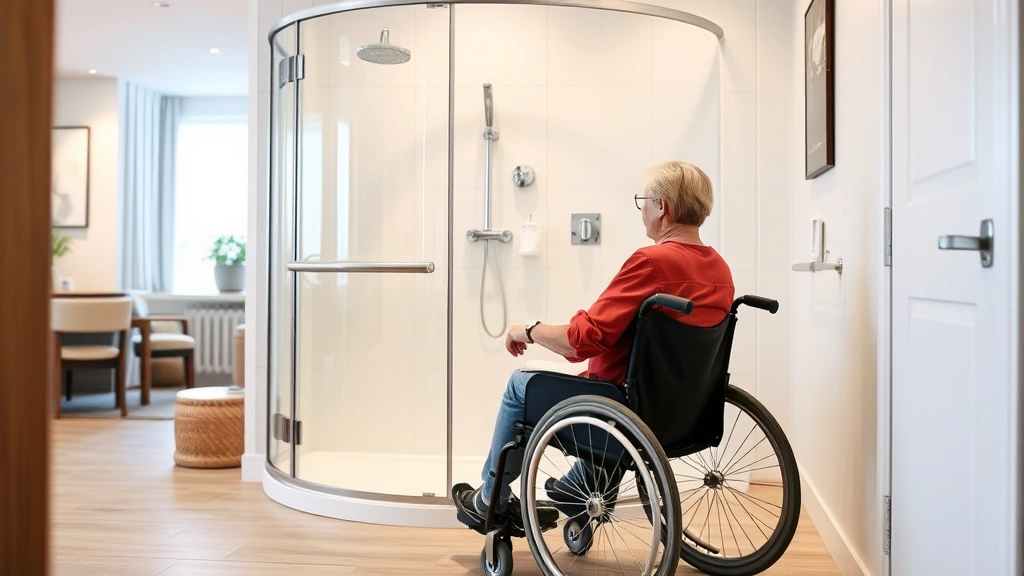
- Grab Bars and Bathroom Modifications: Essential for wheelchair users, people with balance disorders, or those with severe arthritis. Documentation should describe bathroom safety risks and how grab bars prevent falls or reduce pain during transfers.
- Accessible Parking Space: Required for individuals with mobility disabilities. Medical letter should confirm mobility limitations and explain why accessible parking is necessary for independent access to the unit.
- Door Widening or Ramp Installation: Necessary for wheelchair users or those with severe mobility limitations. Documentation should confirm wheelchair dependence or severe mobility restrictions.
- Allergen-Free or Smoke-Free Unit Placement: Requested by people with asthma, severe allergies, or respiratory conditions. Medical letter should document the condition, trigger substances, and how exposure causes significant symptoms or exacerbation.
- Accessible Kitchen or Appliance Modifications: For individuals with limited hand function, dexterity issues, or wheelchair use. Documentation should explain functional limitations with standard appliances.
The more specific your medical letter is to your actual modification request, the harder it is for your landlord to deny. Generic letters that simply confirm you have a disability are weaker than letters that explain the direct connection between your functional limitations and the specific modification.
FAQ
How long is a medical letter valid for a unit modification request?
There’s no universal expiration date, but most landlords accept letters dated within the past year. If your condition has significantly changed or your letter is more than a year old, consider requesting an updated letter. If your condition is stable and well-documented, an older letter may still be persuasive if accompanied by current medical records.
What if my landlord requests medical records beyond the letter?
Landlords can request reliable documentation, but they cannot demand your complete medical file. A medical letter from a treating provider is typically sufficient. If they request additional records, you can provide relevant excerpts (such as a recent diagnosis confirmation or test result) while withholding sensitive or unrelated information. You have the right to protect your medical privacy.
Can I request a unit modification if I rent from a large property management company?
Yes, absolutely. In fact, larger companies often have formal reasonable accommodation processes. Look for their “reasonable accommodation” or “disability accommodation” policy and follow their procedures. Large companies are typically very familiar with fair housing law and take these requests seriously. Submitting thorough documentation, including a strong medical letter, makes the process smoother.
What if my healthcare provider refuses to write a medical letter?
If your provider refuses, you have several options: (1) Ask why they’re reluctant—they may have concerns about the medical necessity that you can address; (2) Seek a second opinion from another qualified provider; (3) Contact organizations like the Job Accommodation Network (JAN), which provides guidance on accommodation documentation; or (4) File a fair housing complaint with HUD if you believe the refusal is discriminatory. However, if your provider genuinely doesn’t believe your request is medically necessary, that’s important information about whether your request is justified.
Can I use an online platform to get a medical letter for unit modification?
Yes, if the platform connects you with licensed healthcare providers who can properly evaluate your situation. The provider must have genuine clinical knowledge of your condition and must provide the letter based on legitimate medical judgment, not just because you requested it. Be cautious of services that guarantee letters without proper evaluation—these undermine the credibility of your request and could expose you to fraud accusations.
Should I disclose my disability to my landlord beyond what’s in the medical letter?
No more than necessary. The medical letter contains the clinical information your landlord needs. In your cover letter, you can briefly explain the modification and reference fair housing protections, but you don’t need to provide detailed personal information about your disability. Keep communication professional and focused on the accommodation request.
What happens if my landlord denies my modification request despite the medical letter?
Document the denial in writing. If you believe it’s discriminatory or unjustified, you can file a complaint with HUD within one year of the denial. HUD will investigate whether your landlord violated fair housing law. Having a strong medical letter significantly strengthens your case. You may also consult with a fair housing attorney or contact your local disability rights organization for guidance.