Securing a Doctor Letter for Housing: Expert Tips
A doctor letter for housing accommodation is a critical document that validates your medical need for specific housing modifications or accommodations. Whether you require ground floor access due to mobility limitations, allergen-free units for respiratory conditions, or accessible parking for chronic illness, a well-crafted medical letter from your healthcare provider strengthens your request and protects your legal rights under the Fair Housing Act.
Landlords and property managers are legally required to consider reasonable accommodation requests supported by credible medical documentation. This guide walks you through securing a compelling doctor letter that clearly establishes the connection between your medical condition and your housing needs, increasing approval odds and reducing delays.
What Is a Doctor Letter for Housing Accommodation?
A doctor letter for housing accommodation is a formal medical statement from a licensed healthcare provider that documents your condition and explains why you need specific housing modifications or accommodations. This letter serves as objective evidence that your request is medically necessary, not a preference or convenience.
Common housing accommodations supported by doctor letters include:
- Ground floor units (for mobility or cardiac conditions)
- Accessible parking spaces (for mobility impairments)
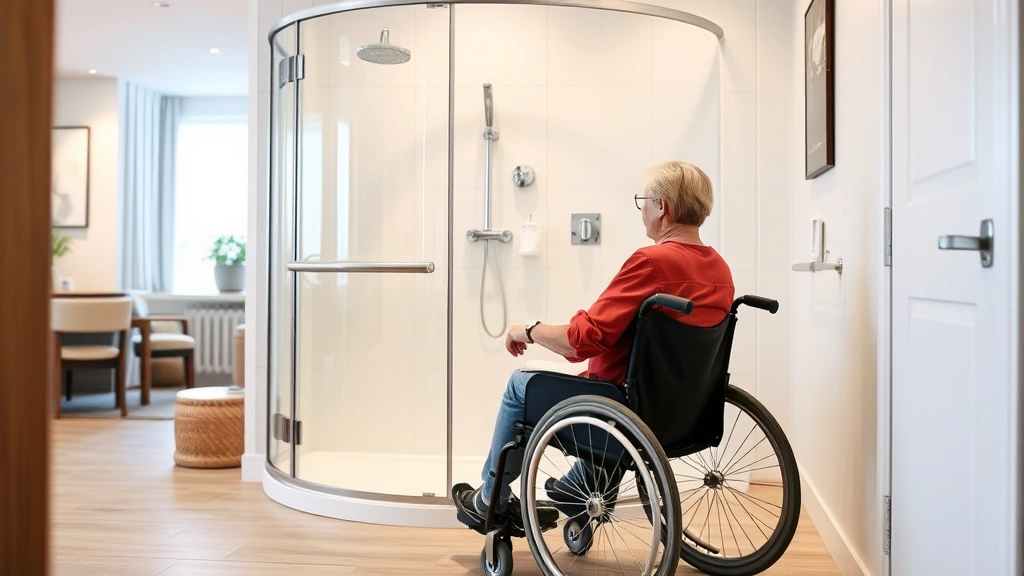
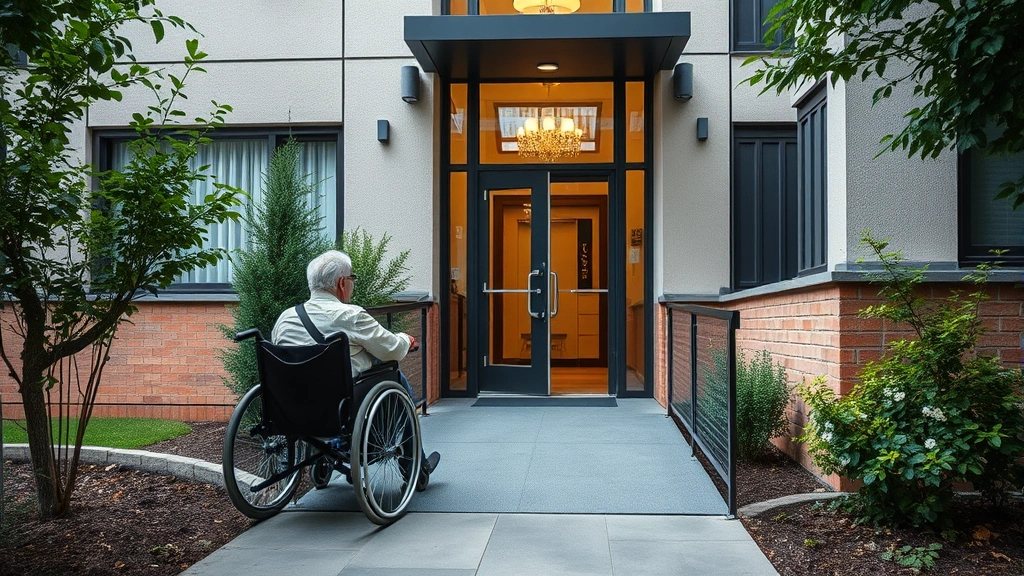
- Unit modifications (grab bars, ramps, widened doorways)
- Allergen-free or fragrance-free units (for asthma, allergies, or chemical sensitivities)
- Proximity to elevators or exits (for respiratory conditions)
- Emotional support animal (ESA) housing allowances
- Service animal accommodations
- Modified lease terms (early termination for medical hardship)
Unlike a general medical diagnosis letter, a housing accommodation letter specifically connects your condition to functional limitations and explains why the requested accommodation is medically reasonable. This targeted approach significantly improves approval rates.
Legal Requirements and Fair Housing Protections
The Fair Housing Act and the Americans with Disabilities Act (ADA) protect your right to request reasonable accommodations based on disability. A doctor letter provides the medical foundation for these legal protections.
Under Fair Housing law, landlords must:
- Accept medical documentation from licensed healthcare providers
- Engage in an interactive process to understand your accommodation needs
- Approve reasonable accommodations unless they create undue financial or administrative burden
- Maintain confidentiality of medical information
- Not discriminate based on disability status
Your doctor letter must establish a disability (a condition that substantially limits major life activities) and a nexus (clear connection) between the disability and the requested accommodation. Vague letters without this connection are easily rejected.
For federal housing programs, HUD regulations specify that medical evidence should come from “reliable objective evidence,” meaning licensed professionals with direct knowledge of your condition. This is why your treating physician’s letter carries significant weight.
Preparing to Request a Letter From Your Doctor
Before approaching your doctor, organize your thoughts and gather supporting information. This preparation ensures your doctor has everything needed to write a compelling letter efficiently.
Step 1: Document Your Medical History
Compile a summary of:
- Your diagnosis and how long you’ve had the condition
- Current symptoms and functional limitations
- Prescribed treatments and medications
- Recent medical appointments or test results
- Any hospitalizations or specialist consultations related to your condition
Step 2: Identify Your Specific Accommodation Need
Be precise about what you’re requesting. Instead of “accessible apartment,” specify “ground floor unit due to difficulty climbing stairs from knee osteoarthritis” or “allergen-free unit due to severe asthma triggered by pet dander and dust mites.”
Step 3: Research Your Condition’s Connection to Housing Needs
Understanding the medical rationale helps you communicate clearly with your doctor. For example, if you have congestive heart failure, explain that you need ground floor access to minimize exertion and reduce strain on your heart. This shows you’re informed and helps your doctor articulate the necessity in the letter.
Step 4: Review Your Lease and Housing Request
Know what your landlord is asking for and what accommodations are actually available. This context helps your doctor write a letter that addresses the specific situation rather than general housing needs.

Essential Components of a Strong Medical Letter
An effective doctor letter for housing accommodation includes specific elements that satisfy legal standards and landlord requirements. Ensure your doctor includes these components:
1. Doctor’s Credentials and Contact Information
The letter must be on official letterhead with:
- Doctor’s full name, title, and medical license number
- Medical practice name and address
- Phone number and email for verification
- Specialty (particularly important if you see a specialist)
2. Your Patient Information
Include your full name, date of birth, and how long the doctor has been treating you. This establishes the doctor-patient relationship and familiarity with your condition.
3. Clear Diagnosis Statement
The letter should state your diagnosis explicitly. Avoid vague language like “medical condition” or “health issues.” Specific diagnoses (e.g., “osteoarthritis affecting both knees,” “severe asthma with multiple triggers”) demonstrate credibility and medical grounding.
4. Functional Limitations
Describe how your condition limits your daily activities:
- “Cannot climb more than one flight of stairs without significant pain and shortness of breath”
- “Requires accessible parking to minimize walking distance due to limited mobility”
- “Severe allergic reactions triggered by pet dander, dust mites, and mold exposure”
Be specific about severity and frequency. Generic statements like “has difficulty walking” are weaker than “experiences severe pain after walking 50 feet, requiring rest breaks.”
5. Medical Necessity of the Accommodation
This is the critical nexus. Explain why the specific accommodation addresses your functional limitation:
- “Ground floor unit would eliminate the need to navigate stairs, reducing pain and preventing falls”
- “Accessible parking near the building entrance would allow independent access without relying on others for transportation”
- “Fragrance-free unit would prevent asthma exacerbations triggered by scented products in adjacent units”
6. Medical Evidence and Treatment History
Reference relevant medical facts:
- “As documented in her medical records from [date], imaging confirms severe degenerative joint disease”
- “Recent pulmonary function tests show [specific measurements] consistent with moderate persistent asthma”
- “He has required [number] emergency room visits in the past year for asthma exacerbations”
7. Statement of Ongoing Need
Clarify whether this is a temporary or permanent accommodation need. Landlords appreciate knowing the expected duration: “This accommodation will be necessary for the duration of her tenancy, as the underlying condition is chronic and not expected to resolve.”
8. Professional Signature and Date
The letter must be signed and dated by the doctor. Electronic signatures are acceptable in most jurisdictions, but verify with your landlord’s requirements.
How to Ask Your Doctor for the Letter
Approaching your doctor professionally and providing clear guidance increases the likelihood of receiving a strong letter promptly. Many doctors appreciate detailed requests because they reduce back-and-forth communication.
Schedule a Dedicated Appointment
Don’t request the letter during a routine check-up. Schedule a specific appointment or call ahead to inform your doctor’s office that you’ll be requesting documentation. This ensures adequate time and attention.
Bring Written Documentation
Prepare a one-page summary including:
- Your specific accommodation request
- The reason you need it (functional limitation)
- Your landlord’s requirements or deadline
- Contact information for submitting the letter
This written guide helps your doctor understand exactly what you need without relying on verbal explanation.
Explain the Legal Context
Many doctors are unfamiliar with Fair Housing requirements. Briefly explain: “My landlord requires a letter from my doctor documenting my medical need for [accommodation]. This is a legal requirement under Fair Housing law to ensure they consider my request fairly.”
Offer to Provide Information
Ask: “Would it be helpful if I provided a summary of how my condition affects my daily activities?” or “Would you like me to provide recent test results or medical records to reference in the letter?” This demonstrates cooperation and helps your doctor write a more detailed letter.
Clarify Submission Details
Ask whether the letter should be:
- Mailed directly to your landlord
- Sealed in an envelope provided by you
- Sent electronically to a specified email
- Kept confidential and reviewed only by management, not other staff
Many landlords request that the letter be submitted directly from the doctor’s office to maintain authenticity and confidentiality.
Common Mistakes That Weaken Your Request
Even well-intentioned doctor letters can fail to achieve their purpose if they contain certain weaknesses. Understanding these pitfalls helps you guide your doctor toward a stronger document.
Mistake 1: Vague or Generic Language
Weak: “Patient has a medical condition that requires accommodation.”
Strong: “Patient has severe rheumatoid arthritis affecting both knees and hips, causing significant pain with stair climbing and requiring accommodation of ground floor housing.”
Mistake 2: Missing the Nexus Between Condition and Accommodation
Weak: “Patient has anxiety and needs a service dog.”
Strong: “Patient has been diagnosed with Post-Traumatic Stress Disorder with severe anxiety symptoms including panic attacks and hypervigilance. A trained service dog would provide grounding techniques during panic episodes and alert to physiological stress responses, enabling the patient to maintain stable housing and employment.”
Mistake 3: Requesting Unreasonable Accommodations
A doctor letter cannot override legitimate operational concerns. Requesting a free apartment or exemption from all lease terms will be rejected. Focus on specific, reasonable modifications that address your functional limitations. For guidance on what qualifies as reasonable, review JAN (Job Accommodation Network), which provides housing accommodation examples.
Mistake 4: Using Templates or Form Letters
Landlords immediately recognize generic templates. Your letter should be personalized to your specific condition, functional limitations, and requested accommodation. If your doctor offers a template, ask them to customize it with your details.
Mistake 5: Including Unnecessary Personal Information
Avoid including information unrelated to the accommodation need. The letter should focus on medical facts relevant to housing, not your entire medical history or personal circumstances.
Mistake 6: Insufficient Supporting Detail
Letters that lack specific examples of functional limitations are easily dismissed. Include concrete examples: “Patient reports that climbing one flight of stairs causes severe shortness of breath lasting 15 minutes, making multi-story apartments unsafe.”
Timeline and Follow-Up Strategies
Securing a doctor letter requires planning and strategic follow-up. Most landlords provide a deadline for accommodation requests, typically 5-10 business days.
Timing Your Request
Request the letter at least 2-3 weeks before your landlord’s deadline. This allows time for:
- Your doctor’s office to prepare the letter (typically 3-7 business days)
- Follow-up if revisions are needed
- Direct submission from the doctor to your landlord
- Confirmation that the letter was received
Following Up With Your Doctor’s Office
If you don’t hear back within 5 business days:
- Call the office to confirm your request was received
- Ask for an estimated completion date
- Offer to provide additional information if needed
- Request email confirmation when the letter is sent
Confirming Receipt by Your Landlord
After the letter is submitted:
- Email your landlord asking for confirmation of receipt
- Keep copies of all correspondence
- Document dates when you requested the accommodation and when the letter was submitted
- Follow up if you don’t receive a response within the required timeline
If your landlord denies your request despite medical documentation, you may have legal recourse. Understanding your rights and documenting the process protects you. Consider consulting resources on HUD’s housing discrimination resources or contacting your local EEOC office for guidance.
For additional support in understanding your housing rights, review our guide on reasonable accommodation housing letters, which covers the full accommodation request process. If you’re seeking an ESA letter for apartment approval, that process follows similar documentation principles.
If your landlord is refusing medical accommodation despite valid documentation, our resource on landlord disputes provides next steps. You can also explore disability verification letters for housing if you need additional documentation support.
FAQ
What if my doctor refuses to write a letter?
Some doctors decline to write accommodation letters due to time constraints or unfamiliarity with Fair Housing requirements. If this occurs, ask your doctor’s office if another provider (nurse practitioner, physician’s assistant, or specialist) can write the letter instead. If your entire practice refuses, consider seeking a second opinion from another healthcare provider who has treated your condition. You have the right to medical documentation supporting your accommodation needs.
Can I write the letter myself and have my doctor sign it?
Landlords view self-written letters signed by doctors as less credible and may reject them. Your doctor should write the letter in their own words based on their professional assessment. However, providing your doctor with talking points or a summary of your needs is acceptable and helpful.
Does the letter need to be on official letterhead?
Yes. Landlords require letters on the doctor’s official letterhead with contact information. This allows them to verify the doctor’s credentials and authenticity if needed. Electronic letterhead is acceptable.
How long is a doctor letter for housing valid?
Accommodation letters don’t have formal expiration dates, but landlords may request updated letters if significant time has passed (typically 1-2 years) or if your condition has changed. For permanent conditions, one letter is usually sufficient for the duration of your tenancy.
What if my landlord asks for more information after receiving the letter?
This is normal. Landlords may ask clarifying questions to better understand your needs. Work with your doctor to provide additional detail if needed. You’re not required to disclose your complete medical history, only information relevant to the accommodation request.
Can my landlord require a letter from a specific doctor or format?
Landlords can request that letters come from your treating physician and may specify formatting (such as on letterhead or submitted directly from the doctor). However, they cannot require letters from their own doctor or deny your request based on a reasonable letter that doesn’t match their preferred format exactly. The letter’s content matters more than its format.
What should I do if my landlord denies my accommodation request?
Request the denial in writing and ask for specific reasons. If the denial appears discriminatory or violates Fair Housing law, contact your local housing authority or file a complaint with HUD. You may also consult with a disability rights attorney to evaluate your options.