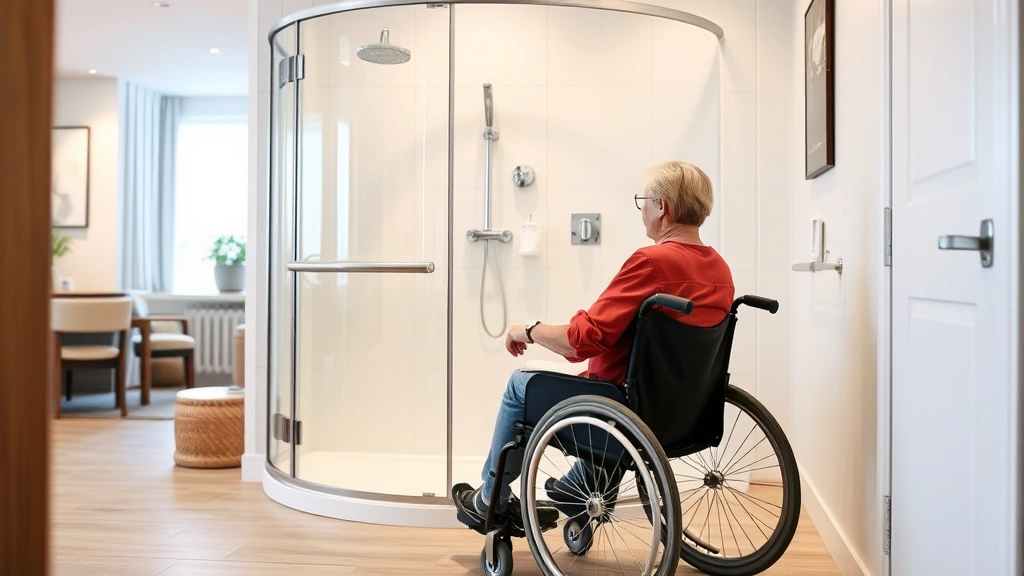
Same Day Housing Accommodation Letter: Doctor’s Tips
When you need a housing accommodation letter urgently, time is of the essence. Whether you’re facing an eviction notice, dealing with an inaccessible unit, or require immediate environmental modifications due to a medical condition, obtaining a same-day letter from your doctor can be the difference between stable housing and homelessness. This guide walks you through the process, what doctors need to know, and how to expedite approval without compromising quality or legality.
A housing accommodation letter is a medical document that verifies your disability-related need for specific housing modifications or lease accommodations. Unlike general disability letters, housing accommodation letters must meet strict HUD guidelines and Fair Housing Act requirements. When you need this letter the same day, understanding what makes it legally sound and how to communicate with your healthcare provider becomes critical.
Why Same-Day Letters Matter
Housing crises don’t follow business schedules. You might receive an eviction notice, discover your apartment triggers severe allergic reactions, or learn that your ground floor unit is being reassigned—situations that demand immediate documentation. A same-day letter allows you to respond quickly to landlords, housing authorities, or legal proceedings, demonstrating that your accommodation request is medically legitimate and time-sensitive.
Without prompt documentation, landlords may proceed with eviction, deny reasonable accommodations, or claim they never received your request. By obtaining a housing accommodation letter online or from your provider same-day, you create an immediate paper trail that protects your rights under the Fair Housing Act and Americans with Disabilities Act (ADA).
Same-day letters are especially important for:
- Preventing unlawful evictions based on disability
- Securing ground floor transfers for mobility issues
- Obtaining allergen-free unit reassignments
- Documenting urgent accessible parking needs
- Supporting emergency lease modifications
- Responding to landlord deadlines

What Your Letter Must Include
Not all medical letters are created equal. For housing accommodations, your letter must contain specific elements to be legally defensible. The ADA and Fair Housing Act require that accommodation letters demonstrate a clear nexus between your disability and the requested modification.
Essential Components:
- Doctor’s credentials: Full name, medical license number, state of licensure, practice address, phone number, and specialty
- Your information: Full name, date of birth, and current address
- Diagnosis or functional limitation: The specific condition or limitation (not always the diagnosis name)
- Functional impact: How the condition affects your ability to use and enjoy housing
- Specific accommodation: The exact modification or lease accommodation needed (e.g., “ground floor unit,” “washer/dryer in unit,” “no carpet flooring”)
- Nexus statement: Clear explanation of why this accommodation addresses your disability
- Doctor’s signature and date: Original or digitally authenticated signature
- License verification: License number and state board confirmation
The letter should be professional, concise, and written on official letterhead. Avoid vague language like “the tenant needs to be comfortable.” Instead, use functional descriptions: “Due to severe asthma triggered by dust mites and mold, the tenant requires a unit with hardwood or tile flooring rather than carpet, and with HVAC systems regularly maintained.”
Doctor’s Tips for Quick Approval
If you’re a healthcare provider tasked with writing a same-day accommodation letter, these strategies ensure the letter is both rapid and legally sound.
1. Use a Template
Develop or adopt a housing accommodation letter template specific to common requests: ground floor transfers, accessible parking, unit modifications, and lease accommodations. Templates reduce decision fatigue and allow you to fill in patient-specific details in minutes rather than drafting from scratch. The housing accommodation letter online services often provide HIPAA-compliant templates that meet legal standards.
2. Document Functional Limitations During Visits
The fastest same-day letters come from providers who’ve already documented the patient’s functional limitations in the medical record. During routine visits, ask patients about housing barriers: “Does your current living situation affect your symptoms?” “Would specific modifications help your condition?” This information, already in the chart, speeds up letter creation significantly.
3. Establish Clear Criteria
Know your practice’s criteria for approving same-day letters. For example: Is the patient an established patient with recent visits? Is the requested accommodation clearly related to a documented condition? Having clear criteria prevents delays from uncertainty and allows staff to route requests appropriately.
4. Train Administrative Staff
Your medical assistants or administrative team should be trained to gather essential information quickly: patient contact details, specific accommodation requested, and urgency reason. A brief intake form (“Why do you need this letter today?”) helps prioritize genuine crises.
5. Use Digital Signatures
Digital or electronic signatures, when compliant with your state’s laws and practice policies, dramatically accelerate letter delivery. Many platforms now support DocuSign, Adobe Sign, or similar authenticated digital signing, eliminating printing and scanning delays.
6. Verify the Request is Reasonable
Before signing, ensure the accommodation is reasonable and disability-related. “I want a penthouse view” is not a disability accommodation. “I need a ground floor unit due to severe arthritis affecting my mobility” is. This verification protects both you and the patient legally.
How to Request Same-Day Accommodation
As a tenant or patient seeking a same-day letter, strategic communication with your doctor maximizes approval chances.
Step 1: Call Ahead, Don’t Surprise
Contact your doctor’s office before arriving. Say: “I have a housing emergency and need a medical accommodation letter today. Can I come in or have this completed by phone?” This allows the office to prioritize your request and gather your records in advance.
Step 2: Be Specific About Your Need
Don’t say, “I need a housing letter.” Say: “I received an eviction notice and need documentation that my condition requires a ground floor unit due to mobility limitations.” Specificity helps your doctor understand what to write and why urgency matters.
Step 3: Provide Written Details
Even during a phone call, email or text a brief summary: your condition, the specific accommodation needed, and the deadline. This gives your doctor a reference to include in the letter and reduces back-and-forth clarification.
Step 4: Ask About Same-Day Options
Some practices offer telehealth appointments, email-based letters, or expedited in-person visits. Ask: “Can this be completed via telehealth?” or “Can you email the letter by end of business today?”
Step 5: Offer to Pick Up or Arrange Delivery
“I can pick up the letter in person” or “Can you email it directly to my landlord?” removes logistical barriers. Many offices are willing to expedite for patients who accommodate their workflow.
Step 6: Provide Landlord Contact Information
If your landlord or housing authority has a specific deadline or email address, share it. Your doctor’s office may be able to send the letter directly, which is often faster than you acting as intermediary.
Legal Requirements and Standards
Understanding the legal framework ensures your letter will actually be accepted and protects you from future disputes.
Fair Housing Act Compliance
The Fair Housing Act, enforced by HUD’s Office of Fair Housing and Equal Opportunity, requires landlords to provide reasonable accommodations for people with disabilities. Your letter must demonstrate a disability and a disability-related accommodation need. The doctor doesn’t need to diagnose the disability if functional limitations are clear: “Patient experiences severe mobility limitations requiring single-floor living and accessible parking.”
ADA Compliance
The Americans with Disabilities Act requires that accommodation letters come from qualified healthcare providers. Your doctor must be licensed and practicing within their scope. A letter from a physician, psychiatrist, therapist, or nurse practitioner is typically acceptable; a letter from a life coach is not.
State and Local Laws
Some states have specific requirements for accommodation letters. California, for example, requires that ESA letters (if applicable) come from licensed mental health professionals with whom the patient has an established relationship. Check your state’s Fair Housing Act guidance for local nuances.
What the Letter Should NOT Do
- Guarantee the disability (“This patient is definitely disabled”)
- Make demands of the landlord (“You must provide this or face lawsuit”)
- Diagnose without clinical basis
- Request unreasonable accommodations unrelated to disability
- Include irrelevant personal information or medical details
Common Mistakes to Avoid
Even urgent same-day letters can be rejected if they contain common errors. Understanding these pitfalls saves time and prevents rejection.
Mistake 1: Vague Functional Descriptions
Wrong: “Patient has anxiety and needs a quiet apartment.”
Right: “Patient’s anxiety disorder is significantly exacerbated by noise exposure. Medical accommodation requires a unit away from high-traffic areas, elevator noise, and street-level exposure.”
Mistake 2: Missing Doctor Credentials
Always include your doctor’s license number, state of licensure, and practice phone number. Landlords often verify credentials before accepting letters. A letter without these details may be disregarded as unverifiable.
Mistake 3: Requesting Unreasonable Accommodations
A request for a penthouse or specific unit number (rather than “ground floor” or “top floor”) may be denied as unreasonable. Stick to functional needs: accessibility, environmental controls, floor level, etc.
Mistake 4: Outdated or Unestablished Provider Relationship
Letters from providers you haven’t seen in years, or from whom you haven’t received recent care, are weaker. Landlords may question their validity. Same-day letters are strongest when they come from your current, treating physician.
Mistake 5: Including Irrelevant Medical Details
Your letter doesn’t need to list all your medications, surgeries, or family history. Stick to information relevant to the accommodation. This protects your privacy and keeps the letter focused.
Mistake 6: Not Following Up in Writing
If you request a same-day letter verbally, follow up with an email summarizing what was discussed. This creates documentation and prevents miscommunication about what the letter should contain.
Understanding these requirements, you’re now prepared to pursue a doctor disability confirmation letter quick approval that holds up legally and protects your housing rights.
FAQ
Can I get a housing accommodation letter online same-day?
Yes. Telemedicine platforms and specialized services like Arvix Health connect you with licensed providers who can complete accommodation letters within hours. These are legally valid if the provider is licensed in your state and the letter meets Fair Housing Act standards. You’ll typically have a brief telehealth consultation, then receive the letter digitally.
What if my regular doctor won’t write a same-day letter?
Ask why. If it’s a scheduling issue, request a telehealth appointment or email-based letter. If your doctor questions the medical necessity, discuss your functional limitations more clearly. If they still refuse, you can seek a second opinion from another provider or use an online accommodation letter service. However, letters from your current treating provider are always stronger.
How much does a same-day accommodation letter cost?
Your regular doctor may write it as part of routine care at no extra charge. Telemedicine services or expedited letter services typically charge $75–$200. Some offer payment plans. Insurance rarely covers accommodation letters, so budget accordingly.
Can a therapist or counselor write a housing accommodation letter?
Yes, if they’re licensed (LCSW, LMFT, psychologist, psychiatrist). They cannot if they’re unlicensed life coaches or wellness consultants. The provider must be qualified to assess functional limitations related to mental health or physical conditions.
What if my landlord rejects my accommodation letter?
Document the rejection in writing. If the rejection appears discriminatory, file a complaint with HUD or your state’s fair housing agency. You may also consult a disability rights attorney. Organizations like the Job Accommodation Network offer guidance on navigating accommodation disputes.
How long is a housing accommodation letter valid?
There’s no expiration date set by law, but landlords may request updated letters if your condition changes or after several years pass. Keep the original and be prepared to obtain a renewal if challenged.
Can I use a housing accommodation letter to break my lease?
Possibly, if your current housing is inaccessible or exacerbates your disability. Review your lease and state tenant laws. A letter alone may not be sufficient; you may also need to follow legal procedures. Learn more about how to legally break a lease for health reasons.
Is a housing accommodation letter the same as an ESA letter?
No. An ESA letter documents the need for an emotional support animal in housing. A housing accommodation letter documents the need for physical or lease modifications. They’re different documents with different purposes. Learn about what makes an ESA letter valid.
What if I need the letter for a court hearing?
Same-day accommodation letters work for court deadlines too. Ensure your doctor dates the letter correctly and includes their contact information so the court can verify it. Some courts require notarization; ask the court clerk in advance.
Can I request a same-day letter if I’m not an established patient?
It’s more difficult but possible. Telemedicine services accept new patients and can issue letters same-day. Traditional doctors may require an initial appointment first. If you’re in crisis, explain the urgency; many providers will accommodate new patients in emergencies.