When a medical condition makes your current housing unsuitable or unsafe, breaking your lease may be a legal option—but it requires proper documentation. A doctor’s letter to break lease for landlord serves as formal medical evidence that your health requires immediate relocation. This letter bridges the gap between your medical need and your legal right to terminate a rental agreement early without penalty.
Understanding how to obtain and present medical documentation to your landlord is essential. Without the right approach, you risk losing your security deposit, facing legal action, or damaging your rental history. This guide walks you through the process of securing a legitimate medical letter, understanding your rights under housing laws, and presenting your case effectively to your landlord.
When Medical Conditions Justify Breaking Your Lease
Not every health issue qualifies as grounds for lease termination. However, certain medical situations create genuine hardship that courts and housing authorities recognize as legitimate reasons to break a lease without penalty. These include:
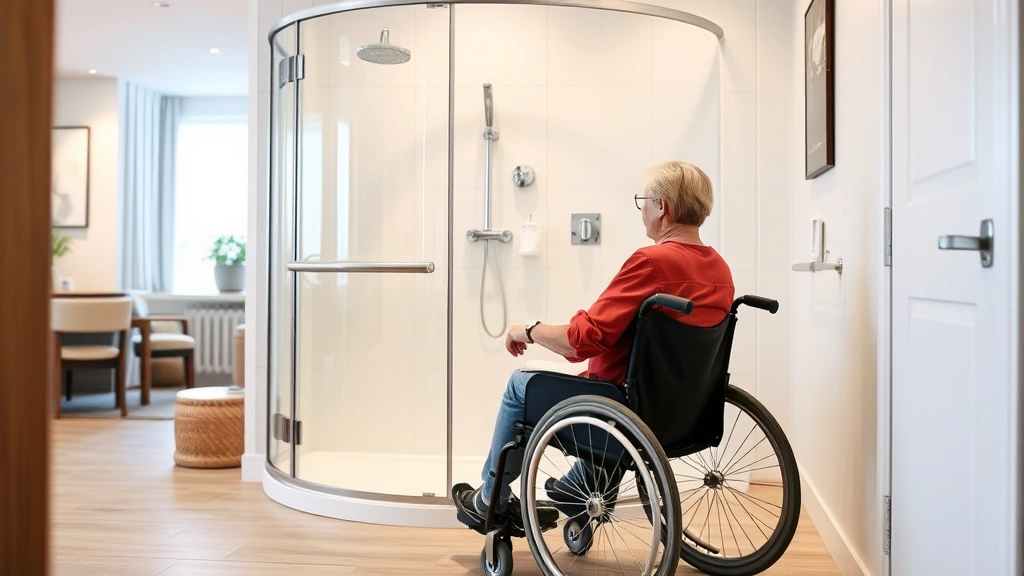
- Mobility and accessibility issues: If you develop a condition requiring wheelchair access, ground-floor living, or proximity to medical facilities, your current unit may become uninhabitable for your needs.
- Environmental sensitivities: Severe allergies, asthma, or chemical sensitivities triggered by mold, pests, or neighboring units may make your home hazardous to your health.
- Mental health crises: Conditions like severe anxiety, PTSD, or depression linked to domestic violence, neighborhood trauma, or specific building features may require immediate relocation.
- Infectious disease management: Immunocompromised individuals or those with conditions requiring isolation may need housing changes to maintain health protocols.
- Medical treatment requirements: Starting new treatment, undergoing surgery, or beginning rehabilitation may necessitate proximity to medical providers or accessible housing.
- Caregiver needs: If you require live-in care or frequent medical visits, your current lease terms may not accommodate essential support systems.
The key legal standard is whether your condition creates a functional limitation that makes your current housing unsuitable. This is why a functional limitation verification letter becomes critical documentation.
What a Doctor’s Letter Must Include
A medical letter requesting lease termination must be more than a simple note saying “this patient has a medical condition.” Legal and housing authorities require specific elements to give your letter weight in negotiations or court proceedings.
Essential components include:
- Letterhead: Official medical practice or hospital letterhead with provider name, credentials, contact information, and license number. This establishes authenticity and allows landlords to verify the letter’s source.
- Patient identification: Your full name, date of birth, and the dates you’ve been under the provider’s care. This prevents confusion and establishes the doctor-patient relationship.
- Clear medical diagnosis: The letter should state your diagnosis or describe your medical condition in sufficient detail. It doesn’t need to be exhaustive, but must be specific enough to justify the accommodation request.
- Functional limitations: The provider must explain how your condition limits your ability to perform major life activities—in this case, safely and healthfully occupying your current residence. For example: “Patient’s severe mobility impairment prevents safe navigation of stairs and requires ground-floor accessible housing.”
- Connection to housing: The letter must explicitly state that your current housing is exacerbating your condition or preventing proper treatment. A generic medical letter carries less weight than one addressing the specific housing issue.
- Medical recommendation: The provider should recommend relocation as medically necessary. Language like “I recommend that [patient] relocate to housing that accommodates [specific need]” is stronger than vague statements.
- Timeline if applicable: If your condition is time-sensitive or treatment-dependent, include when relocation should ideally occur.
- Provider signature and date: Original signature (not digital) is preferred by many landlords and required in legal contexts. The date should be recent—ideally within 30 days of submission.
A disability verification letter for housing follows these standards and is specifically designed for landlord-tenant disputes.

” alt=”Medical professional reviewing patient records at desk” />
Legal Protections Under Fair Housing Law
Your right to break a lease for medical reasons is protected under federal housing law, specifically the Fair Housing Act. This law prohibits discrimination based on disability and requires landlords to provide reasonable accommodations.
How Fair Housing protects you:
If your medical condition qualifies as a disability under the Americans with Disabilities Act (ADA), your landlord must engage in an interactive process to discuss reasonable accommodations. The ADA defines disability as a physical or mental impairment that substantially limits a major life activity. Housing, mobility, and self-care all qualify as major life activities.
Breaking a lease can be considered a reasonable accommodation if your current housing genuinely conflicts with your medical needs. For example, if you have severe mobility limitations and your apartment is on the third floor with no elevator, requesting lease termination to find accessible housing is a reasonable accommodation.
Landlords cannot refuse to engage with accommodation requests or retaliate against tenants for requesting them. If a landlord denies your request without legitimate reason, you may file a complaint with HUD (Department of Housing and Urban Development). Many states also have their own fair housing agencies with additional protections.
Important limitation: Fair Housing protections apply to landlords covered by the law (generally those managing 4+ units or using a real estate agent). Some small landlords or owner-occupied properties may have limited obligations, though many state laws extend protections further.
How to Request a Medical Letter from Your Doctor
Getting a legitimate doctor’s letter requires clear communication and understanding of what your healthcare provider can ethically provide. Here’s the proper approach:
Step 1: Schedule an appointment Don’t email or call asking for a letter without an in-person or telehealth visit. Providers should evaluate you directly before writing medical documentation. If you haven’t seen your doctor recently, schedule a visit specifically to discuss your housing situation and its medical impact.
Step 2: Clearly explain your situation During your appointment, explain that your current housing is affecting your health and that you may need to break your lease. Be specific: “The stairs are making my arthritis worse” or “The mold in the unit is triggering my asthma attacks.” Connect your medical condition directly to the housing problem.
Step 3: Request a specific letter Ask your provider to write a letter to your landlord documenting your medical condition and its connection to your housing needs. Mention that the letter will be used in housing negotiations. Providers appreciate clarity about the letter’s purpose.
Step 4: Discuss what’s appropriate Your doctor can document your diagnosis and functional limitations. However, they cannot be pressured to lie or exaggerate. The letter must reflect their genuine medical assessment. If your situation doesn’t medically justify lease termination, an ethical provider will decline or suggest alternative accommodations.
Step 5: Verify authenticity requirements Ask whether your provider prefers to send the letter directly to your landlord or to you. Some practices mail medical letters directly to third parties; others give them to you sealed. Understand your provider’s process to ensure the letter carries maximum credibility.
Step 6: Follow up in writing After your appointment, send a follow-up email summarizing what was discussed and confirming that your provider will send the letter. This creates documentation of your request.
If you’re seeking a letter from a new provider or through a telemedicine service, ensure the provider is licensed in your state and has appropriate medical credentials. Understanding the costs involved helps you budget for this important documentation.
Presenting Your Case to Your Landlord
Once you have your medical letter, presenting it effectively increases the likelihood your landlord will cooperate. Here’s a strategic approach:
Timing: Don’t wait until you’re desperate to move. Submit your request as soon as you know your housing situation is medically problematic. Early notice gives your landlord time to process the request rather than viewing it as an emergency demand.
Method: Deliver the letter formally—in person with a written cover letter, via certified mail, or through email with read receipt. Avoid casual text messages or phone calls. Document that your landlord received the letter.
Accompanying documentation: Include a brief cover letter explaining your request. You don’t need to disclose extensive medical details, but should explain the connection between your condition and your need to relocate. Example: “I am requesting early lease termination due to a medical condition that requires accessible housing. My doctor’s letter, attached, documents this medical necessity.”
Reasonable timeline: Offer a reasonable move-out date—typically 30-60 days. This shows good faith and makes the request more palatable to your landlord, who may otherwise fear financial loss.
Offer solutions: Propose ways to minimize your landlord’s loss: finding a replacement tenant, paying a portion of advertising costs, or offering to stay through a certain date. Landlords are more receptive when they see you’re trying to solve the problem collaboratively.
Know your state law: Some states have specific rules about medical lease termination. Research your state’s tenant rights before presenting your request. If state law supports your position, mention it respectfully.
Expect pushback: Some landlords will deny your request despite your medical documentation. If this happens, you have options: negotiate further, file a housing discrimination complaint with HUD or your state agency, or consult a tenant rights attorney. Many legal aid organizations offer free consultations for low-income tenants.
Alternative Housing Accommodations
Before pursuing lease termination, consider whether reasonable accommodations might solve your problem without requiring you to move. Your landlord may be more receptive to modifications than to lease termination.
Common accommodations include:
- Unit transfer: Requesting a ground-floor unit, a unit without stairs, or one farther from noise or allergens
- Modifications: Installing grab bars, widening doorways, adding ramps, or improving ventilation
- Policy changes: Allowing service animals, modifying guest policies for caregivers, or permitting medical equipment
- Parking: Designating accessible parking close to your unit entrance
If your landlord offers a reasonable accommodation that would address your medical needs, accepting it may prevent lease termination conflict. However, if the accommodation is inadequate or your condition truly requires relocation, you’re not obligated to accept a substandard solution.
For those needing documentation of their functional limitations, functional limitation verification supports both accommodation requests and lease termination requests.
FAQ
Can I break my lease for mental health reasons?
Yes, if your mental health condition substantially limits a major life activity and your current housing exacerbates it. Examples include PTSD triggered by your building, severe anxiety requiring relocation, or depression linked to your neighborhood. Your doctor must document the connection between your condition and your housing situation. The letter should explain how your current environment prevents you from managing your mental health effectively.
What if my landlord ignores my medical letter?
Document all communication attempts. Send follow-up letters via certified mail. If your landlord refuses to engage, file a fair housing complaint with HUD or your state’s fair housing agency. Consult a tenant rights attorney—many offer free initial consultations. If your state allows it, you may be able to break the lease unilaterally and move, then defend your position if your landlord sues for breach of lease.
Does my landlord have a right to see my full medical records?
No. Your landlord only needs enough information to understand that your condition creates a functional limitation requiring accommodation. Your doctor’s letter should not include complete medical history, treatment details, or psychiatric notes. You can decline requests for full records and provide only the information necessary to justify your accommodation request.
How much does a medical letter cost?
Costs vary. Some doctors include letters with regular office visits at no additional charge. Others charge $50-$300 depending on the letter’s complexity and your location. Telemedicine providers offering disability letters typically charge $150-$500. Understanding disability letter costs helps you budget appropriately.
Can I use an online disability letter service?
Legitimate online services connect you with licensed healthcare providers in your state who evaluate you via telemedicine, then provide appropriate documentation. However, be cautious of services that guarantee letters without proper medical evaluation—these produce fraudulent documents that landlords and courts reject. Your provider must genuinely assess your condition and medical need.
What if my lease says I can’t break it for any reason?
Lease clauses cannot override fair housing law. Even if your lease prohibits early termination, fair housing protections require landlords to provide reasonable accommodations for disabilities, including lease termination when appropriate. A lease clause doesn’t eliminate your legal rights.
Should I tell my landlord about my medical condition before requesting lease termination?
Not necessarily. You can submit your medical letter without prior conversation. However, some tenants prefer discussing their situation informally first to gauge their landlord’s receptiveness. This is a personal choice. If you do discuss it beforehand, keep it brief and professional, then follow up with formal written documentation.
Can my landlord require me to see their doctor?
Generally no, though some landlords may request independent medical verification. You can decline and instead offer to have your doctor speak directly with the landlord or provide additional documentation. If you’re pursuing legal remedies, a judge may order independent evaluation, but your landlord cannot unilaterally demand it.
What’s the difference between a disability letter and a functional limitation letter?
A functional limitation letter specifically documents how your condition affects your ability to perform major life activities (like housing yourself safely). A disability verification letter for housing combines diagnosis confirmation with functional impact assessment. For lease termination, a functional limitation letter is often more persuasive because it directly connects your medical condition to your housing need.