Need a Housing Accommodation Letter? Doctor Approved!
Finding accessible, safe housing that meets your medical needs is a fundamental right protected by federal law. Whether you require a ground floor unit due to mobility limitations, need an allergen-free environment for respiratory conditions, require accessible parking for a disability, or have other health-related housing needs, a housing accommodation letter from a licensed doctor is often the key to securing the modifications and protections you deserve.
A housing accommodation letter—also called a medical necessity letter or physician’s accommodation letter—is a formal document from a healthcare provider that outlines your medical condition and explains why specific housing modifications or accommodations are medically necessary. This letter carries significant legal weight under the Fair Housing Act and can help ensure landlords, property managers, and housing providers take your needs seriously.
In this comprehensive guide, we’ll walk you through everything you need to know about obtaining a doctor-approved housing accommodation letter, what it should contain, how to use it effectively, and how to protect your rights as a tenant or homeowner with disabilities.
What Is a Housing Accommodation Letter?
A housing accommodation letter is a medical document issued by a licensed healthcare provider—typically a physician, psychiatrist, psychologist, or other qualified medical professional—that verifies you have a disability or medical condition and explains why you need specific housing accommodations. This letter serves as official documentation that your accommodation request is based on genuine medical necessity rather than preference.
Unlike a casual note or email from your doctor, a formal housing accommodation letter follows specific professional standards and includes detailed information about your condition, functional limitations, and the direct connection between your medical needs and the requested accommodations. The letter must come from a licensed medical professional who has personally evaluated you and understands your health situation.
The Fair Housing Act (FHA) requires housing providers to make reasonable accommodations in rules, policies, practices, or services when necessary to give a person with a disability equal opportunity to use and enjoy a dwelling. A doctor-approved housing accommodation letter provides the documentation needed to initiate and support this process legally.
Why You Need a Doctor-Approved Letter
Housing providers are not required to accept vague requests or unverified claims about medical needs. A doctor-approved accommodation letter carries legal authority because it comes from a qualified healthcare professional with clinical expertise. Here’s why this matters:
- Legal Protection: Federal law recognizes medical documentation from licensed professionals as evidence of disability and medical necessity. A letter from your doctor creates a paper trail that protects both you and the housing provider.
- Credibility and Legitimacy: Landlords and property managers are more likely to take your request seriously when it’s backed by professional medical documentation. This reduces delays and disputes.
- Clear Functional Connection: Your doctor can explain exactly how your medical condition creates a functional limitation that makes a specific accommodation necessary. For example, if you have severe asthma, your doctor can document why an allergen-free unit is medically essential, not just preferred.
- Compliance with FHA Requirements: When you request a reasonable accommodation under the Fair Housing Act, housing providers may ask for documentation. A doctor-approved letter fulfills this requirement and demonstrates good faith on your part.
- Dispute Resolution: If a housing provider denies your accommodation request, your doctor’s letter serves as key evidence if the matter goes to a fair housing agency or court.
Without proper documentation from a licensed healthcare provider, your accommodation request may be dismissed as unsubstantiated, even if your need is genuine and serious.
What Should Be Included in Your Letter
A comprehensive housing accommodation letter should contain specific elements to be legally effective. Your doctor should include:
- Doctor’s Contact Information: Full name, title, license number, clinic or hospital name, address, phone number, and email. This allows the housing provider to verify credentials if needed.
- Your Personal Information: Your full name, date of birth, and current address. This confirms the letter is specifically about you.
- Date of Evaluation: When you were last seen by this healthcare provider. Current evaluations (typically within the past year) carry more weight.
- Diagnosis or Medical Condition: The specific condition(s) you have that necessitate accommodation. This might include chronic pain, mobility impairment, hearing loss, anxiety disorder, PTSD, asthma, or other conditions.
- Functional Limitations: How your condition affects your daily life and ability to access housing. For example: “Patient has severe mobility limitations due to spinal injury and cannot navigate stairs or use standard bathroom fixtures.”
- Specific Accommodation Request: The exact accommodation(s) you need, such as ground floor unit, accessible parking space, kitchen modification, or allergen-free environment.
- Medical Necessity Statement: A clear explanation of why this specific accommodation is medically necessary. Connect your functional limitation directly to the requested accommodation.
- Professional Signature and Credentials: The doctor must personally sign the letter on official letterhead. Typed signatures or unsigned letters are typically not accepted.
- Verification of Licensed Status: Some providers include their state medical license number to facilitate verification.
Strong housing accommodation letters avoid vague language and instead provide specific, clinically relevant details that demonstrate genuine medical need. Your doctor should be comfortable standing behind the letter’s contents if contacted by the housing provider.

” alt=”Doctor in white coat reviewing medical documents at desk in modern clinic office”>
How to Request One From Your Doctor
Getting a housing accommodation letter starts with a conversation with your healthcare provider. Here’s how to approach it:
- Schedule an Appointment: Don’t try to request this via email or phone. Schedule a visit with your doctor so they can discuss your housing needs and medical situation in detail. This also ensures the letter is based on a current clinical relationship.
- Bring Documentation: Come prepared with any relevant medical records, test results, or previous diagnoses that support your need for accommodation. This helps your doctor understand the full picture of your condition.
- Clearly Explain Your Need: Describe specifically what housing accommodation you need and why. For example: “I have severe arthritis and cannot use stairs, so I need a ground floor apartment” or “I have PTSD and experience panic attacks triggered by confined spaces, so I need a unit with a balcony or outdoor access.”
- Ask Directly: Say something like: “I need a housing accommodation letter from you for my landlord. Can you write a letter explaining my medical condition and why I need [specific accommodation]?”
- Provide Details About Timing: Let your doctor know when you need the letter. Most providers can turn this around within a few days to a week.
- Discuss Legitimate vs. Questionable Letters: If you have genuine medical needs, your doctor will be happy to document them. If your doctor seems hesitant, it may be a sign that the request isn’t medically necessary—and that’s important information, because fraudulent accommodation letters can have legal consequences.
- Confirm Format: Ask if your doctor will provide the letter on official letterhead and whether they can send it directly to you or to your housing provider.
Most licensed healthcare providers are familiar with writing accommodation letters and understand the importance of this documentation. If your doctor refuses without a legitimate clinical reason, you may want to seek a second opinion from another qualified provider.
Common Housing Accommodations Explained
Housing accommodations vary widely based on individual medical needs. Here are the most common requests and why they matter:
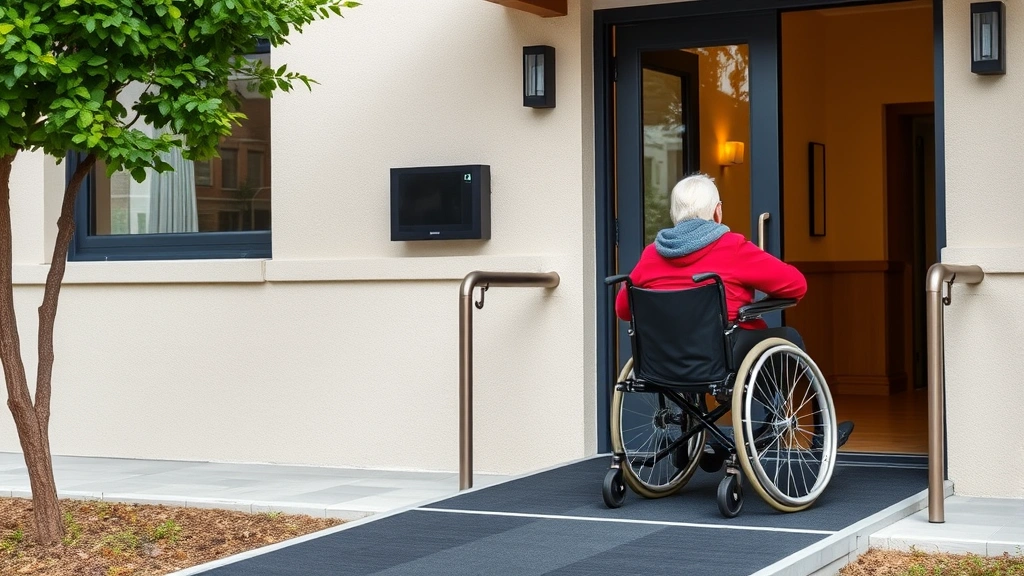
Ground Floor or Single-Level Units: People with mobility impairments, severe pain conditions, or cardiopulmonary diseases often cannot navigate stairs. A ground floor unit eliminates this barrier and allows independent living.
Accessible Parking: People with mobility disabilities need designated accessible parking close to their unit entrance. This reduces pain, fatigue, and safety risks from walking long distances.
Allergen-Free Units: Tenants with severe asthma, allergies, or chemical sensitivities may need units where previous tenants’ pets or smoking have not compromised air quality. Proper documentation supports deep cleaning or unit selection.
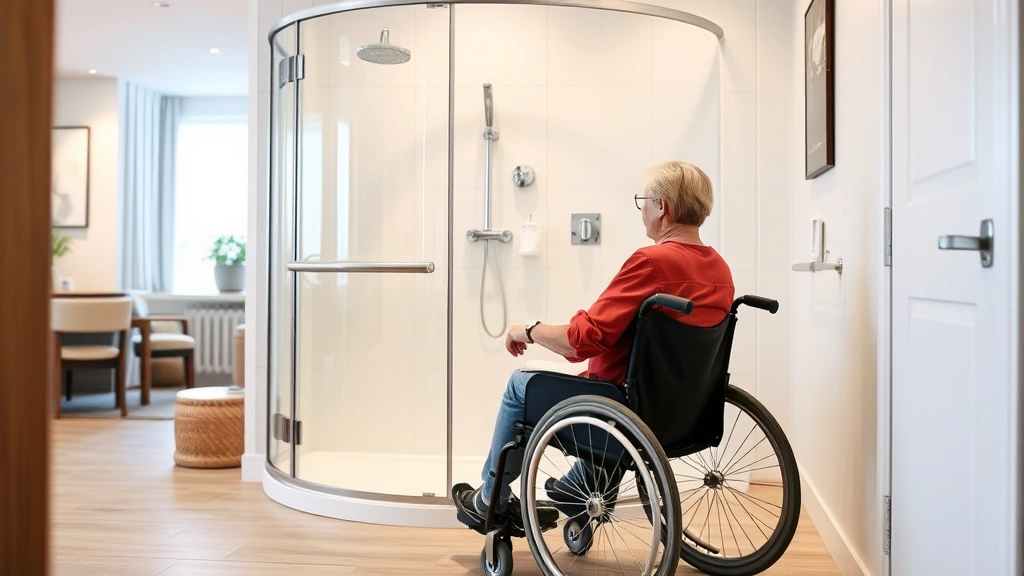
Modified Bathrooms: Grab bars, walk-in showers, accessible toilets, and other modifications help people with mobility issues maintain dignity and independence in personal care.
Kitchen Modifications: Lower counters, accessible appliances, or space for mobility aids help people with disabilities prepare meals independently.
Emotional Support Animal (ESA) or Service Animal Housing: If you have an ESA, you may need a letter documenting your need for the animal. Learn more about getting an emotional support animal letter or service animal verification letter.
Quiet or Low-Noise Accommodations: People with certain neurological conditions, PTSD, or autism spectrum disorders may need units away from high-traffic areas or noise sources.
Climate Control: People with certain autoimmune conditions, chronic pain, or respiratory diseases need precise temperature and humidity control.
A housing accommodation letter should connect your specific medical condition to your specific accommodation need. Generic requests are less likely to be approved.
Legal Protections and Your Rights
Understanding your legal rights is crucial when requesting housing accommodations. The Fair Housing Act and the Americans with Disabilities Act (ADA) both protect your right to request reasonable accommodations.
Fair Housing Act Protection: The FHA prohibits discrimination based on disability and requires housing providers to make reasonable accommodations in rules, policies, practices, or services. A housing provider cannot legally refuse an accommodation request simply because they prefer not to accommodate you. They can only deny a request if the accommodation is not reasonable, not necessary, or creates an undue financial burden.
What Counts as Reasonable?: Most housing accommodations—ground floor units, accessible parking, ESA allowances, bathroom modifications—are considered reasonable because they don’t create excessive costs or fundamental alterations to the housing provider’s operations.
Documentation Requirements: Housing providers can ask for reliable documentation that you have a disability and that the accommodation is necessary. A doctor-approved housing accommodation letter meets this requirement. However, they cannot ask for your diagnosis, medical records, or other private health information beyond what’s necessary to verify the accommodation need.
Your Right to Privacy: While you must provide documentation, you’re not required to disclose your full medical history or diagnosis if the letter adequately explains the functional limitation and necessity of the accommodation.
Retaliation Protection: Housing providers cannot retaliate against you for requesting an accommodation. Retaliation—such as raising rent, decreasing services, or threatening eviction—is illegal.
If a housing provider denies your accommodation request unreasonably, you can file a complaint with the Department of Housing and Urban Development (HUD). Learn more about your rights in our guide on legitimate housing accommodation letters.
Next Steps After Getting Your Letter
Once you have your doctor-approved housing accommodation letter, here’s what to do:
- Make Copies: Keep the original and make several copies. You may need to provide copies to your landlord, property manager, and potentially to fair housing agencies if disputes arise.
- Submit to Housing Provider: Send your letter to your landlord or property manager in writing (email with read receipt, certified mail, or hand delivery). Keep proof of delivery.
- Follow Up in Writing: After submitting your letter, follow up in writing within a reasonable timeframe (typically 5-10 business days) asking for a written response to your accommodation request.
- Document Everything: Keep copies of all communications—emails, letters, texts—regarding your accommodation request. This creates a record if you later need to file a complaint.
- Know the Timeline: While there’s no strict legal deadline, housing providers should respond promptly. If they delay significantly or deny your request without legitimate reason, this may be evidence of discrimination.
- Seek Legal Help if Needed: If your housing provider denies your request or retaliates against you, consult with a disability rights attorney or contact a fair housing organization. Many organizations offer free or low-cost legal assistance to people with disabilities.
- Consider Additional Documentation: If your housing provider questions the validity of your letter, you may need to provide additional documentation such as a disability verification letter or functional limitation verification letter.
The goal is to work collaboratively with your housing provider. In most cases, when presented with proper medical documentation, providers will approve reasonable accommodations without dispute.
FAQ
Can Any Doctor Write a Housing Accommodation Letter?
The doctor should be a licensed healthcare provider (MD, DO, psychiatrist, psychologist, nurse practitioner, physician assistant) who has personally evaluated you and understands your medical condition. The letter carries more weight if it comes from a provider who specializes in your condition or who has treated you long-term. However, any licensed provider who has seen you clinically can write the letter if they believe the accommodation is medically necessary.
How Long Is a Housing Accommodation Letter Valid?
Most housing providers accept letters dated within the past year. For chronic, stable conditions, a one-year-old letter is typically sufficient. However, if your condition has changed significantly or if a housing provider questions the currency of the letter, your doctor can write an updated one. For acute conditions or those that change frequently, a more recent letter may be necessary.
Can I Be Denied Housing Because of a Disability?
No. The Fair Housing Act explicitly prohibits discrimination based on disability. A housing provider cannot refuse to rent to you, charge higher rent, or deny accommodations simply because you have a disability. They can only deny an accommodation if it’s not reasonable, not necessary, or would create undue financial hardship—and they must explain their reasoning in writing.
What If My Landlord Asks for More Than Just a Letter?
Housing providers can ask for reliable documentation that you have a disability and need the accommodation, but they cannot ask for your diagnosis, medical records, or other detailed health information. If your landlord asks for excessive information, you can politely decline and offer your accommodation letter instead. If they continue to demand inappropriate information, this may be discrimination, and you can file a complaint with HUD.
Can I Request an Accommodation Without a Letter?
Technically, you can make a verbal request, but it’s much less likely to be taken seriously or approved. A doctor-approved letter provides the documentation that makes your request legally enforceable. Without it, your landlord can easily dismiss your request as preference rather than medical necessity.
What If My Doctor Refuses to Write the Letter?
If your doctor refuses without a legitimate clinical reason (such as believing the accommodation isn’t medically necessary), you have options: request a written explanation of their refusal, seek a second opinion from another provider, or consider whether the accommodation request is truly medically necessary. If you believe your doctor is discriminating against you based on disability, you can file a complaint with your state medical board.
Is It Legal to Buy a Housing Accommodation Letter Online?
No. Purchasing a pre-written or fraudulent accommodation letter is illegal and unethical. These letters lack legitimate medical evaluation and expose you to serious legal consequences, including fraud charges. Additionally, fraudulent letters undermine the credibility of people with genuine accommodation needs. Always obtain your letter from a licensed healthcare provider who has personally evaluated you.
Can I Use the Same Letter for Multiple Housing Situations?
Yes, you can use copies of the same letter when applying to different housing providers, as long as the letter is current (dated within the past year) and your medical situation hasn’t significantly changed. However, if you move to a new property years later or if your condition changes, you should obtain an updated letter from your doctor.