Is a Doctor’s Note Enough to Break a Lease? Legal Guide
Breaking a lease due to medical reasons is a serious legal matter that requires proper documentation and understanding of tenant rights. Many renters wonder whether a simple doctor’s note is sufficient to legally terminate a lease agreement without penalty. The answer depends on your jurisdiction, the nature of your medical condition, the specific lease terms, and whether your situation qualifies as a legally protected accommodation under federal or state law.
A doctor’s letter alone may not be enough to break your lease, but when combined with proper legal procedures and disability rights protections, it can become a powerful tool. This guide explains the legal framework surrounding medical lease terminations, what documentation landlords typically require, and how to navigate this complex process effectively.
Can a Doctor’s Note Break Your Lease Legally?
The short answer is: not by itself. A doctor’s note is a starting point, but it must be part of a broader legal strategy. Most standard lease agreements do not include medical hardship clauses that automatically allow termination based on a doctor’s letter. However, federal and state housing laws can override lease terms in specific circumstances.
When you have a documented medical condition that prevents you from living in your current unit—such as mold triggering severe asthma, stairs worsening mobility issues, or environmental allergens causing life-threatening reactions—you may have legal grounds to break your lease. The key is demonstrating that:
- Your medical condition is substantially limiting
- The current housing creates a genuine health risk
- You’ve requested reasonable accommodation from your landlord
- The landlord has refused or the accommodation is impossible
- You have proper medical documentation supporting your claim
A doctor disability confirmation letter goes beyond a casual note by providing detailed functional limitations and medical necessity. This strengthens your legal position significantly.
Legal Protections Under Fair Housing and ADA
The Fair Housing Act (FHA) and the Americans with Disabilities Act (ADA) provide critical protections for tenants with disabilities. These federal laws require landlords to provide reasonable accommodations, which sometimes includes lease termination without penalty when the current unit is unsuitable for your medical needs.
Fair Housing Act Protections: The FHA applies to most rental properties and requires landlords to make reasonable accommodations in rules, policies, and services. If you have a disability (as defined by the FHA—broader than you might think), you can request modifications or accommodations. If your landlord denies your request unreasonably, you may have grounds to break the lease.
ADA Requirements: If you receive federal housing assistance or live in a building with five or more units, ADA requirements may apply. These protections mandate that housing be accessible and usable by people with disabilities.
The critical legal concept is “reasonable accommodation.” Before breaking your lease, you must typically:
- Formally request a reasonable accommodation from your landlord in writing
- Provide medical documentation (your doctor’s letter) supporting the need
- Give your landlord a reasonable time to respond (usually 10-30 days)
- Document the landlord’s refusal or inability to accommodate
- Then explore lease termination as a remedy
The EEOC provides guidance on housing accommodations, and the Job Accommodation Network (JAN) offers resources on disability rights in various contexts.
What Makes a Doctor’s Letter Legally Valid
Not all doctor’s notes carry the same legal weight. To be effective in a lease termination dispute, your medical documentation must meet specific standards:
Essential Elements:
- Licensed Provider: Must be from a licensed physician, psychiatrist, nurse practitioner, or other qualified healthcare provider in your state
- Specific Diagnosis or Condition: The letter should identify the medical condition (without necessarily naming it if privacy is a concern) and explain functional limitations
- Functional Limitations: Describe how the condition limits major life activities (mobility, self-care, communication, concentration)
- Connection to Housing: Explicitly explain why your current housing exacerbates the condition or prevents necessary treatment
- Medical Necessity: State that a change in housing is medically necessary, not merely preferable
- Provider Credentials: Include the provider’s license number, contact information, and credentials
- Dated and Signed: Must be recent (typically within 30 days of submission) and professionally signed
- Professional Letterhead: Should be on official medical practice letterhead, not handwritten on plain paper
A vague note like “Patient X should move to a ground floor apartment for health reasons” is unlikely to hold up legally. Instead, your doctor should provide details: “Patient has severe mobility limitations due to [condition], uses a wheelchair, and cannot safely navigate the three flights of stairs in the current unit. Remaining in this unit poses a fall risk and prevents independent living.”
Obtaining a legitimate medical accommodation letter ensures your documentation meets legal standards and carries appropriate weight with landlords and courts.

Types of Medical Situations That May Justify Lease Termination
Certain medical circumstances are more likely to legally justify breaking a lease. These generally involve situations where the housing itself creates or significantly worsens a medical condition:
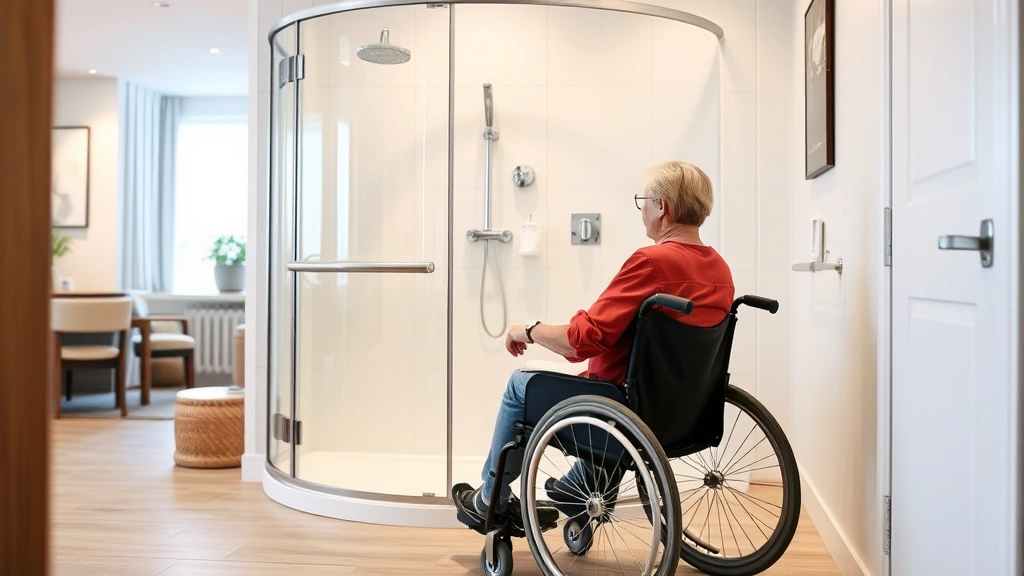
Accessibility Issues: If you have mobility disabilities and your unit lacks necessary accessibility features (no elevator, narrow doorways, inaccessible bathroom), and the landlord cannot reasonably provide modifications, lease termination may be justified.
Environmental Triggers: Conditions like severe asthma, allergies, or chemical sensitivities triggered by mold, pest infestations, or poor air quality in your specific unit can justify relocation. You must demonstrate that the landlord cannot remedy the environmental issue.
Medical Necessity for Relocation: A doctor may prescribe a ground floor unit for cardiac patients, a quiet environment for someone with severe anxiety, or proximity to medical facilities for someone undergoing intensive treatment.
Safety Concerns: If remaining in your current unit poses a documented safety risk (such as inability to evacuate due to mobility limitations), this strengthens your position.
Caregiver Proximity: If your condition requires a live-in caregiver and your lease prohibits additional occupants, you may have grounds for accommodation or termination.
Conditions like minor colds, temporary injuries, or preference-based health goals typically do not qualify. Courts examine whether the medical need is genuine and substantial, not merely convenient.
State-Specific Laws on Medical Lease Breaks
State laws vary significantly in how they handle medical lease terminations. Some states have explicit “medical hardship” provisions, while others rely on federal fair housing law. Understanding your state’s specific requirements is crucial.
California: California law allows tenants to break leases for documented domestic violence, sexual assault, or human trafficking. Some local ordinances (like in San Francisco) include medical hardship clauses. The state also strongly enforces reasonable accommodation requests under fair housing law.
New York: New York recognizes medical hardship as grounds for lease termination, particularly when a landlord has refused reasonable accommodations. The state’s Human Rights Law provides broad protections for tenants with disabilities.
Texas: Texas has limited statutory medical hardship provisions, but tenants can rely on federal fair housing protections. The state requires landlords to make reasonable accommodations for disabilities.
Florida: Florida does not have a specific medical hardship statute, but fair housing law applies. Florida courts have upheld lease terminations when landlords fail to provide required accommodations.
Illinois: Illinois includes medical hardship language in some housing regulations and strongly enforces the Fair Housing Act. Chicago’s local ordinances provide additional protections.
Because state law matters significantly, consult your state’s housing authority or a local tenant rights organization. Many communities have free legal aid organizations that specialize in housing disputes.
Steps to Legally Break Your Lease for Medical Reasons
Follow this systematic approach to maximize your chances of legally breaking your lease:
Step 1: Obtain Comprehensive Medical Documentation
Schedule an appointment with your healthcare provider and request a detailed letter addressing the specific points mentioned in Section 3. Be honest about your condition and how your current housing affects it. Your provider should understand that this letter may be used in a legal dispute. A doctor note from a licensed provider carries more weight than informal documentation.
Step 2: Review Your Lease and Local Laws
Carefully read your lease for any medical hardship clauses or early termination provisions. Research your state and local housing laws regarding medical accommodations. Many states have tenant rights guides available online through the state attorney general’s office or legal aid organizations.
Step 3: Document the Problem
Create a detailed record of how your current housing creates or worsens your medical condition. Take photographs (mold, stairs, lack of accessible features), keep receipts for medical expenses, document appointments related to your condition, and write down specific incidents where the housing caused problems.
Step 4: Send a Formal Accommodation Request
Write a formal letter to your landlord requesting a reasonable accommodation. This might be a transfer to a different unit, modification of the current unit, or early lease termination. Include your medical documentation. Send this via certified mail with return receipt requested. Keep copies of everything.
Step 5: Allow Time for Response
Federal law requires landlords to respond promptly to accommodation requests, typically within 10-30 days. If your landlord denies the request or fails to respond, document this.
Step 6: Request Lease Termination
If the landlord cannot or will not accommodate your needs, send another formal letter requesting lease termination without penalty. Reference your previous accommodation request, the landlord’s response (or lack thereof), and explain how the current housing creates an undue hardship.
Step 7: Consider Legal Assistance
If your landlord refuses, consult a tenant rights attorney or local legal aid organization. Many areas offer free consultations. Having legal backing strengthens your position significantly.
Step 8: Document Everything
Keep all correspondence, medical records, photographs, and communications. If this goes to court, documentation is your strongest evidence.

Common Mistakes to Avoid
Mistake 1: Providing Vague Medical Documentation
A casual note saying “Patient needs to move” won’t work. Your medical documentation must be specific, detailed, and professionally presented.
Mistake 2: Skipping the Accommodation Request Step
Many tenants go straight to lease termination without formally requesting accommodation first. This weakens your legal position. Fair housing law requires you to give landlords a chance to accommodate your needs.
Mistake 3: Breaking the Lease Without Documentation
Simply stopping rent payment or moving out without proper legal process can result in eviction, broken lease fees, damaged credit, and loss of your legal defense. Always follow formal procedures.
Mistake 4: Using Informal Communication
Text messages, emails to the wrong person, or casual conversations don’t create a legal record. Use certified mail, formal letters, and official communication channels.
Mistake 5: Waiting Too Long
The longer you wait to address the problem, the weaker your position becomes. Start the accommodation request process as soon as you identify the issue.
Mistake 6: Misrepresenting Your Condition
Exaggerating or fabricating a medical condition is illegal and will destroy your credibility in court. Be honest about your actual medical needs.
Mistake 7: Not Keeping Copies
Always maintain copies of every document you send and receive. Electronic copies, printed copies, and photos of certified mail receipts are all valuable.
If you need professional assistance documenting your medical needs, a legitimate medical letter from a licensed provider can be obtained quickly and professionally.
FAQ
Can I break my lease with just a doctor’s note?
A doctor’s note alone is insufficient. You need comprehensive medical documentation combined with formal accommodation requests and proof that your landlord has refused reasonable accommodations. The process typically requires multiple steps and proper documentation.
How much detail should my doctor’s letter include?
Your doctor’s letter should include your specific condition (or functional limitations if you prefer not to name the diagnosis), how it affects your major life activities, why your current housing exacerbates it, why moving is medically necessary, and the doctor’s professional credentials. Aim for a detailed letter, not a brief note.
What if my landlord refuses to acknowledge my accommodation request?
Document the refusal (certified mail with return receipt is best). If your landlord ignores a formal written request, that itself is evidence of non-compliance with fair housing law. Consult a lawyer about your next steps.
Can I be charged a break-lease fee if I have medical documentation?
If you properly establish a right to break the lease based on fair housing law or state medical hardship provisions, landlords cannot charge you a break-lease fee. However, if your claim is denied, fees may apply. This is why legal process matters.
How long does the lease-breaking process take?
The formal process typically takes 4-12 weeks, including time for accommodation requests, landlord response, and potential legal action. Emergency situations may move faster.
Should I continue paying rent while requesting lease termination?
Yes, continue paying rent unless a court or legal agreement states otherwise. Stopping rent payment can result in eviction and undermines your legal position.
What if I have a service animal or ESA?
Service animals and emotional support animals have special legal protections under the FHA. If your animal requires different housing, you have strong legal grounds for accommodation. Proper service animal documentation is essential.
Where can I get free legal help?
Contact your local legal aid society, tenant rights organization, or state bar association. Many areas offer free consultations with attorneys specializing in housing law. The Department of Justice maintains a directory of legal aid organizations.
Can my landlord retaliate against me for requesting accommodations?
No. Fair housing law prohibits retaliation for requesting accommodations or asserting your rights. Retaliation (increased rent, eviction notices, reduced services) is illegal and gives you additional legal claims.
What documentation should I keep?
Keep copies of all medical records, doctor’s letters, lease agreements, accommodation requests, landlord responses, photographs of housing issues, certified mail receipts, emails, and any written communications. Organize these chronologically in case you need them for legal proceedings.