Doctor-Approved Lease Modifications: What to Know
When a medical condition significantly impacts your ability to live safely and comfortably in your current rental, a doctor-signed lease modification letter can be a powerful tool for securing necessary changes. Whether you need ground floor access due to mobility limitations, allergen-free housing for respiratory conditions, or other critical modifications, understanding how medical documentation supports your request is essential. This guide explains how doctor-approved lease modifications work, what qualifies, and how to navigate the process successfully.
Lease modifications backed by medical necessity letters carry legal weight under fair housing laws. Unlike standard lease requests, medically necessary modifications are considered reasonable accommodations that landlords are generally required to consider under the Fair Housing Act and the Americans with Disabilities Act. A doctor’s signature on your modification request signals that your need is legitimate and clinically necessary, not a preference or convenience.
What Is a Doctor-Signed Lease Modification Letter?
A doctor-signed lease modification letter is a formal medical document in which a licensed healthcare provider confirms that you have a disability or medical condition and that a specific change to your rental living situation is medically necessary. This letter serves as clinical evidence supporting your accommodation request and helps demonstrate that the modification is not optional but essential for your health, safety, or functional ability.
The letter typically includes your diagnosis (or functional limitations if your doctor prefers not to disclose the specific diagnosis), how the condition affects your daily life, and an explicit statement that the requested modification is medically necessary. For example, a letter might state: “My patient requires ground floor housing due to severe mobility limitations that make stair climbing unsafe and functionally impossible.”
Unlike a casual note from your doctor, a formal lease modification letter carries legal significance. It demonstrates that a qualified medical professional has evaluated your situation and determined that the modification is not a luxury but a health necessity. This distinction is crucial when landlords are deciding whether to approve your request, as they are more likely to accommodate modifications supported by medical evidence.
The credibility of your request increases substantially when the letter comes from a treating physician, psychiatrist, therapist, or other licensed healthcare provider who has direct knowledge of your condition. Landlords are more likely to take seriously a letter from a doctor who has examined you or reviewed your medical records than an unsigned or generic accommodation request.
Common Types of Medically Necessary Lease Modifications
Medically necessary lease modifications vary widely depending on individual health needs. Here are the most common types of modifications that doctors recommend:
- Ground Floor or Accessible Unit Transfer: For individuals with mobility impairments, severe arthritis, cardiac conditions, or respiratory diseases, climbing stairs can be dangerous or impossible. A doctor-signed letter requesting ground floor housing is one of the most frequently approved modifications.
- Allergen-Free or Smoke-Free Housing: Patients with severe asthma, COPD, or chemical sensitivities often need units free from secondhand smoke or specific environmental allergens. A letter documenting these respiratory or immunological conditions strengthens your request for allergen-free or smoke-free housing.
- Accessible Parking Space: Those with mobility limitations, chronic pain, or conditions affecting walking distance may need assigned accessible parking close to their unit entrance. A medical letter explaining functional limitations related to walking distance is often required.
- Pet or Service Animal Accommodation: Individuals who need emotional support animals or service animals may require lease modifications to override no-pet policies. You may need both an emotional support animal letter and a separate lease modification approval.
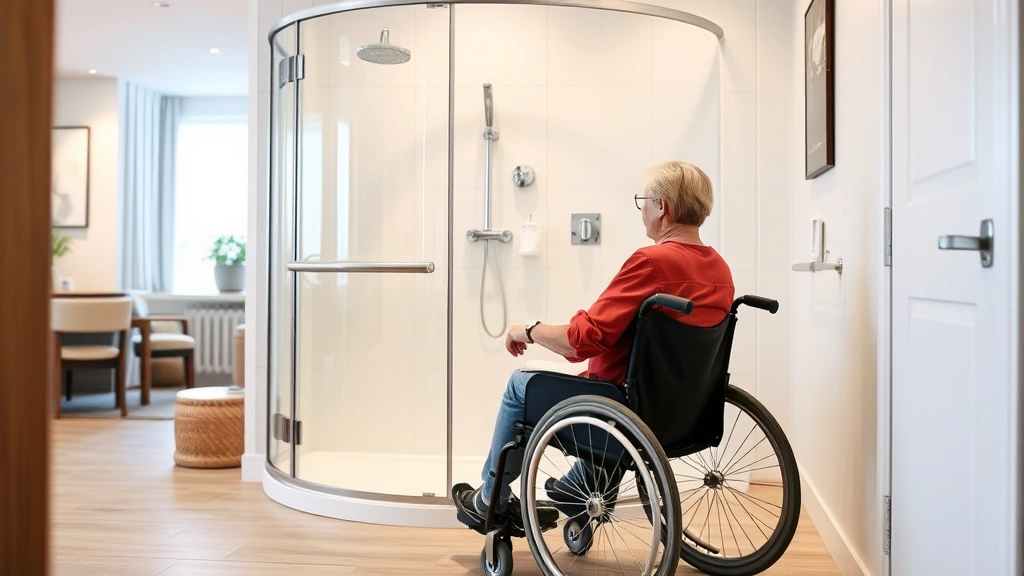
- Accessible Bathroom or Kitchen Modifications: Some individuals need grab bars, walk-in showers, or kitchen modifications for safety and independence. A functional limitation letter from your doctor can support requests for these in-unit modifications.
- Lease Termination or Early Lease Break: In cases of serious illness, terminal diagnosis, or severe medical crises, you may need to break your lease early. A doctor-signed letter explaining the medical necessity can sometimes convince landlords to allow early termination without penalty.
- Flexible Lease Terms: Some tenants need modified lease language to accommodate frequent medical appointments, in-home care, or other health-related needs. A medical necessity letter can justify these non-standard terms.
Each modification type requires specific documentation. For unit modifications, you may also need to reference unit modification medical letters that detail exactly what changes are needed and why.
Legal Framework and Fair Housing Rights
Doctor-signed lease modification requests are protected under several federal laws that require landlords to provide reasonable accommodations for people with disabilities.
The Fair Housing Act (FHA): This federal law prohibits discrimination based on disability and requires landlords to make reasonable accommodations in rules, policies, practices, or services when necessary to afford a person with a disability equal opportunity to use and enjoy a dwelling. A medically necessary lease modification is considered a reasonable accommodation request under the FHA. Learn more at HUD’s Fair Housing Office.
The Americans with Disabilities Act (ADA): While the ADA primarily applies to public accommodations and employers, it reinforces the principle that people with disabilities have the right to equal access and reasonable accommodations. For housing covered by the ADA, lease modifications may be required. Visit ADA.gov for comprehensive information.
State and Local Laws: Many states and municipalities have additional disability protections that may exceed federal requirements. Some jurisdictions have specific rules about medical documentation and landlord responsibilities regarding accommodation requests.
When you submit a doctor-signed lease modification letter, you are invoking your legal rights under these laws. Landlords cannot deny a reasonable accommodation request simply because it is inconvenient or costly, though they can deny requests that impose undue financial or administrative burden or fundamentally alter the nature of their business.
The presence of a doctor’s signature and clinical judgment strengthens your legal position. It demonstrates that your request is based on medical necessity, not preference, which makes it significantly harder for a landlord to justify a denial.

How to Request a Lease Modification From Your Doctor
Getting your doctor to sign a lease modification letter requires clear communication and preparation. Here’s how to approach the conversation:
- Schedule an Appointment: Don’t try to get this documentation during a routine visit or over the phone. Request a specific appointment where you can discuss your housing situation and accommodation needs in detail.
- Explain Your Situation: Tell your doctor exactly what modification you need and why. For example: “I’m having difficulty climbing stairs due to my mobility limitations, and my landlord requires medical documentation to approve a ground floor unit transfer. Can you write a letter confirming that ground floor housing is medically necessary for me?”
- Be Specific About What You Need: The more specific you are about the modification, the more specific your doctor’s letter can be. Instead of “I need accommodations,” say “I need to transfer to a ground floor unit because climbing stairs exacerbates my pain and increases fall risk.”
- Provide Context: Explain how the current situation is affecting your health. If stairs are causing you pain, increasing symptoms, or limiting your ability to access your home safely, make this clear.
- Ask for a Formal Letter: Request that your doctor provide a formal letter on letterhead, signed and dated, that includes their medical license information and credentials. This carries more weight than a handwritten note.
- Clarify Privacy Preferences: Ask whether your doctor will include your specific diagnosis or prefer to describe only functional limitations. Both approaches are legally acceptable; discuss which your doctor is comfortable with.
- Discuss Reasonable Timeline: Ask when the letter will be ready. Most doctors can provide accommodation letters within a few days to a week. If you’re in urgent need, explain the timeline.
Most doctors are accustomed to writing accommodation and modification letters for patients with disabilities. If your doctor seems hesitant, you can offer to provide a template or explain that this is a standard reasonable accommodation request protected by federal law. You might also consider whether a specialist treating your condition (e.g., pulmonologist for respiratory conditions, rheumatologist for arthritis) could provide the letter if your primary care doctor is unavailable.
Presenting Your Request to Your Landlord
Once you have your doctor-signed letter, the next step is submitting your lease modification request to your landlord or property management company. Here’s how to do it effectively:
Submit in Writing: Always submit your accommodation request and supporting documentation in writing, preferably via email or certified mail. This creates a paper trail and ensures your landlord cannot claim they never received your request. Keep copies of everything you submit.
Use Clear, Professional Language: Write a brief cover letter explaining your request. For example: “I am requesting a reasonable accommodation under the Fair Housing Act due to a disability-related medical condition. Enclosed is a letter from my treating physician documenting the medical necessity of this modification. I appreciate your prompt consideration of this request.”
Include Your Medical Letter: Attach your doctor-signed letter to your request. The doctor’s signature and clinical language lend credibility and legal weight to your submission.
Be Specific About the Modification: Clearly state exactly what modification you are requesting. Vague requests are easier for landlords to deny. Instead of “I need accommodations,” write “I am requesting transfer to a ground floor unit as documented in my physician’s letter.”
Provide Contact Information: Include your phone number and email so your landlord can reach you if they have questions or need clarification.
Allow Reasonable Time: Landlords are not required to approve requests immediately, but they must respond within a reasonable timeframe. Follow up if you haven’t heard back within 5-10 business days.
Many landlords will approve medically documented lease modifications without difficulty, especially if the modification is not overly burdensome or costly. The doctor’s signature often resolves any doubt about the legitimacy of your request.
What Happens If Your Landlord Denies Your Request
If your landlord denies your lease modification request despite your doctor-signed letter, you have legal options and recourse:
Request a Written Explanation: Ask your landlord in writing why they denied your request. They must provide a legitimate, non-discriminatory reason. If the reason is related to your disability or medical condition, this may constitute illegal discrimination.
Consult a Fair Housing Attorney: If you believe your request was wrongfully denied, consult an attorney who specializes in disability rights and fair housing. Many offer free consultations. Your state’s HUD regional office can also provide guidance.
File a Fair Housing Complaint: You can file a complaint with HUD or your state’s fair housing agency if you believe you experienced discrimination. HUD investigates complaints and can compel landlords to provide accommodations or pay damages.
Explore the Interactive Process: The Fair Housing Act requires landlords to engage in an “interactive process” with tenants requesting accommodations. If your landlord seems to have simply rejected your request, ask to discuss it further and provide additional documentation if needed.
Document Everything: Keep detailed records of all communications with your landlord regarding your modification request. Save emails, letters, and notes about phone conversations. This documentation is valuable if you need to file a complaint or pursue legal action.
Many wrongful denials occur simply because landlords are unfamiliar with fair housing law. A letter from a disability rights attorney or a formal complaint to HUD often motivates landlords to reconsider and approve previously denied requests.

FAQ
Can my landlord ask for more information about my medical condition?
Landlords can ask clarifying questions about how your condition necessitates the specific modification you’re requesting, but they cannot demand detailed medical records, diagnoses, or treatment information. Your doctor’s letter should provide sufficient information about functional limitations and medical necessity without disclosing your specific diagnosis if you prefer privacy.
Does my doctor’s letter need to include my diagnosis?
No. Your doctor can write a letter that describes your functional limitations and explains why the modification is medically necessary without disclosing your specific diagnosis. For example: “My patient has a chronic condition affecting mobility that makes stair climbing unsafe” is sufficient without naming the condition.
What if I don’t have a current relationship with a doctor?
You’ll need to establish one. Schedule an appointment with a primary care physician, specialist, therapist, or other licensed healthcare provider who can evaluate your condition. If cost is a barrier, seek care through community health centers, telehealth services, or disability support organizations that may offer reduced-cost evaluations.
How long does a doctor-signed lease modification letter last?
There’s no set expiration date, but landlords may request updated letters if significant time has passed or if circumstances change substantially. A letter from your current treating physician is always most credible. Some landlords accept letters that are several years old if the condition is stable and chronic.
Can I get a lease modification letter for a service animal or ESA?
Yes, though you may need both a service animal verification letter and a separate lease modification letter to override no-pet policies. The ESA or service animal letter documents the animal’s necessity, while a lease modification letter requests that the landlord waive pet restrictions.
What if my condition changes or improves?
If your condition improves significantly, your landlord may request an updated letter from your doctor. However, if you still have functional limitations requiring the modification, your doctor can write an updated letter confirming this. Don’t hesitate to inform your landlord of improvements, as it demonstrates good faith and transparency.
Are there modifications that doctors typically won’t support?
Doctors will support modifications that are genuinely medically necessary and based on documented functional limitations. They’re unlikely to support requests that are purely preferential or that lack a clear connection to your medical condition. Work with your doctor to ensure your request is medically justified.