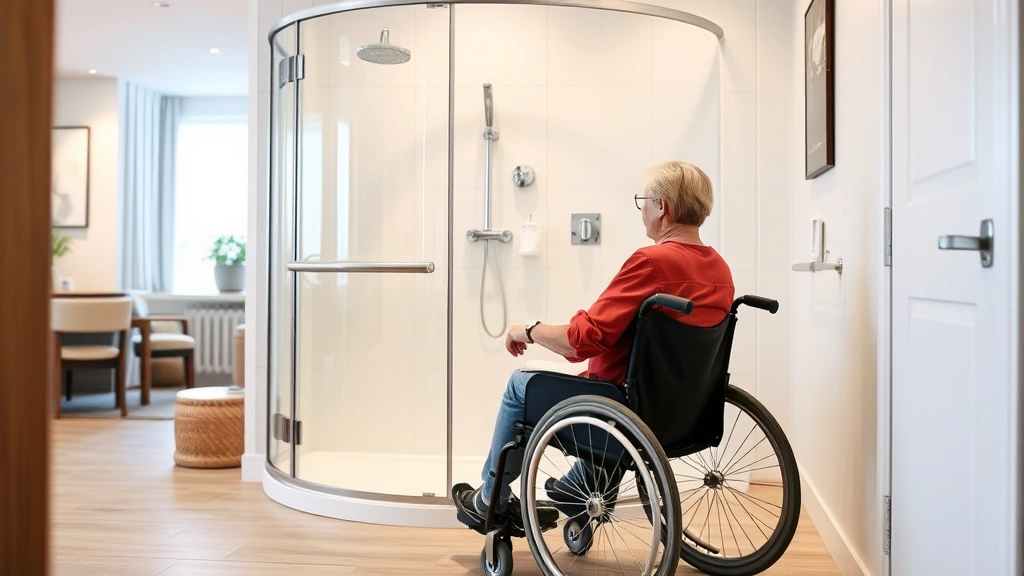
Get a Medical Letter for Housing Quickly – Expert Tips
Securing housing accommodations due to a medical condition requires proper documentation, and a medical letter is often the foundation of that process. Whether you need modifications to your apartment, accessibility features, or exemptions from standard lease terms, a well-crafted medical letter from a qualified healthcare provider can expedite approval and ensure your needs are met. Many people struggle with the timeline and requirements for obtaining these letters, but with the right approach, you can move through the process efficiently without sacrificing quality or legal standing.
A medical letter for housing accommodation serves as official verification that your condition necessitates specific environmental or structural changes. Landlords, property managers, and housing authorities rely on these letters to understand your functional limitations and approve reasonable accommodations under fair housing laws. The faster you obtain this documentation, the sooner you can move forward with your housing request and improve your living situation.
Understanding Medical Letters for Housing
A medical letter for housing accommodation is a formal document from a licensed healthcare provider that confirms you have a medical condition and explains how that condition affects your ability to live in standard housing. This letter establishes the nexus between your disability and your need for specific accommodations, whether that’s a ground-floor unit, accessible parking, allergen-free housing, or lease modifications.
Under the Fair Housing Act and the Americans with Disabilities Act (ADA), landlords must provide reasonable accommodations to tenants with disabilities. However, they are entitled to reliable, professional documentation. A medical letter carries legal weight because it comes from a qualified healthcare professional with direct knowledge of your condition. This documentation protects both you and your landlord by creating a clear record of why the accommodation is necessary.
The letter differs from general disability documentation in that it specifically addresses housing-related needs. It’s not a diagnosis alone—it’s a functional assessment that connects your medical condition to your housing requirements. This distinction is crucial for faster approval and smoother implementation of your accommodations.
Why Speed Matters in Housing Accommodation Requests
Timing is everything when you’re seeking housing accommodations. Delays in obtaining your medical letter can postpone your move, extend your time in unsuitable housing, or complicate your application to a new property. Landlords often have multiple applicants and may move forward with other candidates if documentation is slow to arrive. Additionally, if you’re dealing with an urgent health situation—such as needing ground-floor access due to mobility issues or allergen-free housing for severe allergies—every day counts.
A fast medical letter also demonstrates to landlords that you’re organized and serious about your accommodation request. It signals that you’ve taken the proper steps to document your needs through legitimate medical channels, which builds confidence in your request and reduces potential disputes down the line.
Speed doesn’t mean cutting corners. The letter must be thorough, legally compliant, and written by a qualified provider. The goal is to eliminate unnecessary delays while maintaining the professional standards that make the letter effective.
Steps to Obtain Your Medical Letter Quickly
Step 1: Identify Your Current Healthcare Provider
Your fastest route to a medical letter is through a healthcare provider who already knows you and your medical history. This might be your primary care physician, a specialist related to your condition, a psychiatrist, psychologist, or nurse practitioner. Existing patients can often request letters within days rather than weeks because the provider already has your medical records and understands your condition.
If you don’t have an established relationship with a healthcare provider, you’ll need to schedule an initial appointment. This adds time to the process, but it’s sometimes unavoidable. Telehealth appointments can often be scheduled within 24-48 hours, which is faster than traditional in-person visits.
Step 2: Prepare Your Documentation
Before contacting your healthcare provider, gather relevant medical records, test results, diagnoses, and treatment information. Having this ready speeds up the process because your provider won’t need to search for details. Create a brief summary of your housing accommodation needs so your provider understands exactly what the letter needs to address.
Step 3: Make a Clear, Written Request
Don’t rely on verbal requests alone. Send a written request via email or patient portal that specifies:
- That you need a medical letter for housing accommodation
- Your specific accommodation needs (ground floor, accessible parking, allergen-free unit, etc.)
- Your timeline (indicate urgency if applicable)
- Whether the letter should address functional limitations related to mobility, sensory, cognitive, or other conditions
- Your contact information and preferred delivery method
A clear written request ensures your provider understands the scope and urgency, which typically accelerates the turnaround time.
Step 4: Follow Up Appropriately
If your provider hasn’t responded within 3-5 business days, follow up with a polite reminder. Medical offices handle many requests, and a friendly follow-up often moves your request to the top of the queue. Offer to provide any additional information they might need.
Step 5: Review and Use Your Letter
Once you receive your letter, review it carefully to ensure it addresses your specific accommodation needs and includes the provider’s credentials, contact information, and signature. Keep both digital and printed copies.
Choosing the Right Healthcare Provider
Not all healthcare providers are equally equipped to write housing accommodation letters. The best choice is someone who:
- Is licensed and in good standing with their state medical board
- Has direct knowledge of your medical condition through ongoing treatment
- Can speak authoritatively about how your condition affects your daily functioning
- Understands fair housing requirements and disability documentation standards
- Is willing to provide timely documentation without unnecessary delays
Primary care physicians, specialists, psychiatrists, psychologists, nurse practitioners, and physician assistants can all write valid medical letters. The key is that they have professional knowledge of your condition and are willing to provide detailed, functional information rather than just a diagnosis.
If your current provider is reluctant or slow to provide documentation, don’t hesitate to seek a second opinion from another qualified provider. Some healthcare professionals specialize in disability documentation and understand the urgency of housing-related requests. These providers often have streamlined processes for delivering letters quickly.
For more information on choosing providers and understanding what qualifies as proper disability documentation, review our guide on how to get disability documentation.

” alt=”Healthcare provider discussing medical accommodation needs with patient in office setting”>
What Must Be Included in Your Letter
A legally sound medical letter for housing accommodation should include:
Provider Credentials
- Full name and title of the healthcare provider
- License number and state of licensure
- Medical specialty or field of practice
- Contact information (phone and email)
- Clinic or practice name and address
Your Information
- Your full name
- Date of birth
- Date range of treatment with this provider
Medical Information
- A clear statement of your diagnosis or medical condition
- Duration and severity of the condition
- Current treatment and management strategies
- Relevant medical history pertinent to your accommodation needs
Functional Limitations
- Specific ways your condition limits your ability to perform major life activities
- How these limitations affect your housing needs
- Examples of activities affected (e.g., “patient has significant mobility limitations that make stair climbing painful and unsafe”)
Accommodation Nexus
- A clear statement of the specific accommodation(s) needed
- Explanation of how each accommodation addresses your functional limitations
- Why the accommodation is necessary for you to enjoy equal access to housing
Professional Opinion
- A statement that, in the provider’s professional opinion, the accommodation is medically necessary
- Any relevant research, clinical guidelines, or standards supporting the accommodation
Signature and Date
- The provider’s original signature (or digital signature if applicable)
- Date the letter was written
The letter should be professional, specific, and functional—focused on how your condition affects your ability to live in standard housing rather than simply listing diagnoses.
Common Housing Accommodations and Documentation
Different housing accommodations require slightly different documentation emphasis. Understanding what your letter should highlight helps your provider write it more efficiently:
Ground Floor or Accessible Unit
Your letter should detail mobility limitations, pain with stairs, balance issues, or other conditions that make multi-floor living unsafe or impossible. Include information about fatigue, joint pain, or neurological conditions that affect your ability to navigate stairs safely.
Accessible Parking
Documentation should address limitations in walking distance, standing tolerance, or the physical demands of navigating parking lots. Conditions like heart disease, severe arthritis, chronic pain, or mobility impairments are commonly documented here.
Allergen-Free Housing
Your letter should describe severe allergic reactions, asthma triggers, or environmental sensitivities that require pet-free or smoke-free housing. Include information about the severity of reactions and medical necessity for environmental control.
Lease Modifications
If you need to break a lease early, your letter should explain the medical urgency (such as needing to move closer to medical treatment or relocating for health reasons). Include how remaining in your current housing would negatively impact your health.
Service Animal or Emotional Support Animal Accommodations
If you need housing accommodation for an animal, your letter must establish the disability-animal relationship. For more details on this specific type of documentation, see our article on emotional support animal letters.
Expediting the Process: Pro Tips
Use Telehealth When Possible
Telehealth appointments are often available within 24 hours and eliminate travel time. Many providers can write medical letters based on telehealth consultations if they have adequate information about your condition. This can cut your timeline in half.
Provide a Template or Outline
Some providers appreciate when patients provide a basic outline of what should be included. This isn’t asking them to write the letter for you—it’s simply guiding them on what information matters for your specific request. Many providers find this helpful and work faster when they have direction.
Offer to Provide Medical Records
If you’re seeing a new provider, offering to bring or have previous records transferred before your appointment saves time. Your new provider can review your history before the visit, making the appointment more productive and the letter-writing faster.
Ask About Turnaround Time Upfront
When you make your request, ask specifically how long the provider typically takes to complete medical letters. If they say two weeks but you need it in three days, you’ll know immediately whether this is the right provider or whether you should seek an alternative.
Consider Specialized Documentation Services
Some healthcare providers and services specialize in disability documentation and understand the urgency of housing-related requests. They often have faster turnaround times because documentation is a core part of their practice. These services work with qualified healthcare professionals to ensure letters are thorough and legally sound.
Submit Complete Information
The more complete your initial request, the fewer follow-up questions your provider will have. Include your current medications, relevant test results, dates of diagnosis, and any other medical information that might be relevant. This reduces back-and-forth communication and speeds up the process.
Request Digital Delivery
Ask for your letter via email or patient portal rather than waiting for mail. Digital delivery is instant and reduces the chance of letters getting lost in transit. You can then print or send copies as needed.
Understand Related Accommodations
If you’re also seeking workplace accommodations or other types of disability documentation, understanding how different accommodations relate can help. For example, see our guide on medical accommodation for remote work to understand how housing and workplace needs sometimes connect.
Legal Framework and Fair Housing Rights
Your right to request reasonable housing accommodations is protected under federal law. The Fair Housing Act prohibits discrimination based on disability and requires landlords to provide reasonable accommodations. The ADA also applies to housing in certain contexts. These laws specifically allow you to request accommodations and require landlords to engage in an interactive process.
A medical letter is your key documentation in this process. It demonstrates that your request is based on a genuine disability and medical necessity, not preference. This legal foundation makes your request stronger and gives your landlord clear guidance on their obligation to approve the accommodation.
For more information on fair housing rights and reasonable accommodations, visit the HUD Fair Housing Office or the ADA website.
What to Do If Your Request Is Denied
If your landlord denies your accommodation request despite your medical letter, you have legal recourse. Document everything, including the date you submitted your letter, the specific accommodation requested, and the landlord’s response. If the denial appears to be based on disability discrimination, you can file a complaint with HUD or consult a fair housing attorney.
Sometimes a denied request simply means your letter needs to be more detailed or specific. In these cases, work with your healthcare provider to strengthen the documentation. A follow-up letter that addresses the landlord’s concerns can often resolve the issue.
For related information on disability confirmation and documentation standards, review our article on disability confirmation letters, which outlines similar documentation principles.
FAQ
How long does it typically take to get a medical letter for housing?
If you’re an established patient with a healthcare provider, you can often receive a medical letter within 3-7 business days. If you need to schedule a new appointment first, add 1-2 weeks for scheduling. Expedited requests sometimes receive letters within 24-48 hours, depending on the provider.
Can a telehealth doctor write a housing accommodation letter?
Yes, a licensed telehealth provider can write a medical letter for housing accommodation if they have sufficient information about your medical condition. Telehealth is often faster than traditional appointments and can significantly speed up your timeline.
What if my doctor refuses to write a medical letter?
If your current provider won’t write the letter, you have the right to seek a second opinion from another qualified healthcare provider. Some providers specialize in disability documentation and understand the importance of timely letters. Don’t let one refusal delay your housing accommodation request.
Does my letter need to include a specific diagnosis?
No, your letter doesn’t need to disclose your specific diagnosis if you prefer privacy. However, it does need to describe your functional limitations and how they relate to your accommodation needs. The focus should be on function, not diagnosis.
Can I use an old medical letter, or does it need to be recent?
Most landlords prefer recent letters (within the past year), especially if your condition has changed or treatment has evolved. A current letter demonstrates that your accommodation needs are still valid and medically necessary.
What should I do if the letter contains errors?
Contact your healthcare provider immediately and ask for a corrected version. Errors can undermine the letter’s credibility, so it’s important to ensure accuracy. Most providers can issue corrections quickly.
Is a medical letter the same as a disability documentation letter?
They’re similar but serve different purposes. A housing accommodation letter specifically addresses housing needs, while general disability documentation may be used for multiple purposes. A housing letter is more specific and functional.
Can I submit my letter electronically to my landlord?
Yes, electronic submission is standard and often preferred. You can email it directly or upload it through your landlord’s portal. Keep a record of when you submitted it and to whom.
What if my landlord asks for more information after receiving my letter?
This is common and part of the interactive process. Work with your healthcare provider to provide additional information if needed. Your provider can issue a supplemental letter addressing the landlord’s specific questions.
How many copies of my letter should I keep?
Keep at least three copies—one for your records, one for your landlord, and one for any legal documentation. Also maintain a digital copy in a secure location.