How to Obtain a Housing Accommodation Letter: A Complete Guide
A housing accommodation letter is a critical document that bridges the gap between your medical condition and your housing needs. Whether you’re a student requiring accessible dormitory modifications or someone with a disability needing reasonable accommodations from your landlord, this letter serves as official documentation of your condition and the specific accommodations necessary for equal housing access.
Understanding how to obtain a housing accommodation letter—and what makes it legally valid—empowers you to advocate for your rights under the Fair Housing Act and other disability protection laws. This guide walks you through the entire process, from determining your eligibility to submitting your letter to housing authorities.
What Is a Housing Accommodation Letter?
A housing accommodation letter is a formal document written by a licensed healthcare provider that verifies you have a disability or medical condition and explains how that condition affects your ability to use and enjoy your housing. Unlike a simple doctor’s note, this letter is legally binding documentation that landlords, property managers, and university housing offices must consider under federal disability law.
The letter essentially tells housing providers: “This person has a documented medical or psychological condition that requires specific modifications or policy exceptions to ensure equal access to housing.” It’s the foundation of your housing accommodation letter from a licensed doctor, giving your request official credibility and legal weight.
Housing accommodation letters differ from emotional support animal letters in scope. While ESA letters focus specifically on the therapeutic benefit of an animal, housing accommodation letters address broader accessibility needs—everything from ground-floor accessibility to allergen-free units to modified lease terms.
Who Can Request a Housing Accommodation Letter
You can request a housing accommodation letter if you have a disability—whether physical, sensory, cognitive, or psychiatric—that substantially limits one or more major life activities. This includes:
- Students attending colleges or universities who need dormitory modifications or policy exceptions
- Renters in private apartments or homes requiring landlord-approved accommodations
- Homeowners seeking documentation for HOA (homeowners association) accommodation requests
- Individuals receiving housing assistance from government programs or nonprofits
- People transitioning housing due to worsening medical conditions
You do not need to have a formal disability diagnosis to qualify. Some individuals with temporary medical conditions—such as severe pregnancy complications, post-surgical recovery, or acute injury—may also obtain housing accommodation letters for the duration of their medical need.
Medical Conditions That Qualify
Nearly any medical or psychological condition can support a housing accommodation request if it substantially affects your daily functioning. Common qualifying conditions include:
- Mobility disabilities: Spinal cord injury, cerebral palsy, arthritis, multiple sclerosis, Parkinson’s disease
- Sensory disabilities: Blindness, low vision, deafness, hearing loss
- Chronic pain conditions: Fibromyalgia, chronic fatigue syndrome, complex regional pain syndrome
- Mental health conditions: PTSD, severe anxiety, depression, bipolar disorder, schizophrenia
- Neurological conditions: Traumatic brain injury, epilepsy, migraine disorders
- Respiratory conditions: Severe asthma, COPD, cystic fibrosis
- Immune/allergic conditions: Severe allergies, immunodeficiency, environmental sensitivities
- Developmental disabilities: Autism spectrum disorder, intellectual disabilities
- Autoimmune conditions: Lupus, rheumatoid arthritis, Crohn’s disease
The key is demonstrating that your condition creates a functional limitation that housing accommodations can meaningfully address. For example, someone with severe asthma triggered by mold might request a ground-floor, moisture-controlled unit. Someone with PTSD might request a modified lease allowing early termination for medical hardship.

Step-by-Step Process to Obtain Your Letter
Step 1: Assess Your Housing Needs
Before approaching a healthcare provider, clearly identify what specific accommodation you need. Do you need a ground-floor unit to avoid stairs due to mobility limitations? Do you need a pet-friendly policy exception for an service animal verification letter? Do you need to break your lease due to medical hardship? Write down the connection between your condition and your accommodation request.
Step 2: Gather Your Medical Documentation
Compile records showing your diagnosis, treatment history, and current functional limitations. This includes:
- Medical records from your treating physician
- Psychiatric or psychological evaluation reports
- Medication lists with dates prescribed
- Specialist reports (if applicable)
- Hospitalization or emergency visit records
- Functional limitation assessments
Step 3: Schedule an Appointment with Your Healthcare Provider
Contact your primary care doctor, psychiatrist, therapist, or specialist. Explain that you need a housing accommodation letter. If your current provider cannot write one, ask for a referral or consider seeking a second opinion from a provider experienced in accommodation letters. Many providers can complete this within 1-2 weeks.
Step 4: Provide Specific Information About Your Request
Give your provider clear details: your housing situation (student housing, private rental, etc.), the specific accommodation you need, and your timeline. The more specific you are, the more targeted and compelling your letter will be.
Step 5: Review and Request Revisions if Needed
Once you receive your letter, review it carefully. It should clearly state your diagnosis (or general condition), functional limitations, and the specific accommodation(s) you need. If anything is unclear or missing, ask your provider to revise it.
Choosing the Right Healthcare Provider
Your housing accommodation letter must come from a licensed healthcare provider with direct knowledge of your condition. Acceptable providers include:
- Medical doctors (MDs) and doctors of osteopathy (DOs)
- Licensed psychiatrists
- Licensed clinical psychologists
- Licensed mental health counselors (LMHCs)
- Licensed professional counselors (LPCs)
- Nurse practitioners (NPs) and physician assistants (PAs) in some jurisdictions
- Occupational or physical therapists (in limited cases)
Your provider should have treated you for at least several months and have current, documented knowledge of your condition. Housing authorities may request proof of this provider-patient relationship, so maintain copies of appointment records and medical documentation.
If you don’t currently have a healthcare provider, you can work with a telehealth platform or request a disability verification letter for housing through organizations that specialize in accommodation documentation.
What Your Letter Must Include
A legally valid housing accommodation letter must contain these essential elements:
- Provider Letterhead: Official clinic or practice letterhead with provider name, license number, contact information, and credentials
- Date: Current date (letters older than 1-2 years may be questioned)
- Statement of Professional Relationship: “I have been treating [your name] since [date] for [general condition description]”
- Functional Limitations: Clear explanation of how your condition limits major life activities (mobility, self-care, communication, etc.)
- Specific Accommodation Request: Explicitly state what accommodation you need (e.g., “ground-floor accessible unit,” “pet-friendly housing for service animal,” “lease termination flexibility”)
- Nexus Statement: Explain how the accommodation directly addresses your functional limitation (“Ground-floor access is necessary because stairs exacerbate mobility limitations and increase fall risk”)
- Professional Opinion: Statement that the accommodation is medically necessary
- Provider Signature and Date: Original signature (not electronic for most housing authorities)
- License Information: Provider’s license number and state of licensure
Your letter should avoid unnecessary medical jargon while remaining professional. It should be concise (typically 1-2 pages) and focused solely on housing-related needs.

Common Housing Accommodations Explained
Ground-Floor or First-Floor Unit
Requested by individuals with mobility limitations, severe pain conditions, or cardiopulmonary disabilities who cannot safely navigate stairs.
Accessible Parking
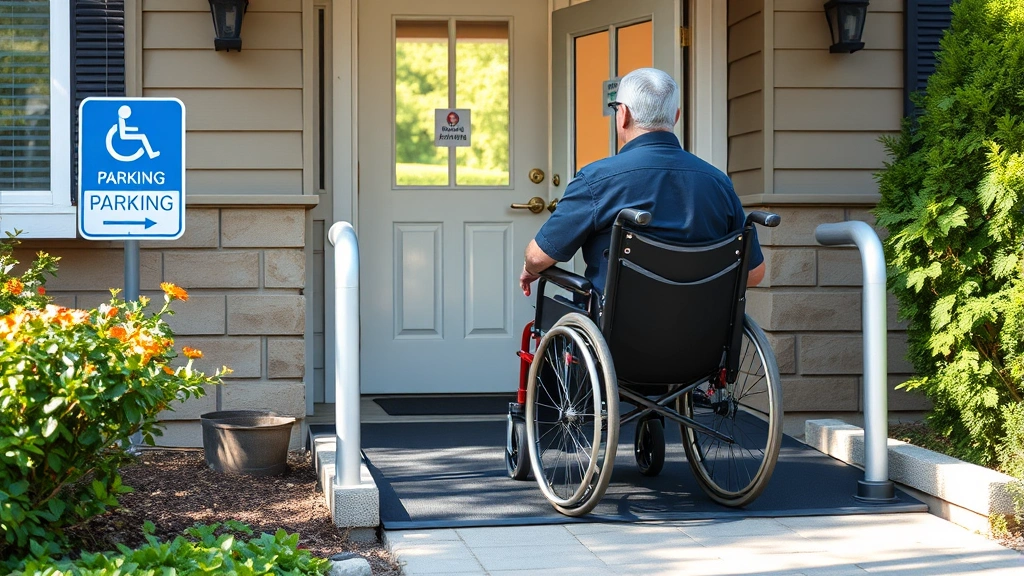
Designated accessible parking space close to building entrance, often required for those using mobility devices or experiencing fatigue-related conditions.
Unit Modification
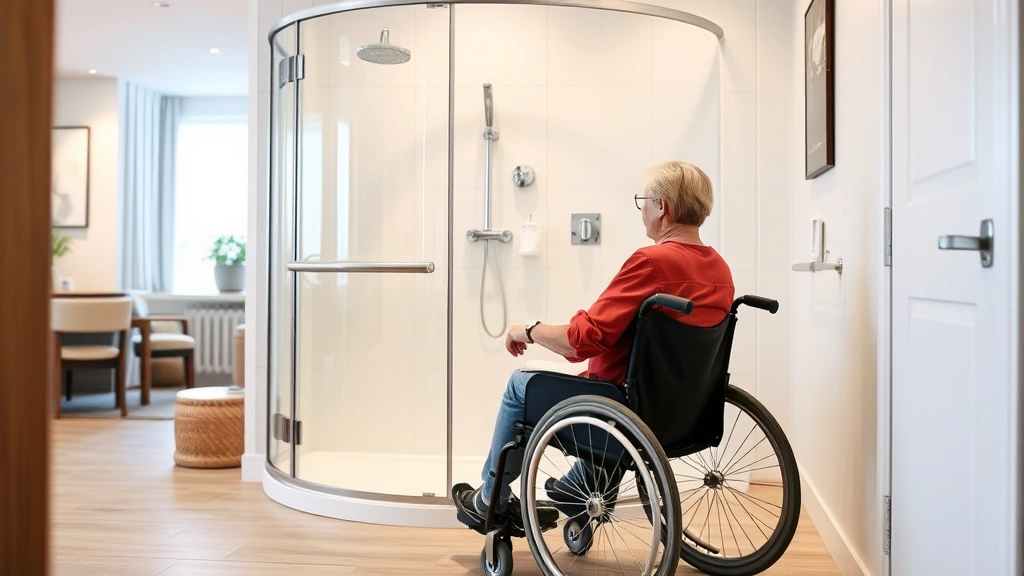
Landlord-approved modifications such as grab bars, ramp installation, widened doorways, or bathroom modifications for wheelchair users or those with balance disorders.
Pet-Friendly Policy Exception
Waiver of no-pet policies to accommodate service animals or registered doctor-signed emotional support animal letters.
Allergen-Free or Low-Allergen Housing
Request for specific unit location (away from smokers, in low-mold areas) or environmental controls for those with severe allergies or environmental sensitivities.
Lease Modification or Early Termination
Flexibility in lease terms due to medical hardship, such as medical leave, hospitalization, or deteriorating health requiring relocation.
Reduced Noise Environment
Request for quieter unit placement for those with sensory sensitivities, PTSD, or conditions worsened by noise.
Climate-Controlled Unit
Request for specific temperature/humidity control for those with respiratory conditions, autoimmune disorders, or severe temperature sensitivity.
Submitting Your Letter to Landlords or Universities
For Private Rental Housing:
Submit your letter to your landlord or property management company in writing (email with read receipt or certified mail). Include a cover letter explaining your accommodation request. Keep copies for your records. Under the Fair Housing Act, landlords must engage in an interactive process and cannot automatically deny reasonable accommodation requests.
For University or College Housing:
Submit your letter to your university’s Disability Services Office or Student Accessibility Services. Most universities have specific submission deadlines (often before semester registration). Your letter may be reviewed by housing staff and disability coordinators. You may be asked to participate in an interactive process to determine reasonable accommodations.
For Government-Assisted Housing:
Contact your housing authority’s reasonable accommodation coordinator. Submit your letter along with a formal accommodation request form (most authorities provide these). Timeline for approval varies but typically takes 2-4 weeks.
Timeline Expectations:
- Private landlords: 5-10 business days for response
- Universities: 2-4 weeks (varies by institution)
- Government housing: 2-4 weeks
- Appeals or disputes: 30-90 days depending on jurisdiction
Document all communications. If your request is denied, ask for the reason in writing. You may have legal recourse if the denial appears discriminatory.
Legal Protections and Your Rights
Your right to request housing accommodations is protected by federal law:
Fair Housing Act (FHA): Prohibits housing discrimination based on disability. Landlords must provide reasonable accommodations in policies, practices, and procedures. This applies to private rentals, condos, and most housing except owner-occupied buildings with 4 or fewer units.
Section 504 of the Rehabilitation Act: Protects individuals with disabilities in any program receiving federal funding, including public housing and universities.
Americans with Disabilities Act (ADA): Ensures equal access in public accommodations. For housing, this primarily applies to common areas and services, though universities must comply with ADA accessibility standards.
For more information on your legal rights, visit the HUD Fair Housing website or contact the EEOC (Equal Employment Opportunity Commission).
What Landlords Cannot Do:
- Deny your accommodation request solely based on disability
- Charge additional fees for reasonable accommodations
- Require you to disclose your diagnosis (they can ask about functional limitations)
- Retaliate against you for requesting accommodations
- Ask you to prove disability with medical records (your letter is sufficient)
What You Should Do:
- Submit your letter promptly and in writing
- Keep copies of all communications
- Document any denial or delay in response
- Request written explanation if denied
- Consider legal consultation if facing discrimination
If you believe your accommodation request has been unlawfully denied, you can file a complaint with HUD (Department of Housing and Urban Development) or your state’s fair housing agency. Many disability rights organizations offer free consultation.
FAQ
How long does a housing accommodation letter remain valid?
Most housing authorities accept letters dated within the past 1-2 years. If your condition is stable and long-term, one letter may serve multiple housing situations. However, if your condition changes or worsens, request an updated letter from your provider.
Can I use the same letter for multiple housing situations?
Yes, if the accommodation need is the same. However, some housing authorities prefer letters addressed specifically to them. Ask your provider if they can provide multiple copies or a generic letter you can submit to different landlords or universities.
What if my healthcare provider refuses to write a housing accommodation letter?
You have options: request a referral to another provider at the same clinic, seek a second opinion from a specialist, or work with a telehealth platform or accommodation letter service. Your provider cannot ethically refuse if you have a documented condition and legitimate accommodation need.
Do I have to disclose my specific diagnosis to my landlord?
No. Your letter can reference “a disability” or “a medical condition” without stating the specific diagnosis. However, your provider’s letter should clearly explain functional limitations so the landlord understands why the accommodation is necessary.
What if my landlord asks for additional medical information?
You can decline. Your housing accommodation letter is sufficient documentation. Landlords cannot demand medical records, test results, or detailed diagnoses. If they persist, this may constitute discrimination under the Fair Housing Act.
How much does a housing accommodation letter cost?
Costs vary widely. If your provider has treated you, they may write the letter at no cost or charge a small administrative fee ($25-$75). If you need to seek a new provider, costs typically range from $150-$500 depending on location and provider type. Some nonprofits and disability services organizations offer free or low-cost letters.
Can I request a housing accommodation without a letter?
Technically, you can submit a verbal or written request, but housing authorities will almost certainly require medical documentation. A formal letter from a healthcare provider dramatically strengthens your request and is considered best practice under fair housing law.
What happens if my accommodation request is denied?
Request a written explanation. If the denial appears discriminatory or unjustified, you can appeal within the housing authority’s process or file a fair housing complaint with HUD. Many disability rights organizations provide free legal consultation for housing discrimination cases.
Is a housing accommodation letter the same as an ESA letter?
No. A housing accommodation letter addresses general disability-related needs. An emotional support animal letter specifically verifies that an animal provides therapeutic benefit. You may need both if you have an ESA and additional housing accessibility needs.
How do I prepare for my appointment to request a housing accommodation letter?
Write down your specific accommodation request, how your condition affects your daily functioning, and why the accommodation is necessary. Bring relevant medical records. Be honest about your symptoms and limitations. The more detailed you are, the better letter your provider can write.