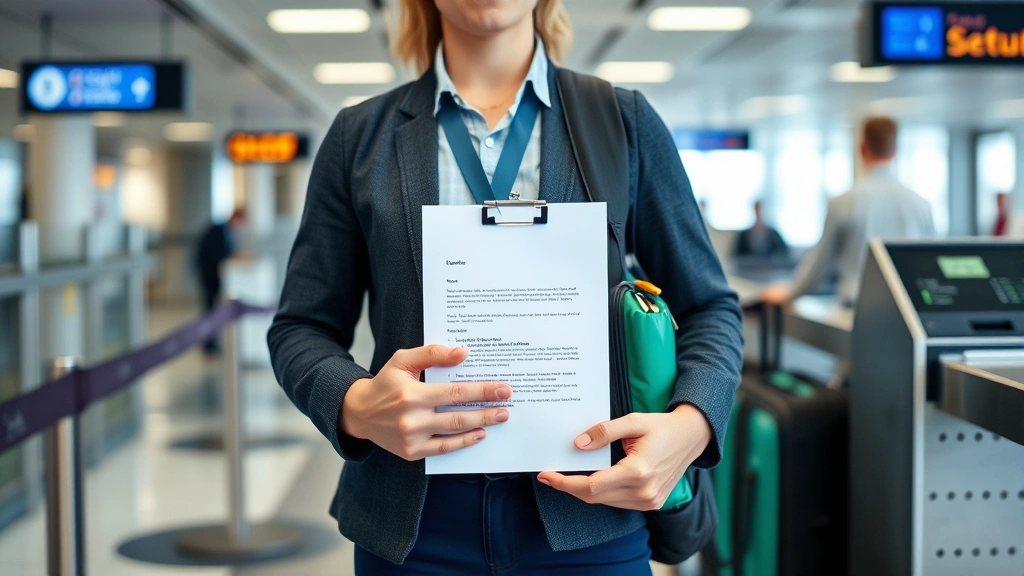
Doctor’s Travel Letter: Medical Gear Essentials
Traveling with medical equipment can be challenging, especially when navigating airport security, airline policies, and unfamiliar healthcare systems. A doctor’s travel letter—also called a medical equipment travel certificate or physician’s travel authorization—is a critical document that verifies your medical necessity for carrying specialized equipment and medications across state lines and international borders. This letter serves as official documentation from your healthcare provider, explaining your condition, required equipment, and any special handling needs.
Whether you’re traveling with oxygen concentrators, CPAP machines, insulin pumps, mobility aids, or other life-sustaining devices, having a comprehensive travel letter from your physician can prevent delays, confiscation, or unnecessary questioning at security checkpoints. This guide walks you through everything you need to know about obtaining and using a medical equipment travel letter effectively.
What Is a Medical Equipment Travel Letter?
A medical equipment travel letter is an official document from your licensed physician that certifies your medical condition and explains why you require specific equipment for travel. Unlike a general doctor’s note, a travel letter is specifically formatted and detailed to meet TSA, airline, and international customs requirements. It serves as proof that your equipment is medically necessary, not a prohibited item, and that you have the proper authorization to carry it through security and onto aircraft.
The letter typically includes your physician’s letterhead, their professional credentials, your diagnosis, a detailed list of required equipment, and specific instructions about handling or storage. Some travel letters also include emergency contact information for your healthcare provider, which can be invaluable if customs or security officials have questions during your journey.
This document is distinct from other medical accommodations. While an ESA letter for housing addresses residential needs or a service animal travel documentation covers assistance animals, a medical equipment travel letter focuses exclusively on the devices and medications you need to maintain your health while away from home.
Why Your Doctor’s Letter Matters for TSA and Airlines
The Transportation Security Administration (TSA) allows passengers to carry medical equipment and medications in carry-on and checked baggage, but they require documentation proving medical necessity. According to TSA guidelines, passengers with disabilities or medical conditions should arrive early and inform security officers about their equipment before screening begins.
A doctor-signed travel letter accomplishes several critical objectives:
- Prevents Equipment Confiscation: Security officers may not recognize specialized medical devices. A letter from your physician immediately clarifies that your CPAP, oxygen concentrator, or insulin pump is essential medical equipment, not a security risk.
- Expedites Security Screening: TSA officers can process your equipment more quickly when they have official medical documentation. This reduces stress and prevents you from missing your flight.
- Supports Airline Accommodations: Airlines use travel letters to determine whether your equipment requires special handling, advance notice, or seating arrangements. Some airlines need 24-48 hours notice for certain medical equipment.
- Protects Your Rights: If a security officer or airline employee questions your equipment, your doctor’s letter provides legal backing for your right to carry it.
- Facilitates International Travel: Many countries require medical documentation before allowing medical devices or medications across borders. A travel letter from your U.S. physician helps satisfy these requirements.
Airlines operating under Federal Aviation Administration (FAA) regulations recognize doctor’s letters as legitimate medical documentation. Having this letter can mean the difference between smooth travel and significant delays.
Essential Medical Gear Covered by Travel Letters
Travel letters can cover virtually any medically necessary equipment. Common devices include:
- Respiratory Equipment: Oxygen concentrators, portable oxygen tanks, CPAP/BiPAP machines, nebulizers, and inhalers
- Diabetes Management: Insulin pumps, continuous glucose monitors, lancets, test strips, and insulin vials
- Mobility Aids: Wheelchairs, walkers, canes, crutches, and orthotic braces
- Pain Management: TENS units, heating pads, and other therapeutic devices
- Cardiac Equipment: Portable defibrillators, pacemakers, and heart monitors
- Neurological Devices: EpiPens, seizure alert devices, and medication injectors
- Dialysis and Renal Equipment: Portable dialysis supplies and related medications
- Feeding and Nutritional Support: Feeding pumps, G-tube supplies, and specialized formulas
Your travel letter should itemize every piece of equipment you plan to carry. Being specific helps security personnel understand exactly what you’re traveling with and why it’s necessary.

How to Request a Travel Letter from Your Physician
Requesting a travel letter for medical equipment is straightforward, but timing matters. Follow these steps:
- Contact Your Doctor Early: Call your physician’s office at least 2-3 weeks before your planned travel. This gives your doctor time to prepare the letter without rushing.
- Provide Specific Information: Tell your doctor your travel dates, destinations, and specific equipment you’ll be carrying. If traveling internationally, mention the countries you’ll visit.
- Request the Proper Format: Ask for a letter on official letterhead that includes your doctor’s signature, credentials, and contact information. Some physicians may have a template.
- Ask About Multiple Copies: Request several printed copies (typically 3-5). Keep originals separate from copies, and store copies in your carry-on and checked luggage.
- Clarify Medication Details: If carrying prescription medications, ask your doctor to include generic and brand names, dosages, and the reason for each medication.
- Discuss Special Requirements: Ask whether your equipment needs special handling, temperature control, or specific storage instructions that should be noted in the letter.
Some physicians charge a small fee for travel letters ($15-50), while others provide them at no cost. Ask about this when you call to request the letter.
What Should Be Included in Your Letter
A comprehensive medical equipment travel letter should contain these essential elements:
- Physician’s Letterhead: Official clinic or hospital letterhead with the doctor’s name, credentials, address, and phone number
- Patient Information: Your full name, date of birth, and patient ID number (if applicable)
- Date of Letter: The date the letter was written. Most travel letters are valid for 6-12 months.
- Medical Diagnosis: Clear statement of your medical condition(s) requiring the equipment
- Equipment List: Detailed inventory of all medical devices and medications you’ll carry, including brand names and models
- Medical Necessity Statement: Explicit language explaining why this equipment is essential for your health and safety during travel
- Special Instructions: Any handling requirements, storage temperatures, or usage guidelines (e.g., “oxygen concentrator requires electrical outlet” or “insulin must be kept between 36-46°F”)
- Emergency Contact: Physician’s direct phone number or after-hours contact for verification
- Physician Signature: Original handwritten signature, not a stamp or electronic signature (though some TSA officers accept electronic signatures)
- Physician’s License Number: State medical license number, which adds credibility
The letter should be professional but accessible—avoid overly technical medical jargon that security personnel might not understand. The goal is clear communication about your medical needs.
Travel Letter Best Practices and Tips
Organization and Accessibility
Keep your travel letter easily accessible throughout your journey. Store one copy in your carry-on bag, one in your checked luggage, and one in your wallet or phone (as a photo). TSA agents may ask to see it at security, and airline staff might request it at the gate or during boarding.
Communication with Airlines
Contact your airline 24-48 hours before your flight to inform them about your medical equipment. Many airlines require advance notice for oxygen, dialysis supplies, or other specialized equipment. Your travel letter will support this conversation and document your needs for the airline’s records.
International Travel Documentation
When traveling internationally, consider getting a disability documentation package that includes your travel letter in multiple languages. Some countries have specific requirements for medical equipment importation. Your doctor’s letter serves as the foundation for these additional documents.
Digital Copies
Scan your travel letter and store digital copies on your phone, email, and cloud storage. If your physical copies are lost or damaged, you can quickly access and print new ones.
Regular Updates
If your medical condition changes, your equipment changes, or your medications change, request an updated travel letter. Using outdated documentation can create complications at security or customs.
TSA PreCheck and NEXUS Programs
Consider enrolling in TSA PreCheck or NEXUS if you travel frequently with medical equipment. These programs expedite security screening for eligible travelers, which can be especially valuable when carrying medical devices.
International Travel Considerations
Traveling internationally with medical equipment requires additional planning beyond a standard travel letter. Different countries have varying regulations for medical devices and medications.
Customs and Import Regulations
Many countries require documentation proving that medical equipment and medications are for personal use only. Your doctor’s letter helps establish this. However, some countries may require additional permits or certifications for specific equipment like oxygen concentrators or controlled substances.
Prescription Medication Rules
Controlled medications (such as certain pain relievers or anxiety medications) face strict international regulations. Your travel letter should include the medication’s generic and brand names, dosage, and prescription information. Some countries require a separate letter from your doctor specifically authorizing the transport of controlled substances.
Voltage and Electrical Standards
If your equipment requires electricity (CPAP, oxygen concentrator, feeding pump), your travel letter should specify voltage requirements. Many countries operate on different electrical standards (220V versus 110V). Your doctor’s letter can note whether your device is dual-voltage or requires a converter.
Airline-Specific International Policies
International airlines operating under IATA (International Air Transport Association) guidelines have specific rules for medical equipment. Some airlines prohibit certain devices in checked baggage or require them to be powered off during flight. Your doctor’s letter supports conversations with the airline about these requirements.
Embassy and Consulate Support
If you encounter customs issues abroad, contact your country’s embassy or consulate. Having comprehensive documentation from your physician—including a travel letter—strengthens your case for equipment clearance.
For comprehensive guidance on international travel documentation, review CDC travel health recommendations and consult your airline’s specific policies for your destination country.
FAQ
How long is a medical equipment travel letter valid?
Most travel letters are valid for 6-12 months from the date issued. Check with your physician about the validity period. If your letter expires during your travel period, request a new one before departure.
Can I use a travel letter for multiple trips?
Yes, a single travel letter can be used for multiple trips within its validity period. This is why requesting several printed copies is helpful—you can use the same letter for multiple journeys.
What if my doctor refuses to write a travel letter?
Most physicians recognize the importance of travel letters for patient safety and will provide one. If your doctor refuses, consider requesting a second opinion from another physician familiar with your condition, or explore telehealth options through legitimate medical documentation services.
Do I need a travel letter for all medical equipment?
While not technically required for items like canes or walkers, having documentation for any specialized equipment is beneficial. Equipment like oxygen, CPAP machines, insulin pumps, and mobility devices should always have accompanying travel letters.
What should I do if TSA confiscates my equipment?
If TSA confiscates medical equipment despite your travel letter, immediately ask to speak with a supervisor and provide your documentation. Contact the TSA’s disability rights office or file a complaint through TSA’s official channels. Document the incident with dates, names, and details.
Can I travel with injectable medications without a travel letter?
While TSA allows injectable medications (including insulin and EpiPens), having a travel letter provides protection and clarity. It’s especially important for international travel, where customs may question medications.
Should my travel letter be notarized?
Notarization is not required by TSA or most airlines, but it can add credibility for international travel. Ask your physician if notarization is available—some medical offices offer this service.
What’s the difference between a travel letter and workplace accommodation letter?
A travel letter focuses on transporting medical equipment safely. A workplace accommodation letter addresses job-related needs like flexible schedules or ergonomic modifications. They serve different purposes and contain different information.