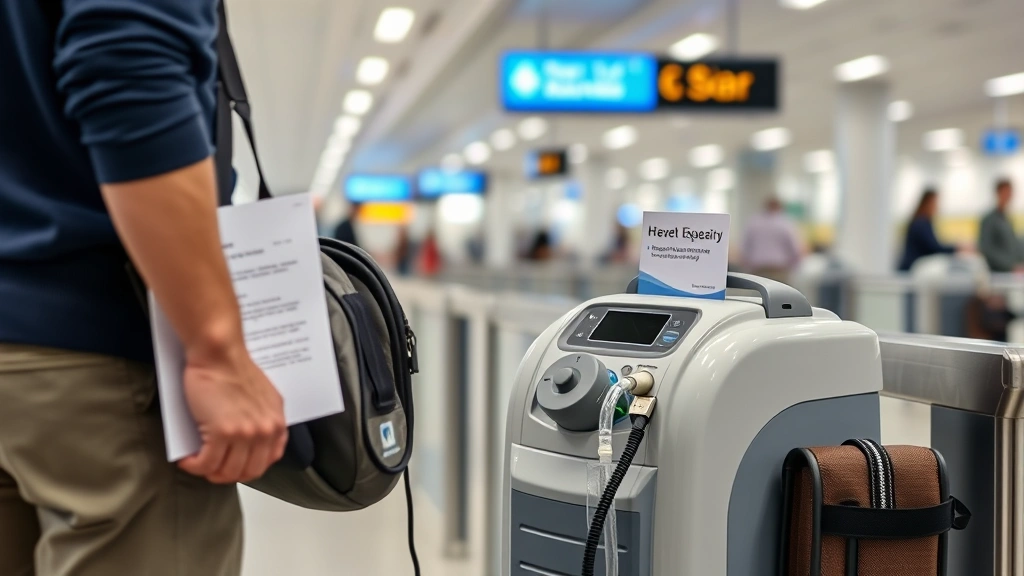
Traveling with Medical Equipment? Your Complete Online Letter Guide
Traveling with medical equipment can feel overwhelming, especially when navigating airline policies, TSA regulations, and international requirements. Whether you’re carrying oxygen concentrators, CPAP machines, insulin pumps, dialysis supplies, or mobility devices, proper documentation is essential to ensure smooth travel without delays or complications. A medical equipment travel letter—obtained online through licensed healthcare providers—serves as official verification of your medical necessity and can expedite security screening, prevent equipment confiscation, and clarify your rights at checkpoints.
This comprehensive guide walks you through obtaining a medical equipment travel letter online, understanding what airlines and TSA require, and traveling confidently with the equipment you depend on daily. We’ll cover the documentation process, what to expect at security, international considerations, and how to advocate for yourself when traveling with essential medical devices.
What Is a Medical Equipment Travel Letter?
A medical equipment travel letter is an official document from a licensed healthcare provider that certifies you require specific medical equipment for your health and safety. The letter serves multiple purposes: it explains your medical condition in clinical terms, documents the equipment you’re carrying, confirms the medical necessity of the device, and provides contact information for verification. This letter acts as proof to TSA agents, airline personnel, and international customs officials that your equipment is medically essential—not a prohibited item or safety risk.
The letter typically includes your full name and date of birth, a brief description of your diagnosed medical condition, the specific equipment you need, why the equipment is medically necessary, the healthcare provider’s license number and credentials, their contact information, and an official signature or digital verification. When obtained through a legitimate online platform like disability verification letters online, these documents carry legal weight and are recognized by federal agencies.
Unlike general disability documentation, medical equipment travel letters are travel-specific and address the particular concerns of transportation security and airline operations. They’re distinct from ESA letters for housing or workplace accommodations, though similar verification principles apply across all accommodation letters.
Why You Need a Medical Equipment Travel Letter
Traveling with medical equipment without proper documentation creates unnecessary friction and risk. TSA agents at security checkpoints may question why you’re carrying devices that resemble electronics or contain liquids (like oxygen, medications, or saline solutions). Without official verification, agents have discretion to delay your travel, confiscate equipment, or deny boarding—even if the equipment is completely legal.
A certified travel letter eliminates ambiguity. It gives security personnel clear, professional confirmation that your device is medically necessary and approved for air travel. Many travelers report that presenting a medical equipment letter results in expedited screening, TSA PreCheck-like benefits for medical equipment, and reduced stress at checkpoints. Airlines use these letters to ensure proper cabin accommodations, confirm equipment specifications, and document their liability protections.
International travel makes documentation even more critical. Different countries have varying regulations about medical equipment, medications, and devices entering their borders. A comprehensive medical equipment travel letter serves as your primary documentation for customs officials, airport security in foreign countries, and medical professionals if you need care while traveling.
The letter also protects you legally. If your equipment is questioned or delayed, the healthcare provider’s official documentation demonstrates good faith compliance with regulations. This documentation can be valuable if you need to file complaints with airlines, TSA, or international authorities about unfair treatment.
How to Get Your Medical Equipment Travel Letter Online
Obtaining a medical equipment travel letter online is straightforward and accessible. Here’s the typical process:
- Choose a Legitimate Platform: Select a licensed telemedicine provider or accommodation letter service with verified healthcare professionals. Ensure the platform employs licensed physicians, nurse practitioners, or physician assistants in your state. Legitimate services clearly display provider credentials and licensing information.
- Complete Your Medical History: You’ll answer detailed questions about your medical condition, current medications, equipment specifications, and travel plans. Be thorough and honest—providers use this information to craft a letter that accurately reflects your needs. Include details like equipment model numbers, power requirements, and specific medical justifications.
- Connect with a Healthcare Provider: Most platforms offer synchronous video consultations or asynchronous reviews by licensed providers. During consultation, the provider asks clarifying questions about your condition, confirms equipment necessity, and ensures your request is legitimate. This step is crucial—it protects both you and the provider legally.
- Receive Your Official Letter: Once approved, you’ll receive a digitally signed or officially formatted letter on medical letterhead. The letter includes all required information: your identifying details, medical diagnosis, equipment specifications, medical necessity statement, provider credentials, and signature. Some platforms provide both PDF and printed versions.
- Verify Provider Credentials: Before finalizing your order, verify the provider’s medical license through your state medical board website. Legitimate services encourage this verification and provide license numbers upfront.
The entire process typically takes 24-72 hours from initial consultation to receiving your letter. This timeline works well for planned travel but may be tight for last-minute trips. Start the process at least 2-3 weeks before your travel date to ensure you have official documentation before your flight.
When selecting an online service, ensure they offer doctor-signed accommodation letters with proper credentials. Avoid services that promise letters without provider consultation or that don’t require medical information—these are illegitimate and their letters won’t withstand scrutiny from TSA or airline personnel.
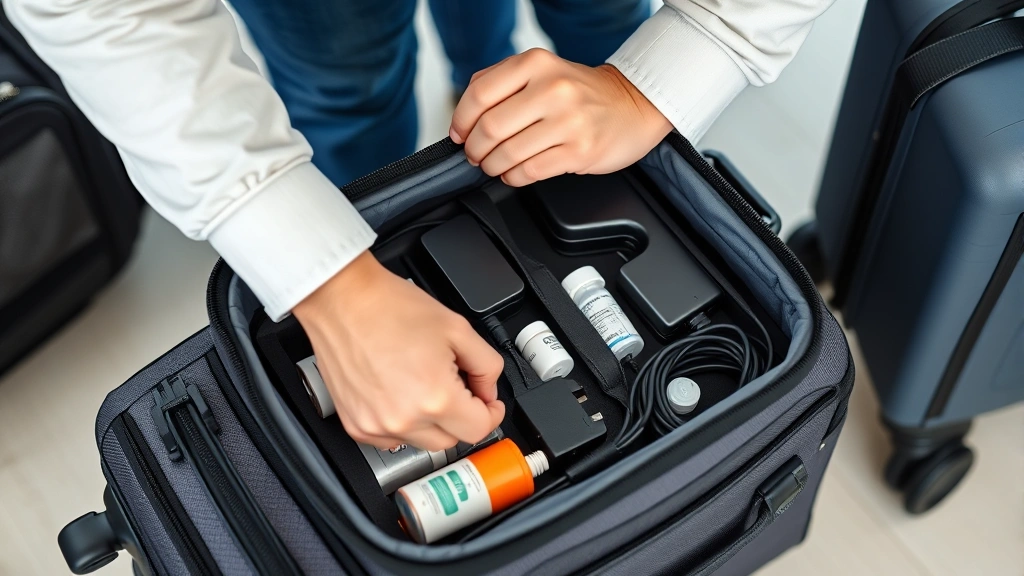
TSA Requirements for Medical Equipment
The TSA (Transportation Security Administration) has specific allowances for medical equipment in both carry-on and checked baggage. Understanding these rules prevents delays and confiscation at security checkpoints.
Oxygen and Respiratory Equipment: Portable oxygen concentrators (POCs) are allowed in carry-on baggage if TSA-approved. Oxygen cylinders and liquid oxygen are prohibited on all aircraft. CPAP machines, nebulizers, and inhalers are permitted. A medical equipment travel letter clarifies which devices you’re carrying and prevents agents from questioning whether your equipment is approved.
Medications and Liquids: Medications in reasonable quantities are allowed in carry-on bags without size restrictions, unlike standard liquid rules. However, you must declare them and may be asked to open containers for inspection. Insulin pumps, EpiPens, and injectables are permitted. A travel letter explains the medical necessity if TSA agents question why you’re carrying multiple medication containers.
Mobility Devices: Wheelchairs, walkers, canes, crutches, and prosthetics are allowed in carry-on and checked baggage. Powered wheelchairs and scooters require additional documentation about battery type and specifications. A medical equipment travel letter expedites this process.
Dialysis and Infusion Equipment: Portable dialysis machines and infusion pumps are permitted with proper documentation. These specialized devices often raise questions, making a travel letter invaluable.
TSA PreCheck for Medical Equipment: While you cannot get standard TSA PreCheck without specific eligibility, presenting a medical equipment letter at security often results in expedited screening similar to PreCheck benefits. Agents may allow you to keep medical devices in place during screening and may use alternative screening methods that don’t compromise your equipment.
Before your flight, visit TSA.gov’s “What Can I Bring?” tool and search for your specific equipment. Print or screenshot the results and carry them with your medical equipment travel letter. This provides backup documentation if agents are unfamiliar with your particular device.
Understanding Airline Policies
While TSA governs airport security, individual airlines set their own policies for medical equipment onboard. These policies vary significantly, making advance communication essential.
Advance Notification: Contact your airline at least 48 hours before departure to inform them about your medical equipment. Airlines may require advance notice for oxygen concentrators, powered mobility devices, and other specialized equipment. Provide your equipment specifications and ask about their specific policies. Document this communication in writing via email.
Equipment Storage: Ask about power availability for equipment requiring charging. Some airlines provide power outlets in premium cabin areas; others don’t allow equipment operation during flight. Understand these limitations when planning your trip.
Cabin Accommodations: Airlines may offer bulk-head seating (extra legroom) for passengers with mobility equipment or need to use medical devices during flight. Request these accommodations during advance notification.
Equipment Specifications: Airlines need to know equipment weight, size, and power requirements. Your medical equipment travel letter includes these specifications, simplifying airline communication. Provide specific model numbers and dimensions to prevent last-minute surprises at the gate.
Backup Equipment: Airlines recommend carrying backup batteries, chargers, or spare equipment in carry-on baggage. If checked baggage is delayed or lost, you’ll still have access to your medical equipment. A travel letter explains why you’re carrying multiple pieces of similar equipment.
Major airlines including United, American, Delta, and Southwest have published medical equipment policies on their websites. Review your specific airline’s policy and cross-reference it with your equipment. If conflicts exist, contact the airline’s disability services department and reference your medical equipment travel letter.
International Travel Considerations
International travel with medical equipment requires additional documentation and research. Different countries have varying regulations, and your medical equipment travel letter becomes even more critical.
Medical Equipment Travel Letter for Customs: Your letter serves as customs documentation explaining why you’re importing medical devices. Some countries require additional customs forms or import permits for specialized equipment. Contact the destination country’s embassy or consulate to confirm requirements for your specific equipment.
Medication Documentation: If traveling internationally with medications, carry a copy of your prescription and a letter from your healthcare provider explaining the medication, dosage, and necessity. Some countries restrict certain medications; research destination countries’ pharmaceutical regulations before traveling. Your medical equipment travel letter provider can often add medication specifications.
Voltage and Power Considerations: Different countries use different electrical standards (110V vs. 220V, different outlet types). If your equipment requires charging, research destination country power specifications and purchase appropriate adapters or converters before traveling. A medical equipment letter doesn’t address this technical issue, but it explains why you need continuous access to power.
Language and Translation: Consider having your medical equipment travel letter translated into the destination country’s official language. Professional translation services cost $50-150 but prevent misunderstandings at international customs and medical facilities. Some online letter services offer translation services; ask when ordering.
International Health Insurance: Verify your travel health insurance covers medical equipment use and any necessary repairs while traveling. Some policies exclude pre-existing conditions or specific equipment types. Confirm coverage before departure.
Destination Medical Facilities: Research hospitals and clinics near your destination in case you need equipment repair, replacement, or medical assistance. Some countries have limited availability for specialized medical equipment. Contact your equipment manufacturer’s international customer service to identify authorized repair centers at your destination.
Packing and Transporting Medical Equipment
Proper packing protects your equipment and prevents damage that could compromise your health during travel.
Carry-On vs. Checked Baggage: Always carry essential medical equipment in your carry-on bag. Never check items you need immediate access to or that could be damaged by baggage handling. This includes oxygen concentrators, insulin pumps, CPAP machines, mobility aids, and medications. Checked baggage may be delayed, lost, or exposed to extreme temperatures that damage sensitive equipment.
Protective Cases: Invest in protective cases or padded bags specifically designed for your equipment type. These cases protect against drops, pressure changes, and moisture. Label cases clearly with “MEDICAL EQUIPMENT” and include your name and contact information.
Power and Charging: Pack all chargers, power cords, and backup batteries in carry-on baggage. Bring universal power adapters for international travel. Portable battery banks rated for your equipment’s power requirements provide backup charging capability.
Documentation Organization: Create a travel folder containing your medical equipment travel letter, prescriptions, insurance information, equipment user manuals, and emergency contact information for your healthcare provider. Keep digital and printed copies. Take photos of your equipment serial numbers for insurance purposes.
TSA Notification: When arriving at security, proactively inform the TSA agent that you’re carrying medical equipment. Present your medical equipment travel letter along with your identification. This transparency prevents misunderstandings and often results in smoother screening.
International Transport: When traveling internationally, keep all medical equipment in carry-on baggage and accessible for customs inspection. Present your medical equipment travel letter and any required customs documentation to customs officials before baggage screening. Declare all equipment and medications on customs forms.
Consider obtaining legal documentation for medical hardship situations if your equipment is essential to your health and safety—this provides additional protection if you encounter unexpected complications during travel.
FAQ
How long does it take to get a medical equipment travel letter online?
Most legitimate services deliver medical equipment travel letters within 24-72 hours of provider consultation. Some offer expedited processing (same-day) for additional fees. Start the process 2-3 weeks before your travel date to avoid last-minute stress.
Will TSA accept a medical equipment travel letter from an online service?
Yes, if obtained from a legitimate service with licensed healthcare providers. TSA doesn’t distinguish between letters from in-person doctors and licensed online providers. What matters is that a licensed provider in your state signed the letter. Verify the provider’s credentials through your state medical board before purchasing.
Can I use the same medical equipment travel letter for multiple trips?
Most letters are valid for one year from the date of issue. You can use the same letter for multiple trips within that year. However, if your equipment changes or medical condition evolves, order an updated letter. Airlines and TSA may request updated documentation if significant time has passed.
What if TSA or an airline still questions my equipment despite having a travel letter?
Stay calm and professional. Clearly explain your medical condition and equipment necessity. Show your travel letter and any supporting documentation. If the agent remains unwilling to allow your equipment, ask to speak with a supervisor. Request their name and contact information, and file a complaint with TSA’s Disability Civil Rights office or the airline’s customer relations department. Document the interaction thoroughly.
Do I need a travel letter for every piece of medical equipment I’m carrying?
One comprehensive medical equipment travel letter can cover multiple related devices (e.g., oxygen concentrator, portable batteries, and backup equipment). However, if you’re carrying equipment for multiple unrelated conditions, consider obtaining separate letters for clarity. Discuss this with your provider during consultation.
Is a medical equipment travel letter the same as a disability verification letter?
No, though they’re related. A disability verification letter online confirms you have a disability; a medical equipment travel letter specifically documents equipment necessity for air travel. However, some online services can provide both documents in one consultation.
What if I’m traveling to a country with strict medical equipment regulations?
Research the destination country’s regulations before traveling. Contact the embassy or consulate for specific requirements. Ask your online letter service provider if they can add country-specific documentation or recommendations to your letter. Some countries require additional permits or import certificates; your provider can advise on this.
Can I get a medical equipment travel letter if I don’t have a current relationship with a doctor?
Yes. Legitimate online services don’t require an existing doctor relationship. The licensed provider reviews your medical history, conducts a consultation, and issues a letter based on that interaction. However, you must provide genuine medical information and have a legitimate medical need—fraudulent letters are illegal and easily detected by authorities.
How much does a medical equipment travel letter cost?
Costs typically range from $150-$400 depending on the service, provider credentials, and turnaround time. Expedited processing costs more. Some insurance plans may cover letter costs if ordered through your primary care provider, but online services usually require out-of-pocket payment. Compare services before purchasing.
Should I contact my airline before purchasing a travel letter?
Yes, if possible. Call your airline’s disability services department and ask about their specific documentation requirements for your equipment. Some airlines have forms they prefer. Provide this information to your online letter service provider; they can tailor your letter to match airline requirements.
Key Takeaways for Traveling with Medical Equipment
A medical equipment travel letter obtained online from a legitimate licensed provider is your essential travel companion. It eliminates ambiguity at security checkpoints, streamlines airline communication, and protects your right to travel with equipment you depend on. Obtain your letter 2-3 weeks before travel, verify provider credentials, carry both digital and printed copies, and proactively inform security personnel about your medical equipment.
Remember that TSA and airlines are required to accommodate legitimate medical needs. Your documentation demonstrates good faith compliance and makes their job easier. By preparing thoroughly with proper medical equipment documentation, you transform travel from a stressful experience into a manageable, predictable process.
For additional accommodation documentation needs, explore options for workplace accommodation letters or other specialized letters depending on your circumstances. When you’re prepared with official medical documentation, you travel with confidence.