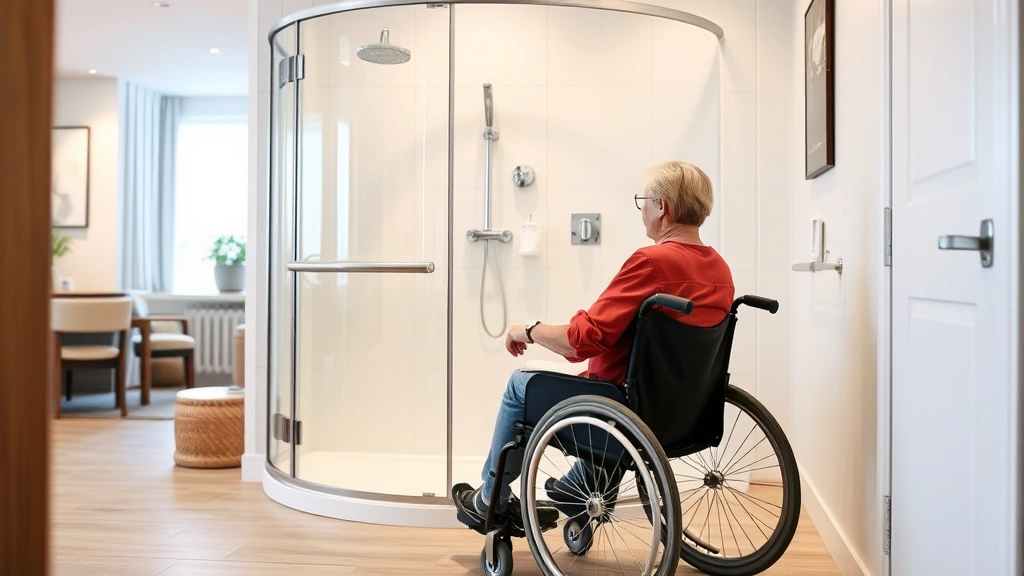
Legal Insight: Medical Housing Accommodation Rights
Medical housing accommodations are legal protections that allow individuals with disabilities or serious health conditions to modify their living environment or lease terms to support their health and wellbeing. Whether you need a ground floor unit due to mobility limitations, an allergen-free apartment for respiratory conditions, or lease flexibility for medical treatment, federal law protects your right to request reasonable accommodations in housing. Understanding these rights—and the legal framework that supports them—empowers you to advocate for the housing conditions necessary for your health.
This guide explores the legal foundation of medical housing accommodations, the process for requesting them, documentation requirements, and your rights as a tenant or resident. Whether you’re navigating a landlord dispute, preparing accommodation requests, or seeking to understand the Fair Housing Act, this resource provides actionable legal insights grounded in federal disability law.
Legal Foundation of Housing Accommodations
Medical housing accommodations are protected under several federal laws, with the Fair Housing Act (FHA) serving as the primary legal framework. Enacted in 1968 and amended in 1988, the FHA prohibits discrimination based on disability and requires landlords, property managers, and housing providers to make reasonable accommodations in rules, policies, practices, or services when necessary to afford a person with a disability equal opportunity to use and enjoy a dwelling.
The Americans with Disabilities Act (ADA) also applies to certain housing facilities, particularly multi-unit dwellings and common areas. Additionally, HUD’s Fair Housing Act overview clarifies that disability is broadly defined to include physical or mental impairments that substantially limit one or more major life activities.
Section 504 of the Rehabilitation Act extends similar protections to housing programs receiving federal financial assistance. Together, these laws create a comprehensive legal obligation for housing providers to accommodate medical needs. The key principle is that accommodations must be “reasonable”—meaning they don’t impose an undue financial or administrative burden on the housing provider, though landlords cannot deny accommodations simply because they’re inconvenient or costly.
State and local laws may provide additional protections beyond federal requirements. Some states recognize broader definitions of disability or require faster accommodation responses. Consulting your state or local housing authority helps you understand the full scope of your legal protections.
Types of Medical Housing Accommodations
Medical housing accommodations vary widely depending on individual health needs. Common accommodations include:
- Unit Modifications: Installing grab bars, ramps, accessible bathrooms, or widening doorways for mobility limitations
- Ground Floor or Accessible Unit Transfer: Moving to a unit without stairs or with accessible features when current housing is inaccessible
- Allergen-Free Housing: Requesting units in buildings with strict allergen protocols or pet-free sections for severe respiratory or allergy conditions
- Accessible Parking: Designated parking spaces close to unit entrances for individuals with mobility impairments
- Lease Modifications: Adjusting lease terms for medical leave, extended absences for treatment, or caregiver visitation flexibility
- Lease Termination or Early Exit: Breaking a lease without penalty when health conditions necessitate relocation or medical facility proximity
- Service Animal Accommodations: Waiving pet restrictions or fees for certified service animals (distinct from emotional support animals)
- Environmental Controls: Allowing air purifiers, humidifiers, or temperature control modifications for health conditions
- Accessibility to Common Areas: Ensuring elevators, hallways, and community spaces meet accessibility standards
The scope of possible accommodations is not exhaustive. If your health condition requires a specific modification or policy change, you have the legal right to request it. The housing provider must then engage in an interactive process to determine reasonableness.
A housing accommodation letter online from a licensed healthcare provider documents your medical need and recommended accommodations, strengthening your legal position when requesting these modifications.

Documentation and Verification Requirements
Housing providers have the legal right to request reliable documentation that your accommodation is medically necessary. However, they cannot demand extensive medical records, diagnoses, or treatment details. The documentation should establish a nexus between your disability and the requested accommodation.
What Landlords Can Require:
- Verification that you have a disability (physical or mental impairment substantially limiting major life activities)
- Explanation of how the disability relates to the need for the specific accommodation
- Confirmation that the accommodation is medically necessary
What Landlords Cannot Require:
- Specific diagnosis or detailed medical history
- Extensive medical records or psychiatric evaluations
- Proof of disability rating or government benefits
- Access to your treating physician (though they may contact them with your consent)
- Examinations or tests unrelated to the requested accommodation
A functional limitation verification letter from your healthcare provider meets these requirements without oversharing sensitive medical information. The letter should be on official letterhead, signed by a licensed healthcare provider, and explain the functional limitation and accommodation necessity—not necessarily your diagnosis.
For ADA disability verification, documentation standards are similarly protective. Landlords must accept documentation from treating physicians, psychiatrists, psychologists, or other licensed healthcare professionals with knowledge of your condition.
How to Request an Accommodation
Step 1: Request in Writing Although verbal requests are legally valid, written requests create documentation of your request date and specific accommodations needed. Email or certified mail provides proof of delivery. Your request should clearly state that you’re requesting a reasonable accommodation under the Fair Housing Act.
Step 2: Provide Supporting Documentation Include a housing accommodation letter from your healthcare provider explaining your disability and the accommodation’s medical necessity. Keep documentation concise—one to two pages is typically sufficient.
Step 3: Engage in Interactive Process The housing provider must respond to your request in writing within a reasonable timeframe (typically 5-10 business days). They may request clarification or additional information. You’re legally entitled to participate in this interactive process. If they deny the accommodation, they must provide a written explanation.
Step 4: Document All Communication Keep copies of every email, letter, and conversation summary. Note dates, names of people you spoke with, and what was discussed. This documentation is critical if you need to file a complaint or pursue legal action.
Step 5: Follow Up in Writing If you have verbal conversations with landlords or property managers, send a follow-up email summarizing what was discussed. This creates a written record and prevents miscommunication.
Landlords cannot retaliate against you for requesting an accommodation. Retaliation—such as raising rent, decreasing services, or threatening eviction—is illegal and violates the Fair Housing Act.
Landlord Obligations and Responsibilities
Once you request an accommodation with supporting documentation, housing providers have specific legal obligations:
Duty to Respond Promptly: Landlords must respond to accommodation requests within a reasonable timeframe. While no federal law specifies exact timelines, most housing authorities expect responses within 5-10 business days. Delays without explanation may constitute discrimination.
Duty to Engage in Interactive Process: Rather than immediately approving or denying requests, landlords must participate in dialogue to determine reasonableness. If your requested accommodation is unreasonable, they must explain why and potentially suggest alternatives that meet your medical needs.
Duty to Approve Reasonable Accommodations: If an accommodation doesn’t impose undue financial or administrative burden, landlords must approve it. The legal standard for “undue burden” is high—inconvenience or modest expense typically doesn’t qualify.
Duty to Maintain Confidentiality: Medical information you provide is confidential. Landlords cannot share your disability status or accommodation details with other tenants, staff, or third parties without your consent.
Duty to Not Discriminate: Landlords cannot treat you differently because of your disability or accommodation request. They cannot charge additional fees for reasonable accommodations or impose restrictions on tenancy because of your disability.
Duty to Make Modifications Timely: For physical modifications like grab bars or ramps, landlords must complete work within a reasonable timeframe. Indefinite delays may violate fair housing law.
If a landlord fails to meet these obligations, you have legal recourse through complaint processes and potentially litigation.

Dispute Resolution and Legal Recourse
If your housing accommodation request is denied or your landlord retaliates against you, several legal remedies exist:
File a Fair Housing Complaint: You can file a complaint with HUD’s Office of Fair Housing and Equal Opportunity within one year of the alleged discrimination (extended to two years in some cases). HUD investigates at no cost to you. If discrimination is found, HUD can require the landlord to approve the accommodation, pay damages, and cover your attorney’s fees.
Contact Your State Fair Housing Agency: Many states have their own fair housing agencies that investigate complaints. These agencies often move faster than HUD and may have broader protections under state law.
File a Section 504 Complaint: If your housing receives federal funding, you can file a Section 504 complaint with the appropriate federal agency (HUD, Department of Education, etc.).
Consult a Disability Rights Attorney: Disability rights organizations often provide free or low-cost legal consultation. An attorney can advise you on your specific situation and represent you in negotiations or litigation.
Send a Demand Letter: Before litigation, an attorney can send a formal demand letter to your landlord documenting the Fair Housing Act violation and requesting specific remedies. Many disputes resolve at this stage.
Pursue Civil Litigation: If informal resolution fails, you can sue your landlord in federal court under the Fair Housing Act. Potential remedies include approval of the accommodation, damages (including punitive damages for intentional discrimination), attorney’s fees, and injunctive relief preventing future violations.
Seek Injunctive Relief: If you need immediate accommodation (e.g., ground floor transfer for a mobility condition), you can request a court order requiring the landlord to provide the accommodation while your case proceeds.
Documentation is your strongest asset in any dispute. Maintain detailed records of all communications, your accommodation requests, supporting medical documentation, and landlord responses. This evidence demonstrates that you followed proper procedures and that discrimination occurred.
FAQ
Can a landlord deny my accommodation request because it’s too expensive?
No. Landlords cannot deny reasonable accommodations based on cost alone. The legal standard for “undue burden” is high and requires substantial financial hardship. Minor expenses or inconvenience don’t qualify. However, if an accommodation is extraordinarily expensive and fundamentally alters the housing provider’s operations, they may be able to deny it or suggest a less costly alternative that meets your medical needs.
What if my landlord asks for my medical diagnosis?
You don’t have to disclose your specific diagnosis. Landlords can only request information about your functional limitations and how they relate to the requested accommodation. If a landlord demands detailed medical records, that’s likely a violation of fair housing law. A medical accommodation letter from your doctor provides sufficient documentation without oversharing sensitive information.
How long does a landlord have to respond to my accommodation request?
Federal law doesn’t specify exact timelines, but “reasonable” typically means 5-10 business days. Some state laws require faster responses. If your landlord delays without explanation, document the delay and consider filing a fair housing complaint. Unreasonable delays may constitute discrimination.
Can my landlord charge me a fee for accommodations?
No. Fair housing law prohibits charging fees for reasonable accommodations. Landlords also cannot require you to pay for modifications like grab bars, accessible parking, or environmental controls. If a landlord attempts to charge you for an accommodation, that’s a clear violation of fair housing law.
What if my landlord retaliates after I request an accommodation?
Retaliation is illegal. Examples include raising your rent, decreasing services, issuing non-renewal notices, or threatening eviction after you request an accommodation. If you experience retaliation, document it immediately and file a fair housing complaint. You may be entitled to damages and legal remedies. The fair housing laws specifically protect against retaliation.
Can I request an accommodation for an emotional support animal (ESA)?
Yes. If you have a disability and an ESA provides therapeutic benefit, you can request an accommodation to waive pet restrictions or pet fees. However, landlords can request documentation from a healthcare provider. An ESA letter for housing must establish the disability-animal relationship. Note that service animals and ESAs have different legal protections—service animals have broader rights than ESAs under fair housing law.
What if I need to break my lease due to a medical condition?
You can request early lease termination as an accommodation if your medical condition necessitates relocation (e.g., proximity to medical facilities, environmental factors). Provide medical documentation explaining the necessity. While landlords aren’t always required to approve lease breaks, they must engage in the interactive process and consider whether the accommodation is reasonable. Some states have specific laws allowing lease termination for medical hardship.
Can my landlord require me to pay for accessibility modifications?
No. Landlords must cover the cost of reasonable modifications. However, you may be responsible for repairs you cause beyond normal wear and tear. Accessibility modifications required by fair housing law are the landlord’s responsibility and cost.