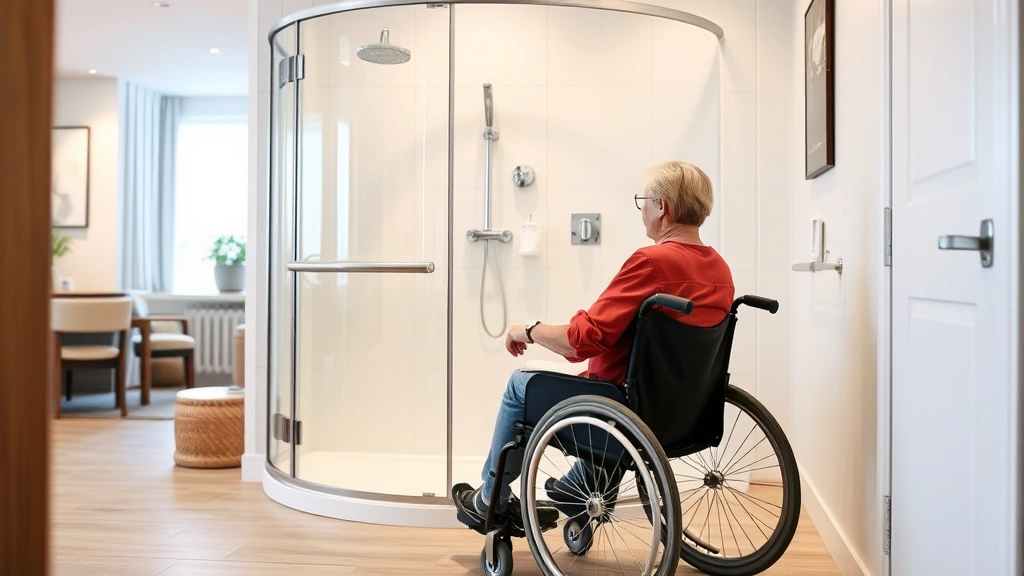

How to Obtain a Medical Letter for Housing Needs
A medical letter for housing accommodation is a critical document that establishes your need for specific living modifications or arrangements due to a diagnosed medical condition. Whether you require ground floor access due to mobility limitations, an allergen-free environment for respiratory conditions, or other health-related accommodations, a properly drafted medical letter serves as your legal foundation under the Fair Housing Act and Americans with Disabilities Act (ADA).
This comprehensive guide walks you through the process of obtaining a medical letter, understanding what makes it legally valid, and using it effectively to secure the housing accommodations you need. A strong medical letter from a qualified healthcare provider can mean the difference between getting your accommodation approved or facing unnecessary denial.
Housing providers are required by federal law to make reasonable accommodations for individuals with disabilities or medical conditions. A medical letter documents your condition, explains your functional limitations, and connects those limitations directly to your housing needs—creating an undeniable case for accommodation.
Understanding Medical Letters for Housing
A medical letter for housing is a formal document written by a qualified healthcare provider that explains your medical condition and the specific housing modifications or arrangements you need as a direct result of that condition. Unlike casual doctor’s notes, these letters must meet specific legal standards to be considered valid by housing providers.
The primary purpose of a medical letter is to establish nexus—the clear connection between your diagnosed condition and your requested accommodation. Housing providers must understand not just what you need, but why you need it from a medical perspective. This documentation protects both you and the housing provider by creating a transparent, legally compliant accommodation process.
Medical letters for housing serve multiple functions: they provide evidence for your reasonable accommodation housing request, create a paper trail for legal protection, and demonstrate good faith in your accommodation request. Without proper documentation, housing providers may deny your request or require unnecessary verification steps.
The Fair Housing Act requires housing providers to accept reasonable accommodations for individuals with disabilities. A well-written medical letter removes ambiguity and streamlines the approval process, allowing you to move forward with confidence.
Who Can Write Your Medical Letter
Not every healthcare provider can write a legally valid medical letter for housing accommodations. The provider must have direct knowledge of your medical condition, ongoing treatment relationship with you, and appropriate licensure. This requirement ensures the letter carries genuine medical authority.
Qualified Healthcare Providers Include:
- Licensed physicians (MD or DO)
- Nurse practitioners with prescribing authority
- Physician assistants
- Licensed mental health professionals (psychologists, psychiatrists, clinical social workers, counselors)
- Occupational therapists
- Physical therapists
- Other licensed healthcare professionals with direct patient knowledge
The provider must have examined you or treated you for the condition in question within a reasonable timeframe—typically within the past year, though this varies by jurisdiction. Telehealth visits count, provided they allow proper evaluation of your condition. Remote providers can absolutely write valid medical letters for housing, expanding your options significantly.
Avoid using letters from providers you haven’t seen recently or who have only minimal knowledge of your condition. Housing providers may reject letters that appear generic or lack sufficient detail about your specific medical situation. Choose a provider who knows your case well and can speak authoritatively about your functional limitations.
If you don’t currently have an established relationship with a healthcare provider, establishing one should be your first step. This might involve scheduling a new patient appointment, attending a telehealth consultation, or working with an online medical service that specializes in accommodation documentation.
Essential Components of a Valid Medical Letter
A legally defensible medical letter for housing must contain specific elements. Housing providers review these components to verify the letter’s legitimacy and determine whether your accommodation request is reasonable and necessary.
Required Header Information:
- Provider’s full name, title, and credentials
- License number and state of licensure
- Office address and contact information
- Date the letter was written
- Your full name and date of birth
Clinical Content That Must Be Included:
- Diagnosis: Specific medical condition(s) you’ve been diagnosed with, using proper medical terminology
- Functional Limitations: How your condition affects your ability to perform daily activities, use standard housing features, or manage environmental factors
- Nexus Statement: Clear explanation of how your condition necessitates the specific accommodation you’re requesting
- Duration: How long you’ve had the condition and whether it’s permanent or temporary
- Treatment History: Brief mention of ongoing treatment or management strategies
- Provider Signature: Original signature (not stamped or digital facsimile unless legally permitted in your jurisdiction)
- Professional Letterhead: Letter written on official provider stationery
The most critical component is the nexus statement—the direct connection between your medical condition and your accommodation need. For example: “Due to [patient’s] severe mobility limitations from [condition], ground floor living is medically necessary to prevent falls and ensure safe access to emergency services.”
Vague or generic letters weaken your case. Instead of “Patient has anxiety,” a stronger letter states: “Patient has been diagnosed with generalized anxiety disorder with agoraphobic features. This condition severely limits her ability to use elevators and stairs, making ground floor apartment access medically necessary for her continued treatment and daily functioning.”
Step-by-Step Process to Obtain Your Medical Letter
Step 1: Identify Your Accommodation Need
Before contacting your healthcare provider, clearly define what accommodation you need and why. Are you requesting ground floor access? An allergen-free unit? Accessible parking? Modification to unit layout? Write down your specific needs so you can communicate them clearly to your provider.
Step 2: Contact Your Healthcare Provider
Schedule an appointment with your provider and explain that you need a medical letter for housing accommodation. If you’re already established with the provider, a phone call or message through their patient portal may suffice. Provide them with the specific accommodation you’re requesting and ask if they can write a letter supporting it.
Step 3: Provide Relevant Information
Help your provider understand your accommodation need by explaining how your condition affects your ability to live in standard housing. Share any previous medical documentation, treatment plans, or functional limitation assessments that support your request. The more information your provider has, the more detailed and compelling the letter will be.
Step 4: Request Specific Letter Components
Ask your provider to include all essential components listed above. You might say: “Please include my diagnosis, how it affects my daily functioning, and why I specifically need ground floor access.” Most providers understand accommodation letters, but making your expectations clear prevents back-and-forth revisions.
Step 5: Allow Adequate Time
Medical offices often need 5-10 business days to prepare accommodation letters. Plan ahead and submit your request as soon as you know you’ll need housing. Rushing your provider may result in a hastily written letter that lacks the detail needed for approval.
Step 6: Review Before Submitting
When you receive your letter, read it carefully. Does it clearly explain your condition? Does it make the connection between your condition and your specific accommodation need? Is it on official letterhead with proper signatures? If something seems incomplete or unclear, contact your provider to request revisions.
Step 7: Submit with Your Accommodation Request
Include your medical letter with any formal accommodation request you submit to your housing provider. Follow their specific procedures—some require accommodation requests in writing, others have formal forms to complete. Keep copies for your records.
Common Housing Accommodations Documented
Medical letters support various housing accommodations. Understanding common examples helps you identify what you might need and how to articulate it to your provider.
Mobility-Related Accommodations:
- Ground floor apartment or unit with elevator access
- Accessible parking spaces near unit entrance
- Unit modifications for wheelchair access
- Grab bars and accessibility features in bathrooms
- No-step entry or ramp installation
Environmental and Sensory Accommodations:
- Allergen-free or fragrance-free units
- Units away from elevators or common areas (for sound sensitivity)
- Units with specific ventilation or HVAC modifications
- Hypoallergenic flooring or carpet removal
Medical Equipment Accommodations:
- Permission for medical equipment, oxygen tanks, or CPAP machines
- Extra electrical outlets for medical devices
- Space for in-home medical care or nursing visits
- Emotional support animal or service animal housing
Behavioral and Psychological Accommodations:
- Unit with minimal hallway exposure (for agoraphobia)
- Quiet units away from noise sources
- Ground floor to avoid stairwell anxiety
- Units allowing service animals beyond typical pet policies
Your medical letter should specifically name the accommodation you need, not just your condition. A housing provider needs to understand exactly what change or modification will address your functional limitations.
Legal Framework and Your Rights
Understanding the legal protections supporting your accommodation request strengthens your position and helps you advocate effectively.
The Fair Housing Act prohibits discrimination based on disability and requires housing providers to make reasonable accommodations in rules, policies, practices, or services when necessary for a person with a disability to have equal opportunity to use and enjoy housing. This federal law applies to virtually all housing—apartments, houses, condominiums, and more.
The Americans with Disabilities Act (ADA) provides additional protections for individuals with disabilities, including requirements for accessible housing and reasonable accommodations. While primarily focused on public accommodations, ADA principles inform housing provider obligations.
Section 504 of the Rehabilitation Act requires housing providers receiving federal funding to provide reasonable accommodations for individuals with disabilities. This includes public housing authorities, properties with federal mortgage insurance, and many other housing programs.
A housing provider cannot legally:
- Deny your reasonable accommodation request based solely on cost
- Require you to pay for reasonable accommodations
- Request more medical documentation than necessary to verify your need
- Require specific diagnoses—only the functional limitation and accommodation need matter
- Discriminate against you for requesting accommodation
If your accommodation request is denied, you have the right to file a complaint with the HUD Office of Fair Housing and Equal Opportunity or pursue legal action. Many disability rights organizations provide free or low-cost legal assistance for housing discrimination cases.
Tips for Successful Accommodation Requests
Beyond obtaining your medical letter, strategic approaches increase your likelihood of approval.
Be Specific and Documented
Generic requests fail. Instead of “I need accessible housing,” state: “I need ground floor apartment access due to mobility limitations that make stairs unsafe.” Your medical letter should support this specificity with clinical detail.
Request Reasonable Accommodations Only
Housing providers must grant reasonable accommodations. An unreasonable request—one that fundamentally alters the housing or imposes undue financial burden—might be denied. Ground floor access is typically reasonable; requesting a completely renovated unit may not be. Your provider can help determine what’s reasonable for your condition.
Submit Early in the Process
Request your accommodation before signing a lease or immediately upon move-in. Submitting mid-lease creates complications. When you know you’ll need housing, begin the accommodation process simultaneously.
Follow Housing Provider Procedures
Different providers have different processes. Some require written requests, others use specific forms. Follow their procedures exactly. When you submit your request, ask for written confirmation of receipt and a timeline for decision.
Keep Records
Maintain copies of your medical letter, all correspondence with the housing provider, dates you submitted requests, and responses received. This documentation protects you if disputes arise and supports potential legal action if necessary.
Consider medical housing accommodation Services
If obtaining a letter from your current provider is difficult, specialized services can connect you with qualified healthcare providers experienced in writing accommodation letters. These providers understand the specific requirements housing providers expect and can draft letters efficiently.
Documentation strengthens your case significantly. A comprehensive medical letter removes doubt and expedites approval, allowing you to secure appropriate housing without unnecessary delays or denials.

” alt=”Healthcare provider reviewing medical documentation at desk”>
Addressing Common Challenges
Even with proper documentation, you might encounter obstacles. Understanding how to address them protects your rights.
Housing Provider Requests Additional Medical Information
Providers may ask for more detail about your condition or functional limitations. This is permissible under Fair Housing law, but they cannot request your complete medical records, specific diagnoses unrelated to the accommodation, or genetic information. Your provider can submit additional clinical detail if needed, focusing on functional limitations rather than diagnosis specifics.
Denial of Your Accommodation Request
If your request is denied, ask for the reason in writing. Common denials include claims that the accommodation is unreasonable or the medical letter insufficient. If the denial seems discriminatory or your accommodation genuinely reasonable, consult with a disability rights attorney. Many organizations offer free initial consultations.
Landlord Skepticism About Your Medical Condition
Some housing providers express doubt about invisible disabilities or mental health conditions. A detailed medical letter from a qualified provider—particularly one on official letterhead with credentials clearly displayed—combats this skepticism. If skepticism persists despite proper documentation, it may constitute illegal discrimination.
Cost Concerns From Housing Provider
Housing providers sometimes claim accommodations are too expensive to implement. However, unless a requested accommodation causes undue financial burden or fundamentally alters the housing, cost alone cannot justify denial. Document this in writing if a provider raises cost concerns.
Timeline and Expectations
Understanding realistic timelines helps you plan your housing search and accommodation requests appropriately.
Obtaining Your Medical Letter: 1-2 weeks from initial request to receiving the completed letter, assuming you have an established relationship with your provider. Telehealth consultations can accelerate this timeline.
Housing Provider Response: 5-10 business days is typical for accommodation requests, though some providers take longer. Follow up if you haven’t received a response within this timeframe.
Implementation: Variable depending on the accommodation. Ground floor unit transfers might occur with the next available unit; modifications may take weeks or months.
Plan accordingly. Begin your accommodation request process as soon as you know you need housing, not after you’ve found a specific unit or signed a lease.

” alt=”Person signing accommodation documentation with healthcare provider present”>
FAQ
Can I use a letter from a nurse practitioner or physician assistant instead of an MD?
Yes. Nurse practitioners and physician assistants with appropriate licensure and prescribing authority can write valid medical letters for housing accommodations. The key is that they have direct knowledge of your condition and proper professional credentials. Housing providers cannot discriminate based on provider type if the provider is qualified and licensed.
What if I don’t have a current healthcare provider?
You have several options: schedule an appointment with a new primary care provider, seek a telehealth consultation with a provider experienced in accommodation letters, or use an online service specializing in medical accommodation documentation. Establishing a provider relationship strengthens your letter’s credibility.
Can my letter be electronic or must it be printed?
Electronic letters on official letterhead with digital signatures are increasingly accepted, though some housing providers still prefer original signatures. Ask your housing provider about their preferences. When in doubt, request a printed copy with original signature for maximum credibility.
How long is my medical letter valid?
Most housing providers accept letters written within the past year, though some accept older letters if your condition hasn’t changed. If your letter is older than a year or your condition has significantly changed, request an updated letter from your provider.
Can housing providers request my full medical records?
No. Fair Housing law limits what providers can request. They can ask for clarification about functional limitations or request additional detail about why the accommodation is necessary, but they cannot demand complete medical records, genetic information, or details unrelated to the accommodation. Your provider can submit a more detailed letter without releasing full records.
What if my housing provider denies my accommodation request?
Request the denial in writing and ask for specific reasons. If you believe the denial is discriminatory or your accommodation genuinely reasonable, contact HUD’s Office of Fair Housing, your state’s fair housing agency, or consult with a disability rights attorney. Many organizations offer free or low-cost legal assistance.
Do I need to disclose my specific diagnosis to my housing provider?
No. Housing providers need to understand your functional limitations and why you need the accommodation, but they don’t need your specific diagnosis. Your medical letter can reference your condition generally while focusing on functional impact. This protects your medical privacy while providing necessary documentation.
Can I request multiple accommodations in one request?
Yes. If you need ground floor access, accessible parking, and fragrance-free environment, one comprehensive medical letter can address all three if they’re all medically necessary. Your provider should explain how each accommodation addresses specific functional limitations.