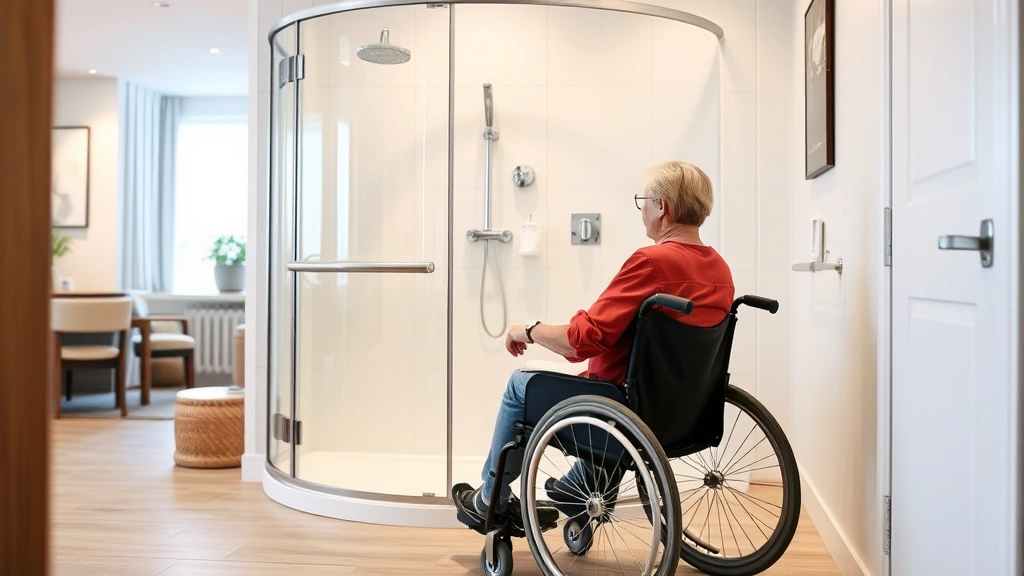
Telehealth Benefits for Housing Accommodation Letters
Obtaining a housing accommodation letter has traditionally required scheduling in-person medical appointments, navigating transportation challenges, and waiting weeks for appointments—a process that can be especially difficult for individuals with mobility limitations, chronic illnesses, or disabilities. Telehealth has fundamentally transformed how tenants and homeowners can access medical documentation for reasonable accommodations, making the process faster, more accessible, and more convenient. Whether you need a letter supporting a request for an accessible unit modification, an allergen-free environment, or other housing modifications under the Fair Housing Act, telehealth appointments offer a practical pathway to obtain the medical evidence landlords and housing authorities require.
This comprehensive guide explores how telehealth services streamline the process of obtaining housing accommodation letters, the legal validity of telehealth-based documentation, and how to navigate this modern approach to securing your housing rights.

What Is Telehealth and How Does It Apply to Housing Accommodations
Telehealth refers to the delivery of healthcare services, consultations, and medical evaluations through digital platforms—including video conferencing, telephone consultations, and secure messaging systems. For housing accommodation purposes, telehealth enables qualified healthcare providers to assess your medical condition, understand your functional limitations, and document the need for reasonable accommodations without requiring an in-person visit to a medical office.
Housing accommodations under the Fair Housing Act protect individuals with disabilities by requiring landlords and housing providers to make reasonable modifications and adjustments to policies, practices, or the physical environment. Common housing accommodations include ground floor units for mobility impairments, allergen-free housing for severe allergies or asthma, accessible parking spaces, modified lease terms for medical appointments, and structural modifications for wheelchair accessibility. A functional limitation verification letter for housing serves as the medical documentation supporting these requests.
Telehealth appointments can generate the same legally valid medical documentation as in-person visits, provided the provider is licensed, qualified to assess your condition, and follows proper documentation standards. The Department of Housing and Urban Development (HUD) recognizes telehealth evaluations as legitimate sources of medical evidence for reasonable accommodation requests.
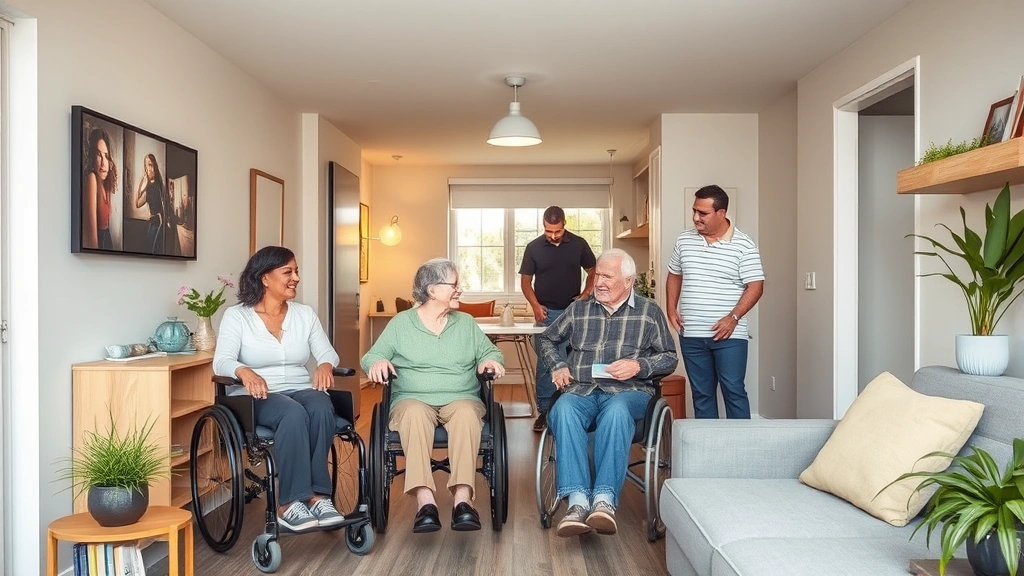
Legal Validity of Telehealth Documentation for Fair Housing
One of the most common concerns is whether documentation obtained through telehealth carries the same legal weight as in-person medical evaluations. The answer is yes, provided certain conditions are met.
HUD Guidelines and Telehealth Acceptance: The U.S. Department of Housing and Urban Development has affirmed that reasonable accommodation requests supported by telehealth-based medical evidence are valid under the Fair Housing Act. Landlords cannot reject an accommodation request solely because the supporting medical evaluation was conducted via telehealth rather than in-person. What matters is whether the provider is licensed, qualified to assess your condition, and has documented clear functional limitations related to your disability.
Provider Qualifications Matter: The telehealth provider must be a licensed healthcare professional with appropriate credentials to evaluate your specific condition. This might include physicians, nurse practitioners, physician assistants, psychologists, psychiatrists, or other specialists depending on your disability type. A letter from an unqualified provider or someone without proper licensure will not hold up to scrutiny from a housing provider.
Documentation Standards: Regardless of whether the evaluation is telehealth or in-person, the accommodation letter must meet specific content requirements. It should clearly state your disability, explain the functional limitations that necessitate the accommodation, describe the requested accommodation, and explain the relationship between your disability and the need for that specific accommodation. Vague or generic letters are more likely to be questioned.
State Licensing Requirements: The provider must be licensed to practice in your state. Many telehealth platforms verify provider credentials and state licensure before allowing them to conduct evaluations. Always confirm that your telehealth provider is licensed in your state and holds active credentials in their field.
How Telehealth Improves Access to Accommodation Letters
Telehealth removes several barriers that traditionally made it difficult for people with disabilities to obtain housing accommodation letters.
Reduced Transportation Barriers: For individuals with mobility impairments, chronic pain, severe fatigue, or other conditions that make travel difficult, telehealth eliminates the need to arrange transportation, navigate parking, and manage the physical demands of visiting a medical office. You can attend your appointment from home, from a friend’s house, or from any location with internet access.
Faster Appointment Availability: Telehealth providers often have more flexible scheduling and shorter wait times than traditional medical practices. Many platforms offer same-day or next-day appointments, which is critical when you’re facing a housing deadline or need documentation quickly for a lease negotiation.
Consistency of Care: If you’re already receiving care from a provider via telehealth for your medical condition, they have ongoing knowledge of your health status and can provide well-informed accommodation documentation. You don’t need to establish a new relationship with an in-person provider.
Cost Accessibility: Telehealth appointments are often more affordable than in-person visits, with lower overhead costs passed on to patients. Some telehealth platforms offer tiered pricing, payment plans, or insurance coverage options that make obtaining accommodation documentation financially feasible.
Privacy and Comfort: Attending a medical appointment from your own home can feel less intimidating or stressful than navigating an unfamiliar medical office, which may improve the quality of communication between you and your provider about your symptoms and functional limitations.
The Telehealth Appointment Process for Housing Letters
Understanding what to expect during a telehealth appointment for housing accommodation documentation can help you prepare and ensure you receive comprehensive, legally sound documentation.
Step 1: Finding a Qualified Telehealth Provider: Search for telehealth platforms or providers that explicitly offer accommodation letter services. Many established telehealth companies have providers experienced in writing functional limitation letters for housing, employment, and other purposes. Verify that the provider is licensed in your state and has experience with your specific condition.
Step 2: Scheduling Your Appointment: Most telehealth platforms allow you to schedule appointments online or by phone. When booking, specify that you need an accommodation letter for housing purposes. This helps ensure you’re matched with a provider experienced in this type of documentation.
Step 3: Preparing for Your Appointment: Before your telehealth visit, gather relevant medical information: your diagnosis, current medications, previous test results or medical records, and a clear description of how your condition affects your daily functioning. Write down specific examples of functional limitations related to your housing needs. For example, if you need a ground floor unit due to mobility impairment, describe what physical activities are difficult for you and why stairs are problematic.
Step 4: The Telehealth Consultation: During the appointment, the provider will ask detailed questions about your medical history, current symptoms, and how your condition impacts your ability to function. Be specific and honest. For a functional limitation verification letter for housing, the provider needs to understand not just your diagnosis, but the concrete ways your disability affects your daily life and why a specific accommodation would help.
Step 5: Requesting the Accommodation Letter: Explicitly ask the provider to prepare an accommodation letter documenting your functional limitations and the medical need for your requested accommodation. Specify your housing needs clearly—whether it’s accessibility modifications, allergen-free housing, accessible parking, or other accommodations.
Step 6: Receiving Your Documentation: Most telehealth platforms send your accommodation letter electronically within 24-48 hours. The letter should be on the provider’s letterhead, include their credentials and license number, and be signed or electronically authenticated by the provider.
What Your Housing Accommodation Letter Should Include
A legally sound housing accommodation letter contains specific elements that strengthen your request and make it harder for landlords to deny.
- Provider Credentials: The letter must be written on official letterhead and include the provider’s full name, title, license number, state of licensure, and contact information.
- Your Disability Diagnosis: The letter should state your diagnosis clearly, though it doesn’t need to disclose all medical details—only those relevant to your accommodation need.
- Functional Limitations: Describe specific ways your disability affects your ability to function. Instead of vague statements, use concrete examples: “Patient cannot climb stairs due to chronic joint pain and limited mobility” is stronger than “Patient has mobility issues.”
- Connection to Accommodation: Explicitly link your functional limitations to your requested accommodation. Explain why you need that specific accommodation and how it will enable you to enjoy your housing on an equal basis with non-disabled residents.
- Medical Necessity: The letter should indicate that the accommodation is medically necessary, not merely convenient or preferable.
- Permanence or Duration: Specify whether the need for accommodation is permanent, temporary, or long-term, and provide an expected duration if applicable.
- Provider’s Professional Opinion: The letter should reflect the provider’s professional medical judgment that the accommodation is reasonably necessary due to your disability.
If you need a more detailed or complex letter, you might also consider requesting a disability verification letter doctor signed that comprehensively documents your condition and functional impact.
Choosing a Telehealth Provider for Housing Documentation
Not all telehealth providers are equally equipped to produce housing accommodation letters. Here’s how to identify qualified options.
Experience with Accommodation Letters: Look for telehealth platforms or providers that specifically advertise accommodation letter services. Providers experienced in writing these letters understand the legal requirements and what housing providers expect to see.
Relevant Medical Specialization: Choose a provider whose specialty aligns with your condition. If you have a psychiatric disability, see a psychiatrist or psychologist. If you have a mobility impairment, a physician or physical medicine specialist is appropriate. This strengthens the credibility of your documentation.
Licensing Verification: Confirm that the provider is licensed in your state by checking your state’s medical board website. Never rely solely on the telehealth platform’s representation of licensure.
Patient Reviews and Reputation: Read reviews from other patients, particularly those who used the provider for accommodation letters. Look for feedback about thoroughness, responsiveness, and quality of documentation.
Transparent Pricing: Understand the cost of your appointment and any fees associated with the accommodation letter before scheduling. Some providers charge a separate fee for letter preparation, while others include it in the consultation cost.
HIPAA Compliance: Ensure the telehealth platform uses secure, encrypted technology that complies with HIPAA privacy requirements. Your medical information should be protected.
Common Challenges and Solutions
Challenge: Landlord Skepticism About Telehealth Documentation
Some landlords may question the validity of telehealth-based accommodation letters. Solution: Include a cover letter with your accommodation request that briefly explains that telehealth is a legitimate, widely-accepted healthcare delivery method. Reference HUD guidance if needed. A letter from an established, licensed provider with clear credentials carries weight regardless of whether the evaluation was telehealth or in-person.
Challenge: Generic or Insufficient Documentation
If a telehealth provider produces a vague letter that lacks specific functional limitations or clear connection to your accommodation need, your request is more likely to be denied. Solution: Prepare thoroughly for your appointment by writing down specific examples of how your disability affects you. During the consultation, be detailed and specific. If you receive a letter that seems generic, request revisions before submitting it to your landlord.
Challenge: Technology or Connectivity Issues
Internet outages or technical problems can disrupt your telehealth appointment. Solution: Schedule your appointment when you have reliable internet access. Test your technology beforehand. Have a phone number for technical support and the provider’s backup contact information.
Challenge: Concerns About Continuity of Care
If you’re seeing a telehealth provider for the first time, they may need more detailed information about your medical history to provide credible documentation. Solution: Bring or reference previous medical records, test results, or letters from other healthcare providers. This establishes the continuity and credibility of your medical condition.
Challenge: Timeline Pressure
If you need an accommodation letter quickly, you might worry that telehealth appointments won’t be available soon enough. Solution: Many telehealth platforms offer expedited scheduling. When booking, mention that you need the accommodation letter within a specific timeframe. Some providers will prioritize your letter preparation if you need it urgently.
For additional support with workplace-related accommodations that may intersect with housing (such as workplace accommodation letter for employer needs), you can explore integrated healthcare solutions that address multiple accommodation contexts.
If your situation is complex or your initial accommodation request is denied, a comprehensive disability verification letter doctor signed with extensive functional detail can strengthen an appeal.
FAQ
Is a telehealth accommodation letter legally valid for housing purposes?
Yes. Under Fair Housing Act guidance from HUD, accommodation letters based on telehealth evaluations are legally valid, provided the provider is licensed, qualified to assess your condition, and documents clear functional limitations related to your disability. The method of evaluation (telehealth versus in-person) does not determine validity; the quality and credibility of the documentation do.
What if my landlord refuses to accept a telehealth-based accommodation letter?
Landlords cannot legally reject an accommodation request solely because the supporting medical evaluation was conducted via telehealth. If your landlord refuses to consider your request, you can file a complaint with HUD’s Office of Fair Housing and Equal Opportunity or contact your state’s disability rights organization. Document the refusal in writing.
How quickly can I get a housing accommodation letter through telehealth?
Many telehealth providers offer same-day or next-day appointments, with accommodation letters typically generated within 24-48 hours of your consultation. This is significantly faster than traditional medical practices, which often have multi-week wait times. Expedited services may be available for an additional fee.
Do I need to have an existing relationship with a telehealth provider to get an accommodation letter?
No. You can schedule a first-time telehealth appointment specifically to obtain an accommodation letter. However, if you’re already receiving care from a telehealth provider for your medical condition, they have ongoing knowledge of your health and can provide particularly credible documentation.
What information should I provide during my telehealth appointment to ensure a strong accommodation letter?
Be specific about your diagnosis, current symptoms, medications, and—most importantly—how your disability affects your daily functioning and your ability to live in standard housing. Provide concrete examples. Explain clearly what accommodation you need and why it would help you function better in your housing. The more detailed and specific you are, the stronger your letter will be.
Can I use telehealth for multiple accommodation letters (housing, workplace, etc.)?
Yes. A qualified telehealth provider can document your functional limitations in ways that support multiple accommodation requests. However, each letter should be tailored to the specific accommodation context. A housing accommodation letter focuses on how your disability affects your ability to live in standard housing, while a workplace accommodation letter for employer focuses on job-related functional limitations.
What should I do if I receive a weak or generic accommodation letter from a telehealth provider?
Request revisions before submitting the letter to your landlord. Explain what specific functional limitations should be included and how they relate to your accommodation need. If the provider is unwilling to revise, consider seeking a second opinion from another qualified provider. A strong letter is worth the effort to obtain.
Are there privacy concerns with telehealth accommodation letters?
Reputable telehealth platforms comply with HIPAA privacy requirements and use secure, encrypted technology to protect your medical information. Verify that your provider uses HIPAA-compliant systems. Your medical information should never be shared with your landlord beyond what appears in the accommodation letter itself.
Can telehealth providers assess all types of disabilities for housing accommodations?
Telehealth providers can assess many conditions, including mobility impairments, chronic pain, psychiatric disabilities, neurological conditions, sensory disabilities, and chronic illnesses. However, some conditions may require in-person evaluation or testing. If your provider believes an in-person assessment is necessary, they will recommend it. Most disability-related accommodation needs can be adequately documented through telehealth.
What is the cost of obtaining a housing accommodation letter through telehealth?
Costs vary depending on the provider and platform, typically ranging from $100-$300 for a consultation and accommodation letter. Some telehealth services offer tiered pricing or payment plans. Insurance may cover part of the cost if the provider is in-network. Ask about pricing before scheduling your appointment.