Doctor-Signed Medical Housing Accommodation Guide
A medical housing accommodation letter from a doctor is a powerful tool that can help you secure the living conditions necessary to manage your health condition effectively. Whether you need modifications to your rental unit, require a ground floor apartment due to mobility limitations, or need to break a lease for medical reasons, a doctor-signed accommodation letter provides the legal documentation landlords and housing providers must consider under fair housing laws.
This comprehensive guide explains what a medical housing accommodation letter is, why it matters, how to obtain one, and how to use it effectively to advocate for your housing needs. Understanding your rights and the proper documentation process empowers you to create a living environment that supports your health and wellbeing.
What Is a Doctor-Signed Medical Housing Accommodation Letter?
A doctor-signed medical housing accommodation letter is an official document from a licensed healthcare provider that explains your medical condition and outlines the specific housing modifications or accommodations you need to live safely and comfortably. This letter serves as medical evidence supporting your request for reasonable accommodations under fair housing laws.
The letter differs from a general medical note or disability verification. It specifically addresses how your condition affects your ability to live in standard housing and what environmental or structural changes would alleviate your symptoms or limitations. A well-written accommodation letter is legally persuasive and demonstrates to landlords that your request is medically necessary, not merely a preference.
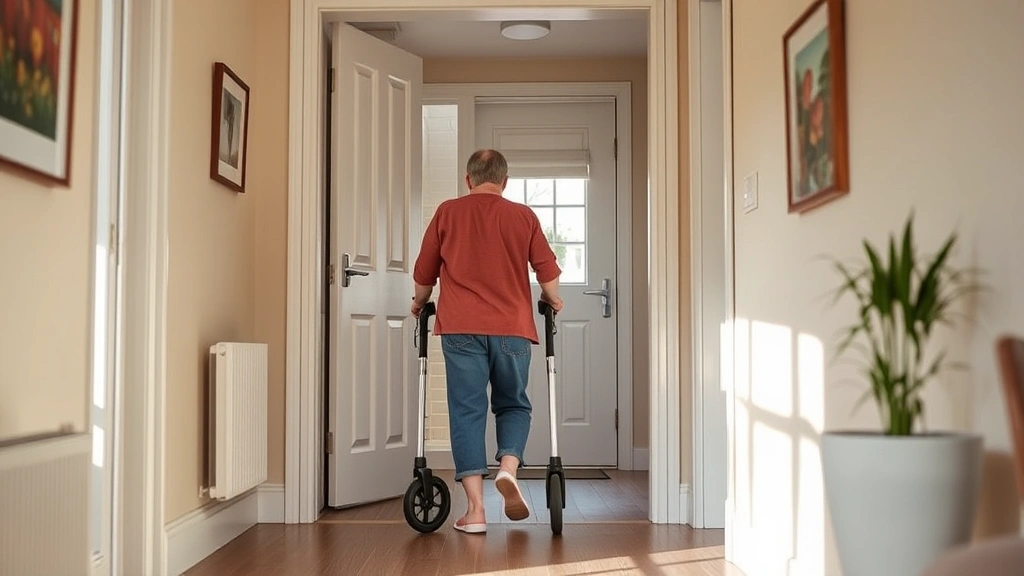
For example, if you have severe arthritis affecting your mobility, your doctor might write a letter explaining that you require ground floor housing to avoid stairs, or that you need a reserved accessible parking space. If you have a respiratory condition triggered by allergens, your doctor might specify that you need a unit away from common areas or with specific HVAC requirements.

Why Medical Documentation Matters for Housing
Landlords and housing providers often resist accommodation requests without proper documentation. They may perceive requests as unreasonable, costly, or unfounded. A doctor-signed letter transforms your request from a personal preference into a medical necessity backed by professional expertise. This documentation is your protection under federal fair housing law.
Medical documentation serves several critical purposes. First, it establishes that you have a documented disability or medical condition. Second, it demonstrates a clear nexus between your condition and your accommodation need. Third, it provides objective, professional credibility that strengthens your position in negotiations with landlords. Fourth, it creates a paper trail that protects you legally if your landlord denies your reasonable accommodation request.
Without proper documentation, landlords can claim they have no evidence of your need and deny your request outright. With a doctor-signed letter, they must engage in an interactive process with you under the Fair Housing Act. This legal obligation significantly increases the likelihood that your accommodation will be approved.
If your landlord retaliates against you for requesting accommodations, your medical documentation becomes evidence of your good faith effort to comply with proper procedures. This strengthens any discrimination complaint you might file with the Department of Housing and Urban Development (HUD) or your state housing authority.
Types of Housing Accommodations Doctors Can Support
Doctors can support a wide range of housing accommodations depending on your medical condition and functional limitations. Understanding what accommodations are reasonable helps you and your doctor identify what you actually need.
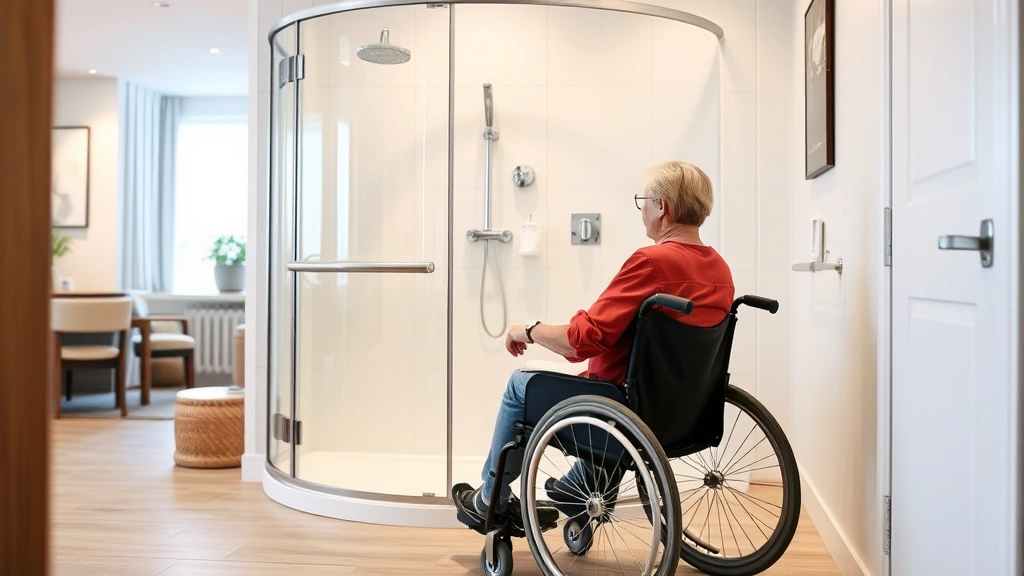
- Structural Modifications: Ground floor apartments for mobility issues, installation of grab bars, widened doorways for wheelchair access, ramp installation, or accessible bathroom modifications
- Unit Selection: Corner units with reduced noise exposure for anxiety disorders, units away from common areas for immunocompromised individuals, or units with specific views or natural light access for seasonal affective disorder
- Parking Accommodations: Reserved accessible parking spaces, close proximity parking for mobility limitations, or covered parking for individuals sensitive to weather exposure
- Pet-Related Accommodations: Permission for emotional support animals or service animals despite no-pet policies
- Environmental Modifications: Allergen-free units, specific HVAC requirements, air purification systems, or units away from smoking areas
- Lease Modifications: Extended lease terms for stability, early lease termination without penalty for medical relocation, or flexible move-in dates
- Amenity Access: Reserved elevator access, accessible parking at facilities, or exemption from stair-dependent common areas
Your doctor’s role is to explain how your condition creates functional limitations that make standard housing problematic and how the specific accommodation alleviates those limitations. The accommodation must be reasonable—meaning it doesn’t create undue financial or administrative burden on the landlord.
Legal Framework and Fair Housing Rights
Your right to medical housing accommodations is protected by federal law. The Fair Housing Act (FHA) prohibits discrimination based on disability and requires landlords to make reasonable accommodations in rules, policies, practices, or services when necessary to provide equal access to housing.
The Fair Housing Act applies to most residential properties, including apartments, condos, and single-family rentals. Landlords cannot refuse your accommodation request simply because it costs money or requires effort. They must engage in the interactive process and approve reasonable accommodations unless the request creates an undue financial or administrative burden.
The Americans with Disabilities Act (ADA) also protects your rights in certain housing contexts, particularly public housing and housing programs. Section 504 of the Rehabilitation Act provides similar protections for federally-funded housing programs.
To invoke these protections, you must establish three elements: (1) you have a disability or medical condition, (2) your condition causes a functional limitation that substantially limits a major life activity, and (3) the specific accommodation you’re requesting is necessary to provide equal access to housing. A doctor-signed letter documents all three elements.
When you submit your accommodation request with medical documentation, your landlord must respond in writing within a reasonable timeframe. They cannot ignore your request or demand unreasonable information. If they deny your request, they must provide a legitimate, non-discriminatory reason in writing.
How to Request a Medical Housing Accommodation Letter
Requesting a medical housing accommodation letter requires clear communication with your healthcare provider. Many doctors are unfamiliar with accommodation letters or may hesitate to write them without proper guidance. Here’s how to navigate this process effectively.
First, schedule an appointment specifically to discuss your accommodation needs. Don’t try to request this during a routine visit—your doctor needs dedicated time to understand your housing situation, your condition, and how they connect. Bring documentation of your condition, your lease, and your landlord’s contact information if possible.
Be specific about what you need. Don’t ask your doctor to write a generic disability letter. Instead, explain: “I need a letter explaining that my arthritis requires ground floor housing because stairs aggravate my pain and limit my mobility” or “I need documentation that my anxiety disorder requires a quiet unit away from common areas due to noise sensitivity.”
If your current doctor is unavailable or unwilling, consider working with a telehealth provider who specializes in housing accommodation letters via telehealth. These providers understand the specific requirements for accommodation documentation and can often provide letters more quickly than traditional healthcare providers.
Be prepared to pay for this service. Many doctors charge a fee for writing accommodation letters because it requires time and liability considerations. Telehealth accommodation services typically charge $150-$400 for a completed letter, which is a reasonable investment in securing your housing needs.
Provide your doctor with clear, written information about your request. Many doctors appreciate a summary document that outlines: your condition, your functional limitations, the specific accommodation you need, why it’s necessary, and how it relates to your condition. This helps your doctor write a more thorough, persuasive letter.
What Should Be Included in Your Letter
A strong medical housing accommodation letter includes specific elements that make it legally and medically compelling. Your doctor should include:
- Doctor’s Credentials: Full name, medical license number, specialty, practice name and address, phone number, and email
- Your Information: Full name, date of birth, and patient relationship confirmation (dates you’ve been under care)
- Diagnosis or Condition: The specific medical condition(s) causing your need for accommodation, written in clear medical language
- Functional Limitations: How your condition affects your ability to perform major life activities, specifically relating to housing (mobility, sensory perception, breathing, cognition, etc.)
- Nexus Statement: A clear explanation of how your functional limitations create a need for the specific accommodation you’re requesting
- The Accommodation: A detailed description of the specific accommodation you need (not a vague request, but concrete details)
- Medical Necessity: An explanation of why this accommodation is medically necessary and how it alleviates your symptoms or limitations
- Duration: Whether the need is ongoing or temporary, and for how long the accommodation is expected to be necessary
- Professional Opinion: The doctor’s professional opinion that the accommodation is reasonable and necessary
- Signature and Date: The doctor’s original signature (not electronic or stamped) and the date the letter was written
The letter should be written on official letterhead and should be specific enough that a landlord understands exactly what you’re requesting, but professional enough that it carries legal weight. Avoid emotional language; focus on medical facts and professional judgment.
Working with Your Healthcare Provider
Effective collaboration with your healthcare provider ensures you get the letter you need. Many doctors want to help but simply don’t understand the accommodation letter process or what landlords require.
Educate your doctor about fair housing law. You might say: “Under the Fair Housing Act, landlords must provide reasonable accommodations for people with disabilities. I need a letter documenting that my condition requires this specific accommodation.” Most doctors are willing to help once they understand the legal context.
If your primary care doctor is hesitant, ask if they can refer you to a specialist familiar with accommodation letters. A rheumatologist, for example, might be more comfortable writing a letter about mobility accommodations than a general practitioner.
Consider providing your doctor with a template or example of what you need. You can find samples online or request one from disability rights organizations. This gives your doctor a concrete reference for what you’re asking.
Ask your doctor to be specific about timeline and prognosis. If your condition is temporary (post-surgical recovery), the letter should specify that. If your condition is chronic and permanent, the letter should reflect that. This helps landlords understand whether they’re accommodating a short-term need or a long-term requirement.
Get the letter in writing before you submit it to your landlord. Ask to review it and confirm it includes all necessary information. If something is missing or unclear, ask your doctor to revise it. You want the strongest possible documentation.
If you’re having difficulty obtaining a letter from your regular doctor, Arvix Health offers medical documentation services specifically designed to help people obtain proper healthcare provider letters for accommodations.
Presenting Your Letter to Your Landlord
How you present your accommodation request and medical letter matters significantly. Approach this professionally and document everything.
First, check your lease and your jurisdiction’s tenant laws to understand the proper procedure for requesting accommodations. Some jurisdictions require written requests; some allow verbal requests. Follow the most formal procedure available to create a clear paper trail.
Submit your request in writing. A letter or email is better than a verbal request because it creates documentation. Address your request to the landlord or property management company, not to individual staff members.
Include your accommodation letter with your request, but don’t include your entire medical record. The accommodation letter itself is sufficient; you don’t need to provide diagnosis codes, medication lists, or detailed medical history. The letter should contain enough information for the landlord to understand your need without revealing unnecessary private medical details.
Use clear, professional language. For example: “I am requesting a reasonable accommodation under the Fair Housing Act. I am enclosing a letter from my healthcare provider documenting my medical need for [specific accommodation]. I request that you respond to this request in writing within 10 business days.”
Keep copies of everything. Save emails, keep copies of letters, and document all communication with your landlord. If your landlord denies your request, you’ll need this documentation for any complaint you file.
If your landlord denies your request without legitimate, non-discriminatory reasons, or if they don’t respond within a reasonable timeframe, you have the right to file a complaint with HUD’s Office of Fair Housing and Equal Opportunity. Your doctor-signed letter will be crucial evidence in your complaint.
If you need additional support navigating this process, the Disability Rights Education & Defense Fund (DREDF) and similar state-based disability rights organizations offer free guidance and advocacy.
Remember that your landlord may request additional information from your doctor, but they cannot demand your full medical record or medical history. They can ask clarifying questions about the nexus between your condition and your accommodation, but your doctor is not required to answer detailed medical questions.
FAQ
How long does it take to get a medical housing accommodation letter?
Timeline depends on your healthcare provider. Some doctors can write a letter within a few days; others may take several weeks. Telehealth accommodation services typically provide letters within 3-7 business days. Start the process early, ideally before you submit your request to your landlord, so you have the letter ready.
Can my landlord deny my accommodation request if they say it costs too much?
Under fair housing law, cost alone is not a legitimate reason to deny a reasonable accommodation. However, if your request would create an undue financial or administrative burden on the landlord, they may be able to propose an alternative accommodation that meets your needs. Very expensive modifications might be negotiable, but landlords cannot simply refuse based on cost.
Do I need to disclose my diagnosis to my landlord?
No. Your accommodation letter should explain your functional limitations and why you need the accommodation, but it doesn’t need to include your specific diagnosis. You have the right to medical privacy. If your landlord asks for your diagnosis, you can decline to provide it and instead direct them to the information in your doctor’s letter.
What if my doctor refuses to write a housing accommodation letter?
If your regular doctor refuses, you have options. You can request a referral to another provider, see a specialist who might be more familiar with accommodation letters, or work with a telehealth provider who specializes in accommodation documentation. Services like Arvix Health’s telehealth accommodation letters exist specifically to help people in this situation.
Can my landlord ask for my full medical records?
No. Fair housing law limits what landlords can request. They can ask for documentation that establishes you have a disability and that your accommodation is necessary, but they cannot demand your full medical records, medication lists, or detailed medical history. The accommodation letter itself is typically sufficient.
What if my landlord ignores my accommodation request?
Document everything and follow up in writing. If your landlord ignores your written request for more than 10 business days without responding, you can file a complaint with HUD. Your doctor-signed letter and documentation of your request will support your complaint.
Do I need to renew my accommodation letter every year?
Not necessarily. If your condition is chronic and permanent, one letter is typically sufficient. However, if your condition changes, your accommodation needs change, or if your landlord questions the current status of your condition, you may need an updated letter. Discuss this with your doctor.
Can I get a housing accommodation letter for a temporary condition?
Yes. If you’re recovering from surgery, managing a temporary injury, or dealing with a condition expected to resolve, your doctor can write a letter specifying that your accommodation need is temporary and explaining the expected duration. This helps your landlord understand the timeframe for the accommodation.