Need a Medical Letter for Housing? Expert Guide
Finding suitable housing that meets your medical needs can be challenging, especially when your condition requires specific accommodations. A medical letter for apartment accommodation is a formal document that bridges the gap between your health requirements and your landlord’s responsibilities. Whether you need accessibility modifications, allergen-free environments, or emotional support animal recognition, a well-crafted medical letter from a licensed healthcare provider can be the key to securing the housing you deserve.
This comprehensive guide walks you through everything you need to know about obtaining and using a medical letter for housing accommodations. We’ll explore what these letters are, why landlords require them, what information they should contain, and how to work with healthcare providers to get one that supports your needs under fair housing laws.
What Is a Medical Letter for Housing Accommodation?
A medical letter for apartment accommodation is a formal document written by a licensed healthcare provider that verifies your medical condition and explains why you need specific housing accommodations. This letter serves as professional verification that your accommodation requests are medically necessary, not merely convenient or preferential.
Medical letters differ from casual doctor’s notes. They are formal, comprehensive documents that follow professional standards and include specific information about your diagnosis, functional limitations, and how those limitations directly relate to your housing needs. A housing accommodation letter from a licensed doctor carries legal weight and demonstrates that your requests are grounded in legitimate medical necessity.
These letters typically address landlords, property managers, or housing authorities and explain the nexus between your condition and your accommodation request. For example, if you have severe asthma, your doctor might explain that you need a unit with air filtration systems and away from common areas where allergens accumulate. The letter validates your needs while helping landlords understand their legal obligations under fair housing laws.
Why Landlords Request Medical Documentation
Landlords request medical letters for several important reasons. First, they need to verify that accommodation requests are legitimate and based on actual medical necessity rather than preference. Without documentation, it would be impossible to distinguish between genuine needs and requests for preferential treatment.
Second, medical letters help landlords understand the scope and nature of accommodations needed. A detailed letter explains not just what you need, but why you need it. This helps property managers make informed decisions about feasibility and implementation. For instance, understanding that you need ground-floor housing due to mobility limitations or cardiac conditions helps landlords identify which units might work for you.
Third, documentation protects both parties legally. When landlords have proper medical verification, they can demonstrate they made reasonable efforts to accommodate tenants. This protects them from discrimination claims and shows they’re complying with fair housing regulations. For tenants, proper documentation creates a clear record of your accommodation request and the medical basis for it.
Finally, landlords may need medical letters to justify modifications or exceptions to standard lease terms. If you’re requesting lease modifications, extended move-in dates, or exemptions from certain policies, medical documentation helps landlords explain these exceptions to their management companies or owners.
Legal Framework and Fair Housing Rights
Your right to housing accommodations is protected under several federal laws. The Fair Housing Act prohibits discrimination based on disability and requires landlords to make reasonable accommodations in rules, policies, practices, or services when necessary to afford a person with a disability equal opportunity to use and enjoy a dwelling. The Americans with Disabilities Act (ADA) provides additional protections in certain housing contexts.
Section 504 of the Rehabilitation Act also protects individuals with disabilities in housing receiving federal funding. These laws establish that you have the right to request accommodations, and landlords have a legal obligation to provide them unless doing so would create an undue financial or administrative burden.
However, these laws don’t automatically grant every accommodation request. Landlords can request reliable documentation of disability and the need for accommodation. This is where medical letters become essential. HUD guidance states that healthcare provider documentation is reasonable to request, and such documentation must be from someone with personal knowledge of your condition.
It’s important to understand that you’re not required to disclose your diagnosis or provide detailed medical records. Your letter should focus on functional limitations and how they relate to housing needs, not necessarily your specific diagnosis. However, the letter must come from a legitimate healthcare provider with appropriate credentials in your jurisdiction.

Essential Components of an Effective Medical Letter
A strong medical letter for housing accommodation includes specific elements that make it legally defensible and compelling to landlords. Understanding these components helps you work effectively with your healthcare provider to create a letter that will be taken seriously.
Provider Credentials and Contact Information: The letter should be on official letterhead from a licensed healthcare provider. It must include the provider’s name, license number, medical specialty, contact information, and the date the letter was written. This establishes the writer’s authority and allows landlords to verify credentials if needed.
Your Information: Include your full name, current address, and the date you began treatment with the provider. This personalizes the letter and establishes the provider’s familiarity with your case.
Statement of Professional Relationship: The letter should explicitly state that the provider has personally examined and treated you, and has knowledge of your condition and functional limitations. This is critical—landlords may reject letters from providers who haven’t personally evaluated you.
Description of Functional Limitations: Rather than simply stating a diagnosis, the letter should describe how your condition affects your daily functioning. For example: “Due to severe mobility limitations, the patient requires single-level living and cannot navigate stairs.” This functional approach is more persuasive than diagnostic information alone.
Nexus to Housing Need: The letter must explicitly connect your functional limitations to your specific accommodation request. Explain why the accommodation is necessary and how it will help you access and enjoy your housing. For example: “Due to respiratory sensitivity to common allergens, the patient requires housing in a unit with HEPA filtration systems and away from units with smoking tenants.”
Medical Necessity Statement: Include a clear statement that the accommodation is medically necessary, not merely convenient or preferred. Language like “medically necessary” or “required due to the patient’s disability” strengthens the letter’s legal standing.
Duration and Permanence: Specify whether the need is temporary or permanent. If temporary, indicate the expected duration. This helps landlords understand the scope of their obligation.
Professional Signature: The letter must be signed and dated by the healthcare provider. Digital signatures are typically acceptable, but verify with your landlord if you’re unsure.
Types of Housing Accommodations Supported by Medical Letters
Medical letters can support a wide range of housing accommodations. Understanding which accommodations are commonly approved helps you frame your request effectively.
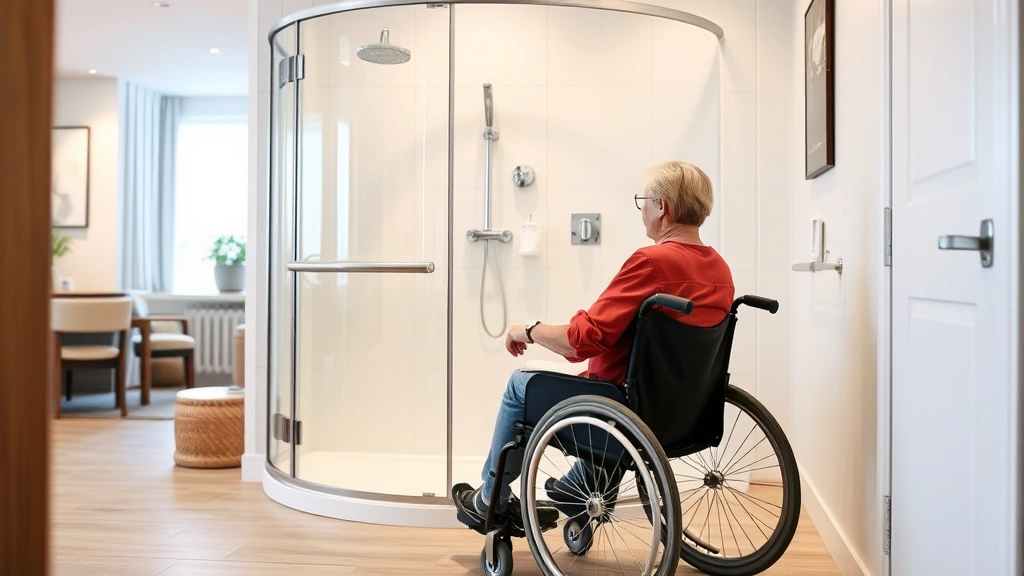
Accessibility Modifications: These include ground-floor units for mobility limitations, accessible bathrooms with grab bars and roll-in showers, widened doorways for wheelchair access, and accessible parking spaces. A doctor-signed mobility documentation letter is particularly valuable for these requests.
Environmental Accommodations: Tenants with asthma, allergies, or chemical sensitivities may request units away from smokers, with specific HVAC systems, or in buildings without certain chemicals or fragrances. Medical letters explaining respiratory or immunological conditions support these requests effectively.
Emotional Support Animal (ESA) Housing: If you have an ESA, a medical letter from a licensed healthcare provider is essential for housing protection. A doctor-signed ESA letter verifies that your animal is necessary for your disability and protects your right to keep your animal despite no-pet policies.
Lease Modifications: Medical letters can support requests for modified lease terms, such as extended notice periods for move-out, flexibility with lease renewal dates due to health treatment schedules, or exemptions from certain lease clauses that conflict with medical needs.
Building Feature Accommodations: These include requests for units near elevators for mobility issues, ground-level units to avoid stairs, or units away from high-traffic areas for those with sensory sensitivities or anxiety disorders.
Service Animal Housing: While distinct from ESAs, service animals also require documentation. Medical letters can verify the necessity of a service animal for specific disabilities.
How to Request a Medical Letter From Your Doctor
Requesting a medical letter requires clear communication with your healthcare provider. Here’s a structured approach to increase the likelihood of success.
Schedule a Dedicated Appointment: Don’t try to request a complex letter during a routine check-up. Schedule a specific appointment or contact your provider’s office in advance to discuss your housing accommodation needs. This gives your provider time to gather information and write a thoughtful letter.
Be Specific About Your Needs: Explain exactly what accommodation you’re requesting and why. Provide concrete details: “I need ground-floor housing because I cannot use stairs due to my mobility limitations” is better than “I need an accessible apartment.” The more specific you are, the more specific your provider can be in the letter.
Provide Written Guidelines: Offer your provider a summary of what the letter should include. You might reference fair housing guidelines or provide a template. This isn’t pushy—it’s helpful. Many providers appreciate guidance on what landlords expect.
Explain the Timeline: Let your provider know when you need the letter. If you’re applying for housing soon, say so. Providers are more likely to prioritize requests with clear deadlines.
Discuss Confidentiality: Clarify that you understand the letter will be shared with your landlord. Some patients worry about privacy; addressing this upfront prevents delays.
Ask About Costs: Some providers charge for letters, especially if they’re lengthy or complex. Ask about fees upfront so there are no surprises.
Get Multiple Copies: Request at least three copies. You may need one for your landlord, one for your lease file, and one for your records. Digital copies are also helpful.
Working With Licensed Healthcare Providers
Not all healthcare providers have experience writing accommodation letters. Understanding who can provide valid letters and how to work with them effectively is crucial.
Who Can Write Medical Letters: Licensed physicians (MDs and DOs), licensed mental health professionals (psychologists, psychiatrists, licensed counselors), nurse practitioners, physician assistants, and in some cases, specialists like physical therapists or occupational therapists can write medical letters. The key requirement is that they must have personal knowledge of your condition through direct evaluation or treatment.
Specialists vs. Primary Care Providers: Letters from specialists are often more persuasive for specific conditions. A rheumatologist’s letter about arthritis-related mobility needs carries more weight than a general practitioner’s letter on the same topic. However, letters from primary care providers who know you well are also valuable.
Building a Relationship: If you don’t have an established relationship with a healthcare provider, establish one before requesting a letter. Landlords may reject letters from providers you’ve only seen once. Regular treatment history strengthens your documentation.
For those without established providers, professional healthcare services specializing in accommodation letters can connect you with licensed providers who understand fair housing requirements and can evaluate your needs appropriately.
Telehealth Options: Many providers now offer telehealth evaluations, which can be more accessible if you have mobility limitations or live in rural areas. Ensure the provider is licensed in your state and maintains appropriate records of your evaluation.
Common Challenges and How to Overcome Them
Challenge: Provider Unfamiliarity With Accommodation Letters: Some doctors don’t regularly write housing accommodation letters and may be uncertain about what to include. Solution: Provide clear examples, reference fair housing guidelines, or work with a service that specializes in accommodation letters and can liaise with your provider.
Challenge: Landlord Skepticism About Your Condition: Some landlords doubt the legitimacy of certain conditions, particularly mental health disabilities or invisible disabilities. Solution: Ensure your letter is detailed about functional limitations and includes the provider’s credentials. If necessary, consult the EEOC or a disability rights organization if you believe discrimination is occurring.
Challenge: Requests for Excessive Medical Information: Some landlords ask for detailed diagnoses or medical records beyond what’s necessary. Solution: You’re not required to disclose your diagnosis. Politely decline requests for records beyond the accommodation letter itself, and reference fair housing guidelines that limit what landlords can request.
Challenge: Delayed Provider Response: Doctors’ offices can be slow. Solution: Follow up regularly, offer to pick up the letter in person, or ask if an electronic version can be emailed directly to you or your landlord.
Challenge: Cost of the Letter: Some providers charge substantial fees. Solution: Ask about costs upfront, inquire if your insurance covers the letter, or explore JAN (Job Accommodation Network) resources, which sometimes provide guidance on navigating these costs.
Challenge: Landlord Rejection of Your Letter: Occasionally, landlords claim a letter is insufficient. Solution: If you believe the rejection is discriminatory, contact your local HUD office or a disability rights organization. They can advise you on next steps, which may include filing a fair housing complaint.
FAQ
How long is a medical letter for housing valid?
Most medical letters are considered current for one to two years from the date written. If your letter is older than this, landlords may request an updated letter. However, if your condition is permanent and unchanged, you can often use an older letter. Check with your specific landlord about their requirements.
Can I write my own medical letter, or does it have to come from a doctor?
A medical letter must come from a licensed healthcare provider. Self-written letters carry no legal weight and landlords will reject them. The provider’s credentials and professional standing are essential to the letter’s validity.
What if I don’t have a regular doctor?
You can establish a relationship with a healthcare provider through telehealth services, community health centers, or urgent care clinics. Alternatively, services specializing in disability verification letters for housing can connect you with licensed providers who can evaluate your needs and provide appropriate documentation.
Can landlords ask me to disclose my diagnosis?
No. Fair housing laws allow landlords to request information about your functional limitations and why you need accommodation, but they cannot require you to disclose your specific diagnosis. Your letter can focus on functional limitations without revealing your diagnosis.
What if my landlord says my accommodation is too expensive?
Landlords must provide reasonable accommodations unless doing so creates an undue financial burden. However, “undue burden” is a high legal standard. If you believe your landlord is wrongfully denying a reasonable accommodation, you can file a complaint with HUD or consult a disability rights attorney.
How do I present the letter to my landlord?
Present the letter professionally, either in person or via certified mail. Include a brief cover letter explaining that you’re providing medical documentation to support your accommodation request. Keep copies for your records. Don’t over-explain or apologize—present it matter-of-factly as part of your housing application or lease negotiation.
Can I use the same letter for multiple landlords?
Yes, as long as the letter is generic enough to apply to your accommodation needs across different properties. However, if different landlords are asking about different accommodations, you may need different letters tailored to each situation. Request multiple copies when you first obtain your letter.
What if my provider refuses to write a letter?
If your provider refuses without legitimate reason (such as not having personal knowledge of your condition), you may need to seek care from another provider. Some providers are uncomfortable with accommodation letters due to unfamiliarity, but refusing without good reason may indicate they’re not the right fit for your healthcare needs.