Break Lease with Doctor Letter? Legal Insights Inside
Breaking a lease early can feel overwhelming, especially when health conditions make your current living situation untenable. Many tenants wonder whether a doctor’s letter provides legal grounds for lease termination without penalty. The answer depends on your jurisdiction, lease terms, disability status, and the specific medical circumstances involved. This guide explores the legitimate pathways to lease termination based on medical necessity and clarifies what documentation landlords must legally accept.
A physician’s letter carries significant weight in housing disputes, but it isn’t automatically a magical escape clause. However, when combined with applicable disability laws—particularly the Fair Housing Act and state tenant protections—medical documentation becomes a powerful tool for negotiating early lease termination or securing housing accommodations that allow you to remain safely in your home.
When Medical Conditions Justify Lease Termination
Lease termination based on medical grounds typically falls into several categories. First, unsafe housing conditions that exacerbate your medical condition—such as mold triggering respiratory illness, inadequate climate control for a cardiac patient, or allergen exposure for someone with severe asthma—may justify breaking your lease if the landlord refuses to remediate.
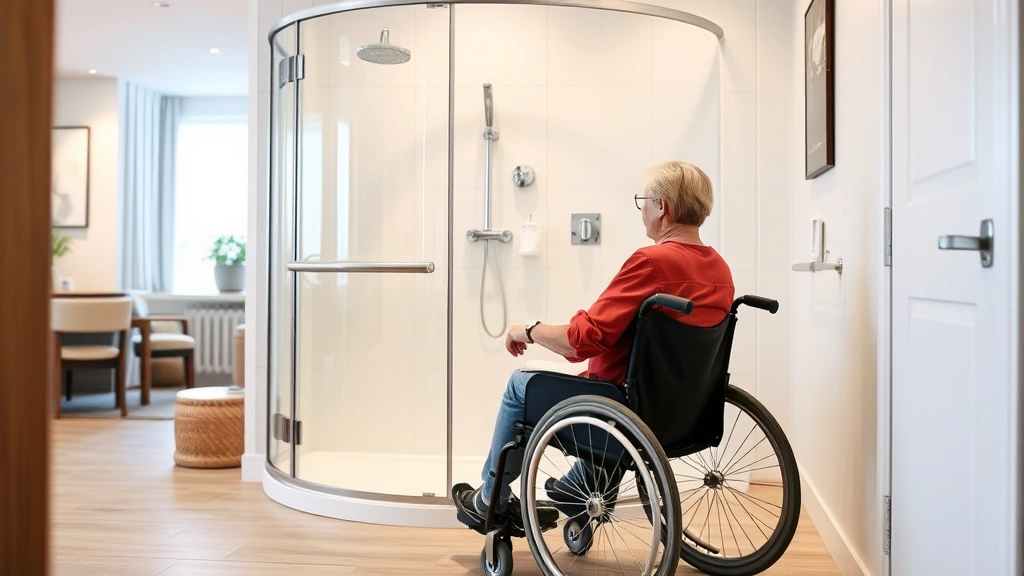
Second, disability-related accessibility barriers that cannot be accommodated within your current unit create legal grounds. A wheelchair user in a third-floor walk-up apartment or someone with mobility impairment unable to access mobility impairment parking certification spaces nearby may have lease termination rights.
Third, medical relocation necessity—such as needing to move closer to specialized medical treatment, a caregiver, or a dialysis center—sometimes qualifies, though this varies significantly by jurisdiction. Fourth, hospitalization or medical incapacity that prevents lease fulfillment may trigger protections under some state laws.
The critical distinction is between wanting to break a lease for health reasons and having legal grounds to do so. A doctor’s letter documenting genuine medical necessity strengthens your position considerably, but the letter alone doesn’t create legal authority—it provides evidence supporting your claim under existing housing laws.
Doctor Letters and Legal Authority
A physician’s letter serves as medical evidence that your health condition creates a genuine need for housing change. However, the letter’s legal weight depends entirely on which laws protect you. The letter itself doesn’t override your lease contract; instead, it documents a disability or medical condition that triggers legal protections you already possess under federal or state law.
For instance, if you have a documented disability and request housing accommodation under the Fair Housing Act, your doctor’s letter establishes the disability and functional limitations. The landlord must then engage in the interactive process to determine reasonable accommodations. If no reasonable accommodation can resolve the situation within your current unit, lease termination becomes a potential outcome—not because the doctor’s letter orders it, but because the law requires it as a reasonable accommodation.
A strong medical letter includes: the physician’s credentials and contact information, specific diagnosis or functional limitations (without requiring the landlord to know your diagnosis), how the condition affects housing ability, why the current unit is unsuitable, and specific recommendations (ground floor unit, transfer to different building, or lease termination). The letter should be on official letterhead and signed by a licensed healthcare provider with direct knowledge of your condition.
Medical disability documentation from a licensed doctor carries more weight than self-diagnosis or informal statements. Landlords are entitled to verify that documentation comes from a legitimate healthcare source, though they cannot demand your full medical records or diagnosis details.
Fair Housing Act Protections
The Fair Housing Act (FHA) prohibits discrimination based on disability and requires landlords to provide reasonable accommodations to tenants with disabilities. This federal law is your strongest legal tool for lease-related medical issues.
Under the FHA, a reasonable accommodation is a change to rules, policies, practices, or services that enables a person with a disability to enjoy housing equally. If your medical condition qualifies as a disability under the law—substantially limiting a major life activity—you have the right to request accommodations.
Examples of FHA-protected lease modifications include:
- Breaking your lease early to move to an accessible unit within the same complex
- Transferring to a ground-floor unit when mobility limitations prevent stair access
- Terminating the lease without penalty when no suitable accessible unit exists in the building
- Modifying pet policies to allow service animals or emotional support animals
- Allowing lease termination when the building’s environmental conditions (air quality, humidity, allergens) create medical hardship
The FHA applies to most housing, including apartments, condos, single-family rentals, and mobile homes (with limited exceptions for owner-occupied buildings with four or fewer units). Your doctor’s letter documenting disability provides the evidence necessary to initiate FHA protections.
The U.S. Department of Housing and Urban Development (HUD) enforces the FHA. If your landlord refuses to engage in the reasonable accommodation process, you can file a complaint with HUD’s Office of Fair Housing and Equal Opportunity at no cost.
State and Local Tenant Laws
Beyond federal protections, many states and cities provide additional tenant rights regarding medical lease termination. These vary dramatically by location, so understanding your specific jurisdiction is essential.
Some states recognize medical hardship as grounds for lease termination:
- California allows lease termination for victims of domestic violence or stalking with documented evidence, and some cities recognize medical hardship
- New York provides protections for tenants facing medical hardship, particularly regarding non-payment due to medical expenses
- Massachusetts recognizes certain medical conditions as justifying lease termination or modification
- Colorado allows early lease termination for active duty military deployment and some medical situations
Many jurisdictions also require landlords to maintain habitable conditions. If your medical condition makes the unit uninhabitable—such as mold causing respiratory disease, pest infestations triggering allergies, or lack of adequate heating for someone with cardiac conditions—you may have grounds to break the lease or withhold rent for repairs.
Contact your local legal aid organization, tenant rights organization, or state attorney general’s office to understand your jurisdiction’s specific protections. The National Low Income Housing Coalition provides state-specific resources.
How to Obtain Proper Medical Documentation
Your doctor’s letter is only as strong as the provider writing it. For housing accommodation purposes, you need housing accommodation letters from licensed doctors with legitimate clinical relationships with you.
Steps to obtain effective medical documentation:
- Schedule an appointment with your treating physician or qualified healthcare provider who has direct knowledge of your medical condition. Telehealth providers are acceptable if they’re licensed in your state and have conducted proper evaluations.
- Explain your housing situation clearly. Tell your doctor that you need documentation of your medical condition and functional limitations as they relate to your current housing.
- Request a formal letter on letterhead that includes the provider’s full credentials, license number, contact information, and signature.
- Ensure the letter addresses functional limitations, not just diagnosis. For example: “Patient experiences severe vertigo and balance impairment, making stair climbing medically unsafe” is more effective than “Patient has inner ear disorder.”
- Ask the provider to explain why your current housing is unsuitable and what housing modifications would address your needs.
- Keep the letter factual and specific. Vague statements carry less weight than documented, specific functional limitations.
If you don’t have an established relationship with a healthcare provider, you may need to complete an initial evaluation before requesting accommodation documentation. This ensures the letter represents genuine clinical assessment, not merely accommodating a request.
Presenting Your Case to Your Landlord
Your approach to presenting medical documentation significantly affects outcomes. Landlords are required by law to engage with disability accommodation requests, but how you frame your request influences their responsiveness.
Best practices for presenting your case:
- Put your request in writing. Send a formal letter (email is acceptable but certified mail is preferable) requesting a reasonable accommodation under the Fair Housing Act.
- Include your doctor’s letter as supporting documentation, but don’t provide your full medical records or detailed diagnosis information unless legally required.
- Clearly state what accommodation you’re requesting. Be specific: “I request termination of my lease effective [date] due to documented medical conditions making this unit unsuitable” or “I request transfer to a ground-floor unit due to mobility limitations.”
- Explain the connection between your disability and the accommodation need. Your landlord must understand why this specific accommodation is necessary.
- Propose solutions when possible. If lease termination isn’t your only option, suggest alternatives like unit transfer, lease modification, or specific accommodations that would make the unit suitable.
- Allow time for response. Landlords typically have 10 business days to respond to accommodation requests, though they may ask for clarification or additional information.
Avoid emotional language or demands. Instead, frame your request professionally as a legal accommodation need supported by medical documentation. This approach is more likely to result in cooperation than adversarial communication.
Negotiation Strategies
Many lease terminations based on medical grounds are successfully negotiated without litigation. Understanding negotiation strategies increases your likelihood of favorable outcomes.
Negotiation approach:
Start by exploring whether accommodations other than lease termination might resolve your situation. If you have mobility impairment but the building offers an accessible ground-floor unit, transferring might satisfy your needs without breaking your lease. This approach is often more acceptable to landlords and may avoid financial penalties.
If lease termination is genuinely necessary, propose a compromise on financial terms. Rather than demanding complete lease release, you might offer to pay a reduced termination fee, help find a replacement tenant, or provide extended notice. Many landlords prefer negotiated resolution to the cost and hassle of pursuing a breach of lease claim.
Document all communication. Keep copies of your written requests, your doctor’s letter, and all landlord responses. If disputes arise, this documentation becomes crucial evidence of your good-faith accommodation request.
Consider involving a disability rights organization if your landlord refuses to engage in the accommodation process. The Job Accommodation Network (JAN), while primarily workplace-focused, provides general disability accommodation guidance. Your state’s disability rights organization may offer direct advocacy.
If negotiation fails, you have legal remedies. Filing a Fair Housing complaint with HUD costs nothing and initiates an investigation. You can also consult an attorney about filing a civil rights lawsuit, though many discrimination cases settle during negotiation once the landlord realizes the legal exposure.

Understanding your rights under disability law transforms a doctor’s letter from a simple request into evidence supporting a legal accommodation claim. Many landlords cooperate once they understand their FHA obligations, making negotiated resolution possible.
Documentation Beyond the Doctor Letter
While your doctor’s letter is essential, additional documentation strengthens your case. Gather medical records showing ongoing treatment, prescription documentation, hospital discharge papers if applicable, and communication from specialists.
If your current housing creates documented medical problems, compile evidence: photographs of accessibility barriers, inspection reports showing mold or pest problems, utility bills showing inadequate heating, or environmental testing results. This documentation demonstrates that your housing situation genuinely affects your health.
For workplace-related medical documentation, workplace accommodation letters from legitimate sources follow similar principles. The documentation must come from qualified healthcare providers and specifically address functional limitations.
When Medical Grounds Alone Aren’t Sufficient
It’s important to recognize situations where a doctor’s letter, while helpful, doesn’t automatically justify lease termination. If you want to break a lease for convenience and your doctor agrees it would be nice for your health, that doesn’t create legal grounds. The law protects you when your disability creates functional limitations that make your current housing unsuitable—not when you simply prefer different housing.
Similarly, if your lease includes specific language about medical termination, review it carefully. Some leases do allow early termination for documented medical hardship, in which case your doctor’s letter directly satisfies that contractual provision. Other leases contain no such language, requiring you to rely on statutory protections instead.
If you’re seeking ESA letters from online doctors specifically to justify lease termination, understand that ESA documentation serves a different purpose than general medical accommodation letters. An ESA letter addresses a disability-related need for a specific animal, not general housing suitability.
Legal Resources and Support
Breaking a lease based on medical grounds is complex, and having proper guidance significantly improves outcomes. Several free or low-cost resources can help:
- HUD’s Fair Housing Hotline provides guidance on disability rights in housing
- Your state’s attorney general office often provides tenant rights information and complaint processes
- Legal aid organizations in your area offer free legal consultation for low-income tenants
- Disability rights organizations advocate for people with disabilities facing housing discrimination
- The Equal Employment Opportunity Commission (EEOC) handles workplace disability issues if your housing relates to work-related medical conditions
Many landlord-tenant disputes involving disability accommodations settle through negotiation once both parties understand their legal obligations. Having qualified legal guidance increases the likelihood of favorable resolution.

FAQ
Can I break my lease immediately with a doctor’s letter?
Not automatically. A doctor’s letter provides medical evidence supporting your request, but the actual legal authority to break your lease comes from fair housing laws or state tenant protections. Most jurisdictions require a formal accommodation request and reasonable time for the landlord to respond (typically 10 business days). Immediate termination is rare unless the housing creates imminent danger to your health.
What if my landlord says a doctor’s letter isn’t sufficient?
Your landlord cannot simply dismiss your accommodation request. Under the Fair Housing Act, they must engage in the interactive process with you. If they claim the letter is insufficient, ask specifically what additional information they need. You’re not required to provide your full medical history or diagnosis, only documentation of disability and functional limitations. If the landlord continues refusing to engage, you can file a Fair Housing complaint with HUD.
Do I need a specific type of doctor for the letter?
Your treating physician—the doctor managing your medical condition—is ideal. However, any licensed healthcare provider with direct knowledge of your condition can write an accommodation letter. This includes MDs, DOs, nurse practitioners, physician assistants, psychologists, and other licensed providers depending on your condition. The provider must have a genuine clinical relationship with you, not simply write a letter as a favor.
What happens if I break my lease without proper documentation?
Without legal grounds, breaking your lease is a breach of contract. Your landlord can pursue legal action to recover remaining rent payments, lease termination fees, and sometimes damages. This damages your rental history and credit. Always obtain proper medical documentation and follow the legal accommodation process before terminating your lease.
Can emotional or mental health conditions justify lease termination?
Yes, if they meet the legal definition of disability. Depression, anxiety, PTSD, bipolar disorder, and other mental health conditions can qualify for Fair Housing protections if they substantially limit major life activities. Your doctor’s letter should document functional limitations related to your housing situation, such as “Patient’s anxiety disorder significantly worsens in buildings with limited natural light” or “Patient’s PTSD symptoms are triggered by proximity to highways, making current location unsuitable.”
What if I have an ESA—does that automatically let me break my lease?
No. An emotional support animal letter documents your need for a specific animal for disability-related support. It doesn’t automatically justify lease termination. However, if your landlord refuses to accommodate your ESA despite proper documentation, that refusal may constitute disability discrimination, potentially supporting a lease termination claim as a reasonable accommodation.
How long does the accommodation process take?
Most landlords respond within 10 business days of receiving your written accommodation request. If they need clarification or additional information, they’ll ask within that timeframe. The interactive process may take 2-4 weeks total. If you reach an impasse, filing an HUD complaint can take several months to resolve, though many cases settle during investigation.