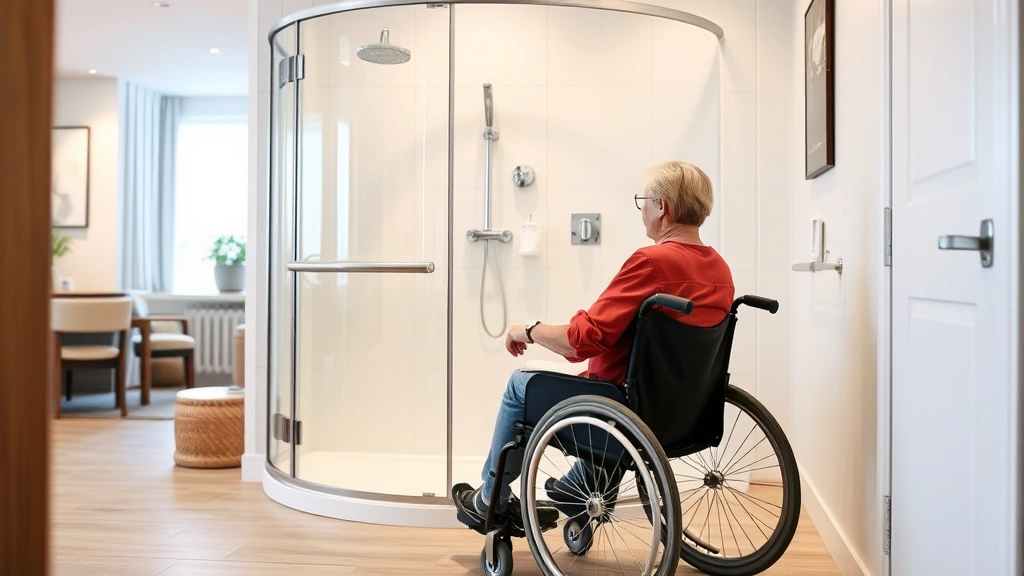
Telehealth for Medical Housing: Expert Insights on Remote Accommodation Documentation
Finding suitable housing that meets your medical needs can be challenging, especially when mobility, health conditions, or accessibility requirements complicate the process. Telehealth has emerged as a transformative solution, enabling individuals to obtain comprehensive medical documentation and expert guidance without leaving their homes. Whether you need an ESA letter for apartment approval or a formal medical letter for apartment accommodation, telehealth providers can deliver the clinical expertise and documentation your landlord or housing authority requires.
This comprehensive guide explores how telehealth services streamline the medical housing accommodation process, the types of documentation available, and how to leverage remote consultations to secure the housing modifications or exemptions you need. We’ll examine real-world applications, expert recommendations, and practical strategies for navigating housing accommodations through virtual healthcare platforms.
How Telehealth Supports Medical Housing Accommodations
Telehealth has revolutionized access to medical expertise for housing-related needs. Traditional in-person medical appointments often require extensive travel, scheduling delays, and time away from work or caregiving responsibilities. For individuals with mobility limitations, chronic illnesses, or disabilities, these barriers can be insurmountable. Telehealth eliminates these obstacles by bringing qualified healthcare professionals directly to your device, whether via video consultation, phone call, or secure messaging.
Medical housing accommodations encompass a broad spectrum of needs: accessible unit modifications, ground floor transfers, allergen-free housing environments, parking accommodations, lease modifications, and emotional support animal designations. Each accommodation type requires specific medical documentation that substantiates the connection between your condition and the requested modification. Telehealth providers specializing in housing accommodations understand these nuanced requirements and can deliver documentation that meets both clinical standards and legal requirements.
The efficiency of telehealth extends beyond convenience. Virtual consultations allow healthcare providers to focus specifically on housing-related medical needs without the overhead of traditional clinical settings. This specialization means providers can craft documentation that directly addresses housing authority requirements, landlord concerns, and Fair Housing Act compliance—all critical elements that generic medical letters often lack.
Types of Medical Documentation Available Through Telehealth
Telehealth platforms offer several categories of medical documentation tailored to housing accommodations:
- Emotional Support Animal (ESA) Letters: An ESA letter obtained online verifies that a mental health professional has established a therapeutic relationship with you and recommends an animal as part of your treatment. These letters override no-pet policies in housing under Fair Housing Act protections.
- Medical Accommodation Letters: A doctor-signed medical letter for apartment accommodation specifies your medical condition, functional limitations, and why particular housing modifications are medically necessary. These letters substantiate requests for ground floor units, accessible parking, or unit-specific accommodations.
- Functional Limitation Verification: A functional limitation verification letter documents specific physical or cognitive limitations that necessitate housing modifications. This documentation is particularly valuable when requesting accessibility features or reasonable accommodations under disability law.
- Housing Accommodation Doctor Letters: A formal doctor letter for housing accommodation combines clinical assessment with explicit housing-related recommendations, directly addressing landlord or housing authority concerns.
- Disability Verification Documents: These confirm your disability status and functional limitations without necessarily recommending specific accommodations, useful for establishing eligibility for accessible housing programs.
Each document type serves distinct purposes within the housing accommodation process. ESA letters address pet-related barriers, while medical accommodation letters target physical accessibility needs. Functional limitation verification supports requests for specific unit features or modifications. Understanding which documentation your situation requires is crucial for successful accommodation requests.
The Telehealth Consultation Process for Housing Needs
A streamlined telehealth consultation for housing accommodations typically follows this pathway:
- Initial Assessment: You complete a detailed intake form describing your medical condition, current housing situation, specific accommodation needs, and any barriers you’re facing. This information helps the provider understand the urgency and nature of your request.
- Provider Matching: You’re connected with a qualified healthcare provider—typically a physician, psychiatrist, or licensed mental health professional—with experience in housing accommodation documentation.
- Virtual Consultation: During a secure video or phone appointment, the provider conducts a thorough medical history, discusses your functional limitations, and explores how your condition impacts your housing needs. This conversation establishes the clinical foundation for your documentation.
- Documentation Development: Based on the consultation, the provider drafts medical documentation that clearly connects your condition to your requested accommodation, using language that satisfies both clinical standards and legal requirements.
- Delivery and Follow-up: Completed documentation is delivered via secure channels, typically within 24-48 hours. Many providers offer revision options if your housing authority requests clarification or additional information.
This process respects your time and health constraints while ensuring documentation quality. Providers familiar with housing law understand what makes documentation persuasive to landlords and housing authorities, increasing the likelihood of accommodation approval.

Obtaining Doctor-Signed Housing Accommodation Letters Online
The legitimacy and effectiveness of online housing accommodation letters depend entirely on proper provider credentials and clinical standards. A genuine doctor letter for housing accommodation must be signed by a licensed healthcare provider with appropriate credentials—MD, DO, PhD in psychology, or licensed clinical social worker—depending on your condition type.
For medical conditions requiring physician assessment (chronic pain, mobility limitations, respiratory conditions), letters should be signed by a licensed medical doctor. For mental health-based accommodations like ESA letters, letters must be signed by a licensed mental health professional who has established a documented therapeutic relationship. This distinction matters legally and ethically.
Effective housing accommodation letters include several key elements:
- Provider credentials and license information
- Clear statement of your diagnosis (using clinical terminology)
- Description of how your condition affects daily functioning and housing needs
- Specific accommodation recommendation(s)
- Clinical rationale explaining why the accommodation is medically necessary
- Provider signature and date
- Contact information for housing authority follow-up questions
Reputable telehealth platforms ensure letters include all required elements and comply with Fair Housing Act standards. They understand that vague or poorly substantiated letters often face landlord rejection, requiring resubmission and delaying your housing process.
Functional Limitations and Accessibility Verification
Housing accommodations are fundamentally about matching your functional limitations to appropriate living environments. Telehealth providers assess functional limitations through targeted questions about your daily activities, mobility, sensory capabilities, and environmental sensitivities.
Common functional limitations addressed through housing accommodations include:
- Mobility Limitations: Difficulty with stairs, requiring ground floor units or accessible parking proximity
- Respiratory Conditions: Need for allergen-free units, specific HVAC requirements, or proximity to medical facilities
- Sensory Impairments: Hearing or vision limitations requiring specific unit features or accessible design elements
- Cognitive or Psychiatric Conditions: Need for quiet environments, reduced noise exposure, or emotional support animal accommodation
- Chemical Sensitivities: Requirements for fragrance-free common areas or specific unit materials
- Immunocompromised Status: Need for isolated units or enhanced cleaning protocols
A functional limitation verification letter translates these medical realities into housing-specific language. Rather than simply stating you have arthritis, it explains how arthritis specifically prevents stair use and why ground floor access is medically necessary. This specificity is what convinces housing authorities to approve accommodations.
Legal Compliance and Documentation Standards
Housing accommodation documentation must comply with several federal frameworks. The Americans with Disabilities Act (ADA) establishes that individuals with disabilities have rights to reasonable accommodations in housing. The Fair Housing Act, enforced by HUD, prohibits housing discrimination based on disability and requires landlords to provide reasonable accommodations upon request with appropriate medical documentation.
Legitimate telehealth providers understand these legal frameworks and ensure documentation meets standards that housing authorities will accept. They know that documentation must establish a genuine medical need (not merely a preference), explain the nexus between your condition and requested accommodation, and be based on actual provider-patient interaction.
Red flags for illegitimate documentation services include:
- Guarantees of approval without medical evaluation
- Willingness to provide documentation without consultation
- Pressure to misrepresent your condition
- Refusal to discuss documentation details or provider credentials
- Pricing that seems unreasonably cheap or expensive
Reputable telehealth services maintain ethical standards, conduct genuine clinical assessments, and deliver documentation that withstands landlord scrutiny and legal challenge. Your documentation is only as valuable as the integrity of the process that created it.
Choosing the Right Telehealth Provider
Selecting a telehealth platform for housing accommodation documentation requires careful evaluation:
- Provider Credentials: Verify that physicians are MD or DO, mental health professionals hold appropriate licenses (LCSW, psychologist, psychiatrist), and all providers are board-certified in relevant specialties.
- Housing Accommodation Expertise: Providers should demonstrate knowledge of Fair Housing Act requirements, landlord expectations, and documentation standards. Experience matters significantly.
- Response Time: Your housing situation may have time-sensitive deadlines. Providers should offer reasonable turnaround times (24-48 hours typically) for documentation delivery.
- Revision and Support: If your housing authority requests clarification, the provider should offer revision services without excessive additional fees.
- Privacy and Security: All consultations and documentation should be delivered through HIPAA-compliant, encrypted platforms.
- Transparent Pricing: Costs should be clearly stated upfront without hidden fees or surprise charges.
- Patient Reviews: Read authentic reviews from individuals who’ve obtained housing documentation through the platform. Focus on comments about documentation acceptance and provider responsiveness.
Many individuals successfully navigate housing accommodations through specialized telehealth platforms that combine clinical expertise with housing-specific knowledge. This combination—medical credibility plus accommodation expertise—is what distinguishes effective documentation from generic letters that housing authorities dismiss.

FAQ
Is an online ESA letter legally valid for housing?
Yes, an online ESA letter is legally valid if issued by a licensed mental health professional (LCSW, psychologist, or psychiatrist) who has established a documented therapeutic relationship with you. The Fair Housing Act does not distinguish between online and in-person assessments; it requires only that the professional have a legitimate basis for their recommendation. However, the letter must be based on genuine clinical interaction, not simply a questionnaire.
How quickly can I obtain medical housing documentation through telehealth?
Most reputable providers deliver documentation within 24-48 hours of consultation. Some offer expedited services for time-sensitive situations. However, faster delivery shouldn’t compromise quality or clinical integrity. The consultation itself typically occurs within 1-7 business days of your initial request.
Will my landlord accept telehealth-based medical documentation?
Landlords must accept medical documentation from licensed providers, regardless of whether the assessment occurred in-person or via telehealth. What matters legally is provider credentials and clinical validity. However, documentation quality significantly impacts acceptance rates. Well-written letters that specifically address housing needs are more likely to be accepted than generic medical statements.
What if my housing authority requests additional information?
Reputable telehealth providers offer revision and clarification services if housing authorities request additional details. You should not need to pay significantly more for revisions, as the provider should have gathered sufficient information during the initial consultation. Some providers include one revision in their base fee.
Can telehealth providers document functional limitations for accessibility modifications?
Yes, qualified providers can assess and document functional limitations that necessitate specific accessibility features like ground floor units, accessible parking, modified bathrooms, or other structural accommodations. These assessments require clinical expertise in understanding how particular diagnoses translate into functional limitations and accessibility needs.
Are there privacy concerns with online housing accommodation consultations?
Legitimate telehealth platforms use HIPAA-compliant, encrypted systems that protect your medical information with the same security standards as traditional healthcare. Your consultation details remain confidential, and only the documentation you authorize is shared with housing authorities.
What documentation should I keep for my records?
Maintain copies of all provider communications, the signed medical documentation, delivery receipts, and any correspondence with your housing authority. These records protect you if disputes arise and provide evidence that you obtained legitimate documentation through appropriate clinical channels.
Can I use the same documentation for multiple housing applications?
Yes, medical documentation is valid across multiple housing applications, provided your medical condition and accommodation needs haven’t changed significantly. However, some housing authorities request documentation dated within a specific timeframe (typically 1-2 years). If your documentation is older, your provider may offer an updated letter confirming that your condition and needs remain unchanged.