Breaking Lease with Doctor Letter: Telehealth Options
Breaking a lease agreement can feel like an impossible situation, especially when health challenges make your current living situation untenable. Fortunately, medical hardship provisions exist in most rental agreements and housing laws, and obtaining a doctor’s letter to break your lease is now easier than ever thanks to telehealth platforms. This comprehensive guide walks you through the process, your legal rights, and how virtual medical consultations can support your lease termination request.
Whether you’re dealing with chronic illness, mobility issues, environmental allergies, or other health conditions that your current apartment exacerbates, a medical professional’s documentation can provide the legal foundation you need. Telehealth options eliminate barriers to access—no need to travel when you’re unwell, no scheduling conflicts with limited office hours, and no waiting weeks for an appointment. Understanding how to leverage these resources effectively can mean the difference between being trapped in an unsuitable living situation and securing the freedom to move.
This article explores the intersection of medical documentation, lease termination rights, and modern telehealth solutions. We’ll examine what makes a doctor’s letter legally compelling, how telehealth providers can help, and the step-by-step process for breaking your lease on medical grounds.

Understanding Medical Hardship Lease Termination
Most lease agreements and rental housing laws include provisions allowing tenants to break their leases under specific circumstances, particularly when remaining in the unit creates a documented medical hardship. These provisions exist because housing is recognized as a social determinant of health—the wrong living environment can actively harm your wellbeing and recovery.
A medical hardship lease termination differs from standard lease breaks. Rather than paying early termination fees or finding a replacement tenant, you’re asserting that continuing your tenancy violates fair housing principles or creates an unsafe health situation. Common qualifying conditions include:
- Respiratory conditions worsened by poor air quality, mold, or pet dander in the unit
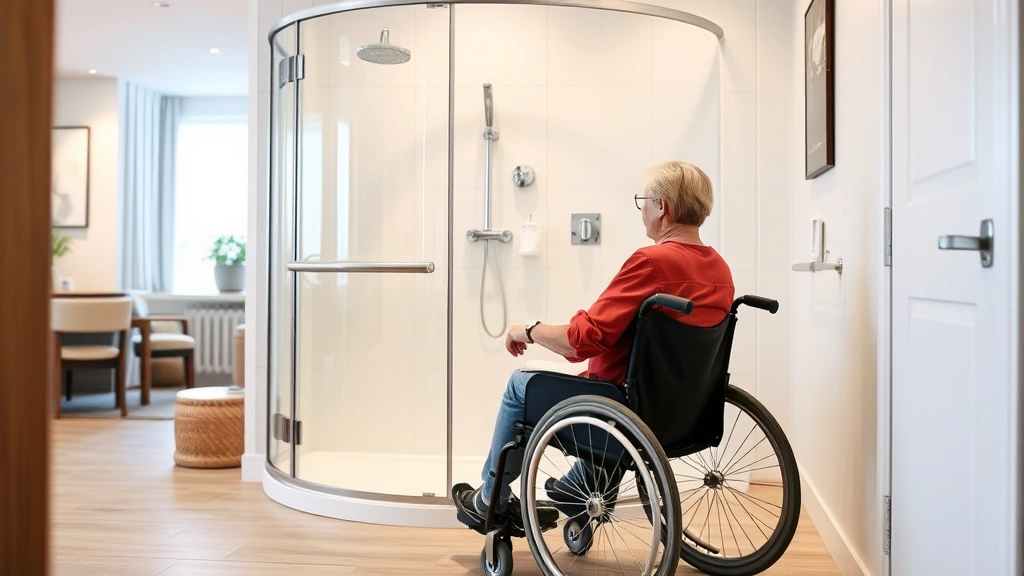
- Mobility impairments that make stairs, lack of accessible parking, or floor level problematic
- Environmental allergies triggered by building materials, nearby construction, or pest issues
- Severe mental health conditions where the current environment impedes recovery
- Immunocompromised status making the building’s ventilation or neighbor density unsafe
- Chronic pain conditions requiring climate control or accessibility features the unit lacks
The key distinction is that your medical condition and the housing unit’s characteristics must have a documented causal relationship. You’re not simply requesting to leave—you’re demonstrating that the lease itself has become incompatible with your health maintenance and treatment plan.

What Makes a Doctor’s Letter Legally Valid
Not all doctor’s letters carry equal weight in lease termination disputes. Landlords, property managers, and courts evaluating your request will scrutinize the medical documentation for specific elements. Understanding these requirements ensures your letter withstands scrutiny and strengthens your position.
A legally defensible medical hardship letter for lease termination should include:
- Provider credentials: The healthcare provider’s full name, license number, specialty, and contact information. Telehealth providers must be licensed in your state and board-certified in relevant specialties.
- Patient identification: Your full name, date of birth, and patient ID number (if applicable), confirming the provider’s treatment relationship with you.
- Diagnosis or functional limitation: The specific medical condition without necessarily disclosing all intimate details. Functional limitations (difficulty climbing stairs, need for climate control) matter more than diagnosis names.
- Causal relationship: Explicit connection between your condition and the current housing unit’s problematic features. For example: “Patient’s moderate asthma is significantly exacerbated by the unit’s inadequate ventilation and visible mold in the bathroom.”
- Medical necessity: Clear statement that remaining in the current unit poses health risks or prevents effective treatment. Phrases like “medically necessary to relocate” or “continued tenancy would substantially impede treatment” are powerful.
- Functional impact: Description of how the housing affects your daily functioning—ability to work, attend school, perform self-care activities.
- Professional recommendation: The provider’s explicit recommendation that you relocate to more suitable housing, not just acknowledgment that your condition exists.
- Timeline: When the medical situation arose and whether it’s permanent or temporary, affecting lease termination duration.
- Provider signature and date: Original signature (or electronic equivalent for telehealth) with current date, sometimes on provider letterhead for additional authority.
Fair Housing Act protections generally prevent landlords from requiring excessive medical detail. The provider doesn’t need to list every symptom or disclose your entire medical history—just enough to establish the medical-housing nexus. Many telehealth platforms now offer reasonable accommodation housing letters specifically formatted to meet these legal standards.
Telehealth Advantages for Medical Documentation
Telehealth has revolutionized access to medical documentation for housing accommodations. Rather than waiting weeks for an appointment with your primary care physician, you can connect with licensed healthcare providers within days—sometimes hours—through video consultation.
The advantages extend far beyond convenience:
- Accessibility for homebound individuals: If your medical condition makes leaving home difficult, telehealth eliminates this barrier entirely. You can have your consultation in your bedroom, living room, or wherever you’re most comfortable.
- Reduced medical costs: Telehealth consultations typically cost $75-200, substantially less than emergency room visits or specialist appointments. Many insurance plans cover telehealth at equal or lower copays than in-person visits.
- Speed of documentation: Many telehealth platforms can generate your medical letter within 24-48 hours of consultation, allowing you to move forward with your landlord communication quickly.
- Specialist access: Rather than relying on a general practitioner unfamiliar with your condition’s housing implications, telehealth connects you with providers specializing in respiratory, mobility, immunology, or mental health issues.
- Documentation designed for housing purposes: Specialized telehealth services like Arvix Health understand fair housing law and create letters specifically formatted and worded to address lease termination requests, not generic medical documentation.
- Continuity and follow-up: Telehealth platforms maintain records and allow follow-up consultations if your landlord requests additional information or clarification about your medical situation.
- Privacy and discretion: Conducting your consultation at home maintains privacy about your health condition—important if you’re concerned about neighbors or building staff’s knowledge of your situation.
Telehealth providers are licensed medical professionals held to identical standards as in-person practitioners. They review your medical history, ask diagnostic questions, examine relevant symptoms through video consultation, and apply their professional judgment to your situation. The resulting documentation carries the same legal weight as a letter from your primary care doctor.
Choosing the Right Telehealth Provider
Not all telehealth platforms are equally suited for housing accommodation documentation. Some focus on acute illness (colds, flu, infections) and aren’t equipped to address chronic conditions or housing-related medical needs. Others operate as prescription mills without genuine clinical evaluation.
When selecting a telehealth provider for your lease termination letter, prioritize:
- Licensing and credentials: Verify the provider is licensed to practice in your state. Board certification in relevant specialties (pulmonology for respiratory issues, rheumatology for mobility conditions, psychiatry for mental health) strengthens your documentation’s credibility.
- Experience with housing accommodations: Providers familiar with fair housing law and accommodation documentation understand what language and evidence landlords and courts expect. They won’t minimize your condition or fail to establish the necessary medical-housing nexus.
- Comprehensive consultation: Legitimate providers spend 20-45 minutes discussing your medical history, current symptoms, how your condition affects daily functioning, and specific housing-related challenges. If a consultation lasts only 5-10 minutes, the provider likely isn’t conducting adequate evaluation.
- Transparent pricing: Reputable platforms clearly state consultation fees upfront. Watch for hidden charges or bait-and-switch pricing where the consultation costs $50 but the letter costs $300 additional.
- Letter quality and specificity: Ask for sample letters or ask what the letter will include. Providers should offer personalized documentation addressing your specific condition and housing situation, not form letters with blanks filled in.
- Legal compliance awareness: The provider should understand ADA, Fair Housing Act, and state-specific tenant rights. They should know that letters must establish medical necessity without violating privacy boundaries.
- Follow-up support: Choose platforms offering follow-up consultations if your landlord requests clarification or if your situation evolves. Some providers offer unlimited follow-ups; others charge per consultation.
Services like housing accommodation letters specifically designed for this purpose often provide superior results compared to generic telehealth platforms, as they combine licensed medical providers with housing law expertise.
Step-by-Step Process for Obtaining Your Letter
Once you’ve identified an appropriate telehealth provider, the process for obtaining your doctor’s letter follows a logical sequence:
Step 1: Gather Your Medical Information
Before your consultation, compile relevant medical records, medications, previous diagnoses, and treatment history. Document how your current housing specifically affects your health—which symptoms worsen, when they occur, and what housing features trigger them. Photos of problematic conditions (visible mold, inadequate ventilation, accessibility barriers) can strengthen your case, though they’re not required for the medical letter.
Step 2: Schedule Your Telehealth Consultation
Most platforms allow online scheduling within 24-72 hours. Choose a time when you’re feeling relatively well and can focus on clearly explaining your situation. Ensure you have reliable internet, a quiet space, and won’t be interrupted during the consultation.
Step 3: Complete Your Consultation
During the video appointment, be thorough and honest about your symptoms and limitations. The provider will ask about your diagnosis, current treatments, how the condition affects work/school/daily activities, and specifically how your current housing worsens your condition. Don’t minimize symptoms to seem more “functional”—providers understand that chronic conditions are variable and situational.
Step 4: Discuss Documentation Needs
Explicitly tell the provider you need documentation for a lease termination request. Explain what aspects of your housing are problematic and how they relate to your medical condition. A good provider will ask clarifying questions to ensure the letter will be compelling to your landlord.
Step 5: Review and Receive Your Letter
Most providers deliver your letter within 24-48 hours, often via secure portal or email. Review it carefully to ensure it addresses your specific situation and includes all necessary elements. If something seems incomplete or inaccurate, contact the provider for revisions before proceeding.
Step 6: Keep Multiple Copies
Print or save several copies of your letter. You’ll need one for your landlord, potentially one for your lease termination request documentation, and one for your personal records. Consider having the provider send an official copy directly to your landlord if they’re willing, as this adds authenticity.
Presenting Your Medical Documentation to Your Landlord
How you present your doctor’s letter significantly impacts its effectiveness. This isn’t simply about handing over a document—it’s about framing your request within legal and professional parameters.
Written Communication
Submit your request formally in writing, preferably via certified mail or email with read receipt. Your letter should:
- Reference your lease and specific lease termination provisions
- Explain that you’re invoking medical hardship provisions
- Attach your doctor’s letter without excessive additional explanation
- Specify your desired move-out date (typically 30-60 days from the request)
- Offer to discuss reasonable accommodations if termination isn’t necessary
- Maintain a professional, non-confrontational tone
Privacy and Fair Housing Awareness
Your landlord is legally prohibited from requesting excessive medical detail or discriminating based on your disability. They can’t ask for your diagnosis, full medical history, or specific medications. The doctor’s letter should provide enough information to establish medical necessity without crossing into privacy violation. If your landlord requests additional medical information beyond what the letter provides, consult a fair housing organization before responding.
Documentation of Communication
Keep copies of all correspondence with your landlord. If they deny your request, you may need to demonstrate that you made a good-faith attempt to resolve the situation. Written communication creates a clear record.
Escalation if Necessary
If your landlord denies your medical hardship request without legitimate reason, you may file a complaint with your local HUD Fair Housing office or state housing authority. Many landlords will honor reasonable medical hardship requests once they understand the legal implications of denial.
Legal Protections and Fair Housing Laws
Your right to break a lease on medical grounds isn’t simply a courtesy—it’s grounded in federal and state law. Understanding these protections empowers you to advocate effectively for your housing needs.
Fair Housing Act Protections
The Fair Housing Act prohibits housing discrimination based on disability. This includes refusing reasonable accommodations—which can include lease termination when your disability and the housing unit are incompatible. Landlords cannot legally deny a medical hardship request simply because it’s inconvenient for them.
Americans with Disabilities Act (ADA)
The ADA extends fair housing protections and requires housing providers to make reasonable accommodations for people with disabilities. While the ADA traditionally focused on physical accessibility, courts increasingly recognize that allowing lease termination for medical hardship is a reasonable accommodation.
State and Local Tenant Rights
Many states have specific provisions allowing lease termination for medical hardship, domestic violence, or serious illness. Some jurisdictions require landlords to accept medical documentation without excessive verification. Research your state’s tenant protection laws—your local legal aid society can provide information.
Avoiding Retaliation
Fair housing law prohibits landlord retaliation for asserting your legal rights. If you request lease termination on medical grounds and your landlord subsequently increases rent, reduces services, or threatens eviction as retaliation, these actions are illegal. Document any retaliatory behavior and report it to housing authorities.
A doctor-signed medical hardship letter provides the documentary foundation for these legal protections. Without it, your claim to medical necessity is unsubstantiated; with it, you have professional evidence supporting your position.