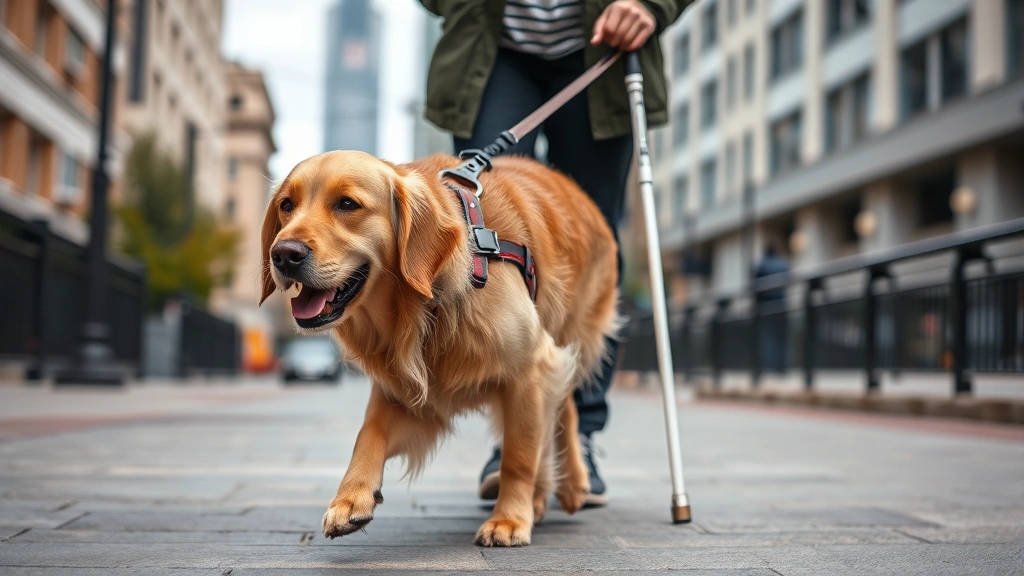
Service Animal Qualifications: Expert Insights
Understanding what qualifies as a service animal is essential for individuals with disabilities, landlords, employers, and the general public. Service animals play a critical role in enabling people with disabilities to live independently and safely. However, the term “service animal” is often confused with emotional support animals (ESAs) and therapy animals, leading to misconceptions about legal protections and access rights. This comprehensive guide clarifies the legal definition of service animals, explains their qualifications, and outlines the documentation requirements that validate their status under the Americans with Disabilities Act (ADA).
The distinction between a service animal, an emotional support animal, and a therapy animal has significant legal implications. Only service animals receive the full protections of the ADA, allowing them access to public spaces where pets are typically prohibited. Understanding these differences ensures that individuals with disabilities receive appropriate accommodations while maintaining public safety and preventing fraud. Whether you’re seeking to understand your rights as a service animal handler, verify an animal’s status, or obtain proper documentation, this guide provides the authoritative information you need.
Legal Definition of Service Animals
Under the Americans with Disabilities Act (ADA), a service animal is defined as a dog (or in some cases, a miniature horse) that has been individually trained to perform specific tasks or do work for a person with a disability. The disability must substantially limit one or more major life activities, such as walking, seeing, hearing, breathing, learning, or working. The key distinction is that the animal must be trained to perform disability-related tasks—not simply provide comfort or emotional support through its presence.
The ADA’s definition is narrowly tailored to ensure that only animals meeting strict criteria receive the legal protections of service animals. This definition protects legitimate service animal handlers while preventing fraud and misrepresentation. Service animals are working animals, not pets, and their training and purpose differ fundamentally from companion animals. The federal definition establishes a clear standard that applies across all states, though some states may provide additional protections for service animals beyond the ADA baseline.
It’s important to note that the ADA definition is the federal standard, but other laws may provide broader definitions. For example, some states recognize additional service animal species or provide enhanced protections. However, when discussing ADA-compliant service animals, the federal definition is the primary reference point for public access rights and legal accommodations.
ADA Qualifications and Requirements
To qualify as a service animal under the ADA, several strict criteria must be met. First, the handler must have a documented disability as defined by the ADA. A disability is a physical or mental impairment that substantially limits one or more major life activities. Common disabilities that qualify for service animals include mobility impairments, blindness, deafness, psychiatric disabilities, seizure disorders, autism, and diabetes. The disability must be verifiable through medical documentation, and individuals seeking ADA compliant service animal documentation should work with qualified healthcare providers.
Second, the animal must be individually trained to perform specific, disability-related tasks. These tasks must be directly related to the person’s disability and provide a meaningful benefit. Simply being trained as a general service animal is insufficient; the training must address the specific needs of the handler. The training process typically takes 18 months to two years and involves extensive socialization, obedience, and task-specific instruction. Professional service animal organizations maintain rigorous training standards to ensure that animals can perform reliably in public settings.
Third, the animal must demonstrate reliable task performance and appropriate public behavior. Service animals must be under control at all times, respond to handler commands, and behave appropriately in public spaces. The animal should not pose a safety risk to the public and must be housetrained and non-aggressive. These behavioral standards ensure that service animals can safely access public accommodations without disrupting others or creating safety hazards.
Fourth, service animals must be dogs or miniature horses (in rare cases). While other animals may provide emotional support or therapeutic benefits, only dogs and miniature horses meet the ADA definition of service animals. This species limitation ensures consistency in regulation and public safety standards. Miniature horses must meet additional requirements, including being individually trained, under handler control, and appropriately sized and harnessed for public spaces.
Task Training and Disability Work
The cornerstone of service animal qualification is task training. A service animal must be trained to perform one or more specific tasks that directly mitigate the effects of the handler’s disability. These tasks are not emotional support or comfort behaviors; they are functional actions that enable the person with a disability to perform activities they could not otherwise do independently. Examples of service animal tasks include guiding individuals who are blind, alerting individuals who are deaf to sounds, pulling wheelchairs, retrieving items, providing stability for individuals with mobility impairments, alerting to seizures, and detecting blood sugar changes in individuals with diabetes.
Task training requires extensive professional instruction and often takes years to complete. Service animal organizations employ certified trainers who work with dogs from puppyhood, teaching basic obedience, public behavior, and specific disability-related tasks. The training process is rigorous and expensive, often costing $15,000 to $30,000 or more. This investment reflects the complexity of preparing an animal to work reliably in unpredictable public environments while responding precisely to handler commands.
Some individuals with disabilities train their own service animals, though this requires significant expertise and time commitment. Owner-trained service animals must meet the same functional and behavioral standards as professionally trained animals. However, owner-training is less common due to the specialized knowledge required. Individuals considering owner-training should consult with certified trainers and disability service organizations to ensure their animal meets ADA standards. For those seeking professional assistance, obtaining proper service dog documentation for housing is an important step in establishing legal recognition.
Types of Service Animals
Service animals are trained to address a wide range of disabilities, resulting in different specializations and task focuses. Guide dogs assist individuals who are blind or have significant vision impairments by navigating obstacles, detecting stairs, and stopping at curbs. These animals undergo extensive training to safely navigate complex environments while responding to handler commands. Hearing dogs alert individuals who are deaf or hard of hearing to important sounds, including doorbells, alarms, crying babies, and approaching vehicles. These animals use touch cues to alert their handlers and then indicate the direction of the sound.
Mobility assistance dogs help individuals with physical disabilities by pulling wheelchairs, retrieving items, opening doors, and providing stability during standing or walking. These dogs are typically large breeds with the strength to perform physical tasks. Psychiatric service animals are trained to assist individuals with mental health conditions by providing grounding during anxiety attacks, creating physical barriers during panic episodes, or retrieving medications. Seizure alert dogs can detect subtle changes that precede seizures and alert the handler to seek safety. Diabetic alert dogs detect changes in blood glucose levels and alert handlers before dangerous highs or lows occur.
Autism service animals assist individuals with autism by providing deep pressure therapy, preventing elopement, and interrupting repetitive behaviors. Allergy alert dogs are trained to detect and alert handlers to the presence of allergens. Each type of service animal requires specialized training tailored to the handler’s specific disability and needs. The diversity of service animal types reflects the varied disabilities they support and the importance of individualized training.
Service Animals vs. Emotional Support Animals
One of the most common sources of confusion is the distinction between service animals and emotional support animals (ESAs). While both provide valuable support to individuals with disabilities, they have different legal definitions and access rights. Service animals are trained to perform specific tasks, as discussed above. Emotional support animals, by contrast, provide comfort through their presence and companionship but are not trained to perform specific disability-related tasks. An ESA’s primary benefit is the emotional comfort and support it provides to its owner, not task performance.
This distinction has significant legal implications. Service animals have public access rights under the ADA, meaning they can accompany their handlers in public spaces where pets are normally prohibited, including restaurants, stores, and public transportation. Emotional support animals do not have these same public access rights. However, ESAs do receive housing protections under the Fair Housing Act (FHA), allowing them to live in housing with no-pet policies when the owner has a disability-related need for the animal. For individuals seeking housing accommodations, understanding emotional support animal letters for anxiety and other conditions is important.
The legal framework recognizes that while ESAs provide genuine therapeutic benefits, the specific task training that defines service animals enables a different level of independence and public participation for individuals with disabilities. Both service animals and ESAs are legitimate accommodations, but they serve different purposes and receive different legal protections. Misrepresenting an ESA as a service animal is fraudulent and undermines the credibility of legitimate service animal handlers. Conversely, individuals who qualify for an ESA should understand that they may not have the same public access rights as service animal handlers, but they may have housing protections. Learn more about ESA letter requirements to ensure proper documentation.
Documentation and Verification
While the ADA does not require service animals to wear specific identification or carry documentation, having proper documentation is valuable for handlers. Documentation establishes the legitimacy of the service animal and can prevent conflicts or denial of access. Service animal documentation typically includes a letter from a licensed healthcare provider confirming the handler’s disability and need for a service animal. This letter does not need to specify the tasks the animal performs; the ADA limits questions about service animals to two specific inquiries: whether the animal is required due to a disability and what tasks the animal performs.
Legitimate service animal organizations issue documentation that may include the handler’s information, the animal’s description, and certification that the animal has been trained to perform disability-related tasks. Some organizations provide ID cards or vests that help identify service animals in public. However, no official federal service animal registry exists, and handlers should be cautious of websites claiming to register or certify service animals for fees. The ADA does not require registration, and fraudulent registries undermine legitimate service animal verification.
For individuals seeking to establish or verify service animal status, working with reputable organizations is essential. Professional service animal organizations maintain training standards and provide legitimate documentation. Individuals who have trained their own service animals may work with veterinarians or certified trainers to document the animal’s training and task performance. For housing-related accommodations, obtaining doctor-signed general disability confirmation can support service animal verification in residential settings.
Documentation becomes particularly important in housing contexts, where landlords may request verification of service animal status. The Fair Housing Act allows landlords to request reliable documentation of the disability and disability-related need for the animal, though they cannot ask specific questions about the disability itself. Proper documentation helps establish the legitimacy of the service animal and prevents unnecessary disputes. For those navigating housing accommodations with service animals, understanding lease modification for medical necessity options is also valuable.

Public Access Rights
One of the most significant benefits of service animal qualification is public access rights under the ADA. Service animals are permitted to accompany their handlers in all areas of public accommodations where members of the public are normally allowed, including restaurants, stores, hotels, airplanes, and public transportation. This access right is fundamental to the independence and dignity of individuals with disabilities who rely on service animals.
Businesses and public accommodations cannot deny access to a service animal handler or charge additional fees for the service animal. They also cannot segregate service animal handlers or require them to sit in specific areas. However, if a service animal is disruptive or poses a direct threat to safety, the business may ask the handler to remove the animal. Additionally, if the animal is not under control or is not housetrained, the handler may be asked to leave. These exceptions are narrowly defined to protect legitimate service animal access while allowing businesses to address genuine safety or sanitation concerns.
Service animal handlers should be prepared to answer the two ADA-permitted questions if challenged: (1) Is the animal required because of a disability? (2) What task or tasks does the animal perform? Handlers are not required to provide documentation, demonstrate the animal’s tasks, or answer other questions. However, having documentation available can help resolve disputes quickly and professionally. Understanding these access rights empowers individuals with disabilities to confidently navigate public spaces with their service animals.
FAQ
Can any dog become a service animal?
Not all dogs can become service animals. Service animals require specific temperament traits, including intelligence, trainability, and appropriate public behavior. Dogs must be healthy and able to tolerate the demands of training and public work. Most service animal organizations select dogs carefully based on these criteria, and some dogs are released from training programs if they don’t meet the behavioral or physical requirements. Breed size and physical capabilities also matter depending on the tasks required.
How long does it take to train a service animal?
Service animal training typically takes 18 months to two years or longer, depending on the complexity of the tasks and the individual animal’s progress. Some specialized service animals, such as diabetic alert dogs, may require even longer training periods. The extensive timeline reflects the rigorous standards required for reliable task performance in public settings.
Do service animals need to wear vests or ID?
The ADA does not require service animals to wear vests, harnesses, or identification. However, many handlers choose to use these items to identify their service animals and prevent interference from the public. Some vests indicate the animal is a service animal, which can reduce unwanted interactions. However, handlers should be aware that wearing a vest does not guarantee the animal is legitimate, and fraudulent service animals sometimes wear vests to gain inappropriate access.
Can a landlord deny housing to a service animal handler?
No. Under the Fair Housing Act, landlords must make reasonable accommodations for service animals, even in housing with no-pet policies. Landlords can request reliable documentation of the disability and disability-related need for the animal, but they cannot deny housing based on the service animal’s presence if proper documentation is provided. Unlawful denial of housing to service animal handlers is a form of disability discrimination.
Is there a federal service animal registry?
No. The ADA does not establish or recognize an official federal service animal registry. Online registries that charge fees for registration are not legitimate, and registration is not required by law. Handlers should obtain documentation from reputable service animal organizations or licensed healthcare providers rather than relying on online registries.
Can emotional support animals access public spaces like service animals?
No. Emotional support animals do not have the same public access rights as service animals. While service animals can accompany handlers in public accommodations, emotional support animals are not permitted in most public spaces. However, emotional support animals do have housing protections under the Fair Housing Act and may be allowed in housing with no-pet policies when the owner has a documented disability-related need.
What should I do if a business denies access to my service animal?
If a business denies access to your service animal, you can file a complaint with the Equal Employment Opportunity Commission (EEOC) or the Department of Justice Civil Rights Division. You can also contact your state’s disability rights organization or consult with an attorney. Having documentation of your service animal’s legitimate status and the denial of access will strengthen your complaint.
Can I train my own service animal?
Yes, individuals can train their own service animals, though this requires significant expertise and time commitment. Owner-trained service animals must meet the same functional and behavioral standards as professionally trained animals. If you’re considering owner-training, consult with certified trainers and disability service organizations to ensure your animal meets ADA standards. Professional training organizations can also provide guidance and support.