Medical Accommodation Letter: Apartment Rights Guide
Living with a medical condition or disability shouldn’t mean compromising your housing stability or comfort. A medical accommodation letter for your apartment is a legally protected tool that empowers you to request necessary modifications, accessibility features, or policy exceptions from your landlord. Whether you need a ground-floor unit due to mobility limitations, allergen-free housing for severe allergies, or a service animal exemption from pet restrictions, understanding your rights and how to obtain proper documentation is essential.
This guide walks you through the apartment accommodation letter process, explaining what qualifies as a legitimate request, how to obtain one from a healthcare provider, and how to present it effectively to your landlord. We’ll also cover the legal protections that back your request under the Fair Housing Act and ADA, ensuring you know exactly where you stand.

What Is a Medical Accommodation Letter for Apartments?
A medical accommodation letter is a formal document from a licensed healthcare provider that verifies you have a disability or medical condition and explains why you need a specific accommodation in your housing. Unlike a generic letter, a legitimate accommodation letter includes clinical details about your condition’s impact on major life activities and how the requested accommodation would mitigate that impact.
The letter serves as evidence that your request is medically necessary—not a preference. Common accommodations include:
- Permission to keep an emotional support animal despite pet restrictions
- Transfer to a ground-floor or accessible unit
- Modification of lease terms for medical reasons
- Allergen-free or fragrance-free housing
- Accessible parking or reserved parking space
- Service animal accommodation (distinct from ESA)
The critical distinction is that a medical accommodation letter documents a functional limitation—something about your condition that prevents you from enjoying housing on equal terms with others. This is different from simply having a diagnosis.

Legal Framework: Fair Housing & ADA Protection
Your right to request a medical accommodation is protected by two major federal laws:
- Fair Housing Act (FHA): This law prohibits discrimination based on disability in all aspects of housing, including rental, financing, and terms of tenancy. It requires landlords to make reasonable accommodations in rules, policies, or physical features when necessary to afford a person with a disability equal opportunity to use and enjoy a dwelling.
- Americans with Disabilities Act (ADA): While primarily focused on employment and public accommodations, the ADA’s principles reinforce housing accessibility rights, particularly for multi-unit properties.
According to the U.S. Department of Housing and Urban Development (HUD), landlords cannot:
- Refuse to rent to you because of a disability
- Deny a reasonable accommodation request without documentation
- Impose additional fees for accommodations (such as ESA pets)
- Require you to disclose your specific diagnosis if the functional limitation is evident
- Refuse reasonable requests for lease modification
However, the accommodation must be “reasonable”—meaning it doesn’t fundamentally alter the landlord’s business or create undue hardship. A request for a free apartment isn’t reasonable, but a request for a modified lease or unit transfer typically is.
Common Types of Apartment Accommodation Requests
Service Animal & ESA Accommodations: If you have a service animal trained to perform tasks for a disability or an emotional support animal that provides comfort through companionship, you can request a waiver of pet restrictions. An accommodation letter for housing should specify the animal’s role and how it mitigates your disability.
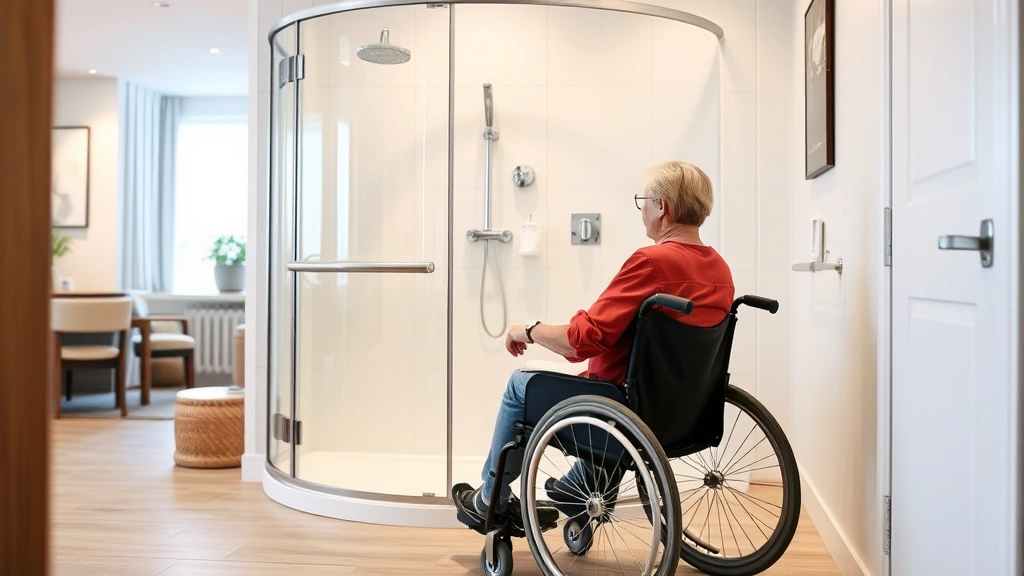
Accessibility Modifications: You may request physical modifications like grab bars, ramps, or widened doorways if you use mobility aids. Some requests are landlord-funded; others you may fund yourself. The letter should explain your mobility limitations and how the modification enables independence.
Unit Transfer or Ground Floor: If stairs, elevators, or noise trigger your condition, you can request a specific unit type. Chronic pain, vertigo, PTSD, and respiratory conditions commonly justify this request. Your letter should connect the unit feature directly to symptom management.
Lease Modification: You might request early lease termination for medical relocation, flexibility in move-in dates, or modified quiet hours. A doctor-signed lease modification letter documents medical necessity for policy exceptions.
Environmental Accommodations: Requests for fragrance-free common areas, allergen-free units, or reduced chemical exposure are increasingly recognized. Your provider should document the severity of your allergic or chemical sensitivities and the impact on your health.
How to Obtain a Legitimate Medical Accommodation Letter
Step 1: See Your Healthcare Provider
Schedule an appointment with a licensed healthcare provider who knows your condition—a physician, psychiatrist, psychologist, nurse practitioner, or physician assistant. They must have an established medical relationship with you (typically at least one visit). Telehealth providers are acceptable if licensed in your state.
Explain that you need documentation for a housing accommodation. Be specific: “I need a letter stating I have a disability and require a ground-floor unit due to my mobility limitations” or “I need documentation that an emotional support animal is medically necessary for my anxiety disorder.”
Step 2: Understand What the Letter Should Include
A legitimate medical accommodation letter contains:
- Provider’s letterhead, license number, and contact information
- Your name and date of the letter
- Confirmation of your diagnosis (or general description of disability if you prefer privacy)
- How long the provider has known you
- Description of functional limitations—what your condition prevents you from doing
- Explanation of how the specific accommodation addresses those limitations
- Provider’s professional opinion that the accommodation is medically necessary
- Provider’s signature and credentials
The letter should NOT include sensitive details like medication names, mental health diagnoses (unless relevant to the request), or treatment history. It’s about functional need, not diagnosis.
Step 3: Request a Functional Limitation Letter
Ask your provider for a functional limitation verification letter for housing. This focuses on what your condition prevents you from doing, not your diagnosis. For example: “The patient has a mobility disability that prevents climbing stairs without significant pain and functional impairment.”
Step 4: Review and Request Modifications
Before submitting to your landlord, review the letter. It should be professional, specific to your request, and clearly connect your disability to the accommodation. If it’s vague (“Patient needs accommodation”), ask the provider to be more specific.
Step 5: Know Your Privacy Rights
You don’t have to disclose your diagnosis. Many providers can write a letter saying “patient has a disability that requires X accommodation” without naming the condition. Landlords are entitled to verify you have a disability, not to know what it is.
Presenting Your Request to Your Landlord
Timing: Submit your request as soon as you know you need the accommodation. Ideally, do this before signing a lease or immediately upon moving in if the need arises later.
Format: Send a formal written request via email or certified mail. Include:
- A brief explanation of the accommodation you’re requesting
- How it relates to your disability or medical condition
- Your medical provider’s letter (enclosed but not detailed in your message)
- A request for a written response within a reasonable timeframe (typically 5-10 business days)
Example: “I am requesting a reasonable accommodation under the Fair Housing Act. Due to a mobility disability documented by my healthcare provider, I request a transfer to a ground-floor unit. Please see the attached letter from my physician. I look forward to discussing this with you.”
What Happens Next: The landlord may:
- Approve: They agree to the accommodation, sometimes with conditions (e.g., you pay for modifications).
- Request More Information: They may ask clarifying questions about the letter or request additional documentation. This is legal if reasonable.
- Deny: They must provide a written reason. Denials are often illegal unless the accommodation creates undue hardship or fundamentally alters the housing.
Keep all documentation. If your request is denied unreasonably, you can file a complaint with HUD or consult a fair housing attorney.
ESA Letters vs. Service Animal Documentation
Many people confuse emotional support animal letters with service animal documentation. Understanding the difference is crucial for apartment accommodations:
Emotional Support Animals (ESA): An ESA provides comfort through companionship and is prescribed by a mental health provider. ESAs don’t require training and aren’t public access animals. Under the FHA, landlords must allow ESAs despite pet restrictions. However, they can still charge pet deposits unless state law prohibits it.
Service Animals: Trained to perform specific tasks for a disability (guide work, seizure alert, PTSD tasks). Under the ADA, service animals are not considered pets and cannot be restricted. Only dogs and miniature horses qualify as service animals under federal law.
Your letter should clearly identify which category applies. An ADA disability verification letter for a service animal differs from an ESA accommodation letter.
Frequently Asked Questions
Can a landlord deny my accommodation request?
Only if the accommodation creates undue financial or administrative burden or fundamentally alters the property. Most reasonable requests—unit transfers, ESA allowances, lease modifications—cannot be legally denied if properly documented.
What if my provider refuses to write the letter?
If your provider won’t document a legitimate medical need, seek a second opinion. Many providers are unfamiliar with housing accommodation laws but will cooperate once you explain. Telehealth services specializing in accommodation letters are also available.
Can my landlord ask for my diagnosis?
No. They can ask about functional limitations (“Does this prevent you from climbing stairs?”) but not your specific diagnosis. Your provider can write the letter without naming the condition.
Do I have to pay for modifications?
It depends. Accessibility modifications required by law (ADA) are typically landlord-funded. Other modifications may be split or your responsibility. Your accommodation letter and local law determine this.
What if I’m denied and believe it’s illegal?
File a complaint with HUD’s Fair Housing Complaint Center within one year. You can also consult a disability rights attorney. Many organizations offer free legal aid for housing discrimination.
Can my landlord charge extra for an ESA?
They cannot charge an “ESA fee,” but some states allow pet deposits. Check your state’s fair housing law. Federal law (FHA) prohibits additional charges for reasonable accommodations.
How often do I need to renew my letter?
Once submitted, your letter is valid for that accommodation request unless the landlord challenges it. If your condition changes or you move, you may need an updated letter. Keep copies for your records.
Is an online accommodation letter legitimate?
Only if issued by a licensed provider in your state with a real medical relationship with you. Online letters from unlicensed sources or without genuine provider review are fraudulent and won’t protect you legally.
Conclusion: A medical accommodation letter is a powerful legal tool that protects your housing rights. By understanding what qualifies as a legitimate request, obtaining proper documentation from a real healthcare provider, and presenting it professionally to your landlord, you can secure the accommodations you need. Remember, the Fair Housing Act is on your side—landlords must engage in an interactive process with you to find reasonable solutions. If you face discrimination, don’t hesitate to reach out to disability rights organizations or the EEOC for guidance.