Online Medical Housing Accommodations: Expert Tips
Navigating housing accommodations for medical conditions has become significantly easier with telehealth and online services. Whether you need modifications to your living space, require specific accessibility features, or need documented evidence of your medical needs, obtaining official medical documentation online streamlines the entire process. This comprehensive guide explores how to secure legitimate medical housing accommodations through verified online channels, understand your rights under fair housing laws, and present your case effectively to landlords and housing authorities.
Medical housing accommodations are reasonable adjustments that property owners and managers must provide under the Fair Housing Act and similar legislation. These can range from allowing emotional support animals in no-pet buildings to modifying units for mobility impairments or creating allergen-free environments. The challenge many people face is obtaining credible medical verification online without navigating confusing processes or encountering fraudulent services. Understanding legitimate pathways ensures your request is taken seriously and legally protected.
Understanding Medical Housing Accommodations
Medical housing accommodations represent formal, legal adjustments to housing terms, conditions, or physical spaces made necessary by documented medical conditions. Unlike general requests or preferences, accommodations are protected rights when your condition creates functional limitations that impact housing access. A person with severe asthma may require an allergen-free unit; someone with mobility challenges might need ground-floor placement or accessible parking; individuals with psychiatric conditions may need emotional support animal housing approval.
The distinction between what landlords must provide and what they can refuse hinges on documentation. Online medical services have democratized access to legitimate verification by connecting individuals with licensed healthcare providers who can assess conditions and provide official letters. These letters serve as the foundation of your accommodation request, making the difference between approval and denial. Understanding this process protects you from predatory services offering fake letters while ensuring you obtain genuine documentation recognized by housing authorities.
Medical housing accommodations differ fundamentally from service animals or disability benefits. They specifically address how your living environment must be modified to provide equal access. This might include physical modifications (ramps, grab bars, accessible bathrooms), policy exceptions (pet policies, guest policies), or unit-specific features (ground-floor units, units near elevators, units away from allergen sources). Each accommodation ties directly to functional limitations documented by qualified healthcare professionals.

Online Verification and Documentation
Obtaining medical housing accommodation documentation online requires engaging with licensed healthcare providers through telemedicine platforms. The process begins with a virtual consultation where a qualified physician or mental health professional evaluates your medical condition, its functional limitations, and how it impacts your ability to access housing. This assessment must be thorough and specific—generic letters carry less weight with housing authorities.
Legitimate online medical services verify provider credentials, require detailed health histories, and create customized letters addressing your specific situation. Disability verification letters for apartments obtained through credible platforms include essential elements: the provider’s license number and credentials, specific diagnosis information (when appropriate), functional limitations caused by the condition, and how the requested accommodation addresses those limitations. Avoid services promising instant letters without consultation or charging suspiciously low fees.
The documentation you receive becomes your formal request to your landlord or housing provider. Medical disability documentation obtained online must meet legal standards to be taken seriously. This means it should come from a licensed provider in your state, address your specific condition and functional limitations, explain the nexus between your condition and the requested accommodation, and be presented on official letterhead. Professional online services provide exactly this standard of documentation.
Timeline matters when pursuing online accommodations. Begin the process well before your lease renewal, move-in date, or when you first identify the need. Online consultations typically occur within days, and documentation arrives within one to two weeks. This advance notice prevents rushed decisions and gives landlords adequate time to process your request formally. Many housing disputes arise from last-minute requests that appear suspicious or fail to follow proper procedures.
Types of Housing Accommodations
Housing accommodations span physical modifications, policy exceptions, and unit-specific placements. Understanding which category your needs fall into helps frame your request appropriately and ensures you’re asking for legally defensible accommodations.
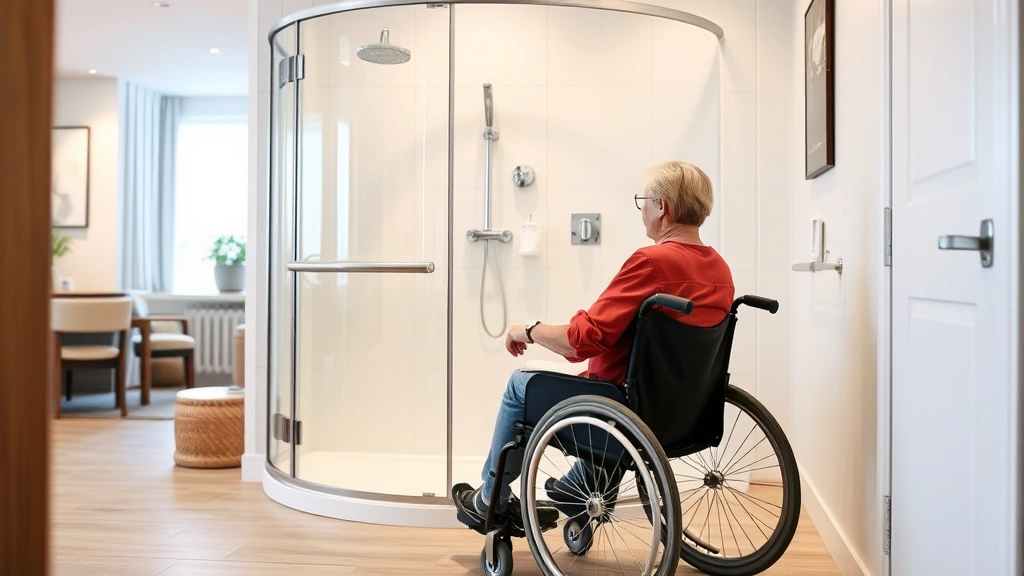
Physical Modifications alter the rental unit itself. Common examples include installing grab bars in bathrooms for individuals with mobility impairments, widening doorways for wheelchair access, installing ramps at entrances, modifying kitchen cabinets for reach accessibility, or installing accessible lighting controls. Landlords must allow these modifications when they’re necessary for equal housing access, though they may require specific contractors or approval processes. Costs typically fall to the landlord, though some jurisdictions allow negotiation of responsibility.
Policy Exceptions override standard lease terms when medically necessary. The most common example is emotional support animal letters for housing, which exempts qualifying individuals from no-pet policies. Other policy exceptions include permission for caregivers to remain longer than standard guest policies allow, exemptions from breed or size restrictions for service animals, permission to install medical equipment that might violate lease terms, or flexibility with lease termination due to medical relocation needs.
Unit-Specific Placements require assignment to particular units based on medical need. Ground-floor units benefit individuals with mobility challenges, cardiac conditions, or severe asthma. Units near elevators accommodate those with limited walking capacity. Units away from allergen sources help people with severe environmental allergies. Units on quiet floors support individuals with sensory processing disorders or PTSD. These accommodations don’t modify the unit but ensure you’re placed in an existing unit that meets your medical requirements.
Service and Support Animal Accommodations guarantee housing for animals performing medical functions. Service animals trained to perform specific tasks for people with disabilities are legally distinct from emotional support animals. Both require functional limitation verification through telehealth, but service animals have different housing protections under the ADA. Understanding this distinction prevents miscommunication with housing providers.
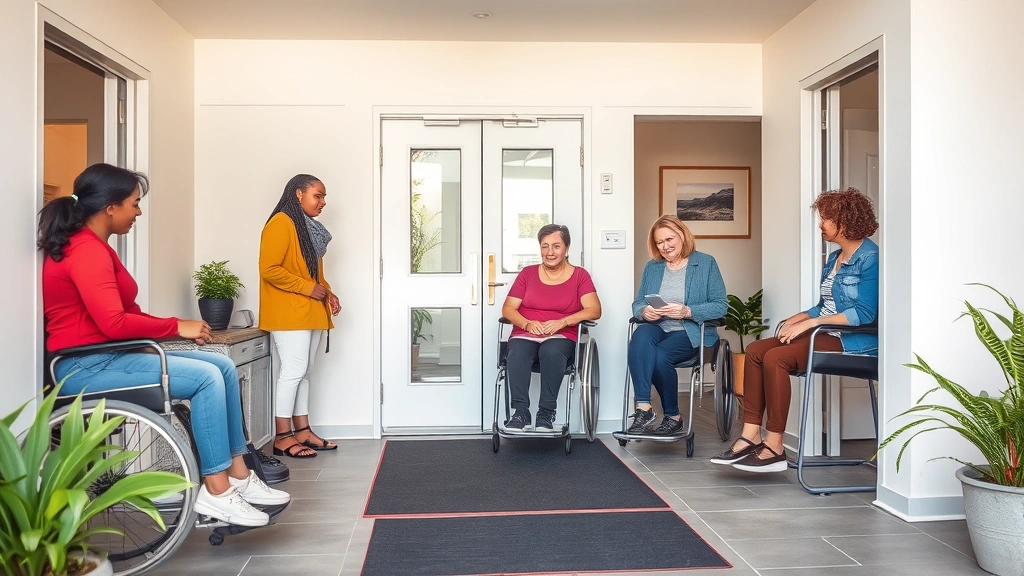
Accessibility Features ensure common areas and building amenities are accessible. While individual unit modifications are the primary accommodation focus, requests for accessible parking, accessible entrances, accessible laundry facilities, or other building-wide features are also valid when medically necessary. These often require coordination with building management and may involve multiple tenants.
Legal Framework and Your Rights
Your right to medical housing accommodations is protected by federal law, most significantly the Fair Housing Act. This landmark legislation prohibits discrimination based on disability and requires housing providers to make reasonable accommodations in rules, policies, practices, or services when necessary for individuals with disabilities to enjoy equal housing access. The law applies to most rental properties, condominiums, and housing programs, with limited exceptions for owner-occupied buildings with four or fewer units.
The Fair Housing Act’s definition of disability is broad and includes physical impairments, mental or psychiatric disabilities, sensory impairments, and conditions substantially limiting major life activities. Importantly, the law protects people with records of such impairments and those regarded as having impairments. This means you don’t need to disclose your specific diagnosis; you only need to establish that a disability exists and that the accommodation you’re requesting is necessary because of it.
HUD’s Fair Housing Office administers these protections and investigates complaints of housing discrimination. If a landlord denies your reasonable accommodation request without legitimate justification, you can file a complaint. The process is free and doesn’t require an attorney, though legal representation strengthens your case.
State and local laws often provide additional protections beyond federal requirements. Many jurisdictions have stricter definitions of disability, broader protections, or specific accommodation requirements. Research your local fair housing laws to understand the full scope of your protections. Some states require landlords to provide written reasons for denying accommodation requests, creating a paper trail that protects you.
The interactive process is your legal right in accommodation requests. This means you and your landlord work together to identify the accommodation addressing your medical need. If your initial request seems unreasonable, the landlord can propose alternatives. This collaborative approach prevents misunderstandings and often results in better solutions than either party initially proposed. The EEOC provides guidance on disability rights that extends to housing contexts.
Submitting Your Request Effectively
How you present your accommodation request significantly impacts approval likelihood. Begin by understanding your lease and housing provider’s existing policies. Review your lease for accommodation procedures, grievance processes, and contact information for the appropriate decision-maker. Many properties have formal request processes; following these procedures demonstrates good faith and creates documentation of your request.
Prepare comprehensive documentation before submitting your request. Gather official doctor letters for housing accommodations from a qualified healthcare provider. This letter should describe your medical condition’s functional limitations, explain specifically how it impacts your ability to access or use housing, identify the exact accommodation you’re requesting, and explain why this particular accommodation addresses your functional limitations. Avoid overly detailed medical information; focus on functional impact and accommodation necessity.
Submit your request in writing, creating a permanent record. Email or formal letter both work, but email provides read receipts confirming receipt. Address your request to the appropriate person—usually the property manager or owner. Include your name, unit number (if applicable), the specific accommodation you’re requesting, the disability verification letter for your apartment, and your preferred contact information. Keep the tone professional and factual; avoid emotional language or confrontational framing.
Provide sufficient time for response. Fair Housing law requires landlords to respond in a reasonable timeframe, typically 5-10 business days for initial response. However, the full interactive process may take weeks. Don’t assume silence means denial; follow up politely after one week if you haven’t received acknowledgment. Document all communications, including dates, names of people you spoke with, and content of conversations.
If your landlord requests additional information, provide it promptly. They may ask for clarification about your functional limitations, alternative accommodations, or additional documentation. Responding quickly and thoroughly demonstrates your commitment to the interactive process and reduces reasons for denial. Be prepared to explain how the accommodation specifically addresses your documented functional limitations.
Common Challenges and Solutions
Many individuals face obstacles when requesting housing accommodations. Understanding common challenges and effective responses improves your likelihood of approval and protects you legally if disputes arise.
Landlord Skepticism About Online Documentation remains a significant barrier. Some landlords distrust letters from providers they haven’t met in person. Counter this by choosing reputable medical disability documentation services online that are clearly credentialed and professional. Provide documentation on official letterhead with license numbers. Offer to have your provider contact the landlord directly to verify authenticity. Explain that telehealth is standard medical practice, not a barrier to legitimacy.
Requests for Diagnosis Disclosure violate fair housing law. Landlords cannot require you to disclose your specific diagnosis; they only need to understand how your condition creates functional limitations requiring accommodation. If asked for diagnosis details, politely decline and redirect to functional limitations. Your letter should emphasize functional impact without requiring diagnosis specificity. Fair housing law protects this privacy boundary.
Denial Based on Cost is sometimes attempted by landlords claiming accommodations are too expensive. However, cost alone isn’t a valid reason for denial if the accommodation is reasonable. The law requires landlords to make accommodations unless they create undue financial or administrative burden. Most housing accommodations don’t meet that high bar. If denied on cost grounds, document this in writing and consider consulting fair housing resources.
Confusion About Service Animals Versus ESAs frequently causes denial of legitimate requests. Service animals perform specific trained tasks; emotional support animals provide comfort through companionship. Both have housing protections, but different documentation requirements. Ensure your request clearly identifies your animal’s role and provides appropriate documentation. Emotional support animal letters for housing should come from licensed mental health professionals and explain the disability-related need for the animal.
Lease Termination Requests due to medical relocation require careful handling. Some landlords resist early termination regardless of medical necessity. Your request should explain how your medical condition necessitates relocation, provide medical documentation supporting this need, and demonstrate good faith by offering reasonable notice and assistance finding replacement tenants. Modified physical requirements documentation can support requests for unit changes or relocations.
Discrimination Disguised as Policy occurs when landlords apply rules selectively to deny accommodations. For example, claiming they never allow modifications while other tenants have made modifications, or enforcing pet policies inconsistently. Document these inconsistencies. They demonstrate discriminatory intent and strengthen complaints to fair housing authorities.
Retaliation Concerns sometimes deter people from asserting accommodation rights. Fair housing law explicitly prohibits retaliation against individuals requesting accommodations. This means landlords cannot raise rent, reduce services, threaten eviction, or take any negative action in response to accommodation requests. If retaliation occurs, document it immediately and report it to fair housing authorities.
FAQ
Can I request housing accommodations online without seeing a doctor in person?
Yes. Telehealth consultations with licensed healthcare providers create valid medical documentation for housing accommodation requests. Telemedicine is standard medical practice, and documentation obtained through legitimate online services carries the same legal weight as in-person letters. Choose services where providers are clearly licensed, consultations are thorough, and letters come on official letterhead.
What if my landlord denies my accommodation request?
Request a written explanation for the denial. If you believe the denial violates fair housing law, you can file a complaint with HUD’s Fair Housing Office or your state’s fair housing agency. These complaints are free and don’t require an attorney. Gather all documentation of your request, the denial, and any communications supporting discrimination claims.
Do I have to disclose my diagnosis to my landlord?
No. Fair housing law protects your privacy regarding specific diagnosis. You only need to disclose functional limitations and explain why the accommodation addresses those limitations. If asked for diagnosis details, you can legally decline and provide functional limitation information instead.
How long does the accommodation request process take?
Obtaining medical documentation online typically takes one to two weeks. Landlord response to your formal request should occur within 5-10 business days. The full interactive process may take several weeks if negotiations about specific accommodations are needed. Begin the process well in advance of when you need the accommodation to allow adequate time.
Can landlords charge fees for accommodations?
Generally no. Reasonable accommodations cannot have additional fees beyond normal rent and utilities. Modifications landlords are required to make cannot be charged to tenants. However, some jurisdictions allow negotiation of modification responsibility in specific circumstances. Consult local fair housing resources if fees are proposed.
What documentation do I need to request an emotional support animal in housing?
You need a letter from a licensed mental health professional (therapist, psychiatrist, counselor, or psychologist) stating that you have a disability-related need for the animal. The letter should describe your disability’s functional limitations and explain how the animal provides disability-related assistance. The provider doesn’t need to diagnose your condition in detail—functional impact is what matters.
Can my landlord require me to provide recent medical records?
Landlords cannot demand comprehensive medical records. They can request information about your functional limitations and why the accommodation is necessary, but they cannot access your full medical history or require recent testing. A letter from your healthcare provider is typically sufficient documentation.
What if I need accommodations but don’t have a formal diagnosis?
Fair housing protection extends to people with disabilities whether or not they have formal diagnoses. However, documentation from a healthcare provider strengthens your request significantly. Online medical services can assess your symptoms and functional limitations even without a formal diagnosis, providing documentation that supports your accommodation request.
Are online accommodation services legitimate?
Legitimate services connect you with licensed healthcare providers who conduct real consultations and provide genuine documentation. Red flags include instant letters without consultation, extremely low prices, guarantees of approval, or lack of provider credentials. Research services thoroughly, verify provider licenses through state medical boards, and choose established platforms with transparent processes.
Can I request multiple accommodations simultaneously?
Yes. If multiple accommodations address different functional limitations or work together to provide equal housing access, you can request them. For example, someone might request both ground-floor placement and an emotional support animal. Ensure each accommodation is connected to documented functional limitations in your medical documentation.