Affordable Housing: Reasonable Accommodation Letter Guide
Finding affordable housing while managing a disability or health condition presents unique challenges. For many individuals, a reasonable accommodation letter becomes essential to secure housing that meets their medical and accessibility needs without excessive financial burden. Whether you’re seeking modifications to lease terms, accessible unit features, or exemptions from standard housing policies, understanding how to obtain and present a compelling reasonable accommodation letter can significantly improve your housing prospects.
Affordable housing programs often have strict eligibility requirements and limited availability. A well-documented reasonable accommodation letter from a licensed healthcare provider strengthens your application and demonstrates that your request is medically necessary, not merely a preference. This guide walks you through the entire process—from understanding what qualifies as a reasonable accommodation to drafting an effective letter and presenting it to landlords or housing authorities.
The Fair Housing Act protects your right to request reasonable accommodations in housing. However, documentation and clear communication are crucial to ensuring your request receives proper consideration and approval.
What Is a Reasonable Accommodation in Housing?
A reasonable accommodation is a modification to policies, practices, or the physical environment that enables a person with a disability to have equal access to housing. Under the Fair Housing Act and Section 504 of the Rehabilitation Act, landlords and housing providers must make reasonable accommodations unless doing so would impose an undue financial or administrative burden.
Reasonable accommodations differ from modifications in an important way. An accommodation might be a policy change—such as allowing an emotional support animal despite a no-pet policy—while a modification involves physical changes to the unit or building. Both are protected, but they follow slightly different documentation and approval processes.
For affordable housing specifically, accommodations become even more critical because residents often face stricter income limits and standardized lease terms. A reasonable accommodation letter provides the medical justification that housing providers need to make exceptions to their standard policies.
Common examples include allowing a service animal or emotional support animal, permitting ground-floor units for mobility impairments, modifying parking assignments, adjusting lease terms for medical leave, or installing accessible features. The key is demonstrating a disability-related need and showing that the accommodation is necessary to provide equal access to housing.
Reasonable Accommodations in Affordable Housing Programs
Affordable housing programs—whether public housing, Section 8 vouchers, or subsidized developments—operate under strict federal guidelines. These programs must comply with Fair Housing laws, but they also manage limited resources and standardized processes. This sometimes creates tension between flexibility and consistency.
Public housing authorities and nonprofit housing providers are required by law to engage in an interactive process with residents who request reasonable accommodations. This means they must listen to your request, ask clarifying questions, and work with you to find a solution. However, they are not obligated to grant every request; the accommodation must be reasonable, meaning it doesn’t fundamentally alter the program or create undue hardship.
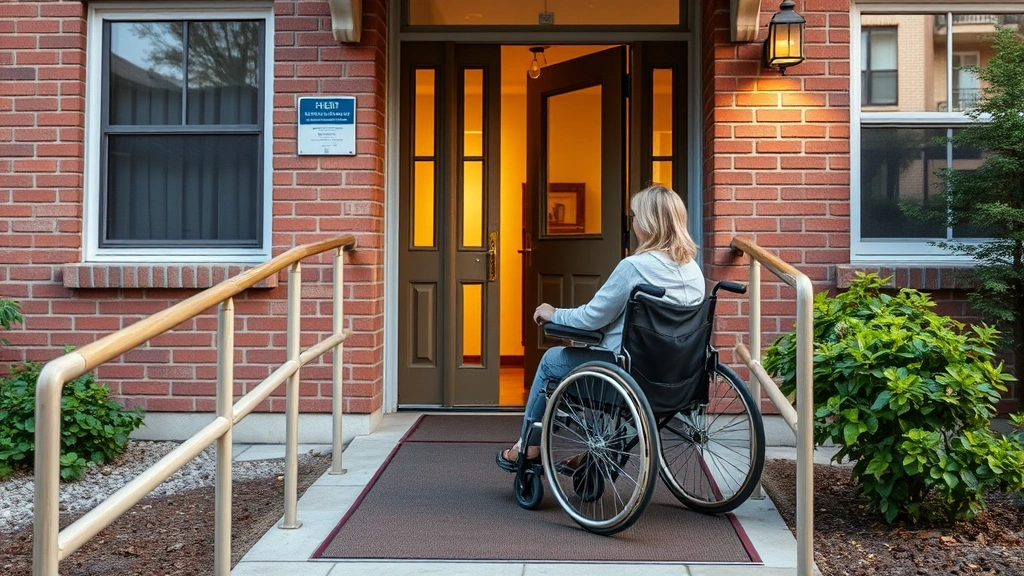
Many affordable housing residents have disabilities—in fact, some programs prioritize applicants with disabilities. Your doctor letter for housing accommodation should reflect this reality by clearly linking your disability to your housing need. For instance, if you use a wheelchair, a ground-floor unit isn’t a luxury—it’s a functional necessity that enables you to participate in community life.
Understanding the specific policies of your housing provider is crucial. Public housing authorities often have written reasonable accommodation procedures. Request a copy and follow their process exactly. Private landlords may be less familiar with these requirements, making clear documentation even more important.
Essential Components of a Reasonable Accommodation Letter
A strong reasonable accommodation letter includes several key elements. Your healthcare provider must establish their credentials, describe your disability or condition, explain the functional limitations it creates, and connect those limitations directly to your housing need.
Provider Credentials: The letter should identify the healthcare provider’s name, title, license number, specialty, and contact information. This establishes authority and allows the housing provider to verify credentials if needed. Providers might include physicians, psychiatrists, psychologists, nurse practitioners, social workers, or other licensed mental health professionals.
Relationship to You: The provider should state how long they’ve known you, the frequency of your contact, and the basis for their professional opinion. A provider who has treated you for several years carries more weight than one who saw you once.
Disability Description: Without revealing unnecessary personal details, the letter should describe your disability or condition in clear terms. For instance: “The patient has a diagnosis of major depressive disorder with significant anxiety symptoms” or “The patient has severe osteoarthritis affecting mobility and stair climbing.” The diagnosis alone isn’t enough; the letter must explain functional impact.
Functional Limitations: This is the critical section. Describe how your condition limits your ability to use standard housing. Examples: “Due to chronic pain and limited mobility, the patient cannot navigate stairs or access second-floor units,” or “The patient’s PTSD symptoms are significantly exacerbated by isolation and lack of social connection; an emotional support animal provides grounding and reduces panic episodes.”
Connection to Accommodation: Explicitly state why the requested accommodation addresses your functional limitation. Don’t assume the housing provider will make the connection. Write: “Because of these limitations, a ground-floor unit with accessible parking is necessary for the patient to have equal access to the housing and its amenities.”
Medical Necessity: Conclude with a clear statement that the accommodation is medically necessary and supported by your treatment and diagnosis. Avoid language like “would be helpful” or “might improve quality of life.” Instead: “This accommodation is medically necessary to enable my patient to live independently and safely.”

Medical Documentation Requirements
Your reasonable accommodation letter carries weight only if it comes from a qualified healthcare provider. The Fair Housing Act doesn’t specify which types of providers can write these letters, but they must be in a position to know about your condition and its impact. Licensed physicians, psychiatrists, psychologists, nurse practitioners, and licensed clinical social workers generally qualify.
The provider should write on official letterhead with identifying information and should sign and date the letter. Some housing providers will request additional documentation, such as treatment records or prescription lists, to verify the information in the letter. Be prepared to authorize release of medical records if needed.
For affordable housing specifically, documentation standards may be even more rigorous. Some public housing authorities require letters from physicians only, not mental health providers. Others may require documentation of specific diagnoses. Research your housing provider’s requirements before your provider drafts the letter.
One common question: Can a provider who is related to you write a reasonable accommodation letter? Technically yes, but it’s much weaker. Housing providers may question the objectivity of a family member’s assessment. If possible, use an unrelated healthcare provider.
The letter should be recent—generally written within the past year for ongoing conditions. If your condition or needs have changed, request an updated letter. For affordable housing applications with long processing times, you may need to refresh your documentation.
Common Reasonable Accommodation Requests in Affordable Housing
Understanding which requests are most likely to be approved helps you frame your letter effectively. Some accommodations are straightforward and rarely denied; others require more detailed justification.
Service Animals and Emotional Support Animals: The most common accommodation request. Your letter should explain your disability, describe how the animal mitigates symptoms, and note any behavior training. An ESA letter for apartment is specifically designed for this purpose. Fair Housing law distinguishes between service animals (trained to perform tasks) and emotional support animals (providing comfort through presence). Both are protected, but documentation standards differ slightly.
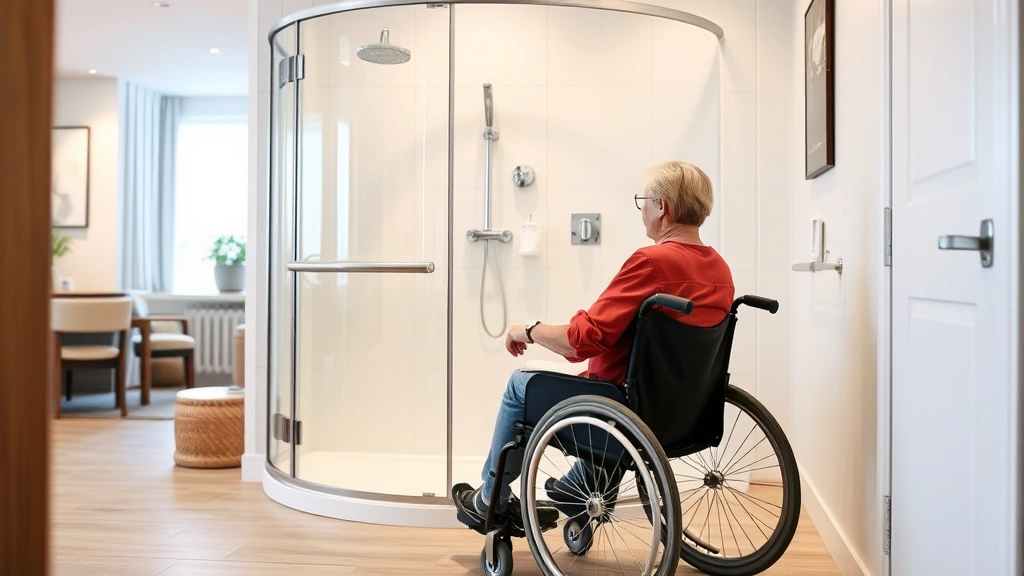
Accessible Unit Features: Ground-floor units, accessible parking, grab bars, accessible kitchens and bathrooms, or units near elevators. These requests are usually approved for mobility disabilities. Your letter should document functional limitations related to stairs, distance walking, or fine motor control.
Policy Exceptions: Requests to modify lease terms, such as allowing additional occupants for a caregiver, extending lease terms for medical leave, or modifying pet policies. These require clear explanation of how the policy change enables equal access to housing.
Environmental Accommodations: Requests for smoke-free units (for respiratory conditions), reduced noise (for sensory processing disorders), or proximity to specific services. These are harder to approve in affordable housing because they may conflict with other residents’ rights or program policies. Strong medical documentation is essential.
Parking and Accessibility: Reserved accessible parking, designated parking close to your unit, or modified parking requirements. These are common in affordable housing and usually approved with appropriate documentation.
How to Submit Your Reasonable Accommodation Letter
The process varies depending on whether you’re applying for housing or already a resident requesting an accommodation.
During Application: Include your reasonable accommodation letter with your housing application. Many affordable housing programs have a specific section for accommodation requests. Don’t bury the letter in general application materials; submit it prominently with a cover letter explaining your request. Reference the medical housing accommodation process if applicable to your situation.
After Move-In: Submit your letter to the housing authority’s reasonable accommodation coordinator or your property manager. Follow any procedures outlined in your lease or the housing provider’s policies. Keep copies of everything you submit and request written confirmation of receipt.
Interactive Process: Housing providers are required to engage in an interactive dialogue with you. Be prepared for follow-up questions, requests for additional documentation, or counteroffers. For instance, if you request a ground-floor unit but none are available, the provider might offer an elevator building unit instead. Engage in good faith while advocating for your needs.
Timeline: Affordable housing authorities typically have 30–60 days to respond to reasonable accommodation requests, though this varies. Follow up if you don’t hear back within the stated timeframe.
Documentation: Keep detailed records of all communications. Note dates, names of staff members you speak with, and what was discussed. If your request is denied, you’ll have documentation to support a complaint.
Your Legal Protections
The Fair Housing Act makes it illegal for housing providers to discriminate based on disability or to retaliate against you for requesting a reasonable accommodation. These protections apply equally to affordable housing and market-rate housing.
If your request is denied, the housing provider must provide a reason in writing. Common reasons for denial include: the accommodation isn’t reasonable, it would impose undue financial or administrative burden, or it would fundamentally alter the program. However, these are high bars. Denials based on disability stereotypes, assumptions, or inconvenience are illegal.
If you believe your request was wrongfully denied, you have several options. File a complaint with the U.S. Department of Housing and Urban Development (HUD) within one year of the denial. HUD investigates fair housing complaints and can order remedies including approval of your accommodation. You can also consult with a disability rights organization in your state for guidance and potential legal representation.
Many housing providers are simply unfamiliar with their fair housing obligations. A clear, professional reasonable accommodation letter often resolves the issue without escalation. When providers understand the legal requirement and receive proper documentation, most approve reasonable requests.
External resources include the Americans with Disabilities Act (ADA) website for disability rights information, JAN (Job Accommodation Network) for accommodation guidance, and HUD for housing-specific regulations and complaint procedures.

FAQ
Can I request a reasonable accommodation for affordable housing if I’m not yet a resident?
Yes. You can request accommodations as part of your application. Include your letter with your application materials and clearly mark it as a reasonable accommodation request. Housing providers must consider your request during the application review process.
What if my condition is invisible or not immediately obvious?
This is precisely why a detailed letter from a healthcare provider matters. Invisible disabilities—chronic pain, mental health conditions, autoimmune disorders—are just as protected as visible ones. Your letter should explain how your condition, even if not apparent, creates functional limitations that require accommodation.
Can I write the reasonable accommodation letter myself?
No. The letter must come from a licensed healthcare provider. A letter from you explaining your needs might support your request, but it cannot replace professional medical documentation. Housing providers are specifically looking for independent professional verification.
How detailed should my letter be about my diagnosis?
The letter should include your diagnosis but focus more on functional impact. Housing providers don’t need extensive medical history. They need to understand what you cannot do and why the accommodation helps. A paragraph on diagnosis and two paragraphs on functional limitations is typically sufficient.
What if the housing provider asks for more documentation than the letter?
Some providers request medical records, prescription lists, or treatment history. You’re not required to provide these, but doing so strengthens your case. You can authorize limited release of records—for instance, records related only to the specific condition affecting your housing needs.
Can a reasonable accommodation request be denied?
Yes, but only for specific, documented reasons. Denials based on cost, inconvenience, or assumptions about disability are illegal. If denied, ask for the reason in writing and consider filing a complaint with HUD if you believe the denial was discriminatory.
How long does the reasonable accommodation approval process take?
Typically 30–60 days, though this varies by housing provider. Public housing authorities often have published timelines. Follow up if you haven’t heard back within the stated period.
Do I need to disclose my disability to get affordable housing?
Only if you’re requesting an accommodation. If your disability doesn’t affect your housing needs, you’re not required to disclose it. However, disclosing can sometimes help with prioritization in certain affordable housing programs that target people with disabilities.